ALK5 inhibitor impact on bleomycin-induced systemic sclerosis mouse model via multifunctional optical coherence tomography
Pavel V. Nikitin, Harshdeep S. Chawla, Jessica Gutierrez, Geethangili Madamanchi, Manmohan Singh, Salavat R. Aglyamov, Minghua Wu, Jerry Alonso, Matthew Fronheiser, Juliana Coculo, Shuyan Du, Shervin Assassi, Kirill V. Larin

TL;DR
This study uses optical coherence tomography to monitor skin changes in a mouse model of systemic sclerosis and tests an inhibitor's effect on reversing these changes.
Contribution
The study introduces a multifunctional OCT approach for noninvasive, longitudinal monitoring of SSc progression and treatment response.
Findings
Bleomycin treatment increased skin thickness, stiffness, and vessel lumen width in the mouse model.
SB 525334 partially reversed these structural and vascular changes, indicating potential therapeutic benefit.
Multifunctional OCT methods showed feasibility for monitoring SSc pathogenesis and treatment efficacy.
Abstract
Systemic sclerosis (SSc) is a chronic autoimmune disease characterized by fibrosis, vascular dysfunction, and immune dysregulation, leading to significant morbidity and mortality. Noninvasive imaging techniques are critical for monitoring disease progression and evaluating therapeutic interventions. This study investigates the technical feasibility of multifunctional optical coherence tomography (OCT)-based methods for longitudinal assessment of skin thickness, stiffness, and microvasculature in a murine SSc model as a translational, noninvasive, and quantitative method to study disease progression and treatment response. Our findings demonstrate significant structural, biomechanical, and vascular changes in the skin's stiffness, indicative of fibrosis, a hallmark of SSc. The application of SB 525334 (a transforming growth factor β1 receptor ALK5 inhibitor) mitigated these changes,…
Genes, proteins, chemicals, diseases, species, mutations and cell lines named across the full text — each resolved to its canonical identifier and authoritative record.
Click any figure to enlarge with its caption.
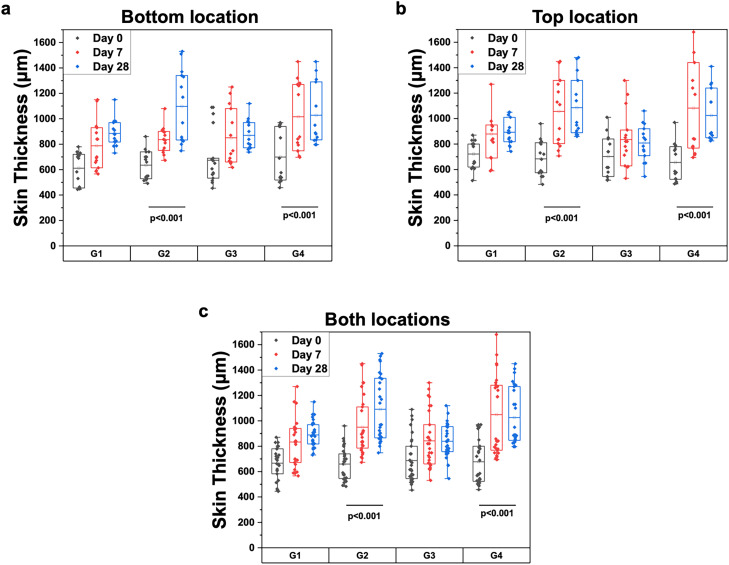 Figure 1
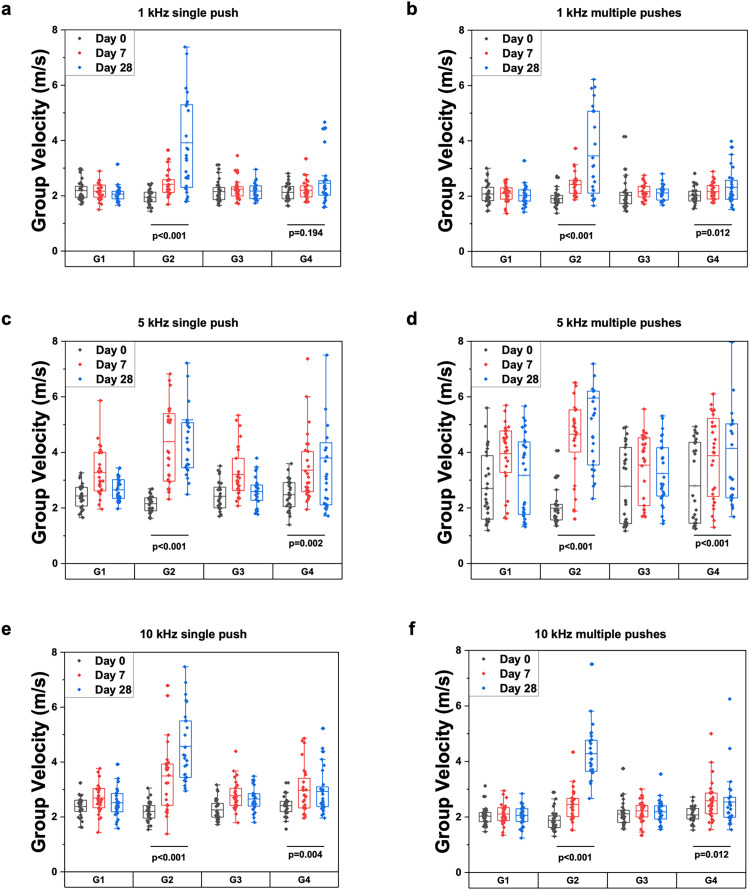 Figure 2
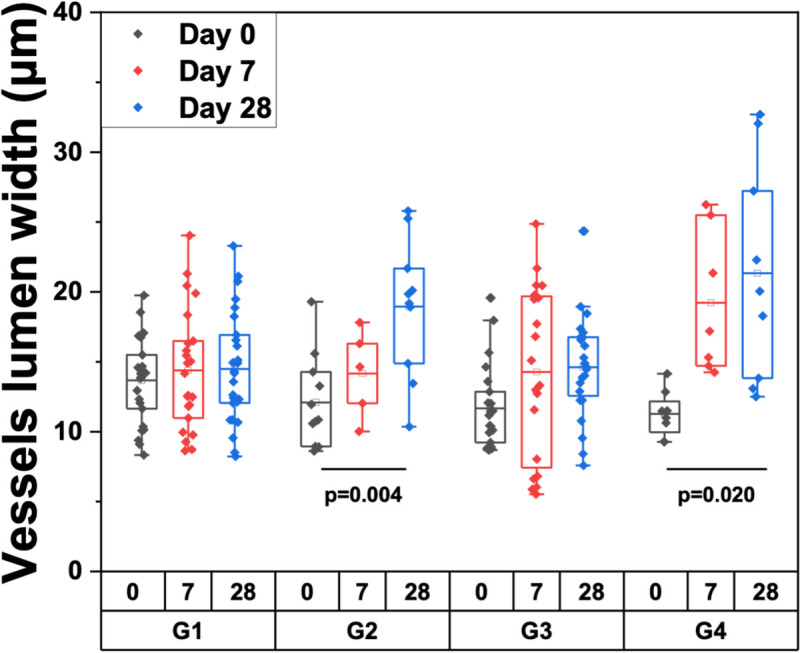 Figure 3
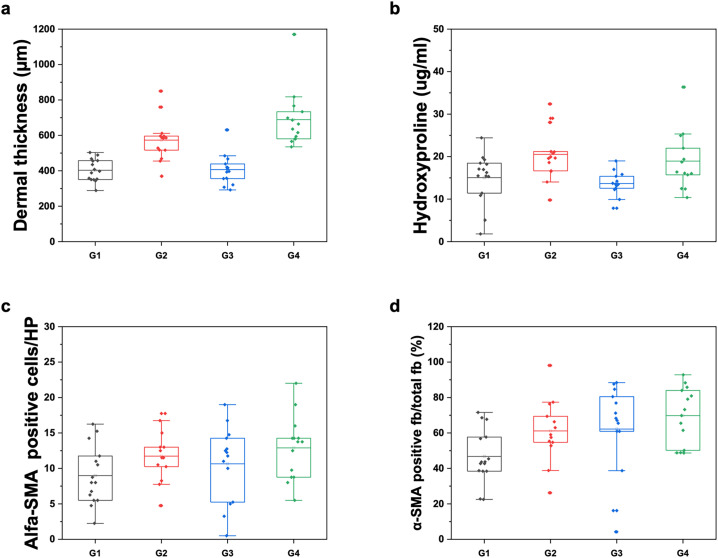 Figure 4
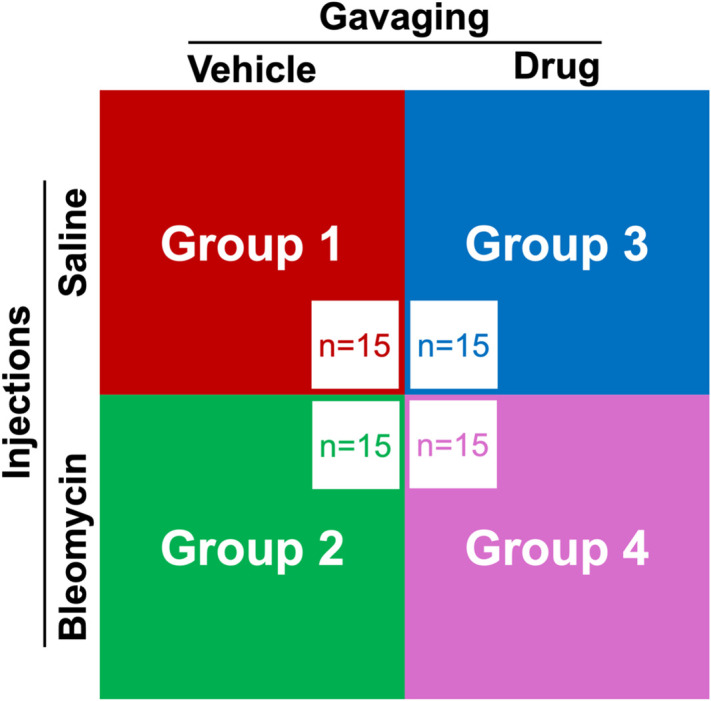 Figure 5
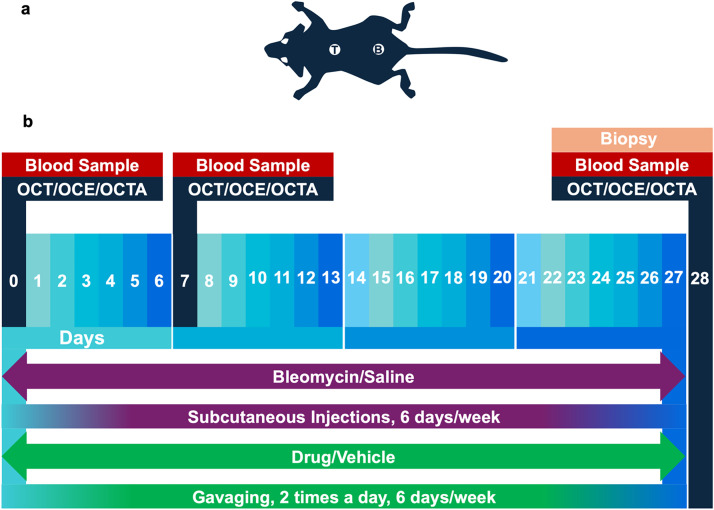 Figure 6
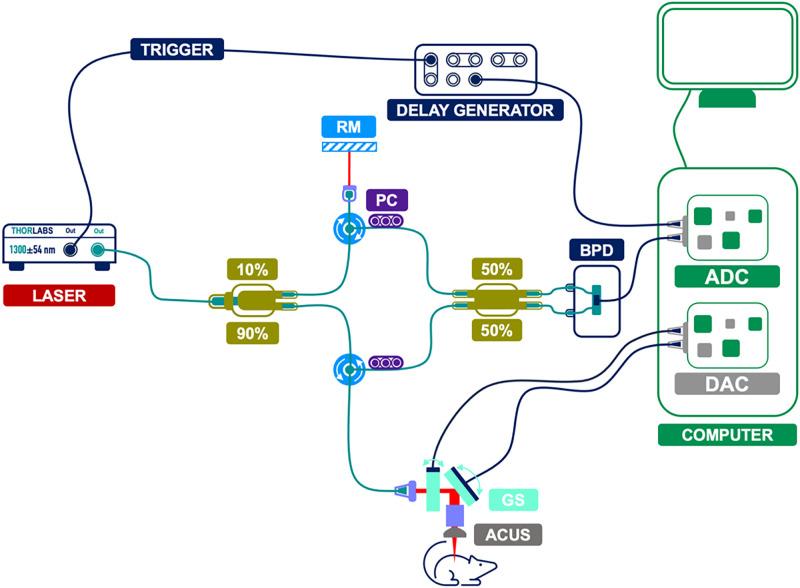 Figure 7
Peer Reviews
No public reviews on file for this paper yet. If you reviewed it on a platform where reviews are public (OpenReview, ICLR, NeurIPS, ICML), you can paste yours below so the community can read it here.
Videos
No videos yet. Explain this paper in a talk, walkthrough, or lecture? Add one.
Taxonomy
TopicsOptical Coherence Tomography Applications · Systemic Sclerosis and Related Diseases · Angiogenesis and VEGF in Cancer