Usability and User Experience of a Digital Platform Prototype (Healthy Bone) to Promote Pharmacological and Nonpharmacological Treatment in Patients With Osteoporosis: Mixed Methods Study
Anabela Barcelos, Alexandre Moniz, Ana Rita Henriques, Carolina Mazeda, Elsa Frazão Mateus, Ana Machado, Cátia F Gonçalves, Maiara Moreto, Mafalda F Almeida, Nuno Mendonça, Daniela Costa, Marta M Marques, Pedro Domingos, Yoann Nesme, Helena Canhão, Sónia Dias, Ana Maria Rodrigues

TL;DR
A digital platform called Healthy Bone was tested for usability and user experience to help osteoporosis patients manage their treatment better.
Contribution
The study introduces a new digital platform prototype designed to improve osteoporosis treatment adherence through pharmacological and nonpharmacological interventions.
Findings
The Healthy Bone platform received high usability scores with a mean SUS score of 87.1.
Users identified 24 usability issues related to system performance, interface design, and navigation.
Patients positively perceived the platform's simplicity, accessibility, and potential to empower osteoporosis patients.
Abstract
Osteoporosis-related fractures significantly impact older adults, often leading to disability and even premature death. While pharmacological and nonpharmacological interventions are widely recommended for managing osteoporosis, adherence to these interventions remains low. To address this challenge, we developed the Healthy Bone digital platform (desktop, mobile app, and smart TV internet-based) for use in clinical settings to improve disease management and treatment adherence. It integrates a multimedia health-related behavioral change program with a patient monitoring and management system. This study aimed to evaluate the usability and user experience of the desktop version of the Healthy Bone digital platform prototype from the patients’ perspective. The findings will provide valuable insights into optimizing the digital platform and enhancing its functionality. A mixed-methods…
Genes, proteins, chemicals, diseases, species, mutations and cell lines named across the full text — each resolved to its canonical identifier and authoritative record.
Click any figure to enlarge with its caption.
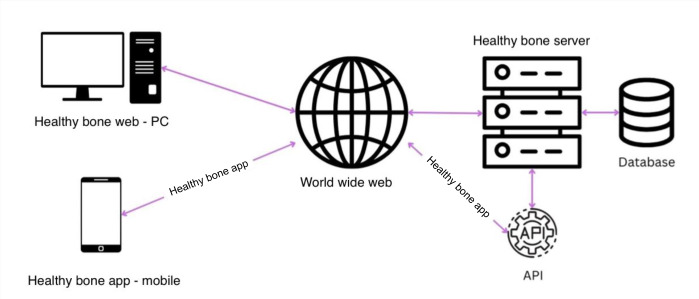 Figure 1
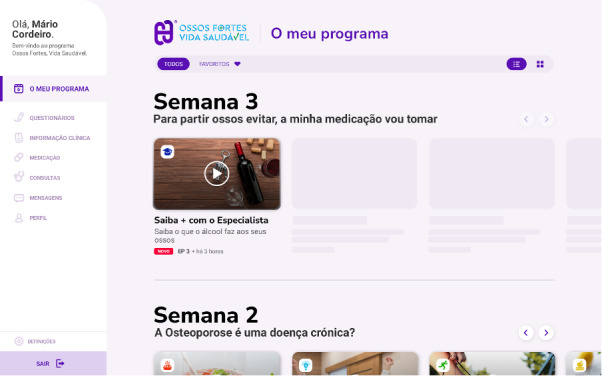 Figure 2
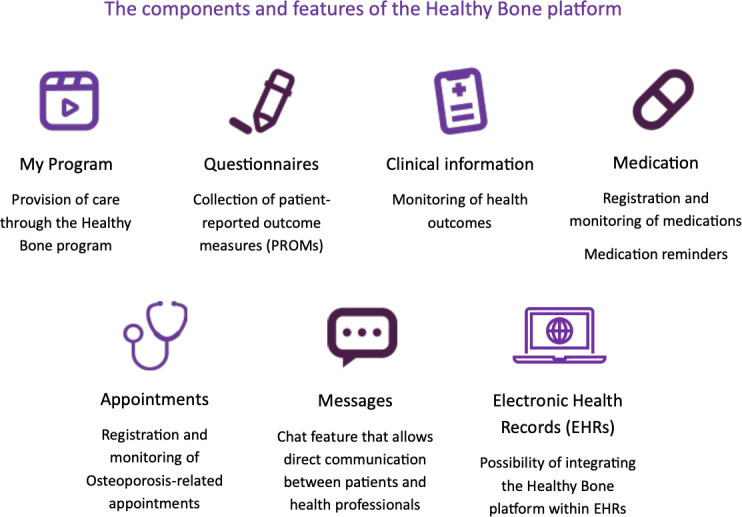 Figure 3
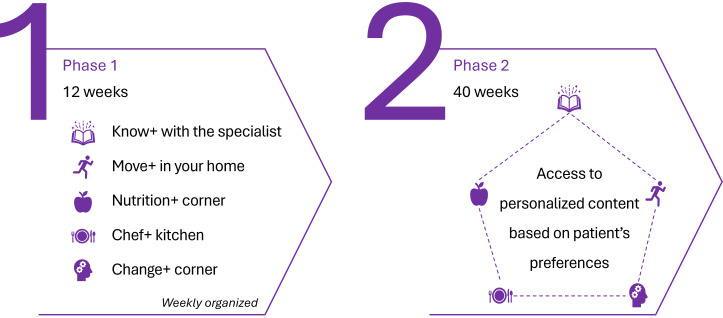 Figure 4
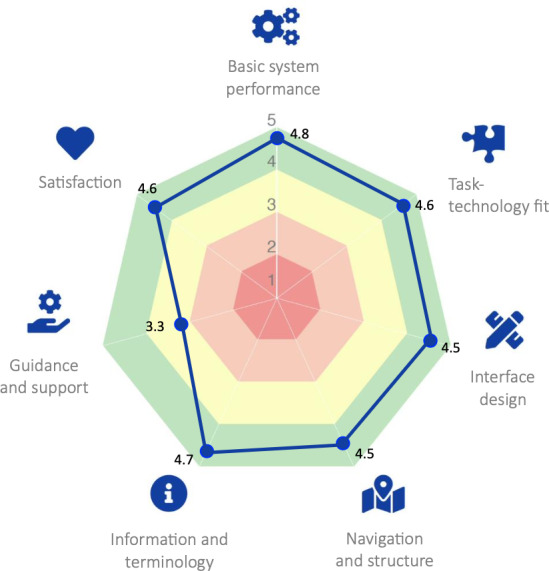 Figure 5
Peer Reviews
No public reviews on file for this paper yet. If you reviewed it on a platform where reviews are public (OpenReview, ICLR, NeurIPS, ICML), you can paste yours below so the community can read it here.
Videos
No videos yet. Explain this paper in a talk, walkthrough, or lecture? Add one.
Taxonomy
TopicsBone health and osteoporosis research · Mobile Health and mHealth Applications · Health Literacy and Information Accessibility