Toward an all-in-one recombinant adeno-associated virus vector for functionally ablating the prion gene using CRISPR-Cas technology
Claire Verkuyl, Ari Belotserkovsky, Thomas Zerbes, Declan Williams, Medha R. Krishnan, Sabrina Zhu, Sophie Grunnesjӧ, Shehab Eid, Cunjie Zhang, Wenda Zhao, Leo Xu, Eleanore Lin, Teaghan O’Shea, Benjamin Draper, Andreas Jungman, Patrick Most, Gerold Schmitt-Ulms

TL;DR
Researchers developed a gene therapy vector to reduce prion protein in the brain, which could help treat prion diseases.
Contribution
A first-generation all-in-one rAAV vector for prion gene editing using CRISPR-Cas technology was created and tested.
Findings
A prion gene-specific guide RNA and Cas9 endonuclease were delivered via an rAAV vector with a cell-specific promoter.
Prion gene editing rates of ~20% in human cells and ~5% in mice were achieved.
The 9P31 capsid showed 7.5-fold higher gene expression than PHP.eB after injection.
Abstract
Any strategy that can selectively and persistently lower the brain levels of the cellular prion protein (PrPC) is expected to extend survival in prion diseases. Recent advances in the virus-mediated delivery of gene therapies prompted us to explore if a recombinant adeno-associated virus (rAAV) vector delivering a CRISPR-Cas-based gene editor can be devised that induces a functional knockout of the prion gene. Whereas the eventual objective is to assess the therapeutic potency of an optimized vector in prion-infected mice, in this proof-of-concept study, we evaluated tools and methods that are suited to achieve this goal. The result of these efforts is a first-generation all-in-one rAAV vector that codes for a prion gene-specific guide RNA and a small Cas9 endonuclease, whose expression is controlled by a truncated neural cell adhesion molecule 1 (NCAM1) promoter that is active in PrPC…
Genes, proteins, chemicals, diseases, species, mutations and cell lines named across the full text — each resolved to its canonical identifier and authoritative record.
Click any figure to enlarge with its caption.
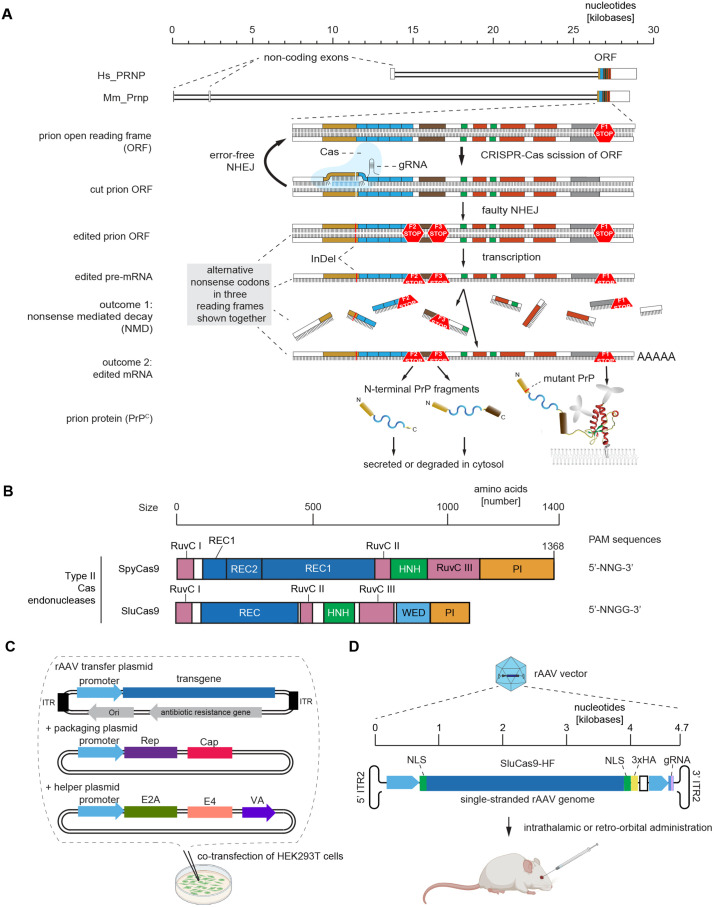 Figure 1
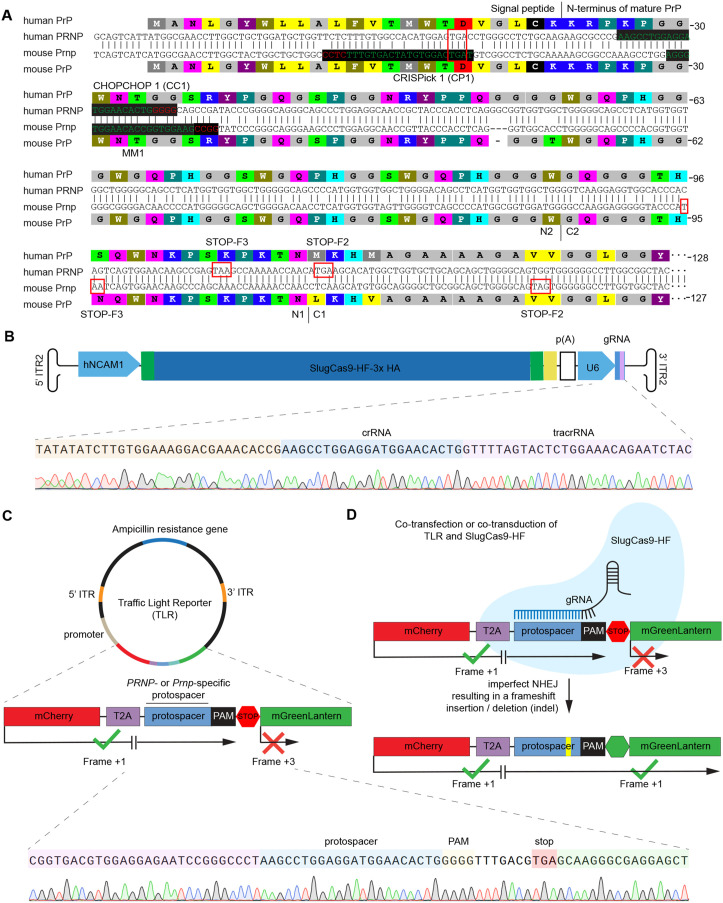 Figure 2
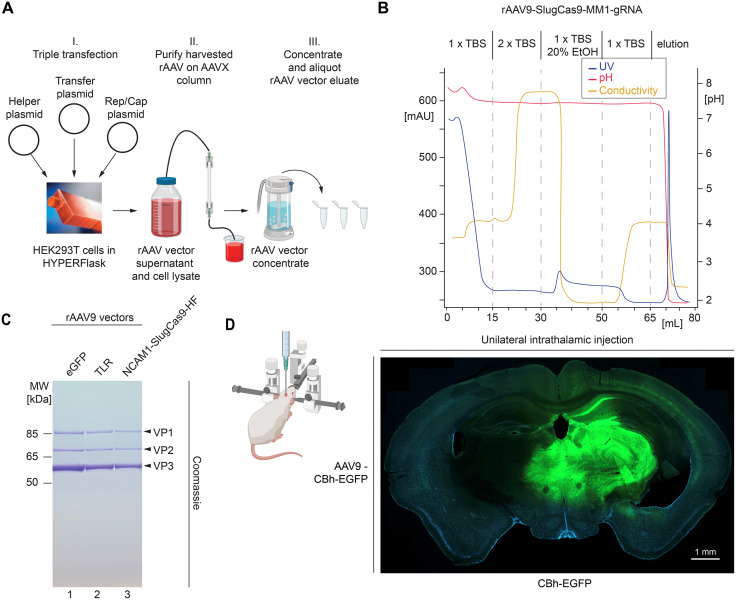 Figure 3
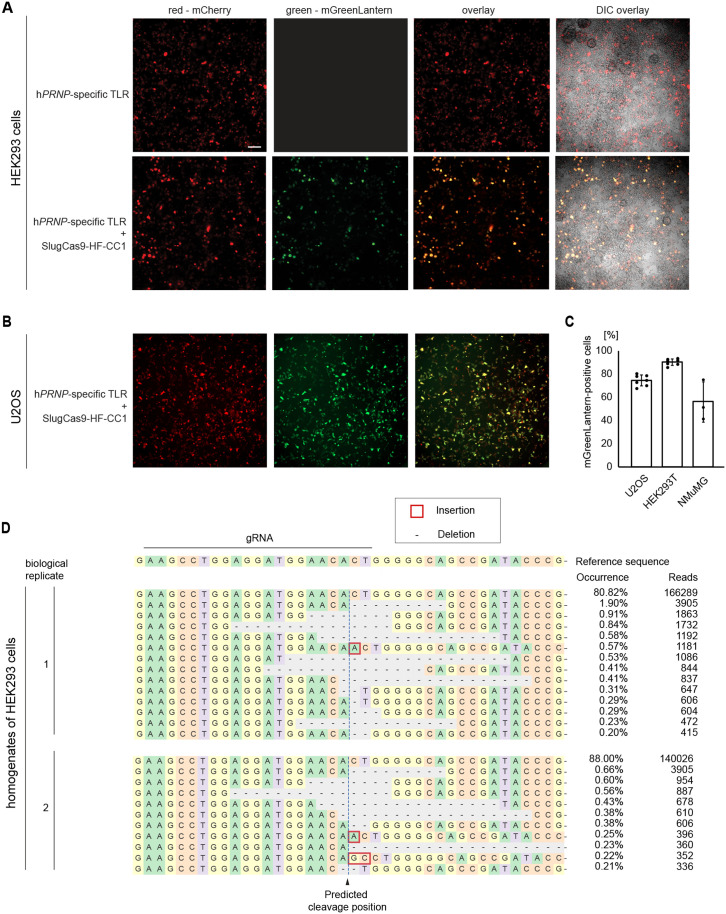 Figure 4
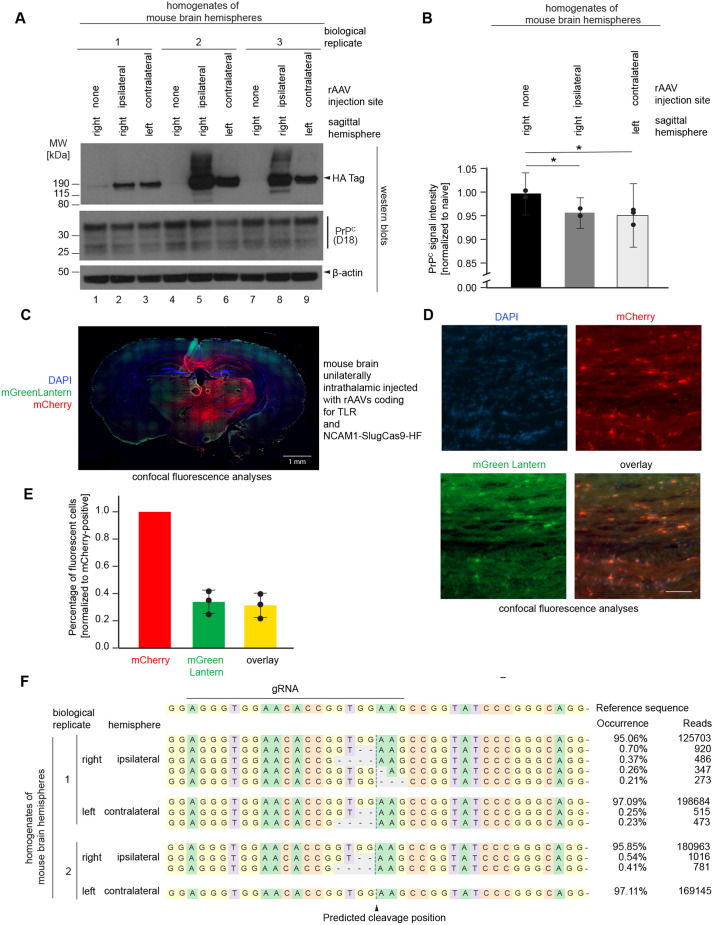 Figure 5
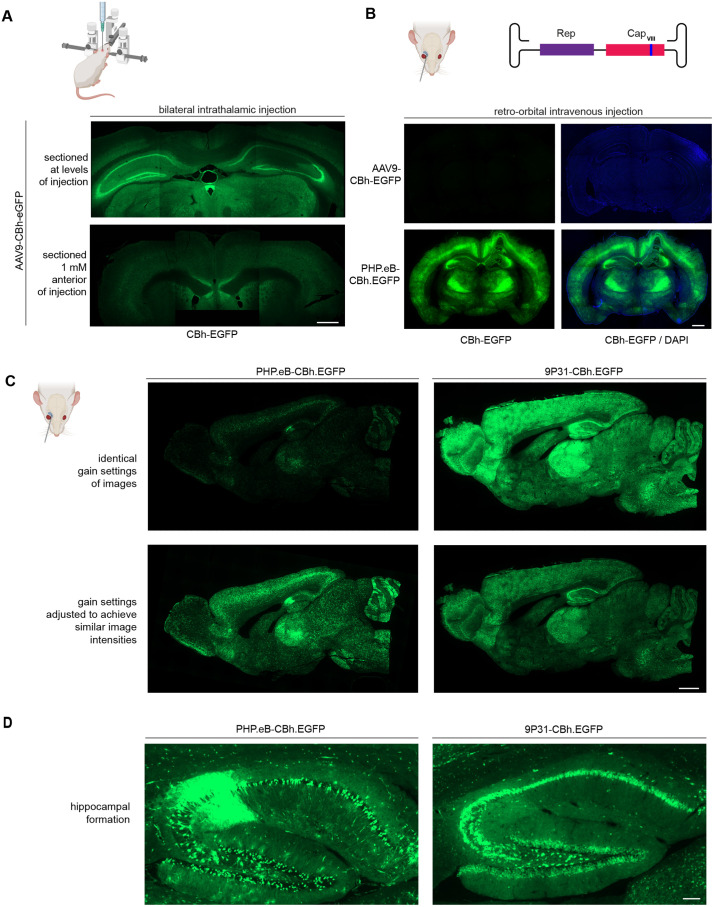 Figure 6
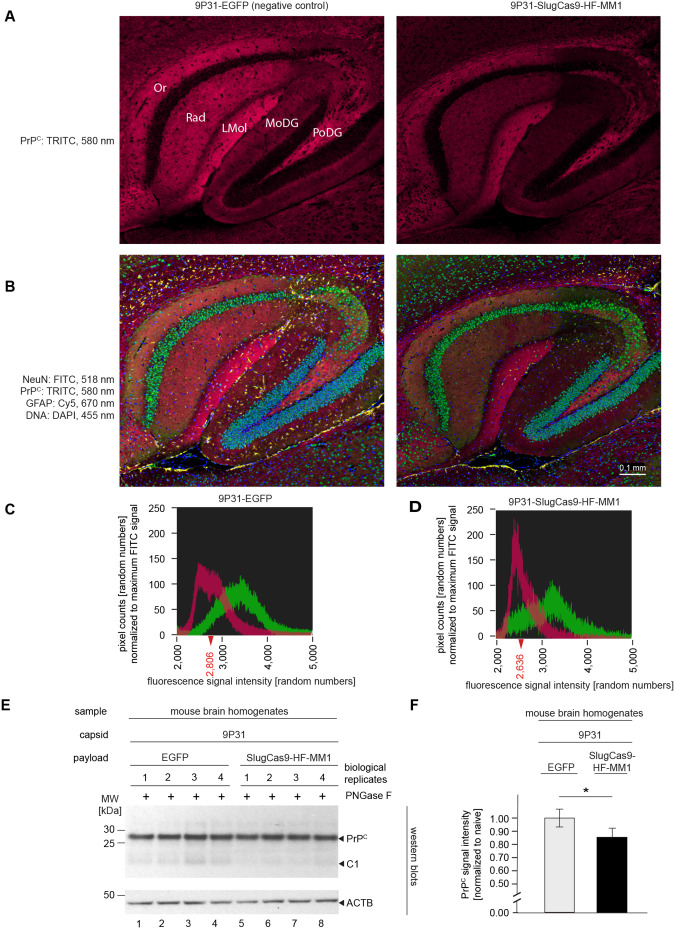 Figure 7
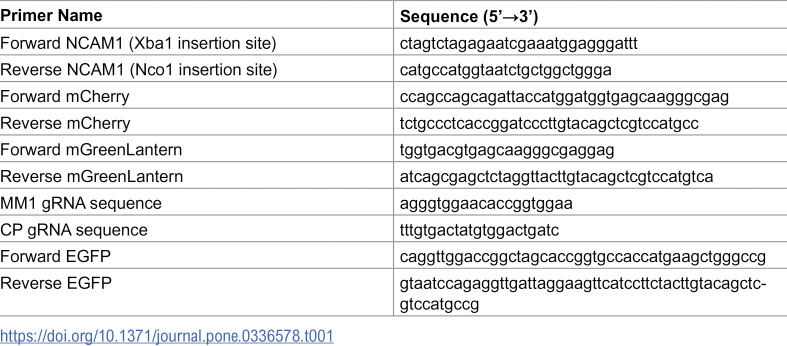 Figure 8
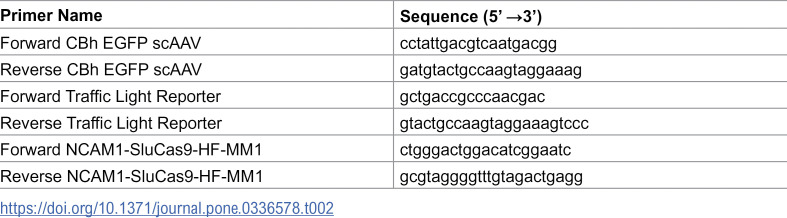 Figure 9
 Figure 10
Peer Reviews
No public reviews on file for this paper yet. If you reviewed it on a platform where reviews are public (OpenReview, ICLR, NeurIPS, ICML), you can paste yours below so the community can read it here.
Videos
No videos yet. Explain this paper in a talk, walkthrough, or lecture? Add one.
Taxonomy
TopicsPrion Diseases and Protein Misfolding · CRISPR and Genetic Engineering · Virus-based gene therapy research