Successful in vitro propagation of porcine bocavirus: Demonstrating dual respiratory-enteric tropism and pathogenicity
Zhaoyang Ji, Xin Zhang, Mei Xue, Jianfei Chen, Da Shi, Hongyan Shi, Hongliang Zhang, Liaoyuan Zhang, Tingshuai Feng, Xiaoyuan Zhu, Xiuwen Li, Dakai Liu, Mengting Wang, Miaomiao Zeng, Li Feng

TL;DR
Researchers successfully grew porcine bocavirus in a lab for the first time, showing it causes both gut and lung disease in pigs and may pose a zoonotic risk.
Contribution
First successful in vitro propagation of porcine bocavirus and experimental confirmation of its pathogenicity and dual tissue tropism.
Findings
PBoV-CNH was isolated and propagated in LLC-PK1 cells, the first such successful isolation in a continuous cell line.
Experimental infection showed PBoV-CNH causes both respiratory and intestinal disease in piglets, depending on the infection route.
Phylogenetic analysis showed PBoV-CNH clusters with human bocaviruses, suggesting potential for cross-species transmission.
Abstract
The inability to propagate porcine bocavirus (PBoV) in vitro has severely impeded research into its fundamental biology and pathogenic potential since its discovery 15 years ago. This study reports the successful isolation and characterization of a novel PBoV strain, PBoV-CNH, from diarrheic piglets in China. Crucially, PBoV-CNH was isolated and propagated in LLC-PK1 cells, a kidney-derived cell line from 3-4-week-old pigs, matching the age of the susceptible host. This represents the first documented isolation of PBoV in a continuous cell line. The isolate exhibited typical bocavirus morphology (20–30 nm particles), shared 94.15% whole-genome nucleotide identity with the NCBI reference strain (NC_016031.1), and displayed hemagglutination activity (HA) characteristic of Parvoviridae. Phylogenetic analysis revealed that PBoV-CNH clusters within a clade containing human bocaviruses…
Genes, proteins, chemicals, diseases, species, mutations and cell lines named across the full text — each resolved to its canonical identifier and authoritative record.
Click any figure to enlarge with its caption.
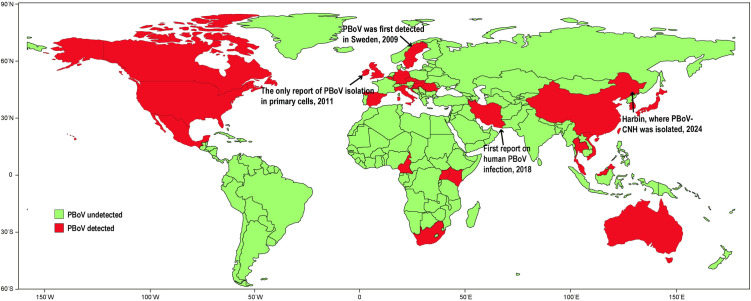 Figure 1
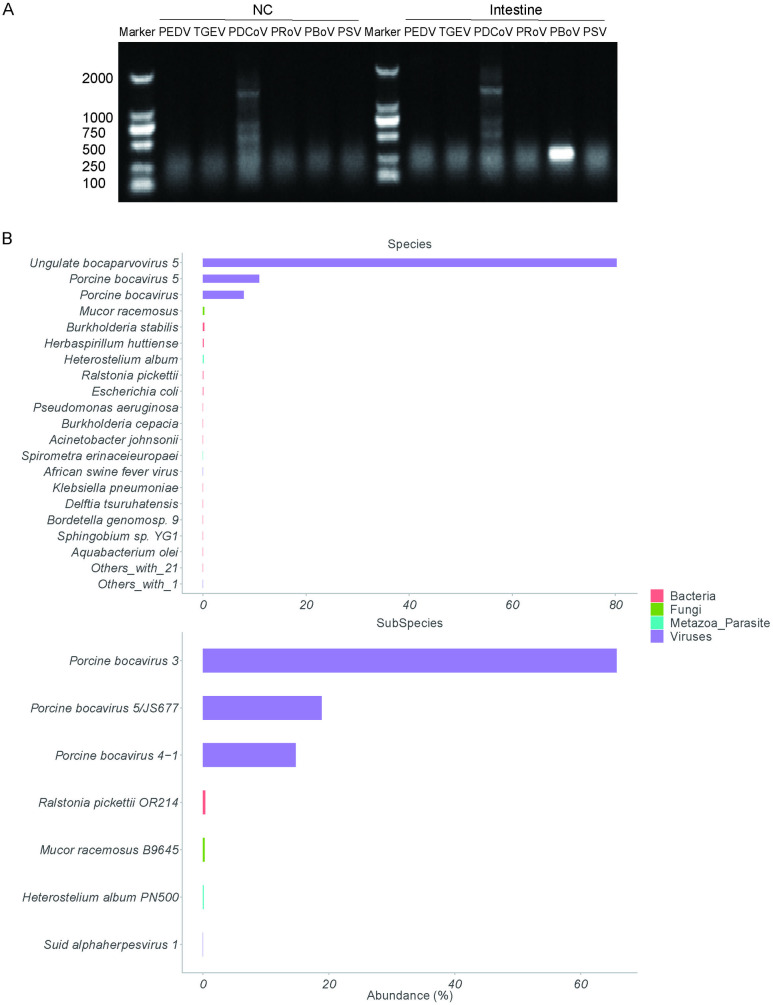 Figure 2
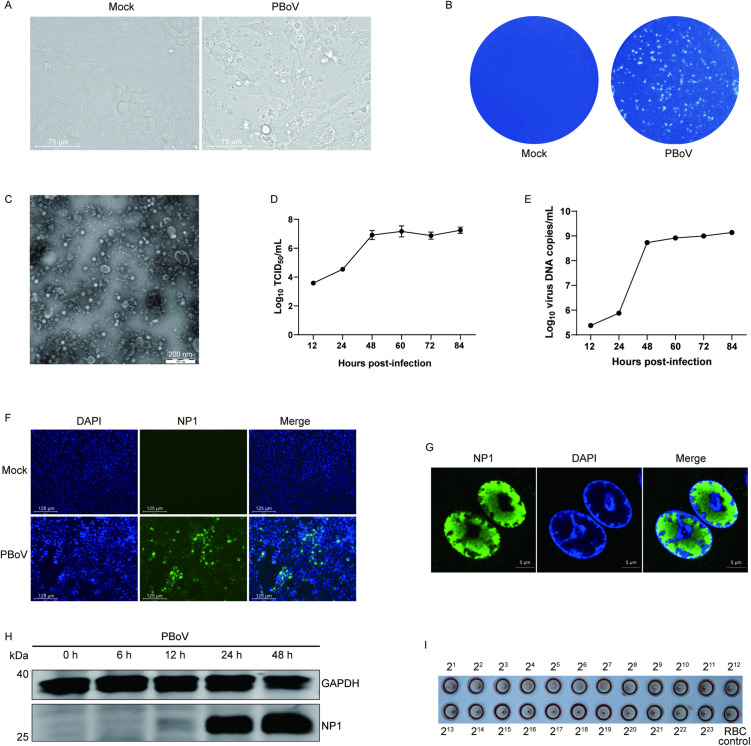 Figure 3
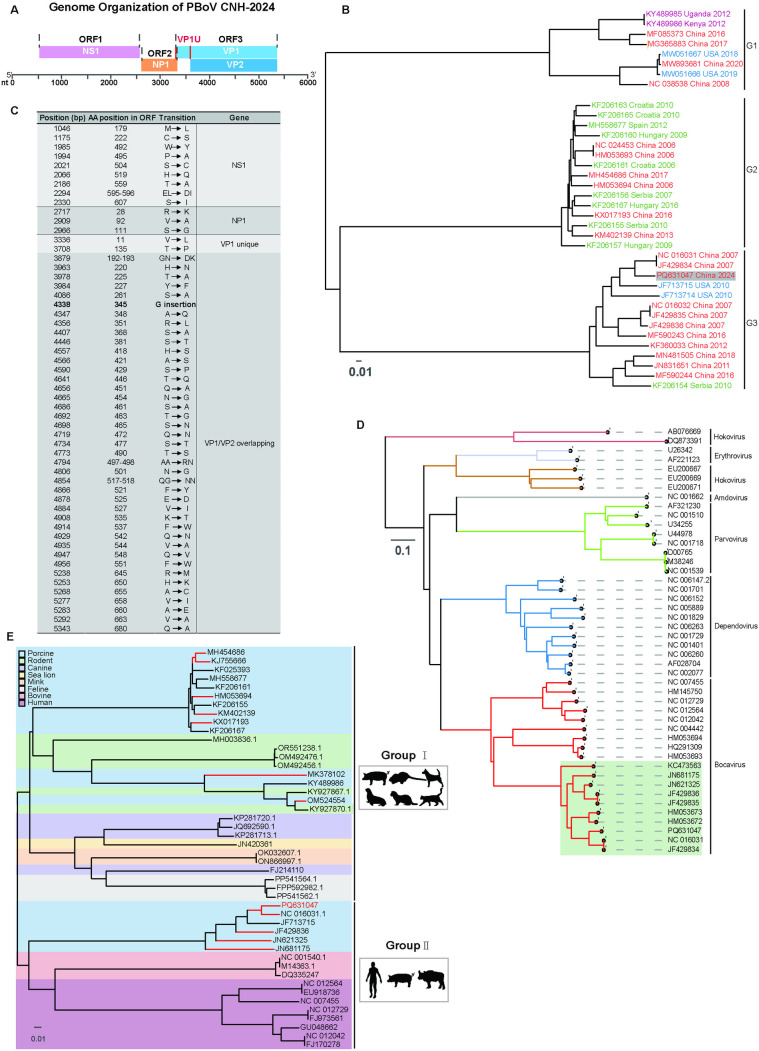 Figure 4
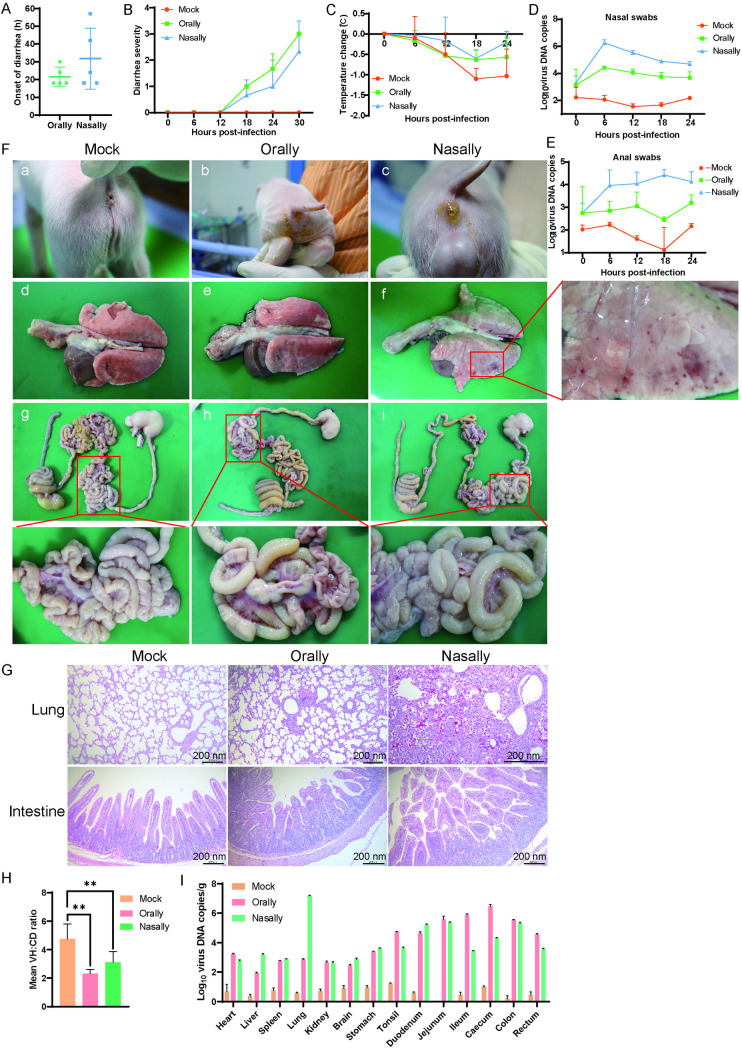 Figure 5
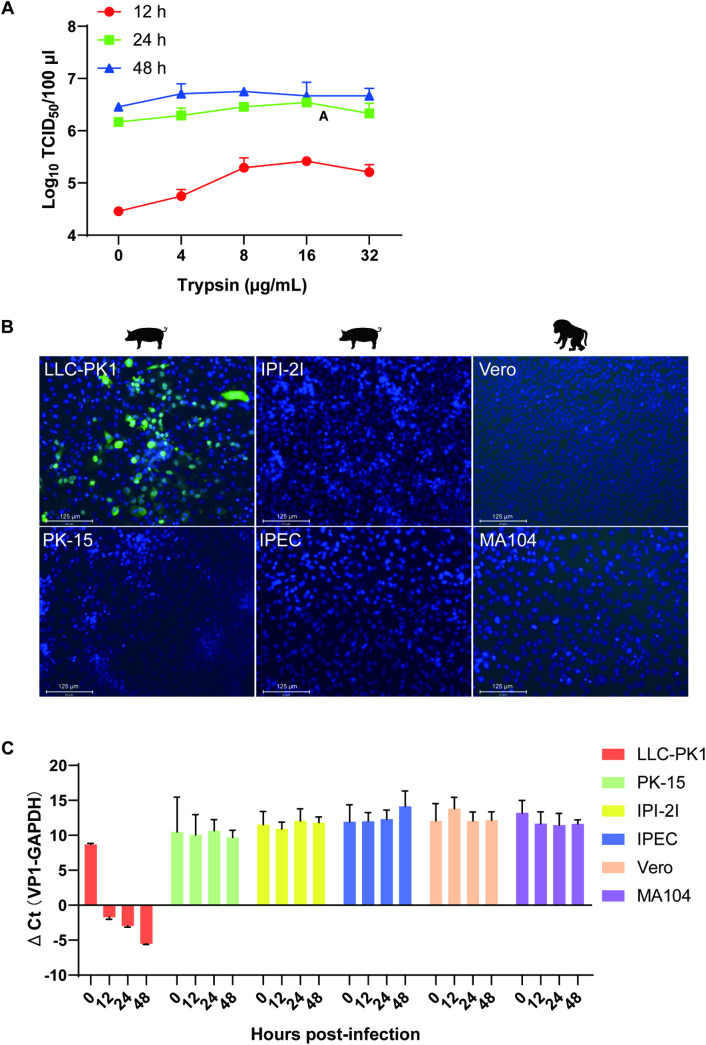 Figure 6
Peer Reviews
No public reviews on file for this paper yet. If you reviewed it on a platform where reviews are public (OpenReview, ICLR, NeurIPS, ICML), you can paste yours below so the community can read it here.
Videos
No videos yet. Explain this paper in a talk, walkthrough, or lecture? Add one.
Taxonomy
TopicsRespiratory viral infections research · Animal Virus Infections Studies · Viral Infections and Immunology Research