Nurse-led secondary preventive follow-up after stroke/TIA and ACS for patients aged 80 years or older: A post-hoc analysis of the randomized controlled NAILED trial
Karl Ingard, Anna-Lotta Irewall, Thomas Mooe, Joachim Ögren, Rizaldy Pinzon, Giuseppe Andò, Giuseppe Andò

TL;DR
A nurse-led follow-up program for older patients after heart or stroke events showed no major benefit but suggested possible trends in reduced cardiovascular deaths and increased fractures.
Contribution
Examines the efficacy of nurse-led secondary prevention in patients aged 80+ after stroke or heart events, a group with limited prior evidence.
Findings
The intervention did not significantly reduce major cardiovascular events in patients aged ≥80 years.
Cardiovascular death risk was significantly lower in the intervention group.
Fracture risk was higher in the intervention group, though not statistically significant.
Abstract
The evidence supporting secondary prevention with antihypertensives and lipid-lowering drugs after cerebrovascular disease or acute coronary syndrome (ACS) is not as strong for persons aged ≥80 years. The Nurse-based, Age-independent Intervention to Limit Evolution of Disease (NAILED) trial was a randomized controlled trial in which secondary preventive follow-up with titration of antihypertensives and lipid-lowering drugs was compared to usual care. In this substudy, we investigated the efficacy and safety of the NAILED intervention in persons aged ≥80 years. Patients admitted to Östersund Hospital with ACS, stroke, or transient ischemic attack between 2010 and 2014 were randomized to a nurse-led telephone-based follow-up (intervention group) or usual care (control group) and followed from discharge until 31 December 2017, with a maximum follow-up of 5 years. This post-hoc analysis…
Genes, proteins, chemicals, diseases, species, mutations and cell lines named across the full text — each resolved to its canonical identifier and authoritative record.
Click any figure to enlarge with its caption.
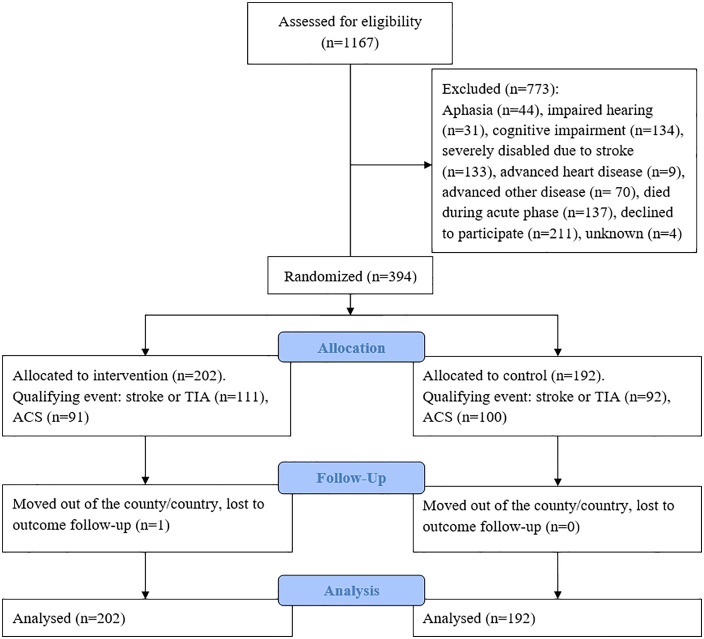 Figure 1
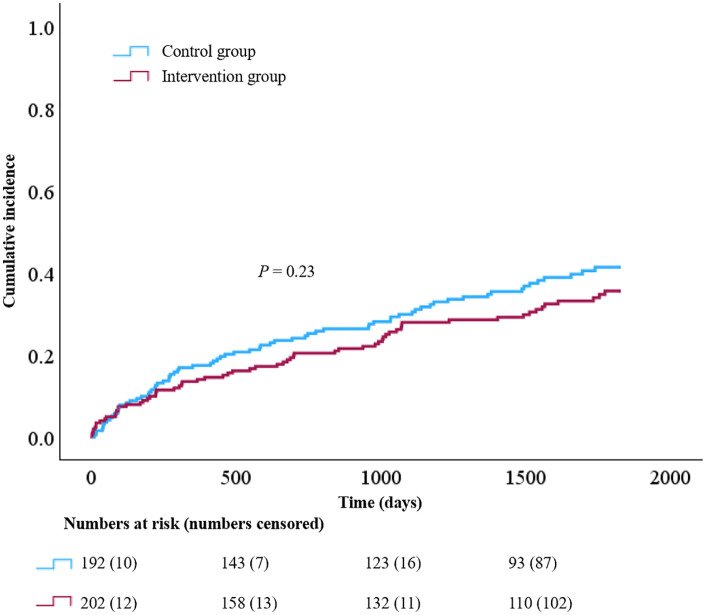 Figure 2
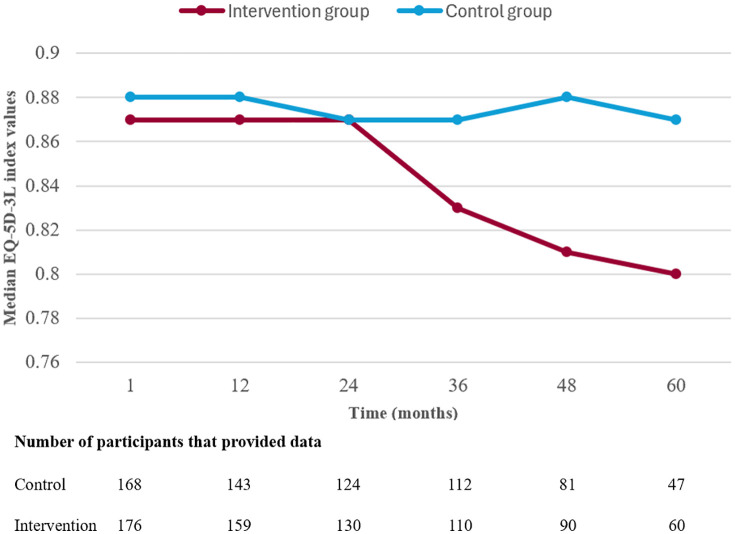 Figure 3
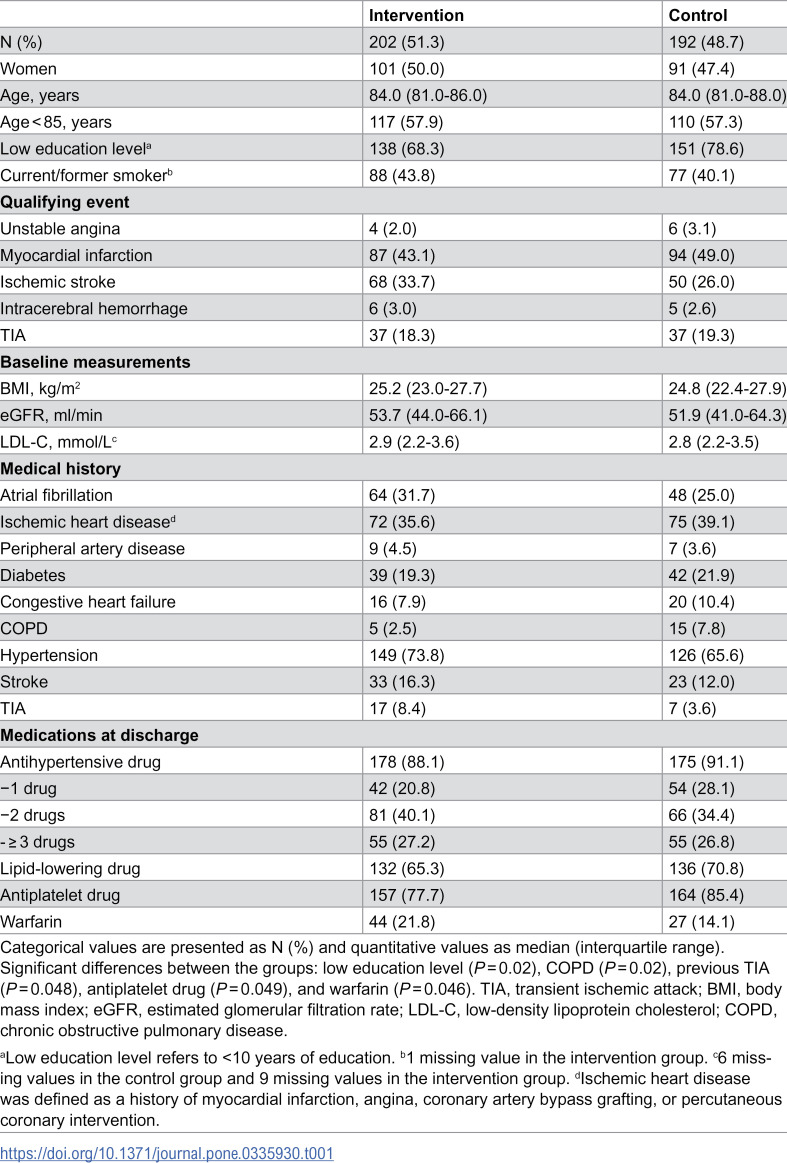 Figure 4
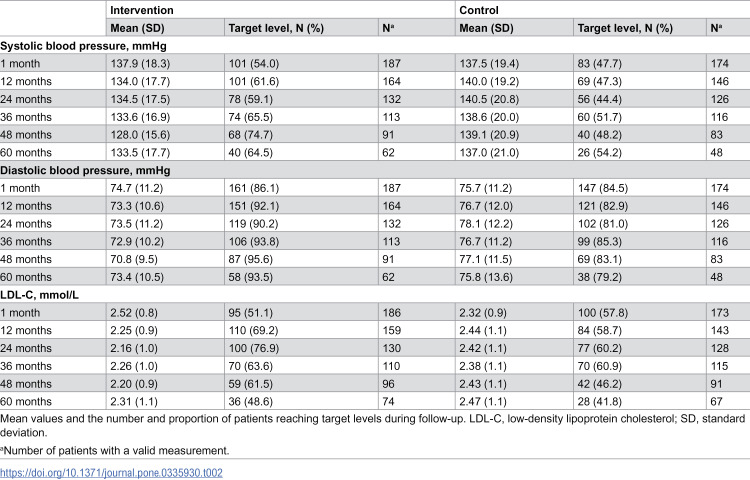 Figure 5
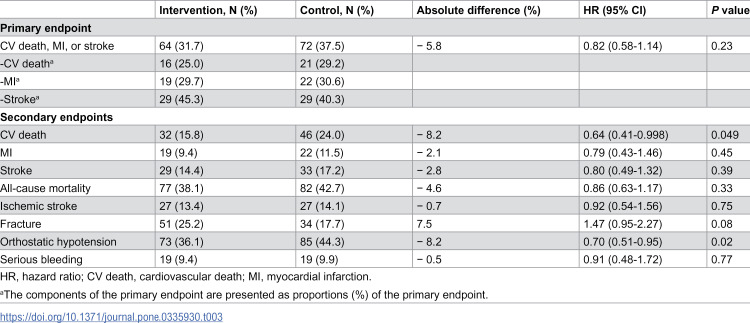 Figure 6
 Figure 7
 Figure 8
Peer Reviews
No public reviews on file for this paper yet. If you reviewed it on a platform where reviews are public (OpenReview, ICLR, NeurIPS, ICML), you can paste yours below so the community can read it here.
Videos
No videos yet. Explain this paper in a talk, walkthrough, or lecture? Add one.
Taxonomy
TopicsAcute Ischemic Stroke Management · Stroke Rehabilitation and Recovery · Dementia and Cognitive Impairment Research