The relationship between anxious traits and learning about changes in stochasticity and volatility
Brónagh McCoy, Rebecca P. Lawson

TL;DR
Anxious individuals respond differently to changes in environmental uncertainty, such as noise and volatility, which affects how they learn from rewards and punishments.
Contribution
The study introduces a novel experimental design to separately manipulate and assess the effects of volatility and stochasticity on learning in anxious individuals.
Findings
High volatility increases positive and negative learning rates under low noise conditions.
Anxious traits interact with volatility and noise to influence win-stay and lose-shift behaviors differently.
Results suggest that both noise and volatility should be considered when studying learning under uncertainty.
Abstract
Anxiety is known to alter learning in uncertain environments. Experimental paradigms and computational models addressing these differences have mainly assessed the impact of volatility, with more highly anxious individuals showing a reduced adaptation of learning rate in volatile compared to stable environments. Previous research has not, however, independently assessed the impact of both changes in volatility, i.e., reversals in reward contingency, and changes in stochasticity (noise) in the same individuals. Here, in an original online study (Experiment 1; N = 80) and a pre-registered replication attempt (Experiment 2; N = 160), we use a simple probabilistic reversal learning paradigm to independently manipulate the level of volatility and noise at the experimental level in a fully orthogonal design. We replicate previous studies showing general increases, irrespective of anxiety…
Genes, proteins, chemicals, diseases, species, mutations and cell lines named across the full text — each resolved to its canonical identifier and authoritative record.
Click any figure to enlarge with its caption.
 Figure 1
 Figure 2
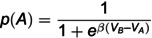 Figure 3
 Figure 4
 Figure 5
 Figure 6
 Figure 7
 Figure 8
 Figure 9
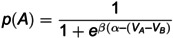 Figure 10
 Figure 11
 Figure 12
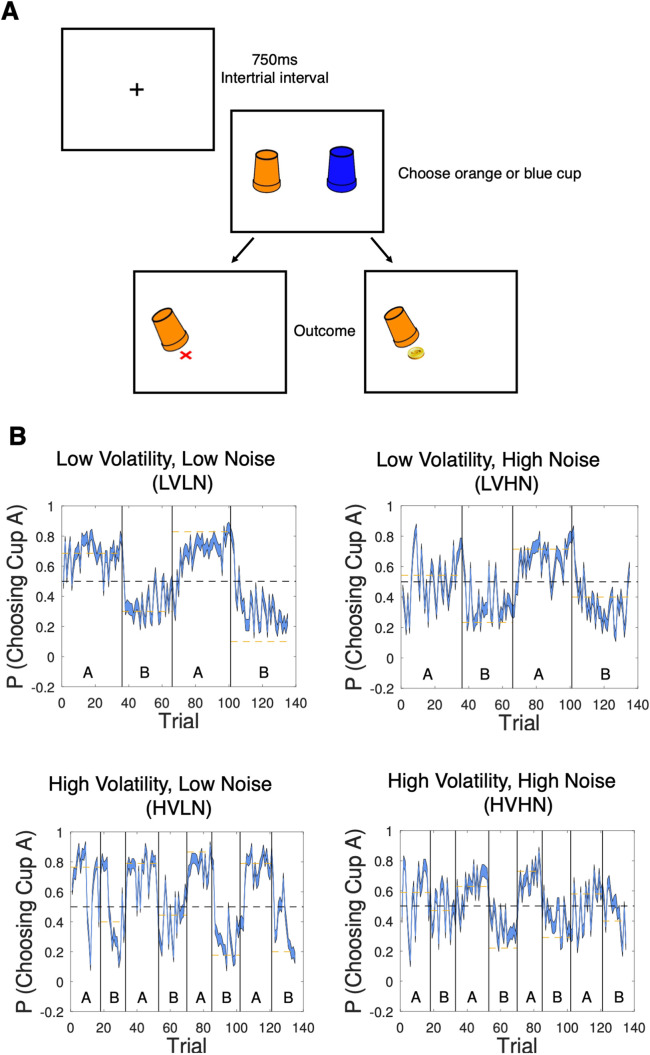 Figure 13
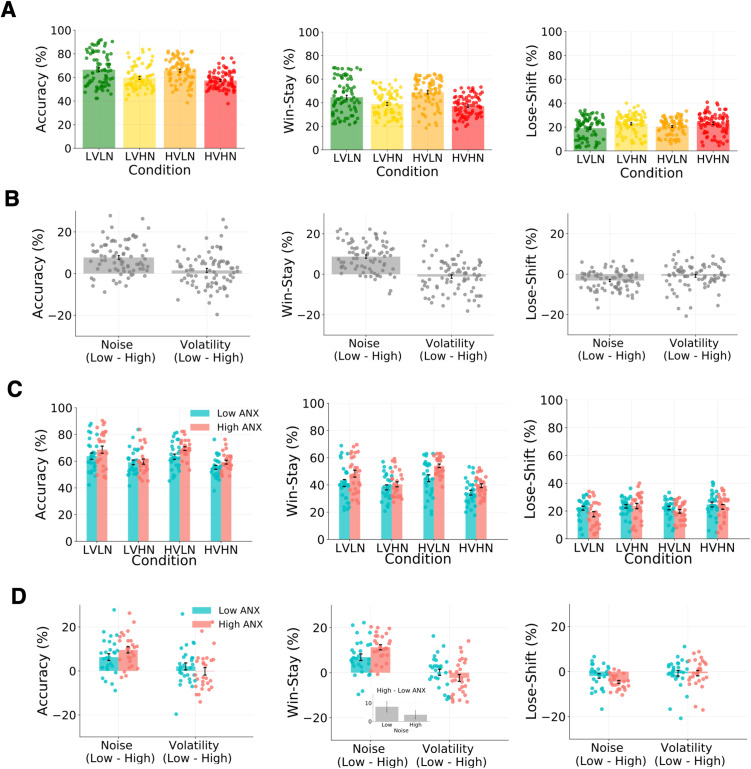 Figure 14
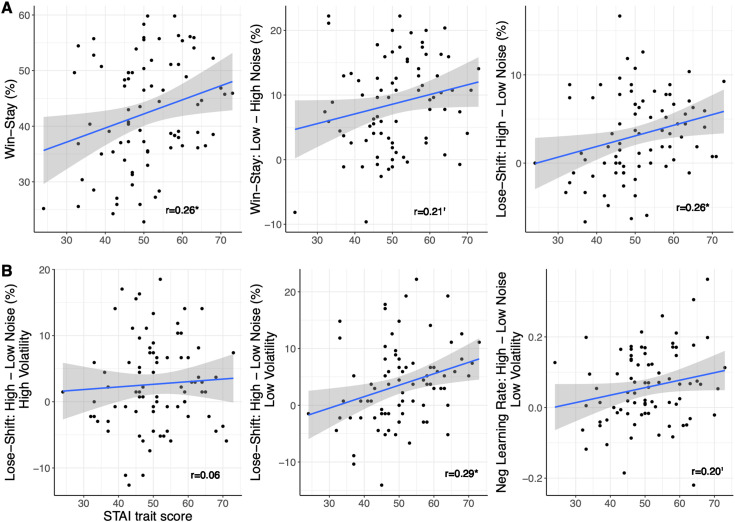 Figure 15
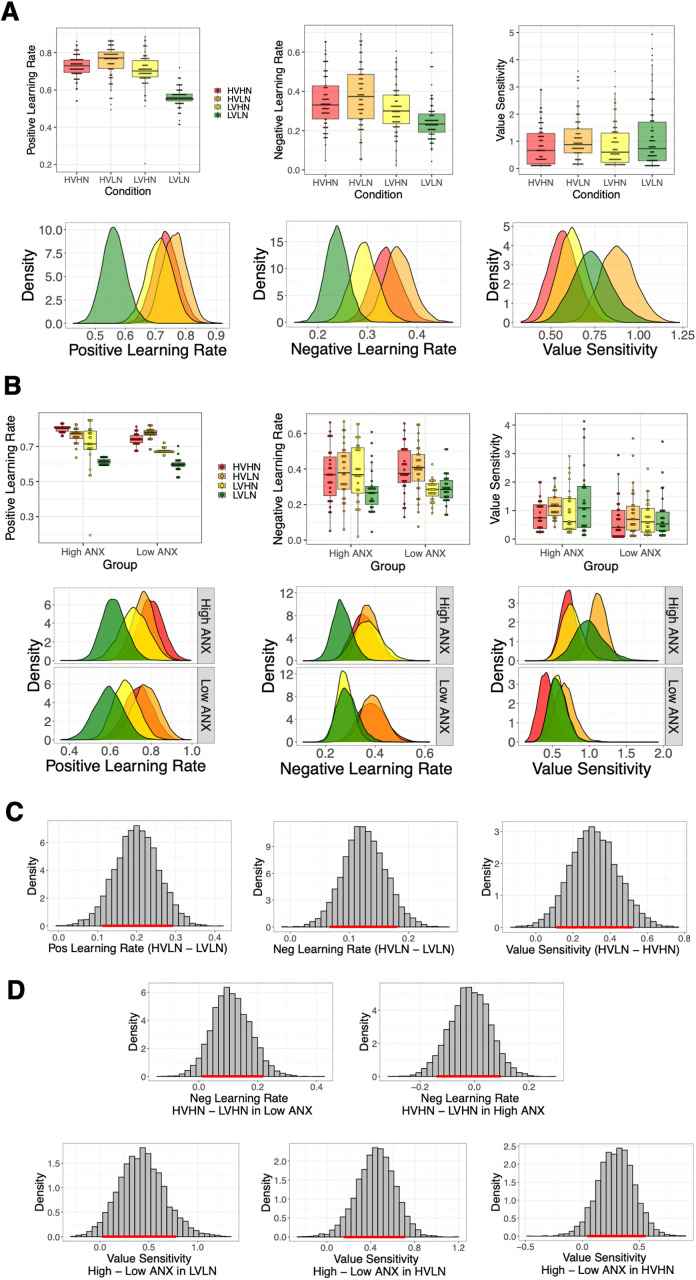 Figure 16
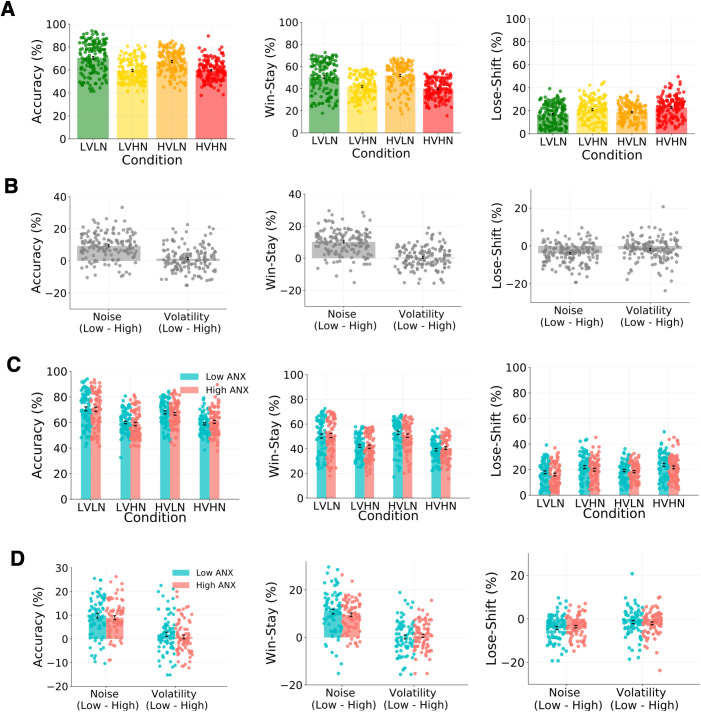 Figure 17
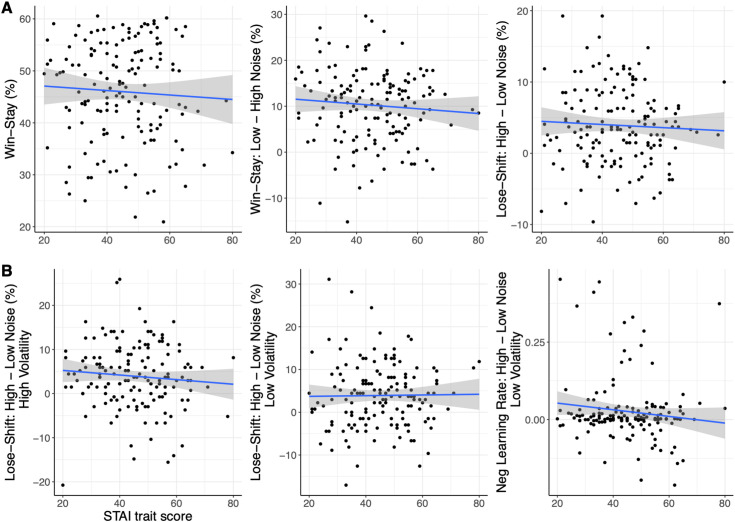 Figure 18
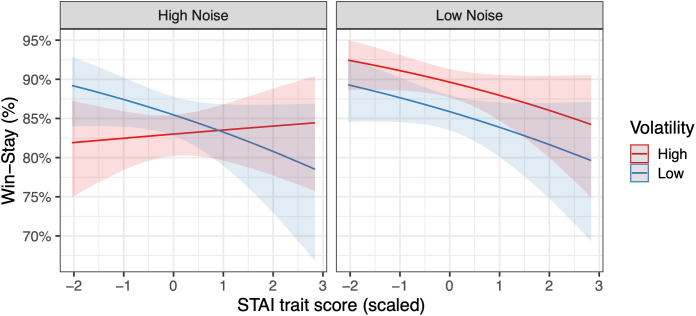 Figure 19
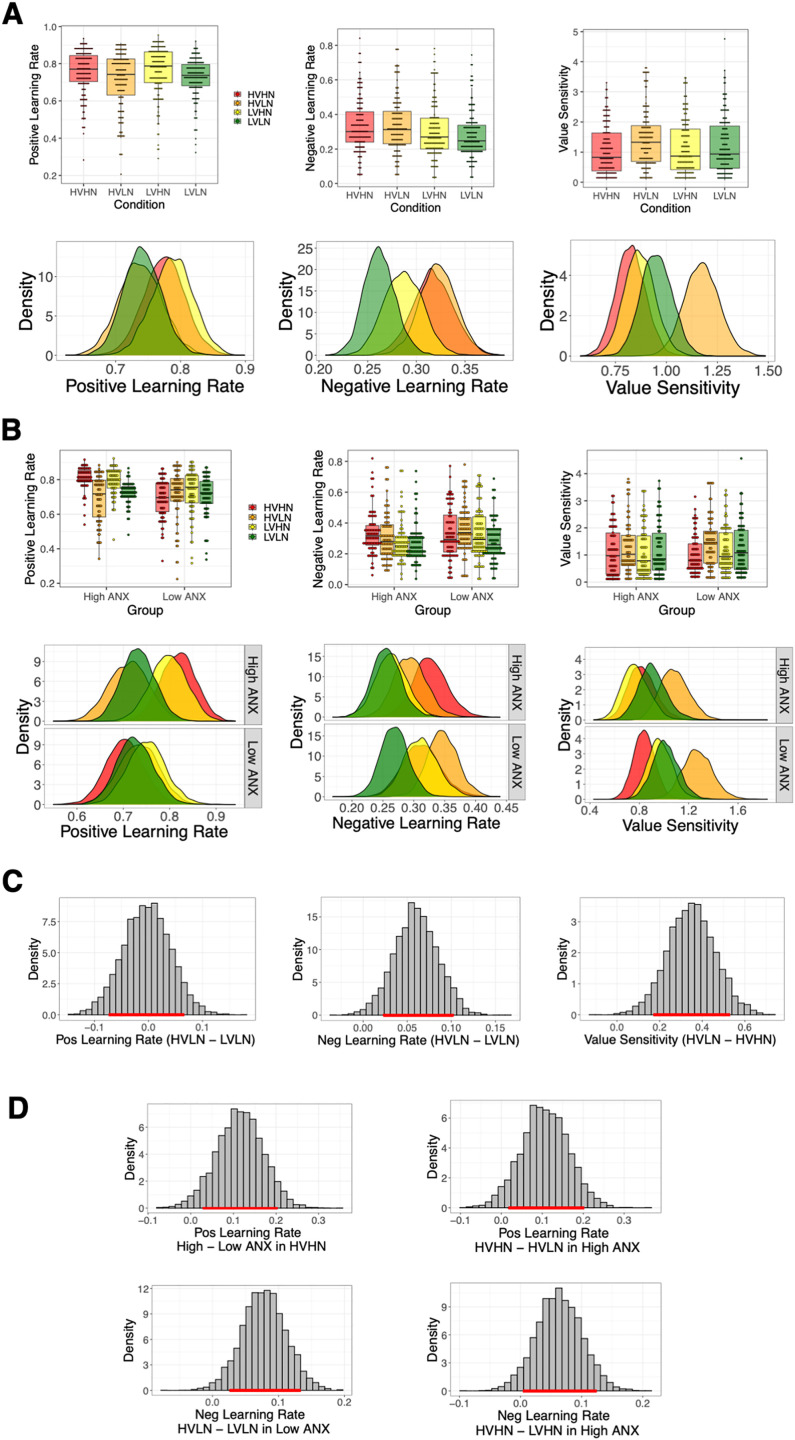 Figure 20
 Figure 21
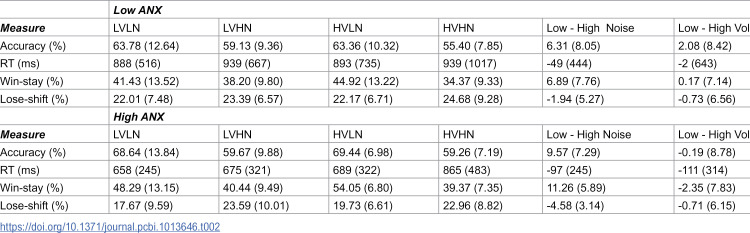 Figure 22
 Figure 23
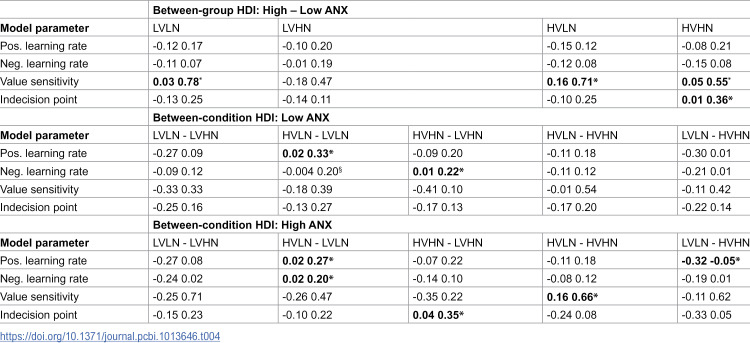 Figure 24
 Figure 25
 Figure 26
Peer Reviews
No public reviews on file for this paper yet. If you reviewed it on a platform where reviews are public (OpenReview, ICLR, NeurIPS, ICML), you can paste yours below so the community can read it here.
Videos
No videos yet. Explain this paper in a talk, walkthrough, or lecture? Add one.
Taxonomy
TopicsMemory and Neural Mechanisms · Neural and Behavioral Psychology Studies · Mind wandering and attention