Wild-type and resistance-breaking strains of tomato spotted wilt virus differentially upregulate the immunosuppressive epoxyoctadecamonoenoic acid biosynthesis of its insect vector, Frankliniella occidentalis
Niayesh Shahmohammadi, Falguni Khan, Donghee Lee, Daehong Lee, Yonggyun Kim

TL;DR
Tomato spotted wilt virus uses different strains to manipulate thrips' immune system, increasing virus spread by altering fatty acid production.
Contribution
The study reveals how resistance-breaking virus strains suppress thrips immunity more effectively than wild-type strains through NSs protein variation.
Findings
Resistance-breaking TSWV strains increase viral titers in thrips by upregulating EpOME biosynthesis genes.
PGE2 reduces viral accumulation by promoting apoptosis in thrips gut cells.
NSs protein variation modulates differential immune suppression in thrips and non-target insects like Spodoptera exigua.
Abstract
Tomato spotted wilt virus (TSWV) is a highly destructive plant pathogen transmitted by thrips, including Frankliniella occidentalis, in a circulative and propagative manner. To counter viral infections, thrips activate antiviral defences through C20 oxygenated polyunsaturated fatty acids (PUFAs), known as eicosanoids. However, at later stages of infection, C18 PUFAs, including epoxyoctadecamonoenoic acids (EpOMEs), modulate immune responses by preventing excessive and unnecessary activation. Our previous study demonstrated that TSWV elevates EpOME levels in thrips to suppress antiviral responses and enhance viral replication, with its nonstructural protein S (NSs) playing a key role in this process. In this study, we investigated the impact of NSs protein variation on vector immunity and virus–vector interactions. We assessed relative TSWV titres in thrips larvae and examined the role…
Genes, proteins, chemicals, diseases, species, mutations and cell lines named across the full text — each resolved to its canonical identifier and authoritative record.
Click any figure to enlarge with its caption.
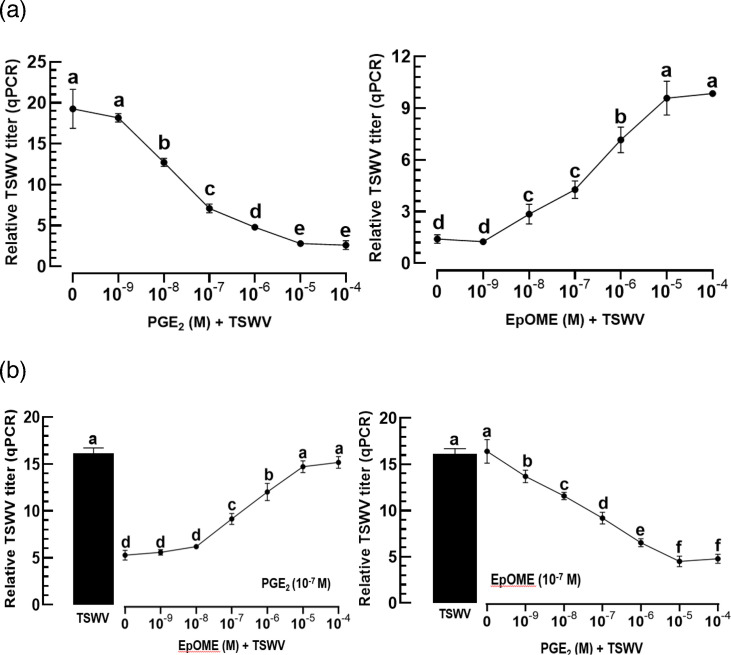 Figure 1
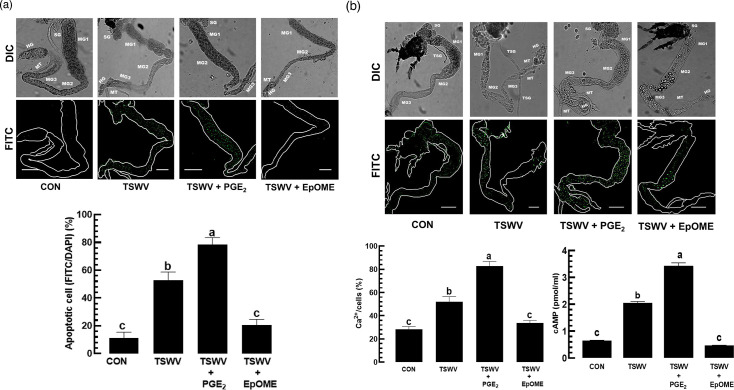 Figure 2
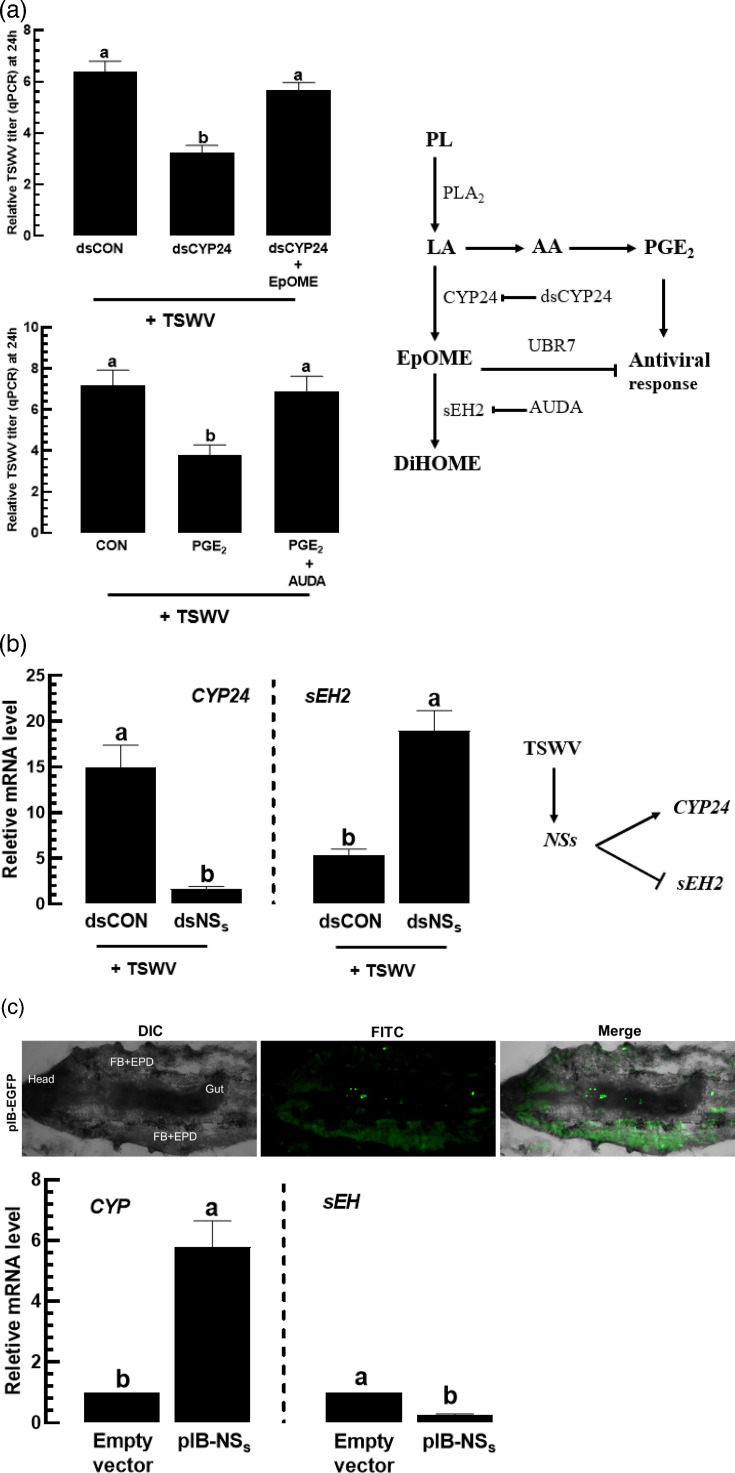 Figure 3
 Figure 4
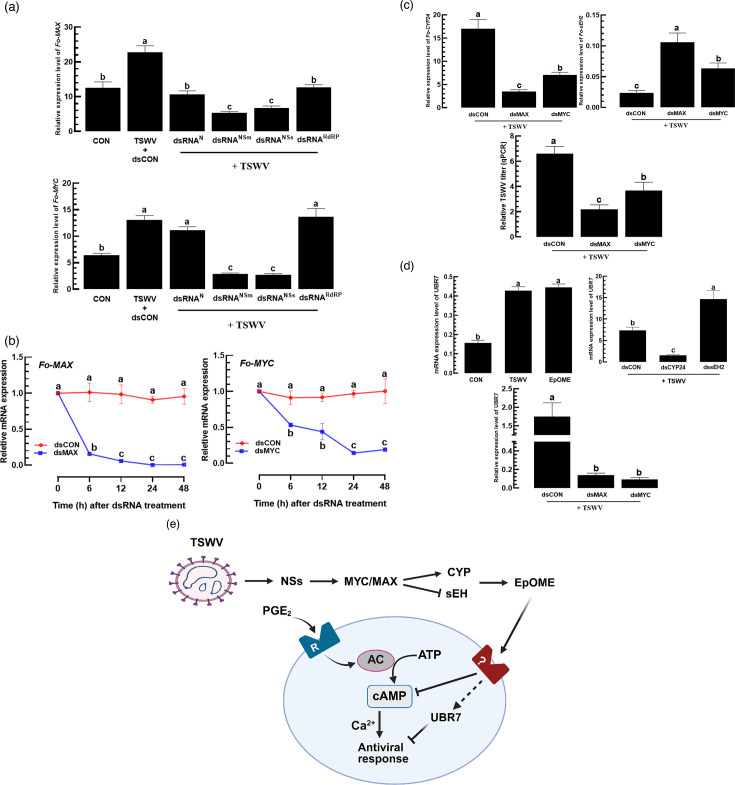 Figure 5
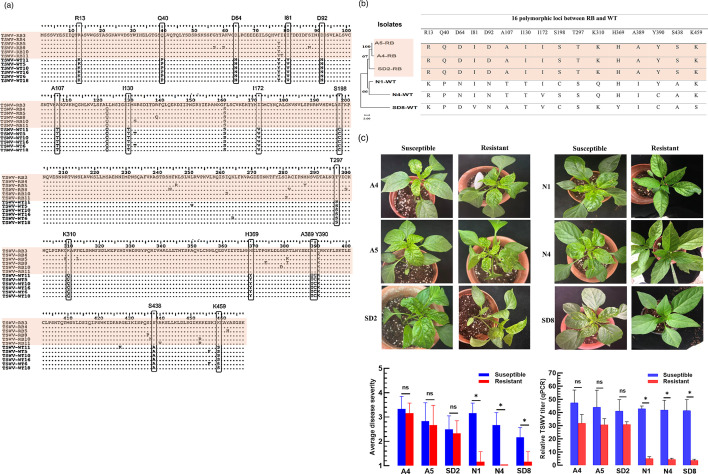 Figure 6
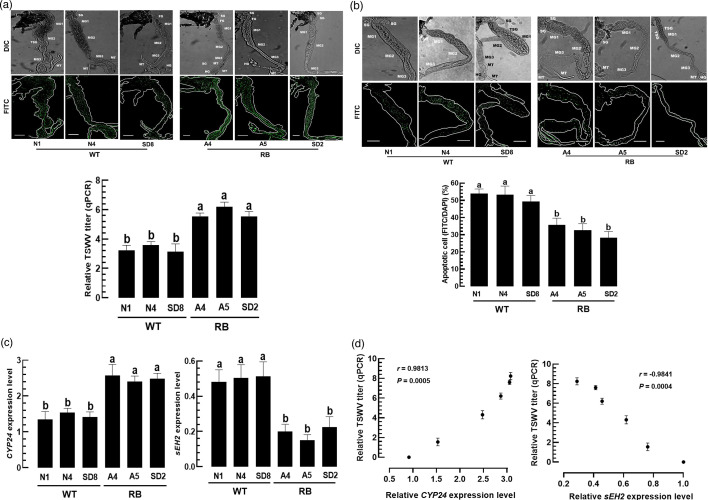 Figure 7
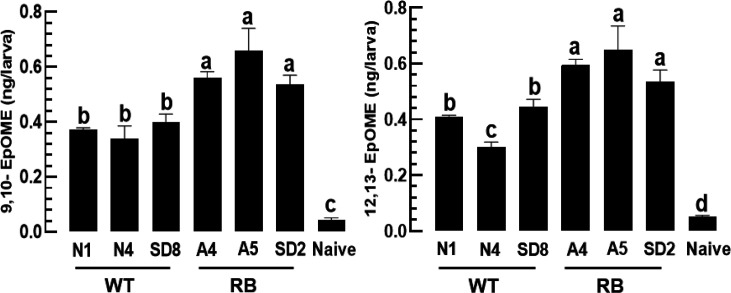 Figure 8
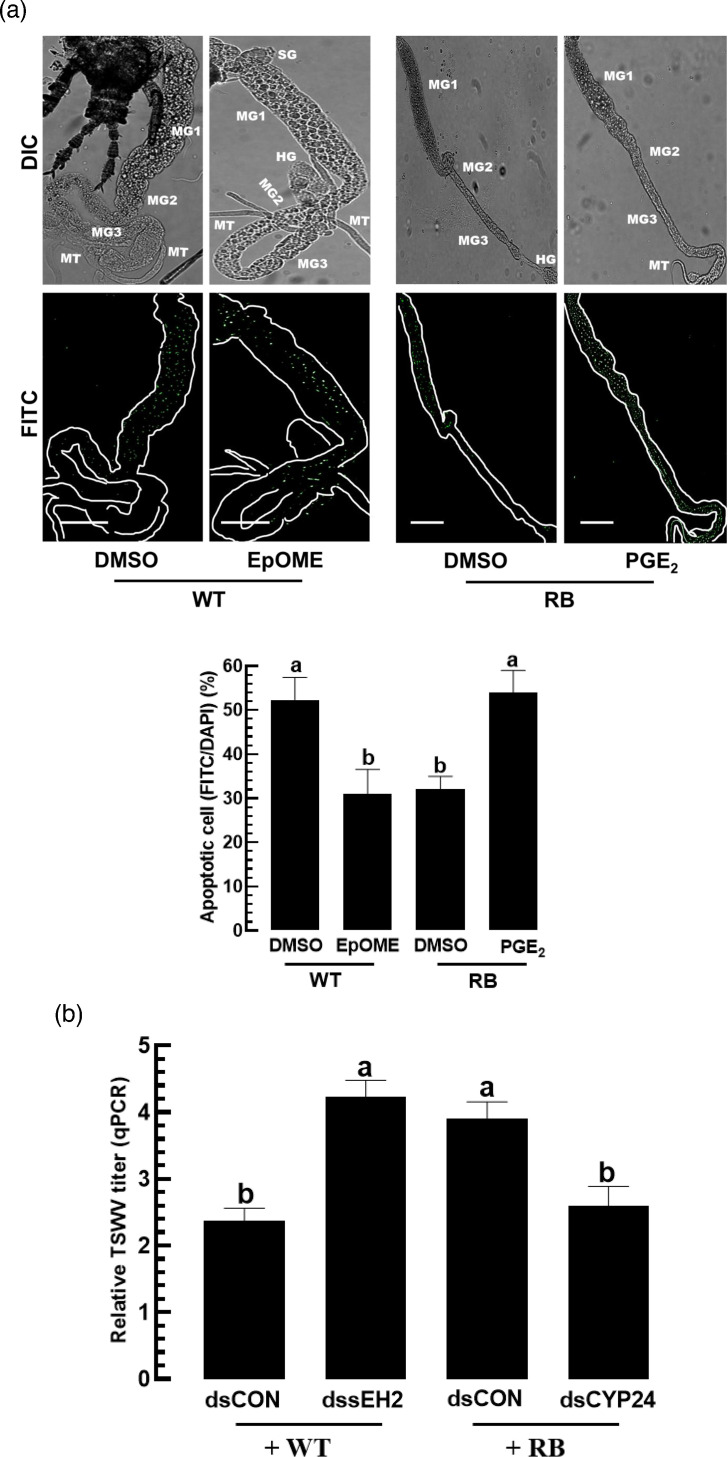 Figure 9
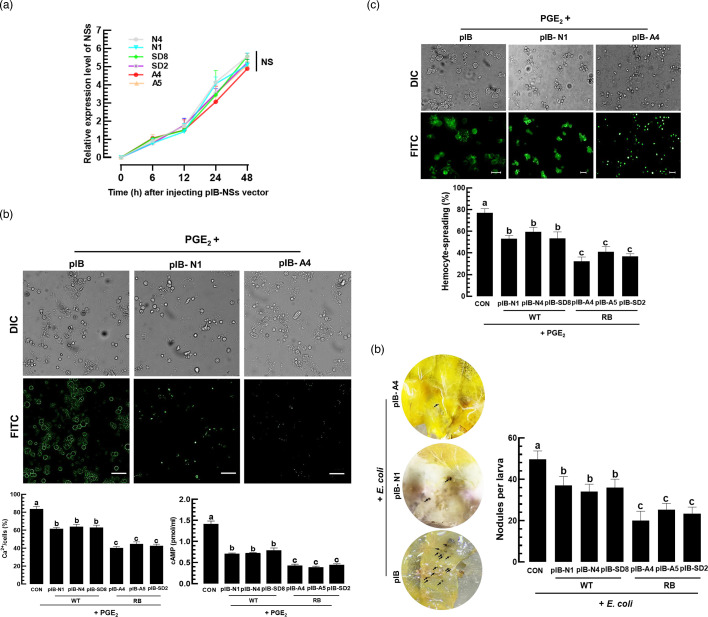 Figure 10
Peer Reviews
No public reviews on file for this paper yet. If you reviewed it on a platform where reviews are public (OpenReview, ICLR, NeurIPS, ICML), you can paste yours below so the community can read it here.
Videos
No videos yet. Explain this paper in a talk, walkthrough, or lecture? Add one.
Taxonomy
TopicsPlant Virus Research Studies · Insect-Plant Interactions and Control · Invertebrate Immune Response Mechanisms