Optimizing the in vitro production of immunomodulatory cells for the induction of tolerance in solid organ transplantation
Nils Ågren, Ming Yao, Carl Skantze, Keyvan Habibi, Bo-Göran Ericzon, Makiko Kumagai-Braesch, Xiaosheng Tan, Xiaosheng Tan, Xiaosheng Tan

TL;DR
This study develops an optimized method to generate immunomodulatory cells that could help organ transplant recipients reduce or stop immunosuppressive drugs.
Contribution
A protocol for generating donor-specific immunomodulatory cells using belatacept, RBC lysis, and specific culture conditions is optimized and validated.
Findings
RBC lysis reduces inflammation and improves DSIMC generation by increasing IL-10 and decreasing IFN-γ.
Using TexMACS medium with 1% autologous plasma and 40 μg belatacept per million cells for 14 days produces high-quality DSIMC.
Higher belatacept concentrations reduce PD-1 expression in regulatory T cells.
Abstract
Cell therapy can be utilized to induce operational tolerance following solid organ transplantation. In thi study, donor-specific immunomodulatory cells (DSIMC) are generated by co-culturing recipient peripheral blood mononuclear cells (PBMC) with irradiated donor PBMC in the presence of belatacept, a CTLA-4-IgG1 fusion protein. DSIMC promote a regulatory response to donor cells. Reinfusion of these cells into the recipient may induce donor-specific tolerance, enabling weaning or complete cessation of immunosuppression (IS). This study aims to determine optimal culture conditions for DSIMC production. DSIMC were generated by culturing PBMCs from healthy volunteers with irradiated allogeneic PBMC and belatacept. We evaluated the choice of medium, plasma supplementation, costimulation blocker concentration, and red blood cell (RBC) lysis, using automated cell counts, cytokine assays,…
Genes, proteins, chemicals, diseases, species, mutations and cell lines named across the full text — each resolved to its canonical identifier and authoritative record.
Click any figure to enlarge with its caption.
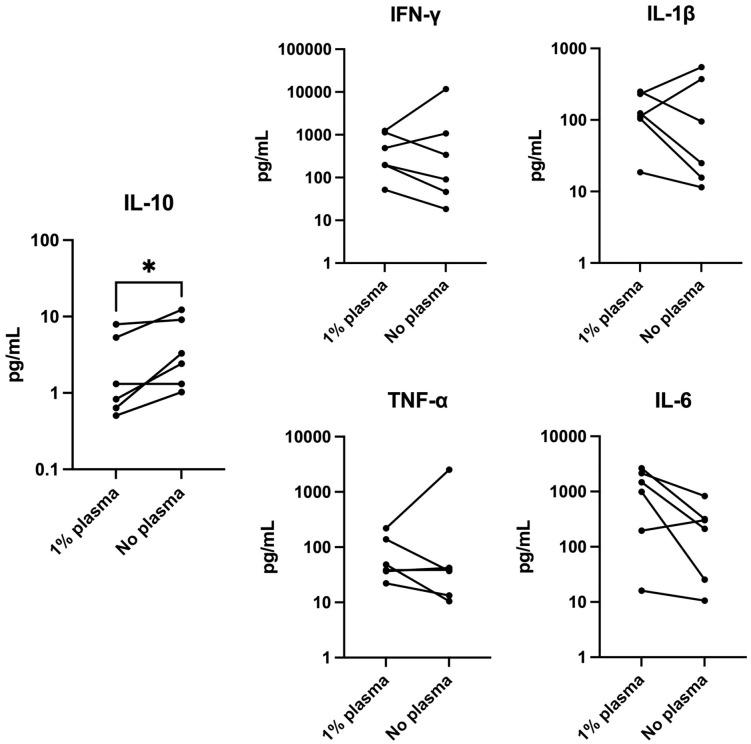 Figure 1
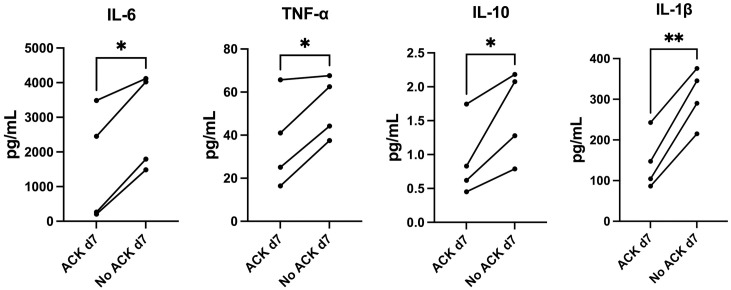 Figure 2
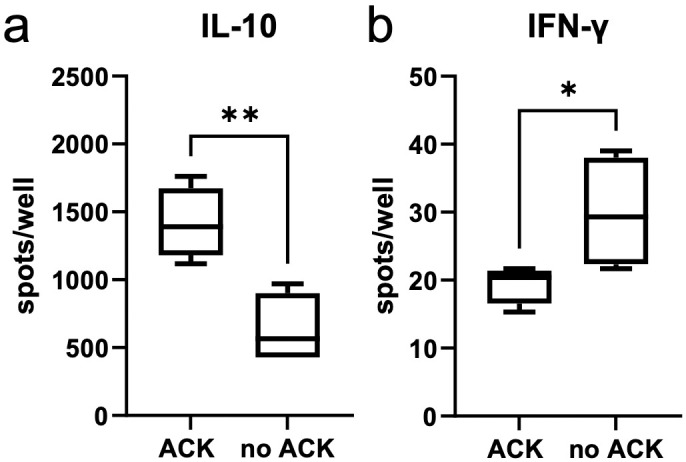 Figure 3
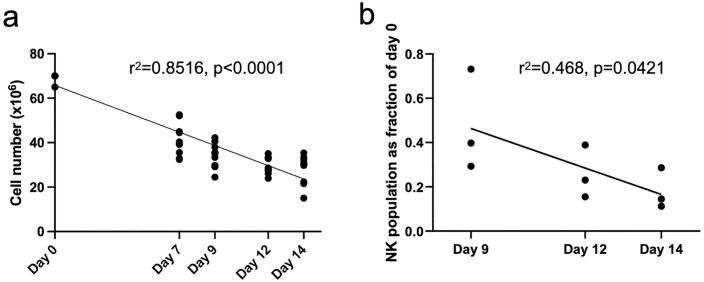 Figure 4
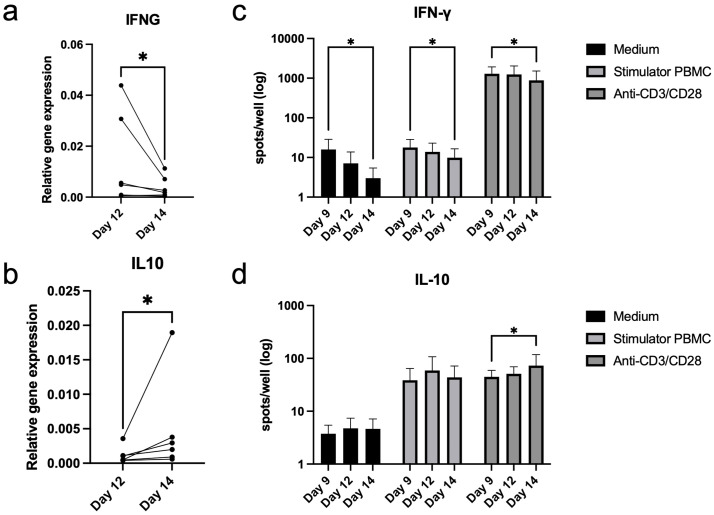 Figure 5
 Figure 6
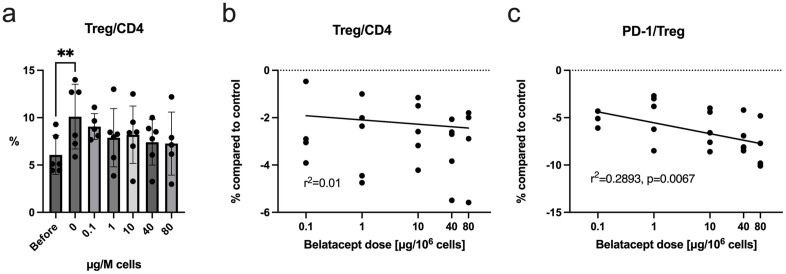 Figure 7
 Figure 8
Peer Reviews
No public reviews on file for this paper yet. If you reviewed it on a platform where reviews are public (OpenReview, ICLR, NeurIPS, ICML), you can paste yours below so the community can read it here.
Videos
No videos yet. Explain this paper in a talk, walkthrough, or lecture? Add one.
Taxonomy
TopicsXenotransplantation and immune response · Organ and Tissue Transplantation Research · Pancreatic function and diabetes