Exploring proxies for occupation intensity in hunter-gatherer settlement systems: A combination of ethnohistoric and archaeological data
Amy E. Clark, Guadalupe Sánchez Miranda, Neftalí López-Pérez, Antonio López-Rivera, Tamara Luna, Astrid Avilés, Richard Martynec, Sandra Martynec, Natalia Martínez-Tagüeña, Matthew Pailes, Briggs Buchanan, Briggs Buchanan, Briggs Buchanan

TL;DR
This paper explores how to measure how intensely hunter-gatherer groups used settlement sites by combining historical and archaeological data.
Contribution
The study introduces a new method to assess site reuse in hunter-gatherer systems and challenges traditional assumptions about settlement patterns.
Findings
Logistically mobile systems with reused sites create distinct patterns different from residentially mobile systems.
A new measure helps identify the relative magnitude of site reuse in settlement data.
Anomalous proxy relationships reveal unique settlement components and social negotiations in landscape use.
Abstract
A primary concern for hunter-gatherer archaeology is whether occupation intensity can be broken down into its constituent components: group size, length of stay(s), and frequency of reoccupation. This article contributes to this discussion with settlement pattern data from the traditional homeland of the Hia-Ced O’odham. We employ multiple material proxies of occupation intensity in addition to site area. Our approach highlights that patterns produced by logistically mobile systems with significant levels of site reuse present unique obstacles that contrast with the residentially mobile systems that underpin much current discussion and most ethnographic baselines. We provide one simple measure for identifying the relative magnitude of site reuse in settlement pattern data. Our multiple proxy landscape scale analysis also allows us to move beyond broad characterizations of economic…
Genes, proteins, chemicals, diseases, species, mutations and cell lines named across the full text — each resolved to its canonical identifier and authoritative record.
Click any figure to enlarge with its caption.
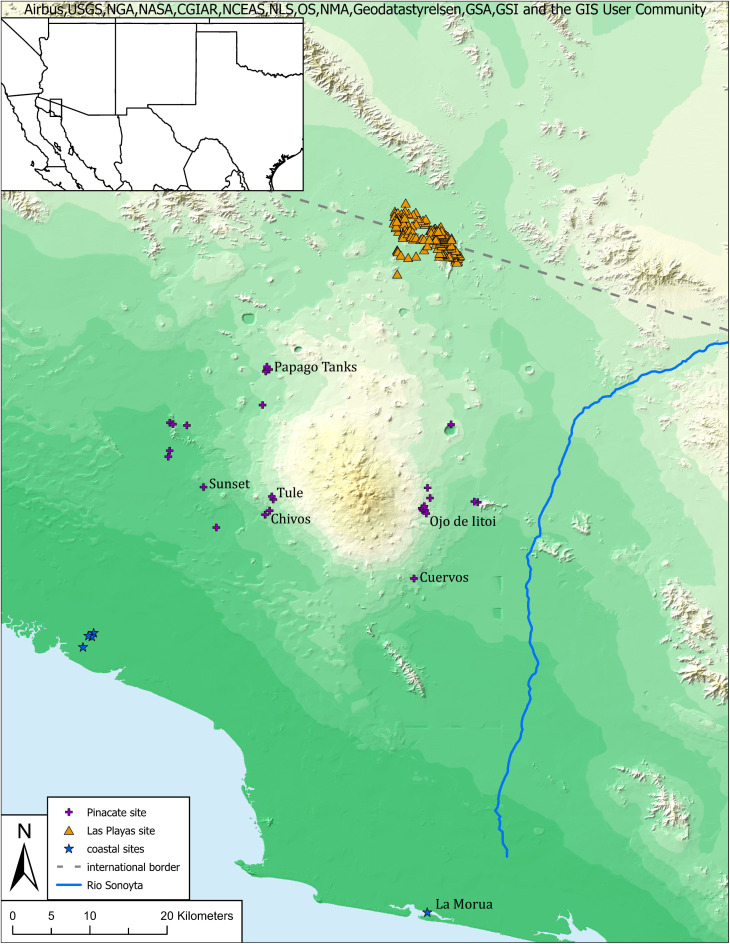 Figure 1
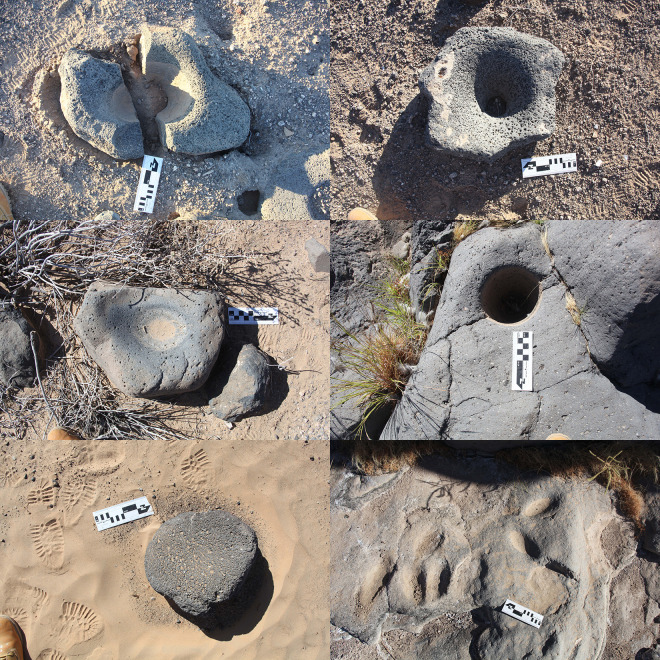 Figure 2
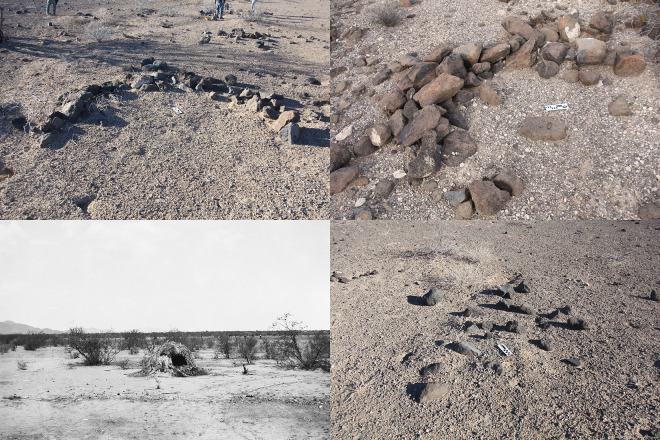 Figure 3
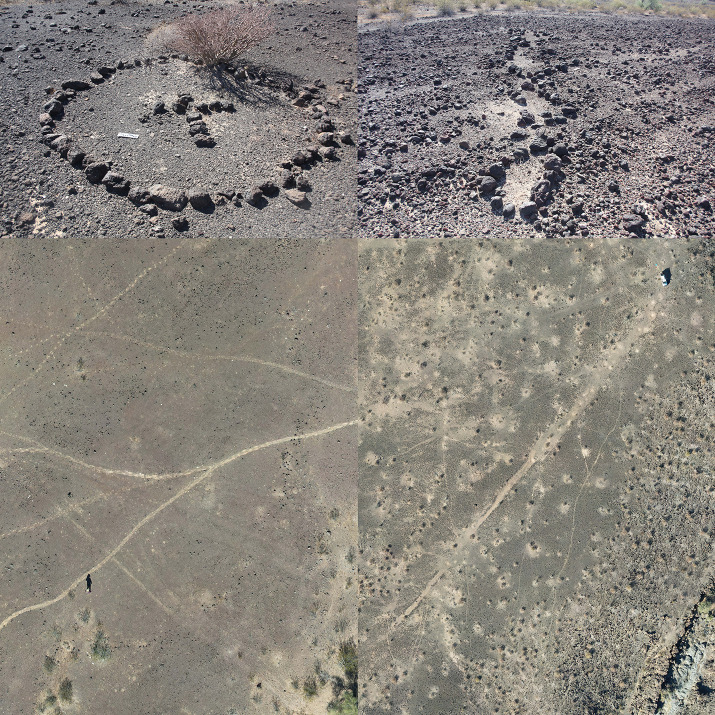 Figure 4
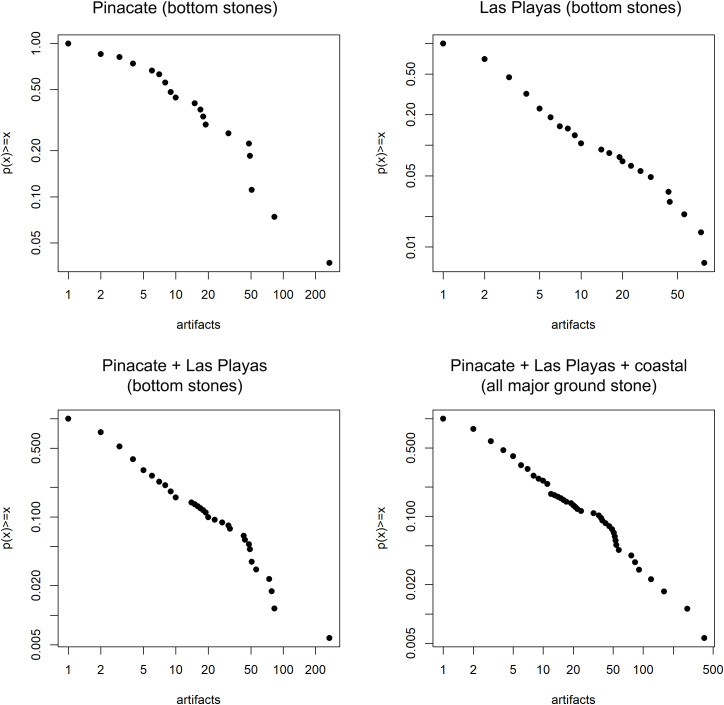 Figure 5
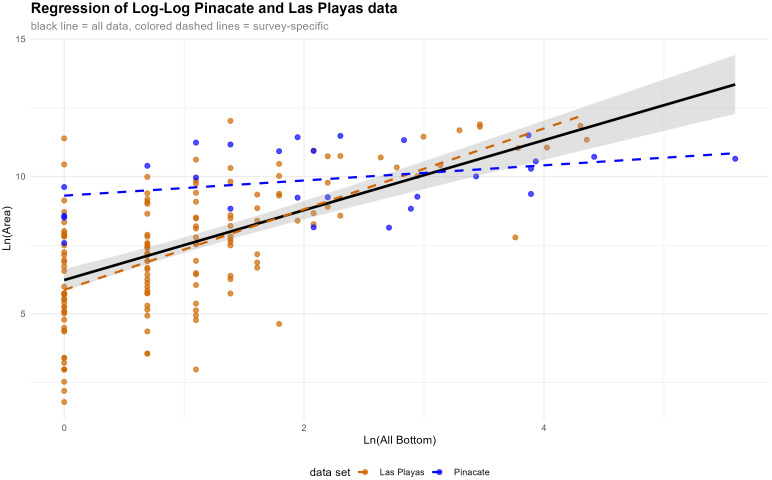 Figure 6
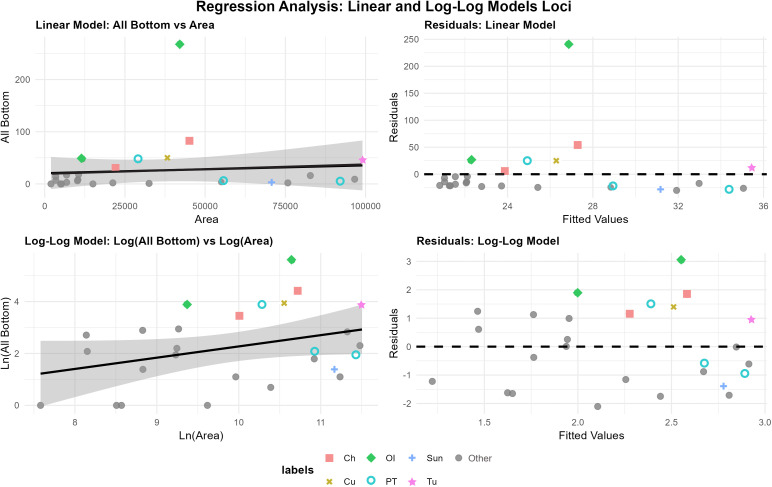 Figure 7
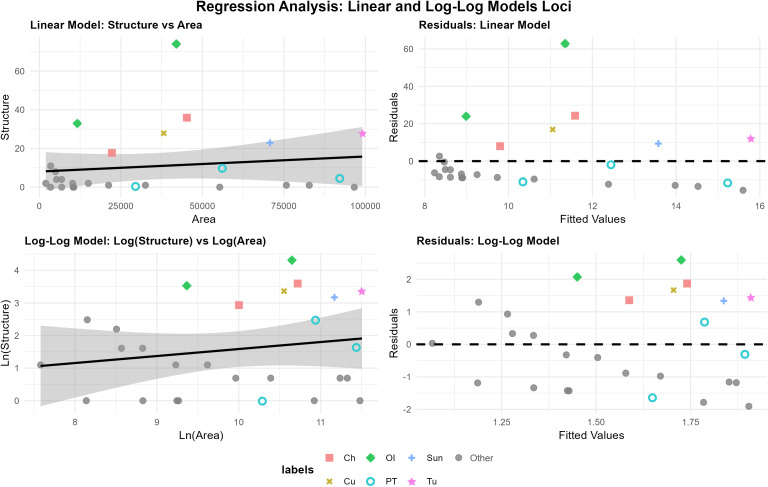 Figure 8
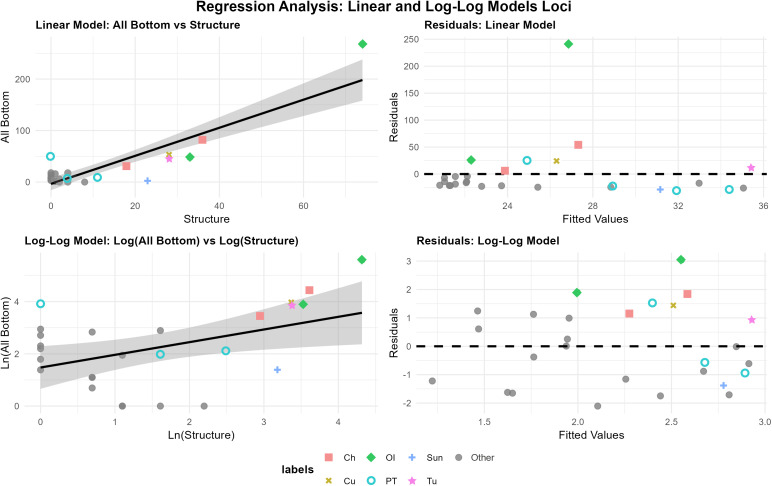 Figure 9
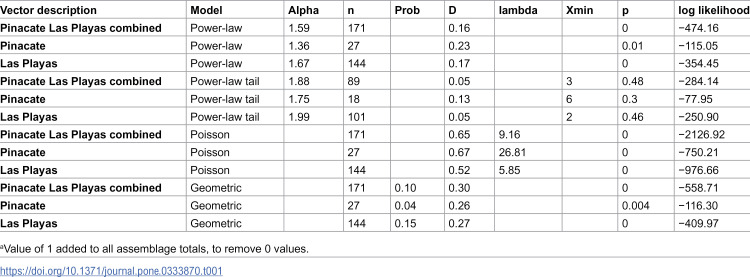 Figure 10
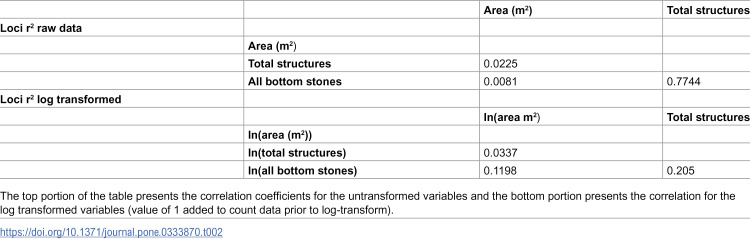 Figure 11
Peer Reviews
No public reviews on file for this paper yet. If you reviewed it on a platform where reviews are public (OpenReview, ICLR, NeurIPS, ICML), you can paste yours below so the community can read it here.
Videos
No videos yet. Explain this paper in a talk, walkthrough, or lecture? Add one.
Taxonomy
TopicsArchaeology and ancient environmental studies · Pleistocene-Era Hominins and Archaeology · Archaeology and Rock Art Studies