Suspected Fat Embolism Syndrome in the Setting of Ballistic Long Bone Fractures: A Case Report
Irfan Husain, Danielle Andrews

TL;DR
A 22-year-old woman with gunshot-related long bone fractures showed signs of fat embolism syndrome and improved with supportive care.
Contribution
Highlights FES presentation in ballistic fractures and emphasizes timely recognition for effective supportive care.
Findings
Patient with ballistic long bone fractures showed hypoxia consistent with FES despite no thoracic injury.
Supportive care including oxygen and monitoring led to patient improvement and stable discharge.
Emergency physicians should recognize non-classic FES symptoms for timely intervention.
Abstract
Fat embolism syndrome (FES) is a rare, life-threatening condition most seen in traumatic orthopedic injuries, especially long bone fractures. Classically, FES presents with hypoxemia, neurological abnormalities, or a petechial rash; however, clinical findings can extend beyond this classic triad. Since FES is a clinical diagnosis, emergency physicians must recognize both classic and subtle presentations. A 22-year-old female presented as a transfer from an outside hospital for multiple long bone fractures secondary to gunshot wounds. Upon arrival, she was found to be hypoxic, despite no signs of thoracic injury on exam or initial imaging. Her presentation, laboratory findings, and repeat imaging were consistent with FES. She was given supportive care through supplemental oxygen and close monitoring. She improved with supportive care and was discharged home in stable condition.…
Genes, proteins, chemicals, diseases, species, mutations and cell lines named across the full text — each resolved to its canonical identifier and authoritative record.
Click any figure to enlarge with its caption.
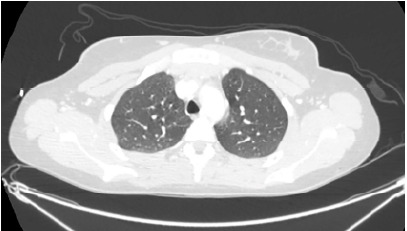 Figure 1
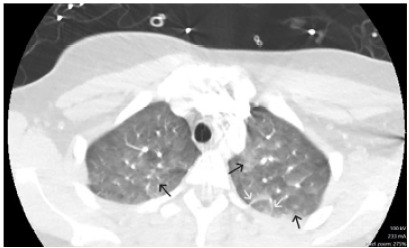 Figure 2
Peer Reviews
No public reviews on file for this paper yet. If you reviewed it on a platform where reviews are public (OpenReview, ICLR, NeurIPS, ICML), you can paste yours below so the community can read it here.
Videos
No videos yet. Explain this paper in a talk, walkthrough, or lecture? Add one.
Taxonomy
TopicsBone fractures and treatments · Autopsy Techniques and Outcomes