Peptide-MHC–targeted retroviruses enable in vivo expansion and gene delivery to tumor-specific T cells
Ellen J. K. Xu, Blake E. Smith, Winiffer D. Conce Alberto, Michael J. Walsh, Birkley Lim, Megan T. Hoffman, Li Qiang, Ariana Barreiro, Emma N. Finburgh, Jiayi Dong, Andrea Garmilla, Qingyang Henry Zhao, Caleb R. Perez, Stephanie A. Gaglione, Connor S. Dobson, Michael Dougan

TL;DR
Scientists developed a new method using virus-like particles to target and enhance tumor-fighting T cells directly in the body, potentially improving cancer treatments.
Contribution
A novel strategy using peptide-MHC-targeted retroviruses for in vivo activation and gene delivery to tumor-specific CD8 T cells is introduced.
Findings
pMHC-targeted viruses deliver function-enhancing cargos to CD8 T cells and activate them.
In vivo engineering of tumor-specific T cells using these viruses improves overall survival in mouse models.
The method enables efficient reprogramming and expansion of tumor-specific T cells directly in the body.
Abstract
Tumor-infiltrating lymphocyte (TIL) therapy has demonstrated that endogenous T cells can be harnessed to initiate effective antitumor responses. Despite clinical promise, current TIL production protocols involve weeks-long ex vivo expansions that can affect treatment efficacy. Therefore, additional tools are needed to engineer TILs to have increased potency while mitigating manufacturing challenges. Here, we present a strategy for pseudotyping retroviruses with peptide–major histocompatibility complexes (pMHCs) for antigen-specific gene delivery to CD8 T cells and validate therapeutic impact in immunocompetent mouse models. We demonstrate that pMHC-targeted viruses specifically deliver function-enhancing cargos while simultaneously activating and expanding antitumor T cells. This targeting precision enables in vivo engineering of tumor-specific T cells, resulting in improved overall…
Genes, proteins, chemicals, diseases, species, mutations and cell lines named across the full text — each resolved to its canonical identifier and authoritative record.
Click any figure to enlarge with its caption.
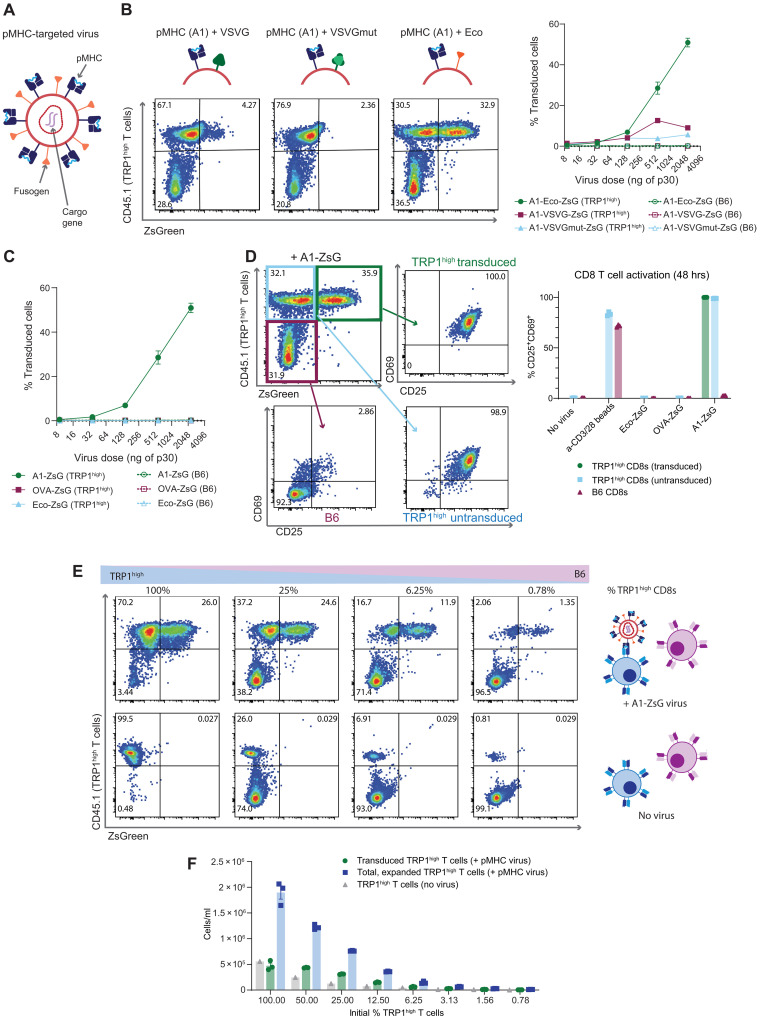 Figure 1
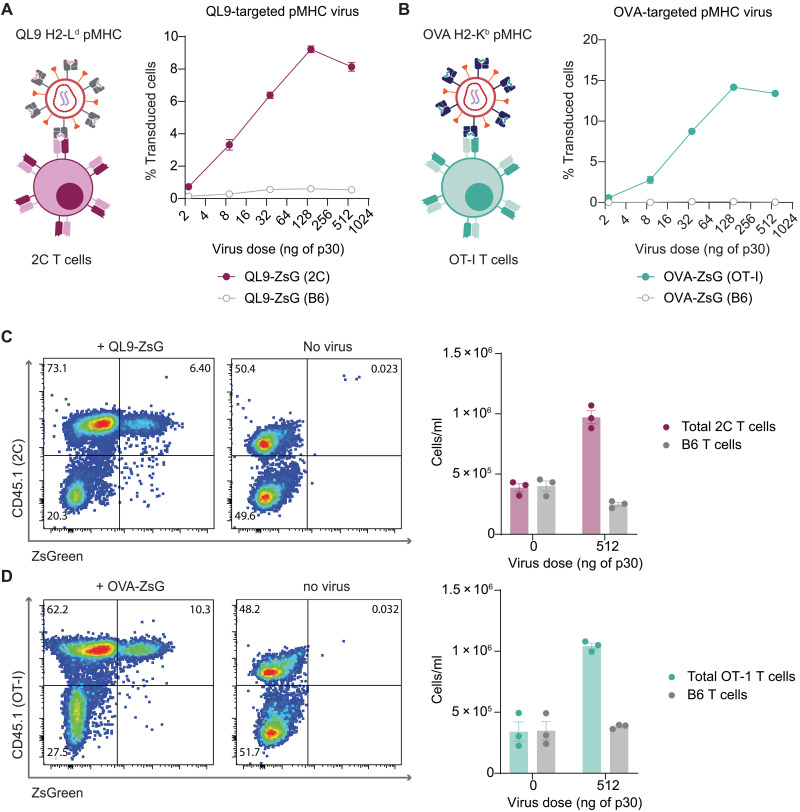 Figure 2
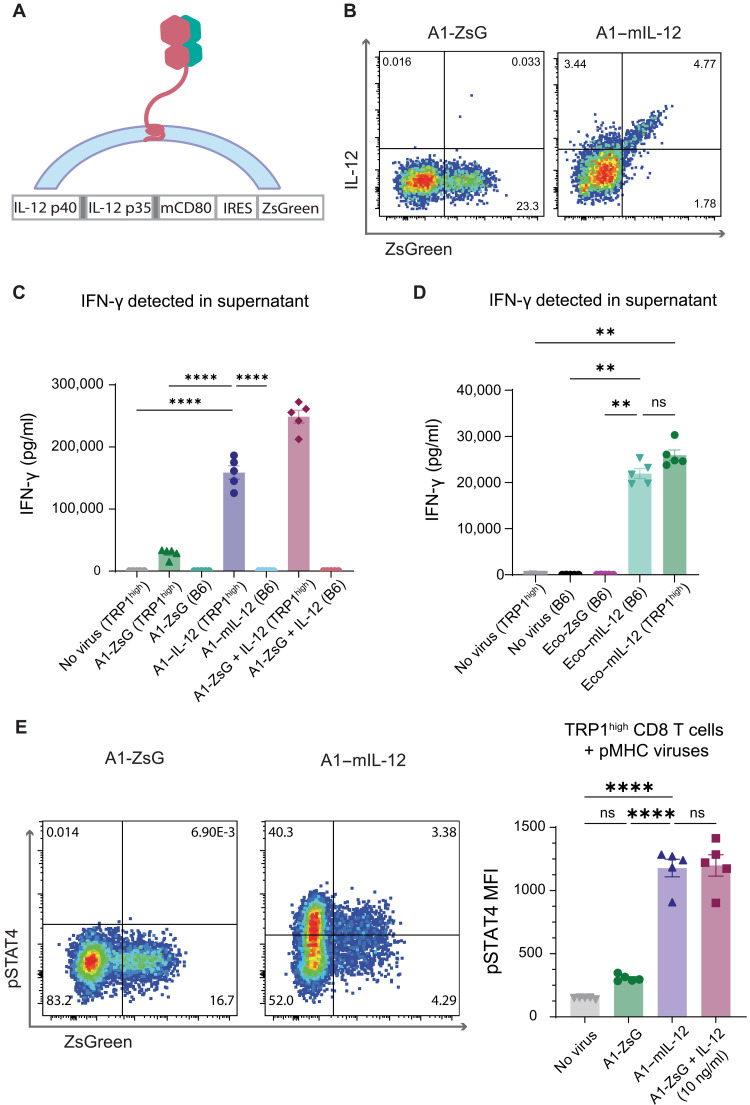 Figure 3
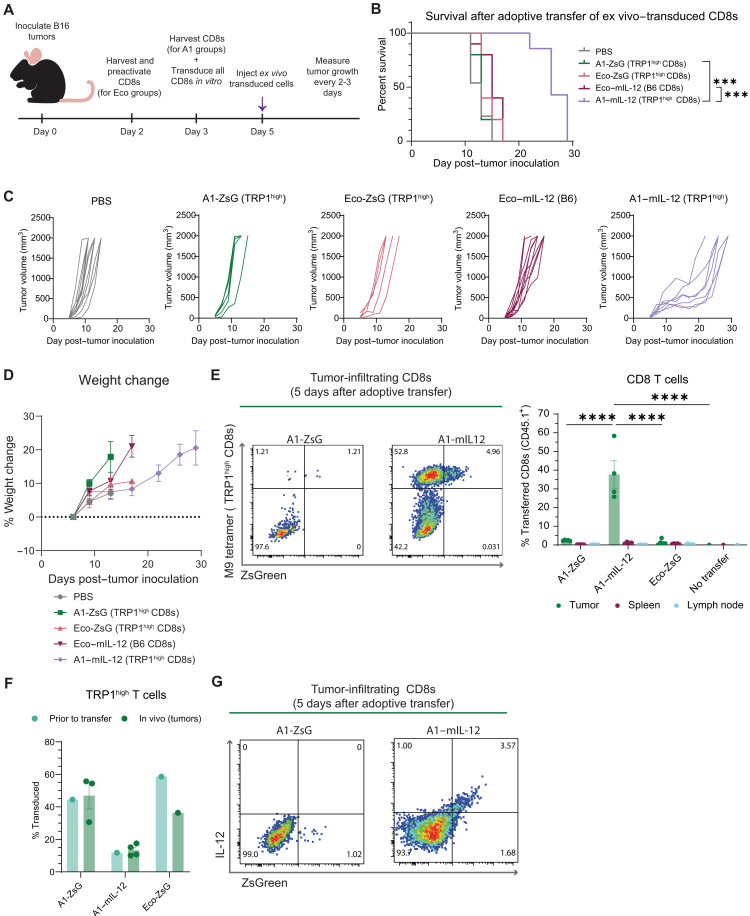 Figure 4
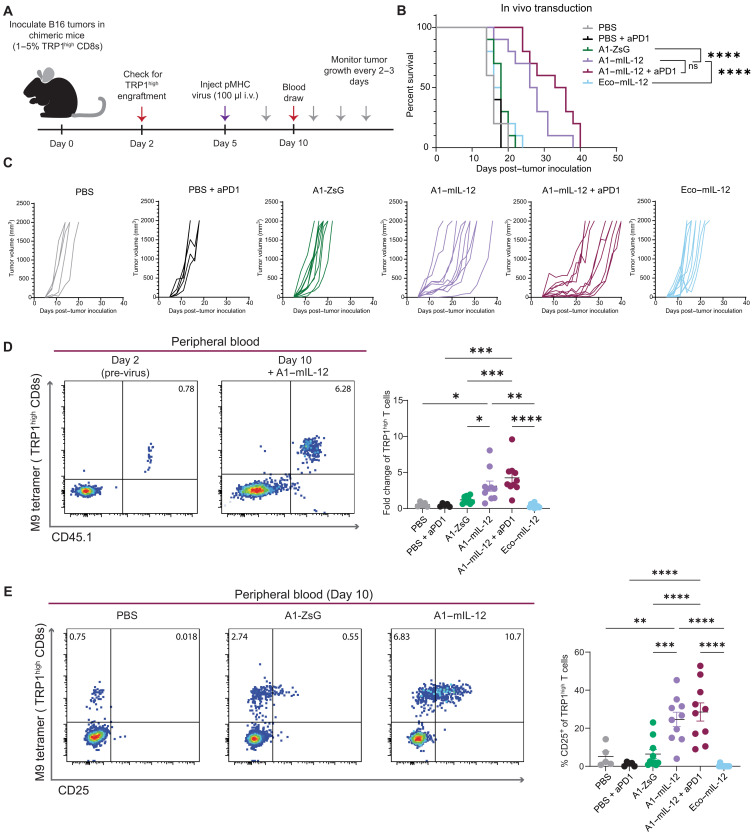 Figure 5
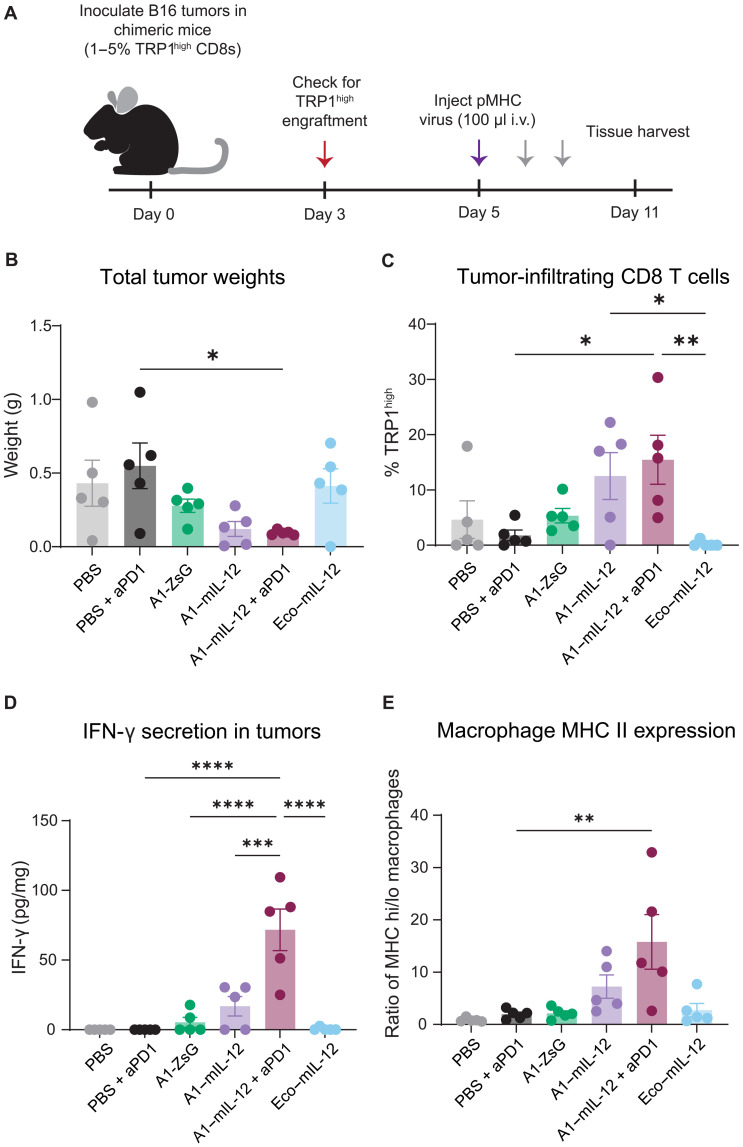 Figure 6
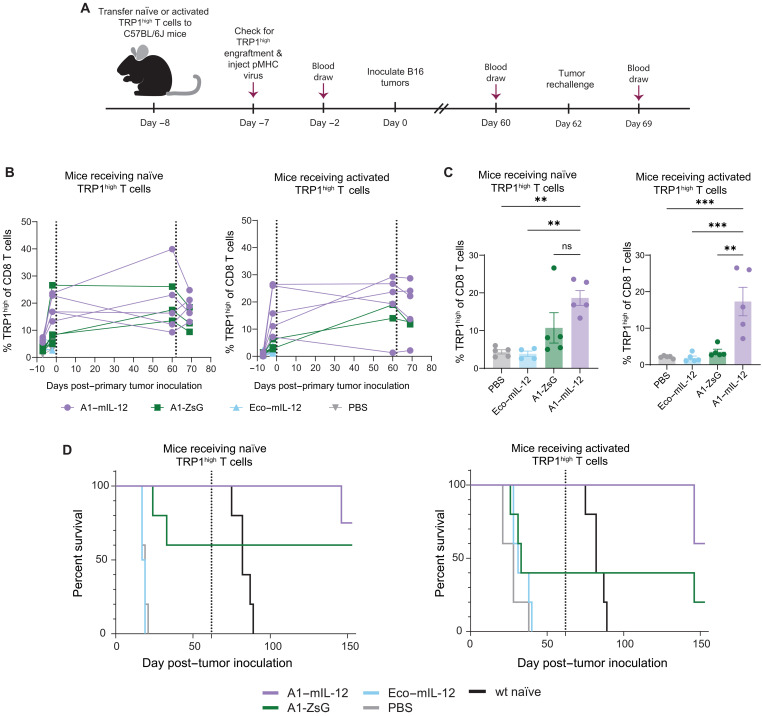 Figure 7
Peer Reviews
No public reviews on file for this paper yet. If you reviewed it on a platform where reviews are public (OpenReview, ICLR, NeurIPS, ICML), you can paste yours below so the community can read it here.
Videos
No videos yet. Explain this paper in a talk, walkthrough, or lecture? Add one.
Taxonomy
TopicsVirus-based gene therapy research · CAR-T cell therapy research · Immunotherapy and Immune Responses