Elusive Gastrointestinal Bleeding: A Rare Case of Venous Hemosuccus Pancreaticus
Rohan Karkra, Muhammad Hassaan A Maan, Ritik M Goyal, Sima Vossough-Teehan

TL;DR
A rare case of venous bleeding from the pancreas, caused by cancer, is described in a 68-year-old man.
Contribution
Presentation of a rare case of venous hemosuccus pancreaticus caused by pancreatic adenocarcinoma.
Findings
Bleeding originated from the ampulla of Vater and was determined to be venous in nature.
The case was secondary to newly diagnosed pancreatic adenocarcinoma, not chronic pancreatitis.
Management included CT angiography and embolization of the bleeding vessel.
Abstract
Hemosuccus pancreaticus is a rare but potentially life-threatening cause of intermittent upper gastrointestinal bleeding, characterized by hemorrhage from the pancreatic duct into the duodenum. Most cases are secondary to chronic pancreatitis and rupture of visceral artery pseudoaneurysms, particularly the splenic artery. Management typically involves CT angiography with embolization of the bleeding vessel. We describe the case of a 68-year-old male found to have spontaneous bleeding from the ampulla of Vater, later determined to be of venous origin secondary to newly diagnosed pancreatic adenocarcinoma.
Genes, proteins, chemicals, diseases, species, mutations and cell lines named across the full text — each resolved to its canonical identifier and authoritative record.
Click any figure to enlarge with its caption.
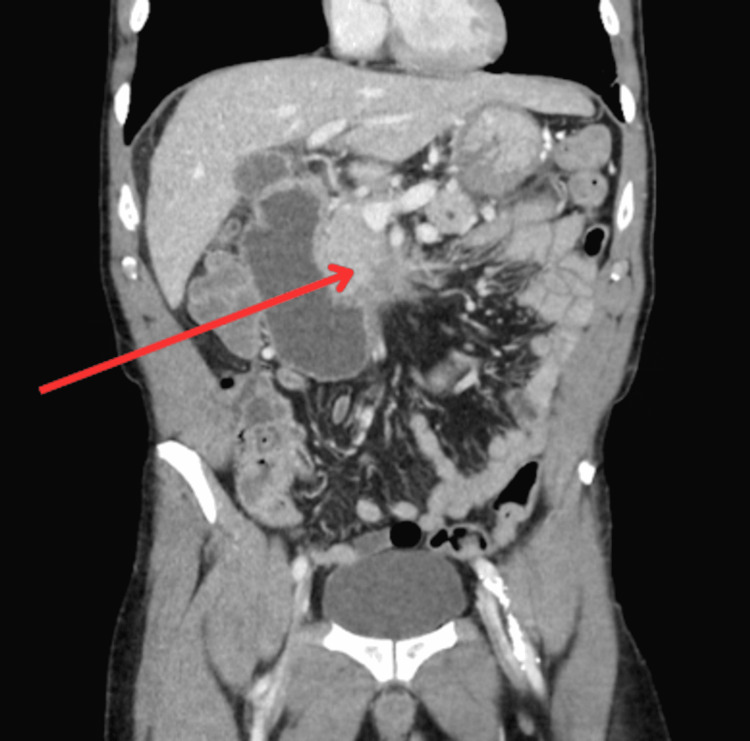 Figure 1
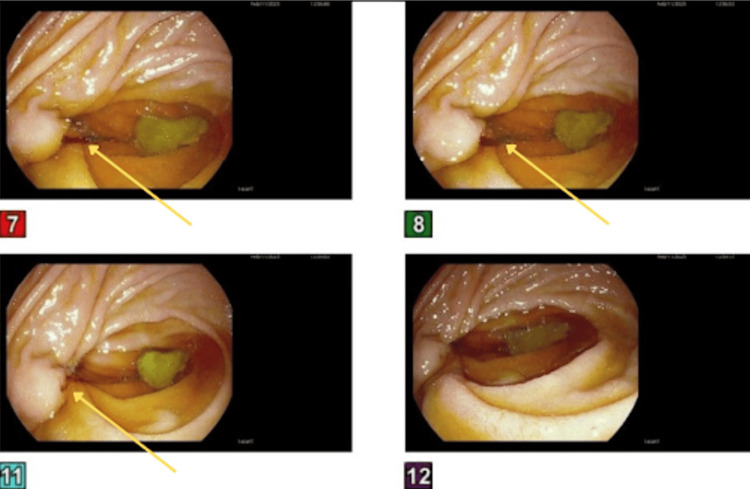 Figure 2
Peer Reviews
No public reviews on file for this paper yet. If you reviewed it on a platform where reviews are public (OpenReview, ICLR, NeurIPS, ICML), you can paste yours below so the community can read it here.
Videos
No videos yet. Explain this paper in a talk, walkthrough, or lecture? Add one.
Taxonomy
TopicsAbdominal vascular conditions and treatments · Gastrointestinal Bleeding Diagnosis and Treatment · Liver Disease and Transplantation