Integration of Mesoporous Copper Coordination Polymer in Electrochemical Platform for Detection of Fluoroquinolone Antibiotic in Biological and Food Samples
Iare S. Ribeiro, Tatianny de A. Andrade, Tiago A. Silva, Jemmyson R. de Jesus

TL;DR
A new electrochemical sensor using a copper coordination polymer was developed to detect fluoroquinolone antibiotics in biological and food samples, offering high accuracy and sensitivity.
Contribution
The novel contribution is the development of a copper-based coordination polymer sensor for detecting ciprofloxacin in complex matrices like urine and egg samples.
Findings
The sensor showed excellent linearity (R² = 0.992) and recoveries between 78-108% for ciprofloxacin detection.
The detection limits were 0.5 μmol L⁻¹ in synthetic urine and 3.0 μmol L⁻¹ in egg samples.
The sensor demonstrated high sensitivity and accuracy, suitable for real-world food and biological sample monitoring.
Abstract
Antibiotics are indispensable in both human and veterinary medicine. However, their extensive and indiscriminate use has raised serious environmental and public health concerns, particularly regarding the emergence of antibiotic-resistant bacteria. In this context, continuous monitoring of broad-spectrum antibiotics, such as fluoroquinolone class, is essential. This study reports the development of an electrochemical sensor based on a copper-based coordination polymer, [Cu(C8H4O4)] n /CPE, for the detection of fluoroquinolone antibiotic (ciprofloxacin, CIP) in synthetic urine and egg samples. [Cu(C8H4O4)] n was synthesized via a solvothermal method, employing 1,4-benzenedicarboxylic acid as the organic ligand and copper salt as the metal source. The material was characterized by Fourier transform infrared spectroscopy (FT-IR), X-ray diffraction (XRD), scanning electron microscopy…
Genes, proteins, chemicals, diseases, species, mutations and cell lines named across the full text — each resolved to its canonical identifier and authoritative record.
Click any figure to enlarge with its caption.
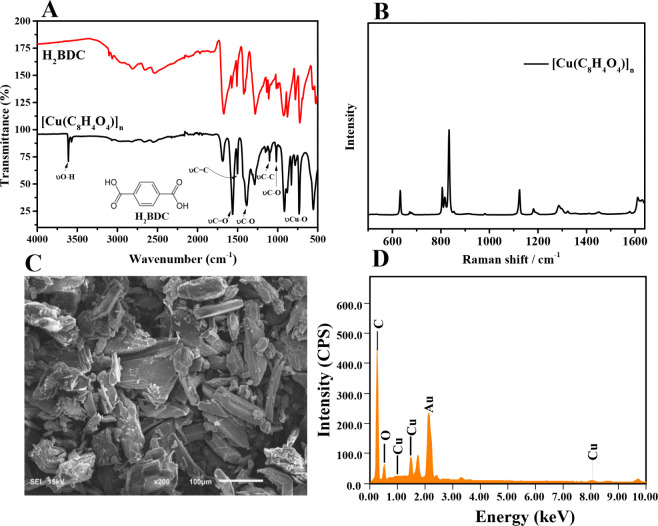 Figure 1
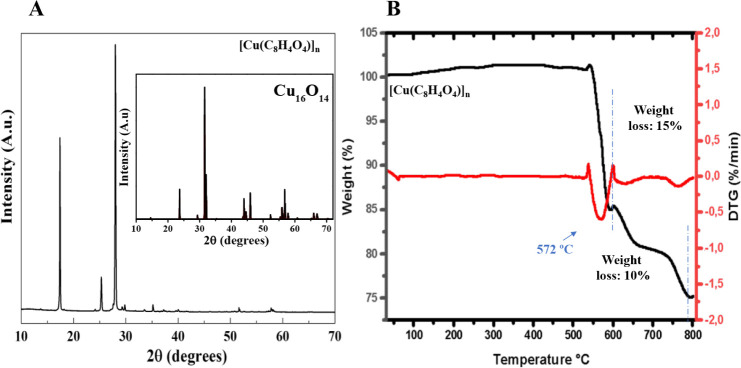 Figure 2
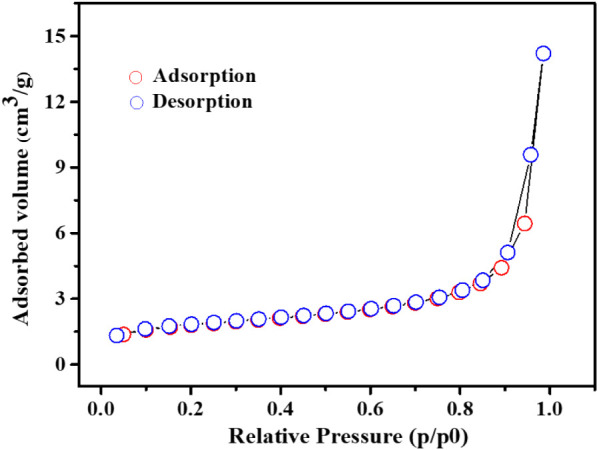 Figure 3
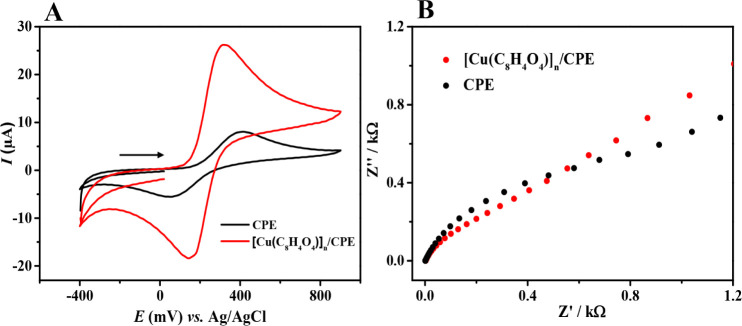 Figure 4
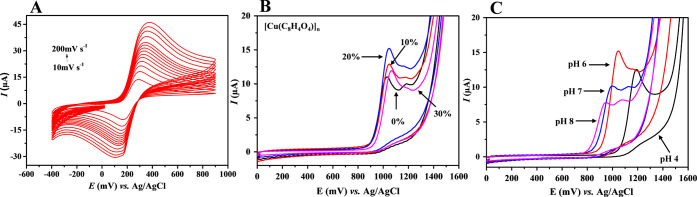 Figure 5
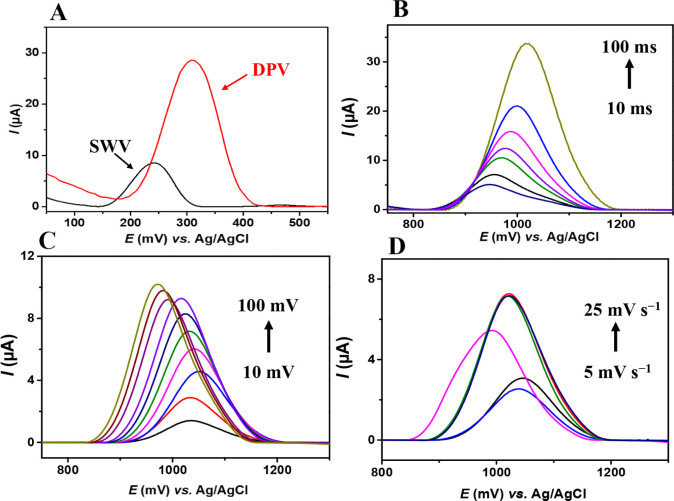 Figure 6
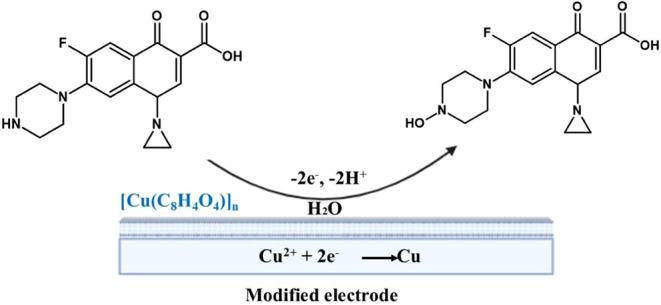 Figure 7
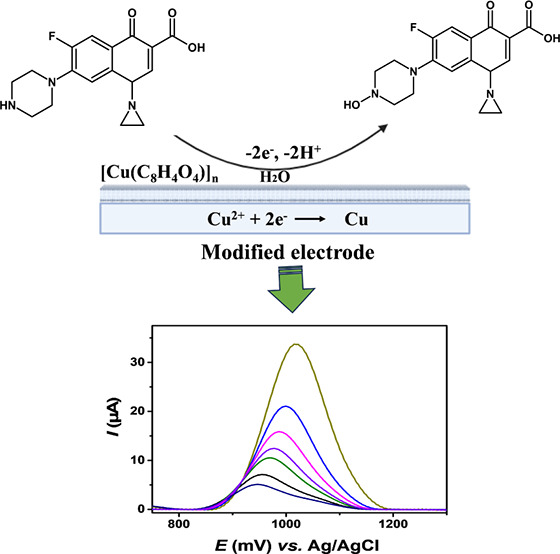 Figure 8
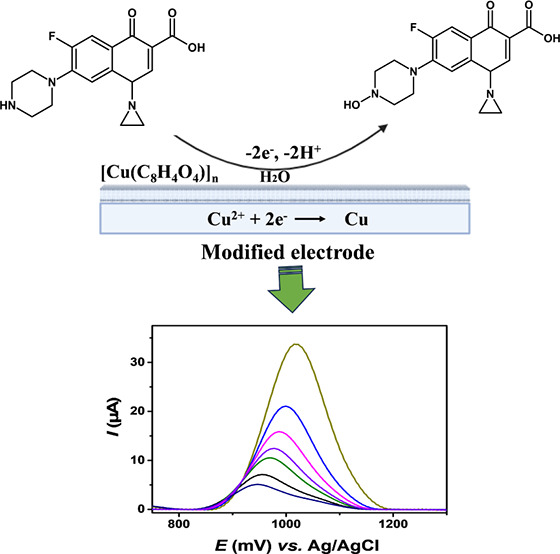 Figure 9
 Figure 10
 Figure 11
 Figure 12
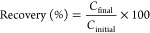 Figure 13
 Figure 14
 Figure 15
 Figure 16
 Figure 17
Peer Reviews
No public reviews on file for this paper yet. If you reviewed it on a platform where reviews are public (OpenReview, ICLR, NeurIPS, ICML), you can paste yours below so the community can read it here.
Videos
No videos yet. Explain this paper in a talk, walkthrough, or lecture? Add one.
Taxonomy
TopicsAnalytical Chemistry and Chromatography · Electrochemical sensors and biosensors · Analytical chemistry methods development