Lactic Acid Production from Sugarcane Bagasse Hydrolysates by Lactiplantibacillus Strains
Michelle C. A. Xavier, Giancarlo S. Dias, Saartje Hernalsteens, Telma T. Franco

TL;DR
This study explores using sugarcane bagasse waste to produce lactic acid through fermentation by Lactiplantibacillus bacteria, offering a sustainable industrial solution.
Contribution
The study identifies Lactiplantibacillus pentosus ATCC 8041 as a strain capable of efficiently fermenting both pentoses and hexoses from sugarcane bagasse hydrolysates.
Findings
Lactiplantibacillus pentosus ATCC 8041 achieved an LA yield of 0.78 g/g and a maximum LA concentration of 28.99 g/L in total hydrolysate media.
The strain could assimilate xylose in the presence of glucose, demonstrating versatility in sugar utilization.
Hemicellulosic hydrolysate yielded a maximum LA concentration of 2.4 g/L with a yield of 0.65 g/g.
Abstract
Lactic acid (LA) is a valuable organic acid widely used in many industries and bioplastics production. It can be produced by microbial fermentation of sugarcane bagasse (SCB), an abundant sugar industry waste rich in cellulose and hemicellulose. The aim of this study was to evaluate the ability of lactic acid bacteria to ferment pentoses from SCB hydrolysates for LA production in the presence or absence of hexoses. Initially, nine strains of Lactiplantibacillus spp. were screened for efficient xylose consumption. Subsequently, fermentation assays with the selected strain were performed in 2 L bioreactors using MRS-based media containing either hemicellulosic or total hydrolysates obtained from steam-exploded SCB. Among the nine strains, Lactiplantibacillus pentosus (L. pentosus) ATCC 8041 demonstrated superior xylose assimilation and LA production. Additionally, this strain was capable…
Genes, proteins, chemicals, diseases, species, mutations and cell lines named across the full text — each resolved to its canonical identifier and authoritative record.
Click any figure to enlarge with its caption.
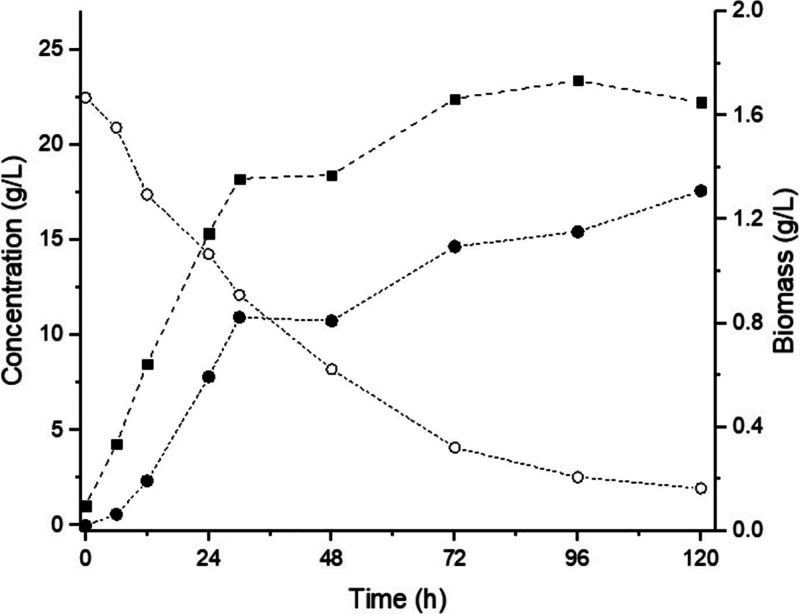 Figure 1
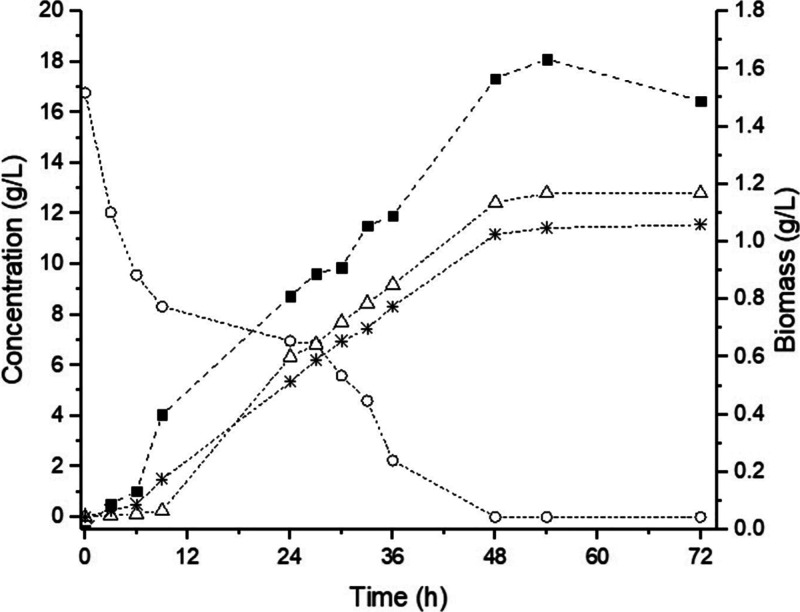 Figure 2
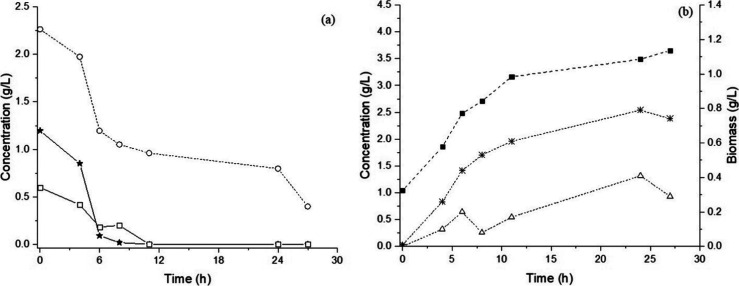 Figure 3
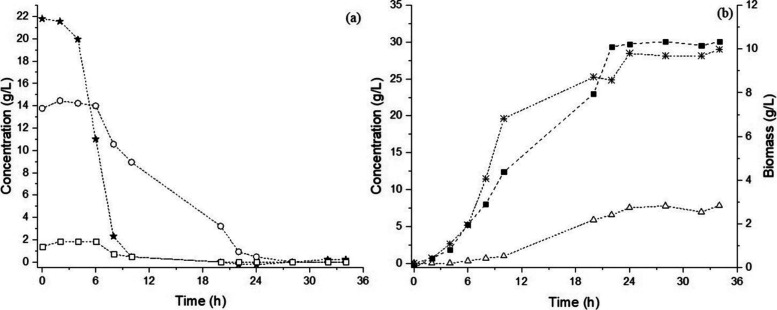 Figure 4
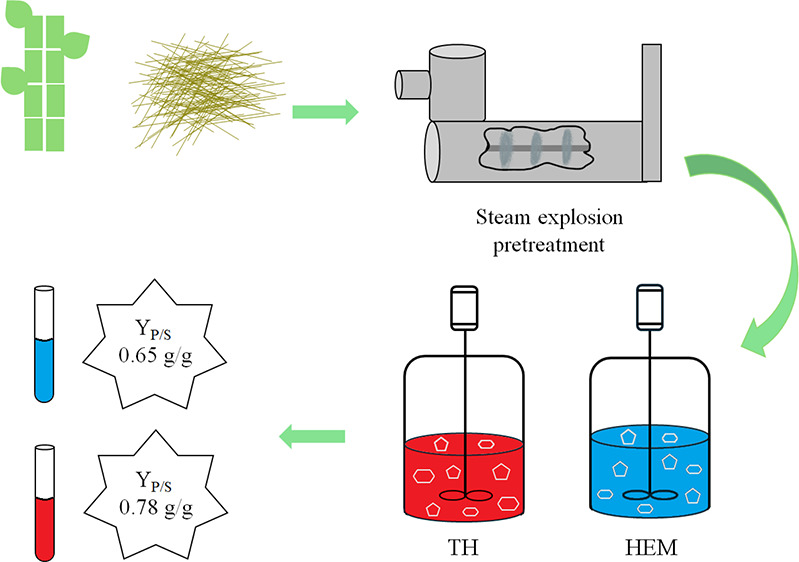 Figure 5
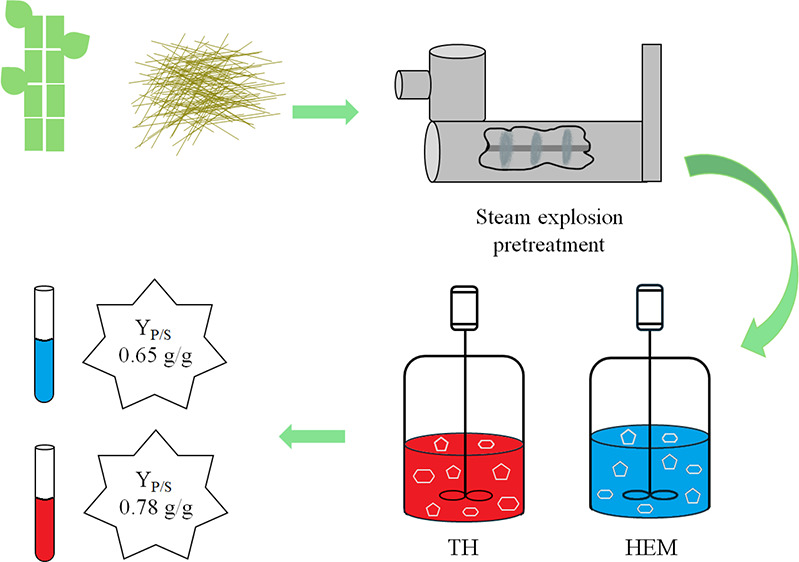 Figure 6
 Figure 7
 Figure 8
 Figure 9
 Figure 10
Peer Reviews
No public reviews on file for this paper yet. If you reviewed it on a platform where reviews are public (OpenReview, ICLR, NeurIPS, ICML), you can paste yours below so the community can read it here.
Videos
No videos yet. Explain this paper in a talk, walkthrough, or lecture? Add one.
Taxonomy
TopicsBiofuel production and bioconversion · Microbial Metabolic Engineering and Bioproduction · Enzyme Production and Characterization