Development of a screening model for APL using cell population data and deep learning-extracted WBC scattergram features
Qi Cai, Bo Ye, Wenbo Zheng, Shihong Zhang, Jingxian Zhang, Yimin Shen, Donglan Yao, Huihui Zhang, Zhixi Huang, Jian Hu, Yushuai Ma, Jianbiao Wang, Yong Wang

TL;DR
This paper introduces a machine learning model that can quickly detect acute promyelocytic leukemia (APL) using routine blood test data, helping hospitals with limited resources diagnose APL faster.
Contribution
A novel two-stage machine learning model for APL screening using deep learning-extracted scattergram features and routine lab data.
Findings
The RFC-S model achieved an AUC of 0.9893 in testing and 0.9979 in external validation.
The model maintains 98.15% sensitivity and 95.52% specificity without requiring additional tests.
SHAP analysis confirmed scattergram-derived features like N_APL_Ratio_YZ are key predictors.
Abstract
Acute promyelocytic leukemia (APL), a high-risk subtype of acute myeloid leukemia, necessitates rapid diagnosis upon hospital admission to mitigate early mortality. Current diagnosing approaches relying on time-consuming genetic testing or morphological expertise are particularly challenging in resource-limited settings. Herein, this study introduces a novel machine learning approach leveraging routine lab data to enable immediate APL suspicion, offering a new diagnostic possibility for under-resourced hospitals. We developed a two-stage machine learning model using multi-center retrospective data. The cohort included 94 confirmed APL patients (2020–2024) from three tertiary hospitals, with an external validation set (n = 541) from an independent center. Using four VGG-16 networks, we extracted APL-specific 3D scatterplot features from DIFF and WNB channels of routine blood tests.…
Genes, proteins, chemicals, diseases, species, mutations and cell lines named across the full text — each resolved to its canonical identifier and authoritative record.
Click any figure to enlarge with its caption.
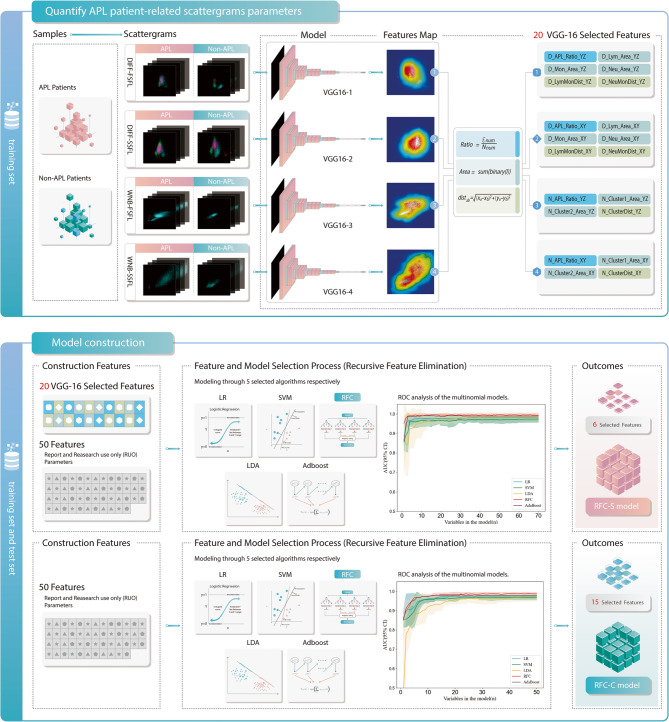 Figure 1
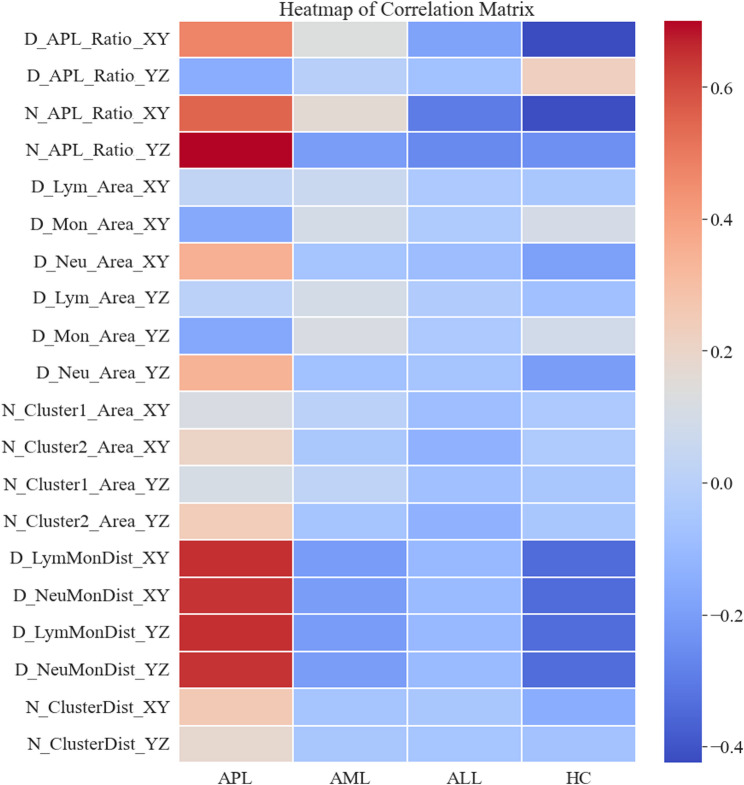 Figure 2
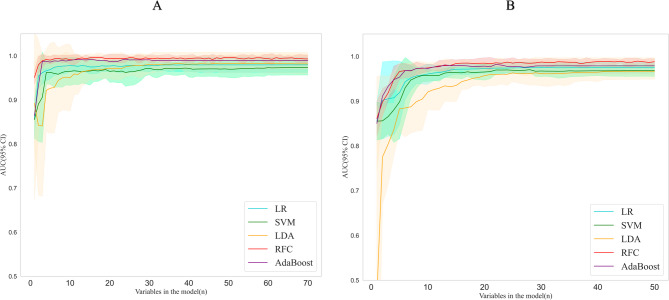 Figure 3
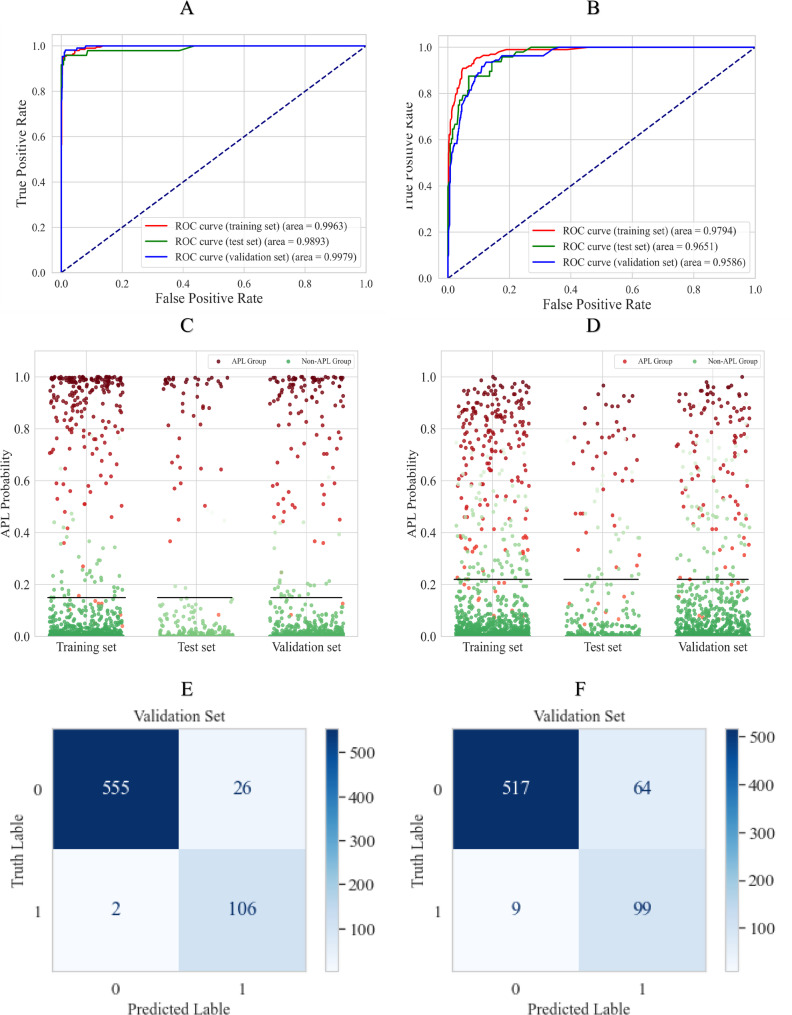 Figure 4
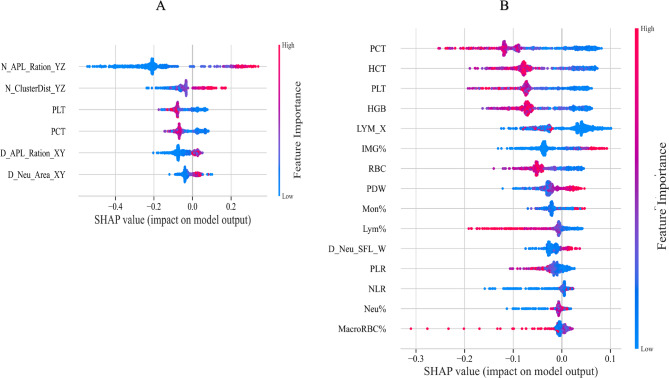 Figure 5
Peer Reviews
No public reviews on file for this paper yet. If you reviewed it on a platform where reviews are public (OpenReview, ICLR, NeurIPS, ICML), you can paste yours below so the community can read it here.
Videos
No videos yet. Explain this paper in a talk, walkthrough, or lecture? Add one.
Taxonomy
TopicsInflammatory Biomarkers in Disease Prognosis · Immune Response and Inflammation · Blood properties and coagulation