Understanding the role of visceral fat in metabolically healthy versus unhealthy obesity: a sex-based analysis of the transcriptome
María Calderón-Domínguez, Isabel Sánchez-Muñoz, Raquel González-Blázquez, Marta Gil-Ortega, Beatriz Somoza, Ricardo Arroyo-Solera, Paloma Fernández, Esther Carrera, Javier Valverde-Pozo, María Larriva, Jose Miguel Cárdenas-Rebollo, Juan Carlos Ruiz de Adana, Marta Viana

TL;DR
This study shows that men and women with obesity have different fat tissue responses, with women showing worse signs of inflammation and tissue damage even when they appear metabolically healthy.
Contribution
The study identifies sex-specific gene expression patterns in visceral fat that explain differences in metabolic health between men and women with obesity.
Findings
MH men had less inflammation and oxidative stress in visceral fat compared to metabolically unhealthy men.
MH women showed worse inflammation, metabolism, and tissue organization in visceral fat than metabolically unhealthy women.
Women's fat tissue shows a more severe pathological response to energy storage demands compared to men.
Abstract
The term “metabolically healthy obesity” is used to define those patients with obesity that do not present elements of metabolic syndrome. The causes behind this temporary reduction of the cardiovascular risk are still unknown, although these patients are characterized by a conserved expansion capacity of the adipose tissue, preventing ectopic accumulation of fat. Since hormones are key regulators in adipogenesis, we hypothesize that there are sex-specific differences in visceral white adipose tissue (vWAT) biology that may contribute to metabolic health disparities between men and women. 60 patients attending the Morbid Obesity Unit from the Hospital Universitario de Getafe for elective bariatric surgery were enrolled. Prior to the surgery, a full biochemical panel was carried out. During the procedure, a portion of vWAT was excised and snap-frozen for histological analysis and for…
Genes, proteins, chemicals, diseases, species, mutations and cell lines named across the full text — each resolved to its canonical identifier and authoritative record.
Click any figure to enlarge with its caption.
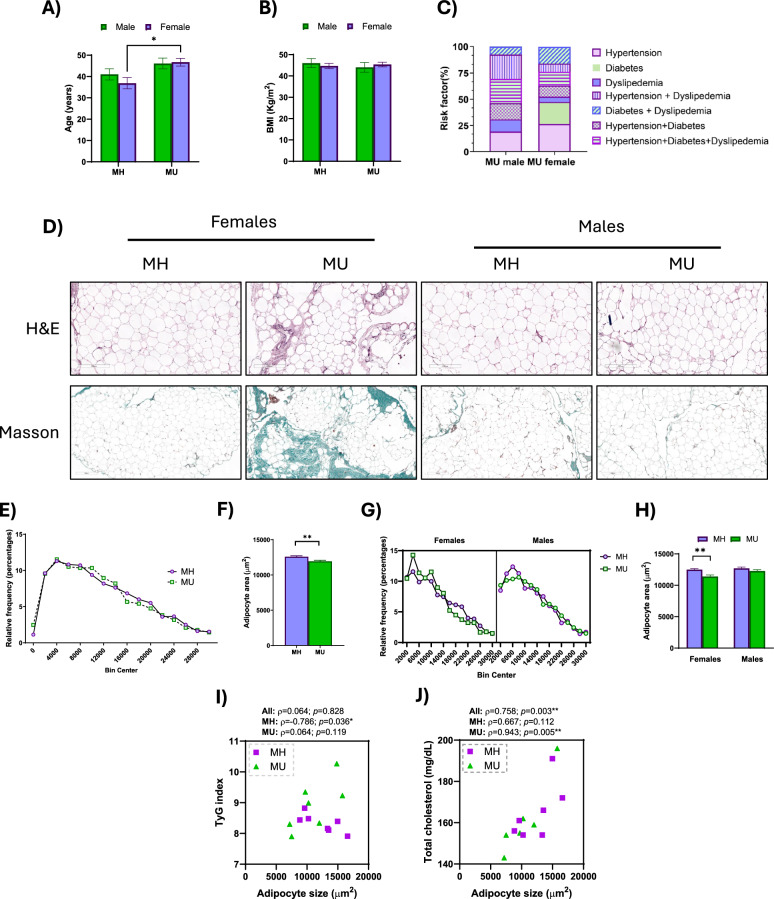 Figure 1
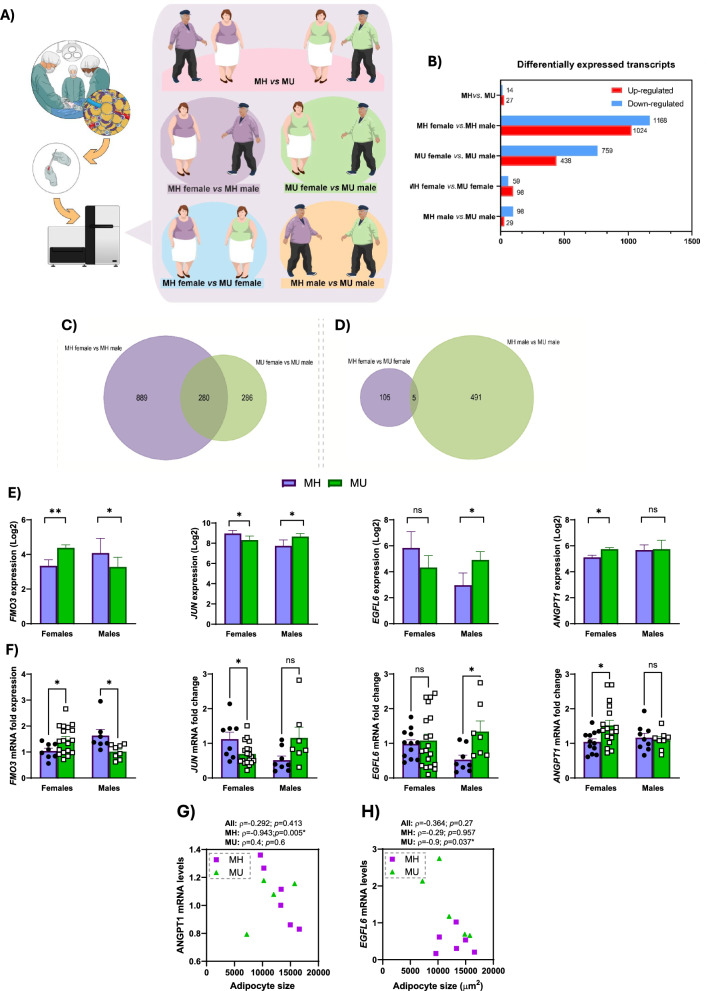 Figure 2
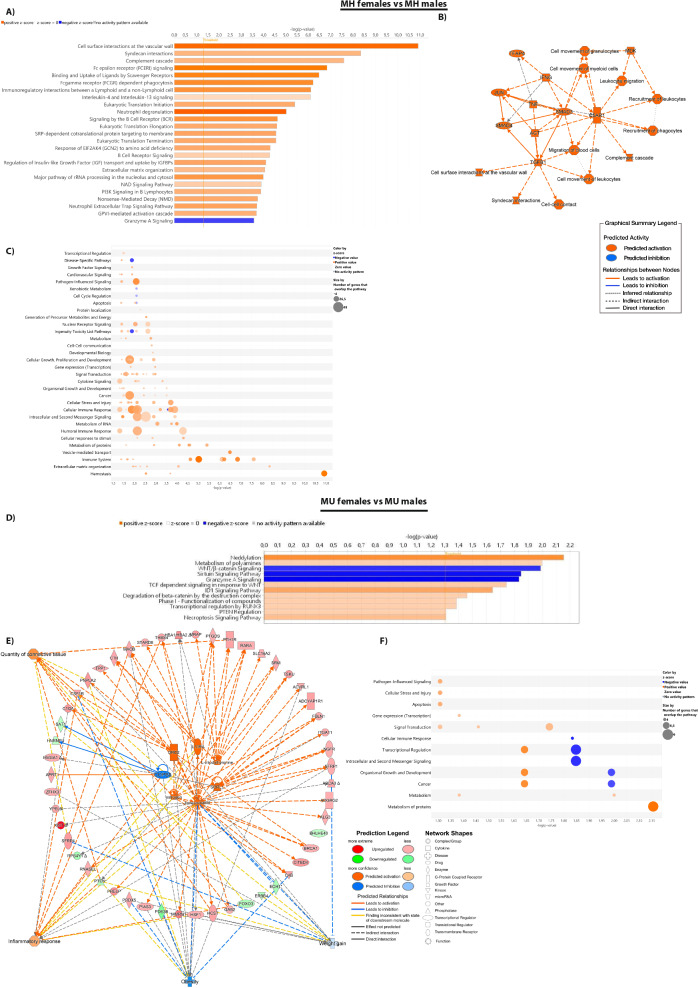 Figure 3
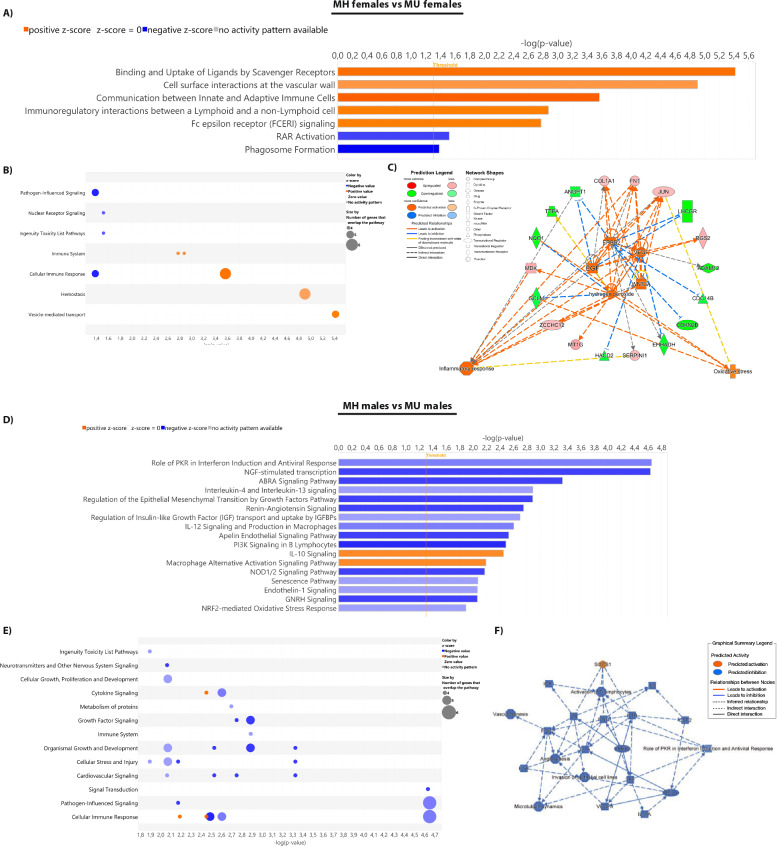 Figure 4
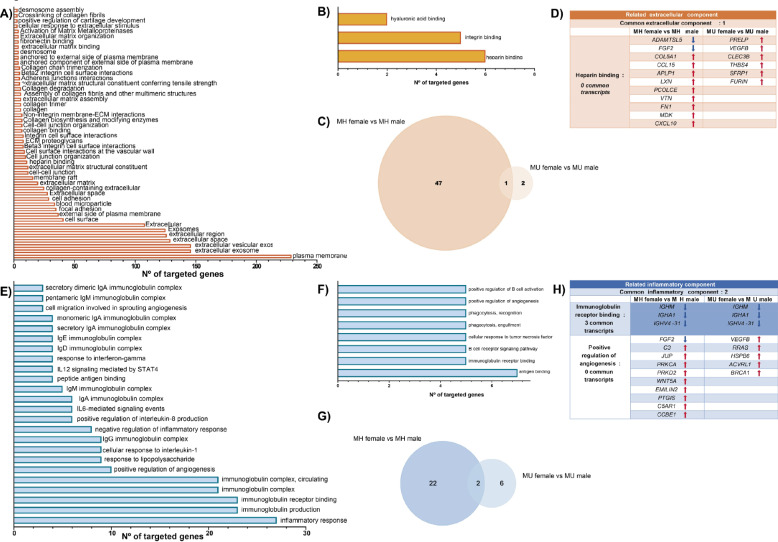 Figure 5
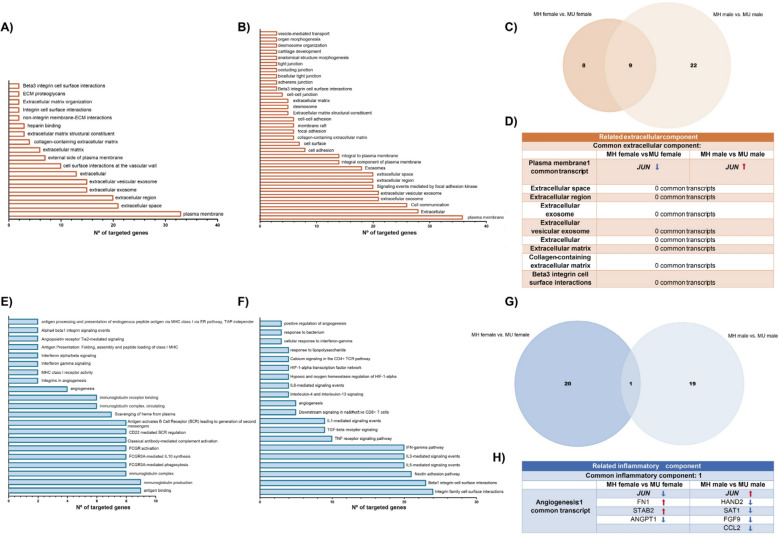 Figure 6
Peer Reviews
No public reviews on file for this paper yet. If you reviewed it on a platform where reviews are public (OpenReview, ICLR, NeurIPS, ICML), you can paste yours below so the community can read it here.
Videos
No videos yet. Explain this paper in a talk, walkthrough, or lecture? Add one.
Taxonomy
TopicsAdipokines, Inflammation, and Metabolic Diseases · Diabetes, Cardiovascular Risks, and Lipoproteins · Adipose Tissue and Metabolism