Role of Gut Microbes in Hypertension: A Systematic Review of Literature
Swapnil S Garde, Somesh Garde

TL;DR
This review explores how gut microbes influence hypertension and identifies specific bacteria and fungi that may either worsen or help manage high blood pressure.
Contribution
The study systematically identifies microbial taxa associated with hypertension and their potential roles in its development or mitigation.
Findings
Lactobacillus paracasei, Akkermansia, and Veillonella may protect against hypertension through dietary and metabolite interactions.
Klebsiella sp., Streptococcus sp., and Parabacteroides merdae are more common in hypertensive patients and linked to inflammation.
Fungal taxa Malassezia and Mortierella are involved in hypertension's pathogenesis.
Abstract
Hypertension is a metabolic disorder affecting a significant proportion of the global population. Growing evidence suggests the contribution of gut microbiota to blood pressure homeostasis and the effectiveness of antihypertensive interventions. This systematic review evaluates the role of gut microbiota in hypertension and identifies microbial taxa contributing to or alleviating the condition. A systematic search was conducted in PubMed and Cochrane databases for non-randomized studies, randomized controlled trials, and registry studies published in English. Studies were classified according to microbial taxa involved in the improvement or worsening of hypertension. According to the inclusion criteria, 19 studies were included. Some bacterial genera, such as Lactobacillus paracasei, Akkermansia, and Veillonella, had potential protective effects against hypertension by regulating…
Genes, proteins, chemicals, diseases, species, mutations and cell lines named across the full text — each resolved to its canonical identifier and authoritative record.
Click any figure to enlarge with its caption.
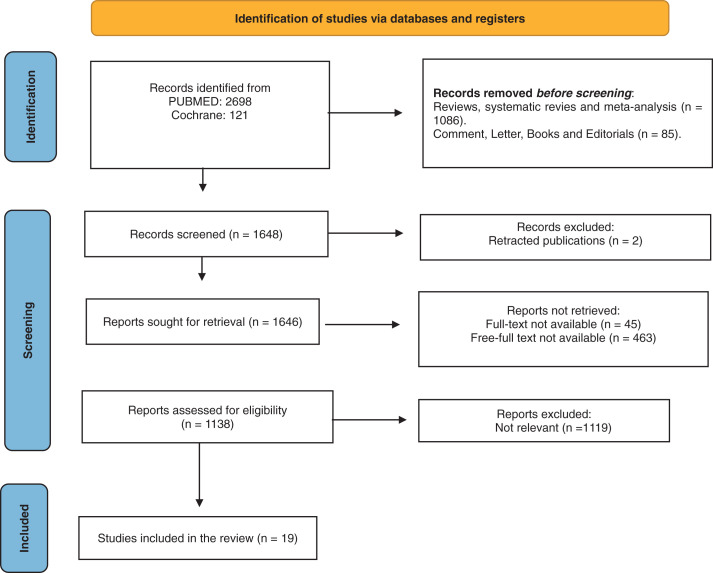 Fig. 1
| S. No | Author et al., year or study name | Study design | Study population/groups | Methodology/intervention | Results of the study |
|---|---|---|---|---|---|
|
| |||||
| 1 | Palmu et al., 2020 | Registry study | 829 finnish individuals | BP measurement, stool collection, and 24-h urine sampling was performed. | In the study population, α- (within-sample) and β- (between-sample) diversities of taxonomic composition were strongly related to BP indexes ( |
| 2 | Kang et al., 2023 | Cross-sectional study | 125 patients with primary grade-2 HTN | 16s rDNA sequencing of fecal intestinal flora was performed to analyze the differences in intestinal flora between the 2 groups of patients and to investigate the relationship between BP compliance and the presence of flora. | The intestinal flora of the 2 groups of patients differed in terms of the Firmicutes–Bacteroidetes ratio (F/B), α-diversity and β-diversity analysis results. |
| 3 | Lu et al., 2021 | Cross-sectional study | 128 individuals with HTN | Clinical and biological data. | The current study observes a higher abundance of TM7 and lower abundance of |
| 4 | Susic et al., 2022 | Cross-sectional study | 18 mother–infant pairs with HTN | Differences in gut microbiota diversity and composition were observed between HP and NP women and infants. | HP women exhibited enriched gut microbiota with |
| 5 | Tomsett et al., 2020 | Cross-sectional study | 22 women who were HP post-pregnancy | Gut microbiota composition was examined using 16S rRNA gene amplicon sequencing. | Higher dietary fiber intake correlated with altered gut microbiota composition, characterized by an increased abundance of |
| 6 | Glazunova et al., 2022 | Preclinical study | Milk fermented with several strains of traditional yogurt starters ( | In vitro assessment: angiotensin-converting enzyme inhibition assay | Milk fermented with 2 strains ( |
| 7 | Preez et al., 2020 | Preclinical study | Male Wistar rats | Group 1: Corn starch diet-fed rats (C) | H rats developed obesity, HTN, dyslipidemia, glucose intolerance, fatty liver, and increased left ventricular collagen deposition. |
|
| |||||
| 8 | Chen et al., 2023 | Cross-sectional study | Case: 95 periodontitis patients with HTN | Saliva, subgingival plaques, and feces were collected for 16S rRNA gene sequencing or metagenomic analysis. | Genera such as |
| 9 | Yan et al., 2017 | Comparative study | Case: 60 patients with primary HTN | Fecal samples were obtained, and the gut microbiome composition was estimated using whole-metagenome shotgun sequencing. | Higher prevalence of opportunistic pathogens such as |
| 10 | Virwani et al., 2023 | Cross-sectional study | 241 participants | The following were estimated: | Bacteria such as |
| 11 | Zou et al., 2022 | Cross-sectional study | 108 participants | Fecal and blood samples were collected, and the ITS transcribed spacer ribosomal RNA gene sequencing was performed. | The relative abundance of |
| 12 | Hogue et al., 2024 | Experimental study | 30 African American collegiate athletes | 16S rRNA gene sequencing was performed on stool samples to identify microbes at the genus level. | No significant differences in the α- and β-diversity. Significant correlations between SBP levels and the abundances of specific microbial genera, including |
| 13 | Groot et al., 2020 | Registry study | 422417 participant details obtained from the UK Biobank | Comprehensive Mendelian randomization analysis | The abundance of |
| 14 | Lan et al., 2022 | Prospective cohort study | 1242 participants – surveyed | 16S rRNA gene sequencing for determining the gut microbiome composition | The current study observed a 1.8 times higher prevalence of HTN (38.2–43.3%) than the average in China (23.2%), under a special high-calorie diet based on wheat, cattle, mutton, and animal offal. |
| 15 | Luo er al., 2023 | Preclinical study | 44 subjects with elevated arterial stiffness and 45 age- and sex-matched normal controls | Angiotensin II (Ang II)-induced and humanized mouse models were employed to evaluate the protective effect of | Metagenomic sequencing revealed a significantly high abundance and centrality of |
| 16 | Luo et al., 2022 | Registry study | 18340 individuals | Two-sample Mendelian randomization analysis was performed using MR-Egger, inverse variance weighted (IVW), MR-PRESSO, maximum likelihood, and weighted median. | For every unit increase in |
| 17 | Han et al., 2018 | Registry study | 196 human faecal samples | The viral composition and bacterial composition of the samples were identified, and their associations with different HP states were determined. | 32 significant viral biomarkers were identified for distinguishing healthy, pre-HP, and HP individuals. |
| 18 | Toral et al., 2019 | Experimental study | NP WKY and SHR | Recipient NP WKY and SHRs were orally gavaged with donor fecal contents from SHR and WKY. | The results demonstrated that FMT from WKY rats to SHR significantly reduced basal SBP and diastolic BP, which was associated with decreased markers of neuroinflammation and sympathetic nervous system activity in SHR. Conversely, FMT from SHR to WKY rats led to increased BP and inflammatory markers in WKY rats. Correlation analyses further identified specific microbiota, such as |
| 19 | Lv et al., 2023 | Prospective Cohort Study | 87 HTN subjects and 45 controls | 16S rRNA gene sequencing for determining the gut microbiome composition | The enrichment of |
Peer Reviews
No public reviews on file for this paper yet. If you reviewed it on a platform where reviews are public (OpenReview, ICLR, NeurIPS, ICML), you can paste yours below so the community can read it here.
Videos
No videos yet. Explain this paper in a talk, walkthrough, or lecture? Add one.
Taxonomy
TopicsGut microbiota and health · Sodium Intake and Health · Protein Hydrolysis and Bioactive Peptides
Introduction
Hypertension (HTN) is a metabolic disorder affecting a significant proportion of the global population. It occurs due to the superimposition of genetic and environmental factors.^1–3)^ Previous studies have focused mainly on vascular remodeling and central regulation. Environmental factors, especially the internal ecosystem of the human body, such as the gut microbiome, are often neglected.^4)^ Investigations have observed gut microbiota as an essential modulator of environmental factors that play key roles in disease development and progression, and that mediate pharmacological interventions.^5–9)^
Increasing studies in humans have demonstrated that an imbalance of gut microbiota plays a key role in the occurrence and development of HTN.^10,11)^ Conversely, HTN can also significantly impact the structure and composition of the gut microbiota.^12,13)^ While reviews conducted previously have discussed the influence of gut microbiota on HTN, comprehensive reviews highlighting the gut microbes that contribute to or alleviate HTN are lacking. Recognizing this gap, the current systematic review discusses the causative and protective nature of gut microbes in the context of HTN.
Methodology
Initiated in June 2024, we conducted an electronic search for randomized or non-randomized controlled trials and registry studies in the PubMed and Cochrane databases. The following search strategy was used:
((“Hypertension”[Mesh]) OR (high blood pressure)) AND (microbiome OR microbiota OR Gut microbiome OR microflora OR dysbiosis OR Probiotics OR Prebiotics OR Postbiotics)
A detailed PRISMA (Preferred Reporting Items for Systematic reviews and Meta-Analyses) flow diagram of the search approach is depicted in Fig. 1.
PRISMA flow diagram of systematic review methodology. PRISMA: Preferred Reporting Items for Systematic reviews and Meta-Analyses
Review
The current search identified a total of 19 studies to be included in the review (Table 1). The studies were categorized into 2 groups based on the influence of gut microbiota on HTN: those demonstrating a positive effect, a negative effect, and those with both.
Microorganisms in the gut associated with improvement in HTN
Recent studies have shed light on the intricate relationship between gut microbiota composition and HTN, highlighting potential avenues for therapeutic intervention. Palmu et al., involving 6953 Finnish participants, highlighted weak associations between overall gut taxonomic composition and blood pressure (BP). They found notable changes in several microbial genera in individuals with HTN, with significant associations observed between BP indexes and 45 microbial genera, predominantly from the Firmicutes phylum. Notably, specific Lactobacillus species, such as Lactobacillus paracasei, exhibited strong negative associations with BP, emphasizing potential dietary sodium intake implications and suggesting avenues for further experimental exploration.^14)^ Kang et al. conducted a study involving 125 grade-2 HTN patients, revealing substantial differences in gut microbiota composition between those with well-controlled and poorly controlled BP. Microbial markers such as ACE, Streptococcus, and Akkermansia were identified as potential predictors of long-term BP control. This study highlights the therapeutic potential of targeting specific gut microbial markers to manage HTN effectively.^15)^ Lu et al. expanded on these insights by exploring the association between gut microbiota and cognitive impairment in hypertensive (HP) patients. Their observational study of 128 individuals identified Veillonella species as potential biomarkers linked to cognitive decline in HP populations, indicating broader implications of gut microbial composition beyond BP regulation.^16)^
In another experimental study by Susic et al. involving 18 mother–infant pairs, differences in gut microbiota diversity and composition were observed between HP and normotensive (NP) women and infants. HP women exhibited enriched gut microbiota with Bifidobacterium species and depleted Barnesiella species compared to NP women. HP infants showed lower gut microbiota diversity and were enriched with Streptococcus infantis, while being depleted in several beneficial bacterial strains compared to NP infants. These findings underscore the developmental implications of maternal HTN on infant gut microbiota and potential health outcomes.^17)^
Moreover, Tomsett et al. conducted a cross-sectional study investigating dietary fiber intake and its association with gut microbiota composition in women at risk of HP disorders of pregnancy (HDP). They found that higher dietary fiber intake correlated with altered gut microbiota composition, characterized by an increased abundance of Veillonella and a decreased abundance of certain other bacteria. However, this association was not observed in pregnancies with future HDP, suggesting altered gut barrier function in these cases compared to NP pregnancies. The study investigated dietary influences on gut microbiota in pregnant women at risk for HP disorders, observing altered microbial communities with varying fiber intake. Although the study did not find improved gut barrier function with higher fiber intake, it noted significant changes in microbial composition, including increased Veillonella abundance, suggesting potential dietary strategies to modulate gut health in HP conditions.^18)^
Further highlighting the therapeutic potential, interventions such as fermented milk products enriched with specific bacterial strains^19)^ and dietary changes (e.g., carrageenans from Sarconema filiforme attenuating symptoms of diet-induced metabolic syndrome in rats) have shown promising anti-HP effects through modulation of gut microbiota composition and function.^20)^ These studies emphasize the role of microbial metabolites, such as short-chain fatty acids (SCFAs) and bile acids, in mediating cardiovascular health outcomes through their effects on systemic inflammation, oxidative stress, and vascular function.
Microorganisms in the gut associated with worsening HTN
Several studies have identified specific microorganisms within the gut microbiome that may exacerbate HTN by altering microbial composition and metabolic activities. For instance, Chen et al. conducted a cross-sectional study followed by a 6-month follow-up to investigate the roles of oral and gut microbiota in HTN. They found that certain genera, including Veillonella, were stably enriched in HP participants compared to controls. Saliva from HP individuals increased BP in HP mice, implicating Veillonella and potentially other microorganisms in contributing to the progression of HTN.^21)^
Yan et al. conducted a comparative study involving 60 patients with primary HTN and 60 gender-, age-, and body weight-matched healthy controls. Their findings revealed a higher prevalence of opportunistic pathogens such as Klebsiella spp. (P <0.05), Streptococcus spp. (P <0.01), and Parabacteroides merdae (P <0.01) in the gut microbiome of HP individuals. Conversely, beneficial bacteria known for producing SCFAs, such as Roseburia spp. and Faecalibacterium prausnitzii, were significantly higher in healthy controls (P <0.05). These differences highlight specific microbial alterations associated with HTN and suggest a role for dysbiosis in HTN pathogenesis.^13)^
In another study by Virwani et al., which focused on a cross-sectional analysis of 241 Hong Kong Chinese participants (113 men and 128 women), significant differences in gut microbiome composition were observed between HP and NP women. Bacteria such as Ruminococcus gnavus (P = 0.012), Clostridium bolteae (P = 0.038), and Bacteroides ovatus (P = 0.045) were found to be more abundant in HP women, potentially linking these microbial profiles to HTN development through unknown mechanisms.^22)^
Furthermore, Zou et al. investigated fungal dysbiosis in individuals with pre-HTN, HTN, and normal BP. They identified dysregulation in fungal taxa such as Malassezia (P <0.01) and Mortierella (P <0.05), with significant differences between HP and NP groups. This dysbiosis correlated with alterations in serum indicators, suggesting potential fungal biomarkers that may be indicative of HTN risk.^23)^
Hogue et al. conducted an experimental study involving 30 African American collegiate athletes, categorized into normal BP (systolic BP (SBP) ≤130 mmHg) and HTN groups (SBP ≥130 mmHg). They found significant correlations between SBP levels and the abundances of specific microbial genera, including Adlercreutzia, Coprococcus, Granulicatella, and Veillonella. This suggests that variations in these microbial populations could potentially influence SBP levels among athletes.^24)^
Meanwhile, Groot et al. performed a comprehensive Mendelian randomization analysis using data from 422417 participants in the UK Biobank. Their findings implicated gut microbiota, particularly Ruminococcus flavefaciens, in influencing HTN risk, underscoring the significant role of microbial factors in cardiovascular health.^25)^ Furthermore, the study by Lan et al. examined 1242 Yugur and Han individuals and highlighted that HTN, compounded by a high-calorie diet, led to gut microbial dysbiosis characterized by a marked depletion of Lachnospiraceae genera. This microbial imbalance was associated with HTN pathogenesis, indicating a link between dietary factors, gut microbiota composition, and cardiovascular outcomes.^26)^ Additionally, Luo et al. conducted a comparative study focusing on participants with elevated arterial stiffness, a precursor to HTN. They identified Flavonifractor plautii as a key microbial species potentially influencing arterial stiffness, thereby impacting cardiovascular health.^27)^
Using Mendelian randomization, a study by Luo et al. examined various conditions, including HTN, highlighting specific gut bacteria and metabolites associated with cardiovascular diseases. This included findings on microbial species such as Candida, Shigella, and Campylobacter, which were linked to increased risks of myocarditis and hypertrophic cardiomyopathy, illustrating diverse microbial influences on cardiovascular health.^28)^
A notable observational study conducted by Han et al., involving 196 fecal samples, investigated the viral composition and its associations with different HTN states. The study identified 32 significant viral biomarkers, demonstrating superior resolution and discriminatory power compared to bacterial markers in distinguishing healthy, pre-HTN, and HTN samples. The findings revealed increasingly pervasive virus-bacteria linkages from healthy individuals to those with pre-HTN and HTN, suggesting a progressive alteration in the gut microbiome’s composition and interactions as HTN develops. These results highlight the virome’s complexity and potential role in HP conditions, advocating for further exploration into the gut virome’s role in HTN.^29)^
An experimental study investigated the critical role of gut microbiota interactions with the sympathetic nervous system in regulating BP using fecal microbiota transplantation (FMT) in animal models, specifically NP Wistar–Kyoto (WKY) rats and spontaneously HP rats (SHR). The results demonstrated that FMT from WKY rats to SHR significantly reduced basal systolic and diastolic BP, which was associated with decreased markers of neuroinflammation and sympathetic nervous system activity in SHR. Conversely, FMT from SHR to WKY rats led to increased BP and inflammatory markers in WKY rats. Correlation analyses further identified specific microbiota, such as Blautia and Odoribacter, as being negatively correlated with high SBP in SHR.^30)^
A study among 87 HTN subjects and 45 control individuals residing in Northwestern China revealed that women without HTN had a higher abundance of Leuconostocaceae (a family), Weissella (a genus), and Weissella cibaria (a species) than women with HTN.^31)^ A positive correlation of functional classifiers such as “Cellular Processes” (P <0.05), “Human Diseases” (P <0.05) and “Signal transduction” (P <0.05), and “Two-component system” (P <0.05) with SBP suggests that as these processes or systems become more active or prevalent, BP tends to increase. Therefore, such functional classifiers based on biological processes may be used to predict or diagnose HTN in women.^31)^ Weissella species, particularly W. cibaria, have been noted for their probiotic properties, such as biofilm inhibition, anti-inflammatory effects, and potential benefits for oral health. This highlights the possible role of gut microbiome changes in HTN, especially in women.^32)^
These studies collectively highlight the multifaceted role of gut microbiota in both exacerbating and mitigating HTN risk through intricate microbial interactions and metabolic pathways. They pave the way for targeted therapeutic interventions and personalized approaches leveraging the gut microbiome to manage HTN and related cardiovascular conditions effectively.
Conclusion
This systematic review highlights the possible roles of various gut microbiota in HTN. Probiotic species/genera such as L. paracasei, Akkermansia, and Veillonella appear to be involved in the regulation of BP. HP subjects show an increase in Klebsiella sp., Streptococcus sp., and P. merdae, which are known to be pro-inflammatory and dysbiotic. Moreover, the fungal groups Malassezia and Mortierella have also been shown to be involved in HTN pathogenesis. These microbial signatures form a foundation for microbiota-targeted therapies, such as probiotics, prebiotics, and nutritional changes as potential interventions for HTN control. More mechanistic research and large-scale clinical trials are required to determine causal associations and to confirm these strategies, with future efforts involving personalized interventions based on an individual’s gut microbiota composition for enhanced treatment efficacy.
The reference list from the paper itself. Each links out to its DOI / PubMed record.
- 1Sekar D, Shilpa BR, Das AJ. Relevance of micro RNA 21 in different types of hypertension. Curr Hypertens Rep 2017; 19: 57.28597404 10.1007/s 11906-017-0752-z · doi ↗ · pubmed ↗
- 2Pugh D, Dhaun N. Hypertension and vascular inflammation: another piece of the genetic puzzle. Hypertension 2021; 77: 190–2.33296247 10.1161/HYPERTENSIONAHA.120.16420 · doi ↗ · pubmed ↗
- 3Mc Master WG, Kirabo A, Madhur MS, et al. Inflammation, immunity, and hypertensive end-organ damage. Circ Res 2015; 116: 1022–33.25767287 10.1161/CIRCRESAHA.116.303697 PMC 4535695 · doi ↗ · pubmed ↗
- 4Yang Z, Wang Q, Liu Y, et al. Gut microbiota and hypertension: association, mechanisms and treatment. Clin Exp Hypertens 2023; 45: 2195135.36994745 10.1080/10641963.2023.2195135 · doi ↗ · pubmed ↗
- 5Dong C, Yang Y, Wang Y, et al. Gut microbiota combined with metabolites reveals unique features of acute myocardial infarction patients different from stable coronary artery disease. J Adv Res 2023; 46: 101–12.35750287 10.1016/j.jare.2022.06.008PMC 10105070 · doi ↗ · pubmed ↗
- 6Miyauchi E, Shimokawa C, Steimle A, et al. The impact of the gut microbiome on extra-intestinal autoimmune diseases. Nat Rev Immunol 2023; 23: 9–23.35534624 10.1038/s 41577-022-00727-y · doi ↗ · pubmed ↗
- 7Weersma RK, Zhernakova A, Fu J. Interaction between drugs and the gut microbiome. Gut 2020; 69: 1510–9.32409589 10.1136/gutjnl-2019-320204 PMC 7398478 · doi ↗ · pubmed ↗
- 8Li H, He J, Jia W. The influence of gut microbiota on drug metabolism and toxicity. Expert Opin Drug Metab Toxicol 2016; 12: 31–40.26569070 10.1517/17425255.2016.1121234 PMC 5683181 · doi ↗ · pubmed ↗