Electrochemical synthesis of Betti bases and their application as fluorescent probes for Hg2+ ions
Eman A. El-Khouly, Amr M. Mahmoud, Hala B. El-Nassan

TL;DR
This paper introduces a green method to synthesize Betti bases and uses them as fluorescent sensors for detecting mercury ions.
Contribution
The first electrochemical synthesis of Betti bases in deep eutectic solvents and their use as Hg2+ fluorescent probes.
Findings
Compound 4e showed the highest fluorescence intensity among the synthesized Betti base derivatives.
The fluorescent probe responded linearly to Hg2+ concentrations between 0.2 and 10.0 µM.
The limit of detection for Hg2+ was 0.041 µM with a Stern-Volmer constant of 2.69 ± 0.07 × 10⁵ M⁻¹.
Abstract
The present study included the first electrochemical synthesis of Betti bases in deep eutectic solvents as a green and sustainable method of synthesis. The reaction conditions were optimized by varying different factors like time and type of electrode material. The prepared compounds were utilized as fluorescent probe for mercury ions. The fluorescence intensity of the synthesized Betti base derivatives 4a-e was investigated and the highest fluorescence intensity was displayed by compound 4e (the 2-fluorophenyl derivative). The Betti base 4e showed excitation/emission peaks at 368/461 nm, respectively. The Betti based fluorescence was quenched by Hg2+ ions. The fluorescent probe responded linearly to Hg2+ concentration in the range of 0.2 to 10.0 µM. The limit of detection (LOD) was estimated to be 0.041 µM. The Stern-Volmer constant (Ksv) was calculated to be 2.69 ± 0.07 × 10⁵ M-1.
Genes, proteins, chemicals, diseases, species, mutations and cell lines named across the full text — each resolved to its canonical identifier and authoritative record.
Click any figure to enlarge with its caption.
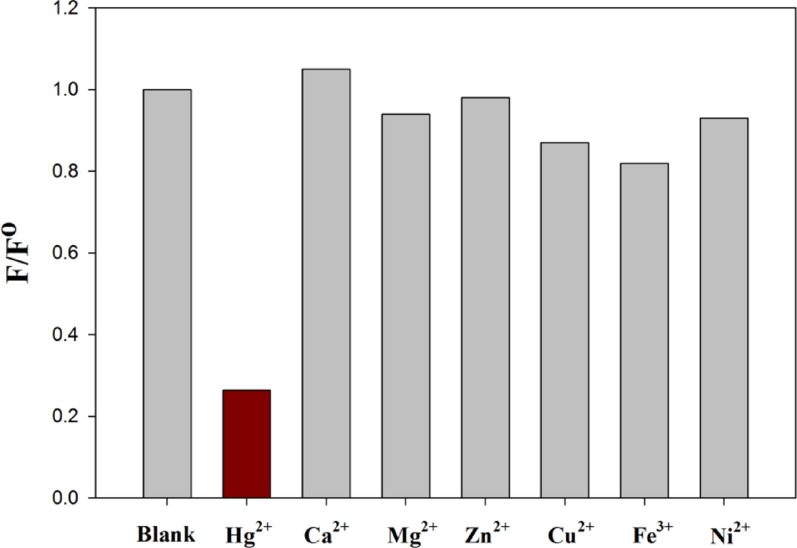 Figure 10
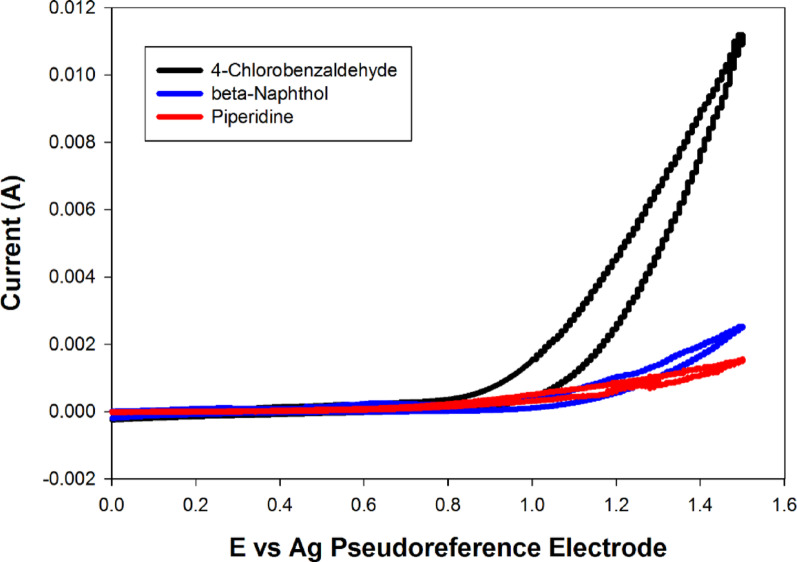 Figure 1
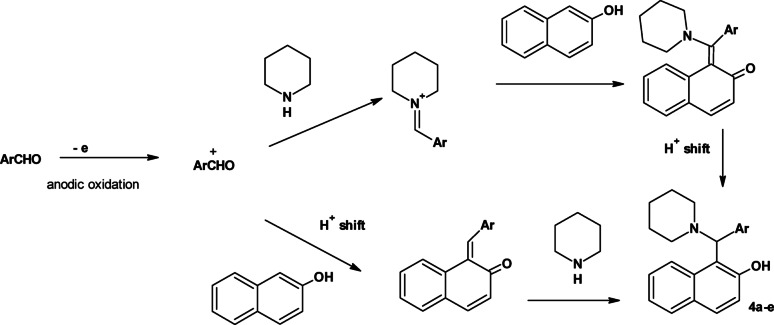 Figure 2
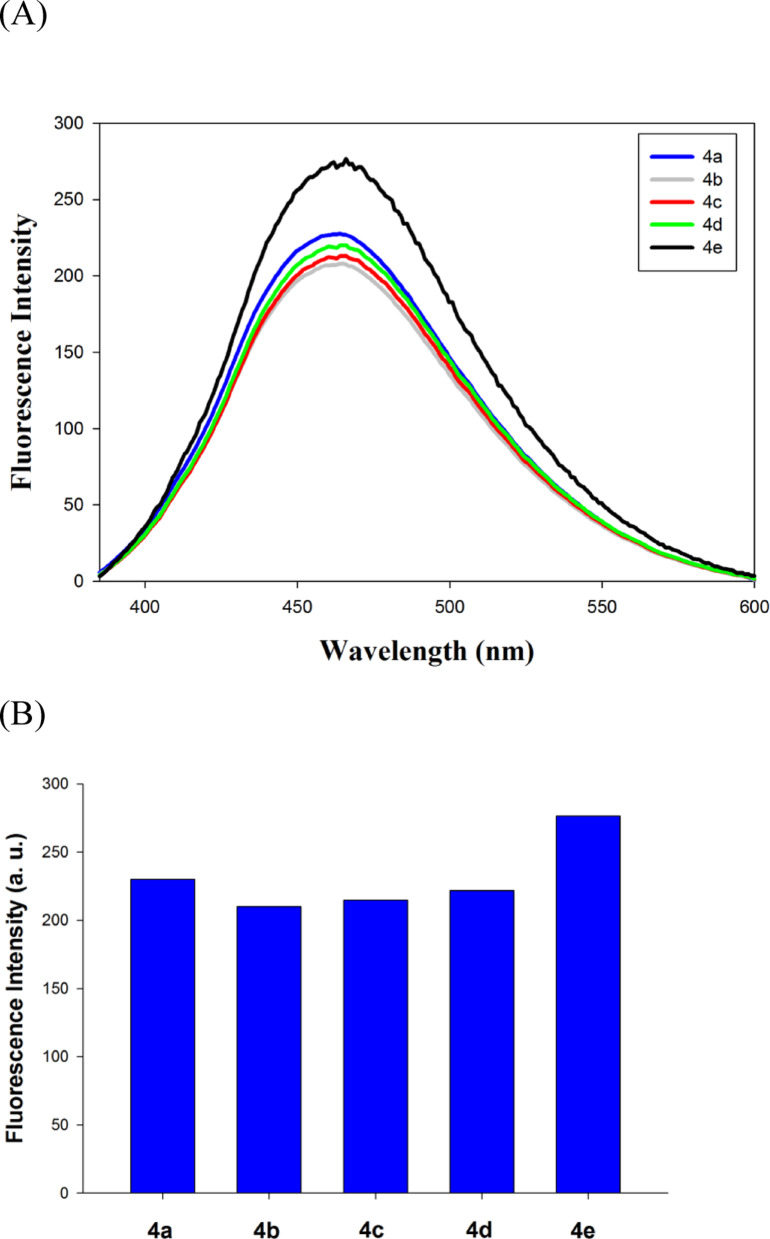 Figure 3
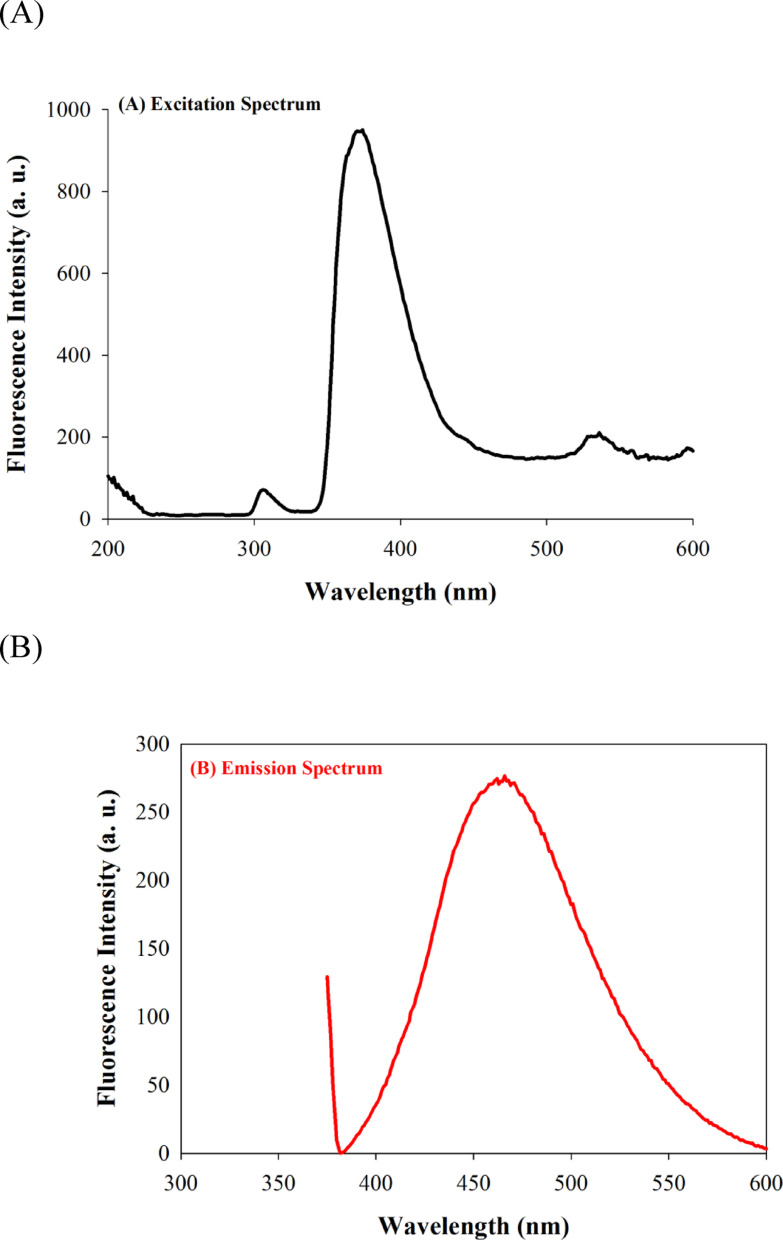 Figure 4
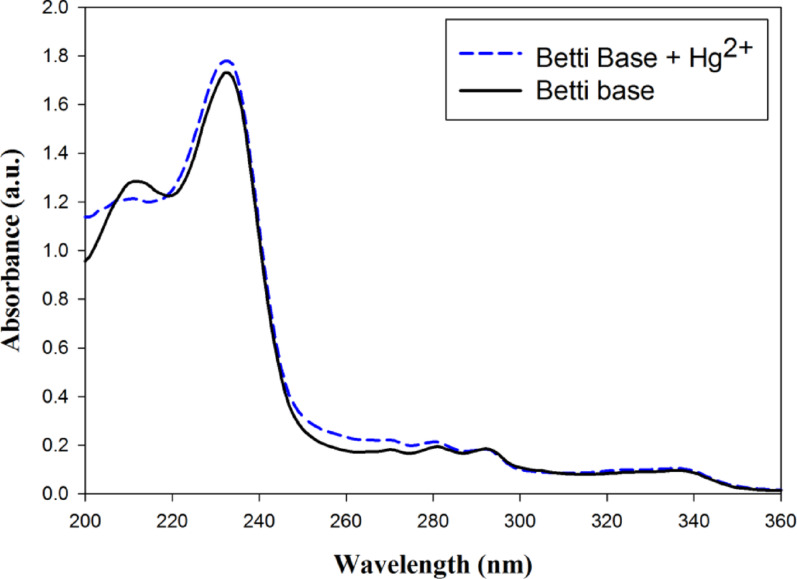 Figure 5
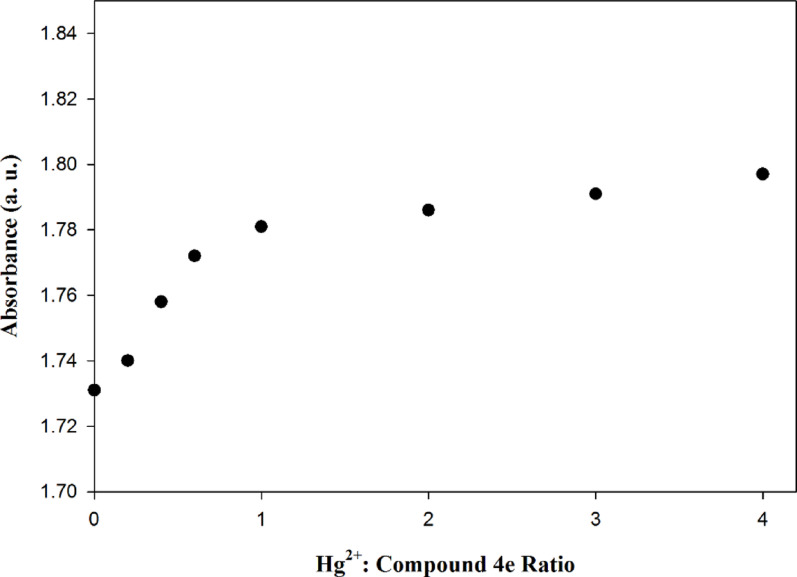 Figure 6
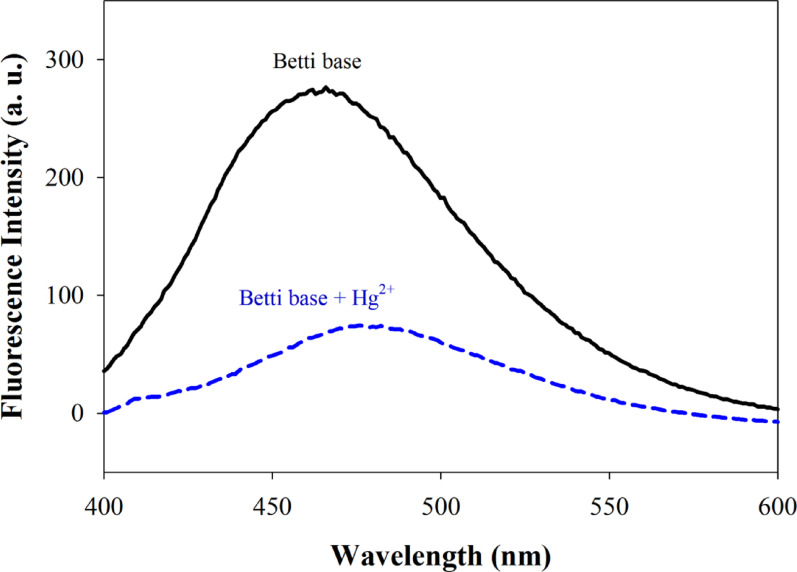 Figure 7
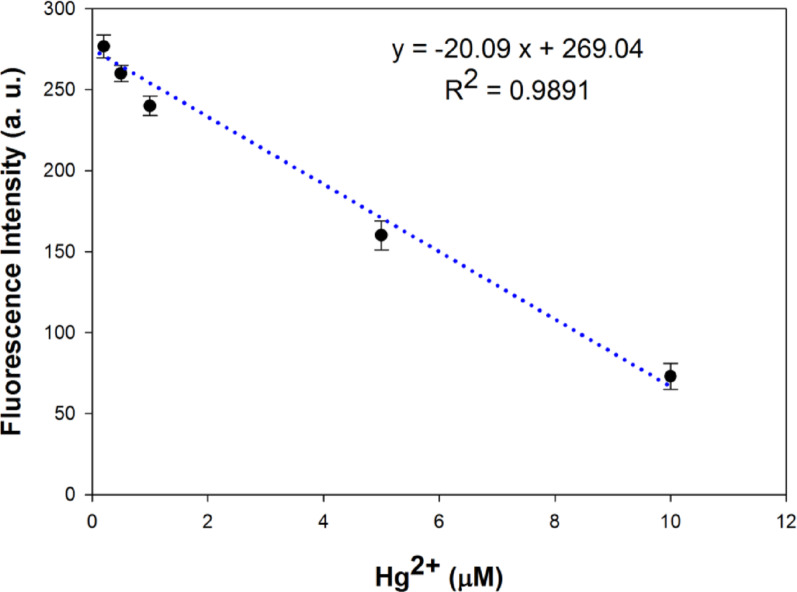 Figure 8
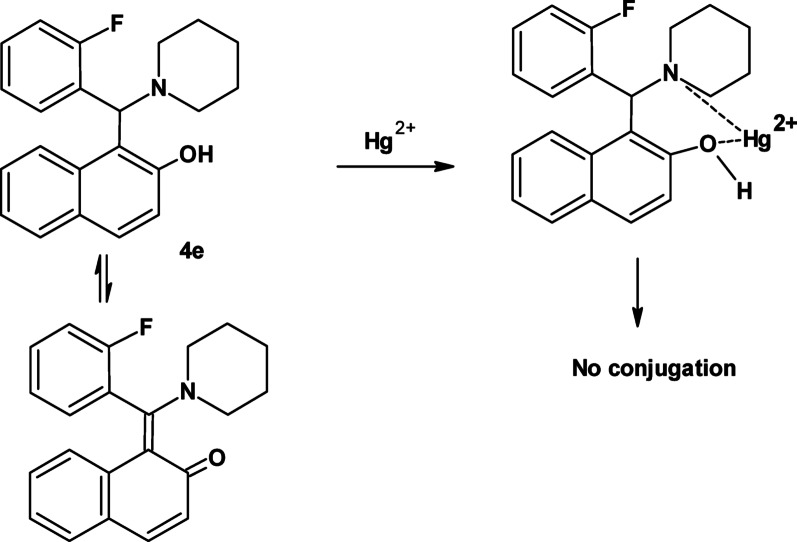 Figure 9
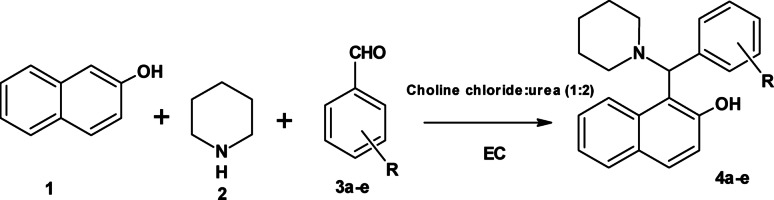 Figure 11
- —Cairo University
Peer Reviews
No public reviews on file for this paper yet. If you reviewed it on a platform where reviews are public (OpenReview, ICLR, NeurIPS, ICML), you can paste yours below so the community can read it here.
Videos
No videos yet. Explain this paper in a talk, walkthrough, or lecture? Add one.
Taxonomy
TopicsMolecular Sensors and Ion Detection · Analytical Chemistry and Sensors · Ionic liquids properties and applications
Introduction
Betti bases are synthesized by Mannich reaction of 2-naphthol, aryl aldehydes, and either ammonia, or amines [1]. These simple stereoactive derivatives have wide application in organic and analytical chemistry. Thus, Betti bases act as chiral catalysts in many organic reactions. Examples include their use as chiral ligands in enantioselective addition of organozinc reagents to aldehydes, and in arylation of aldehydes. In addition, they can be used to separate enantiomers and to prepare several metal ligands [1]. Betti bases were also used as efficient fluorescent sensors for the determination of the Cr^3+^ and Hg^2+^ ions in water samples [2, 3].
The wide and diverse applications of Betti bases initiated the need for more efficient and green methods of synthesis [4, 5]. These methods includes the use of catalyst [6–8] and nanocatalysts [9–12], the use of surfactants [13] and the use of microwave irradiation [8].
Deep eutectic solvents (DESs) have emerged as new and efficient green solvents and catalysts for many organic reactions in the recent years. They are considered as the green alternative of ionic liquids that can be formed more easily from readily available and environment friendly components. DESs are formed of H-bond donor and acceptor that are mixed in certain ratios mostly by heating till a permanent liquid is formed [14–20]. The synthesis of Betti bases using choline chloride: urea (1:2) was reported in 2017 by Azziz et al. [21].
Organic electrochemistry (EC) is another green method of synthesis that received considerable attention in the past two decades. EC utilizes electrons as reactants and heterogenous catalysts. This eliminates the need for hazards oxidizing and reducing agents and meanwhile prevents the large amounts of wastes generated using these reagents. Therefore, EC is an atom economic, energy efficient and green method of synthesis. Indeed, EC was used for the synthesis of many organic rings and raw materials [22–30].
The combination of EC and DES proved to be an effective synthetic strategy as reported by our lab [31–34]. The use of DES eliminated the need for supporting electrolyte, reduced the voltage needed to reach the required constant current due to the high DES inherent conductivity and shortened the reaction time needed to complete the reaction.
Various organic small-molecules based fluorescent probes have been reported in the literature for sensing of Hg^2+^ ions in water samples including: rhodamine, boron-dipyrromethene (BODIPYs), coumarin, pyrene, phthalic anhydride, indole, chromenone, 1,8-naphthalimides, lysine, phenothiazine, thiocarbonyloxadiazole, triphenylamine–triazines, tetraphenylethene, peptidyl and semicarbazone. Moreover, macrocyclic compounds have been exploited for Hg^2+^ ions detection such as crown-ether, calix [4]arene, cyclodextrin as reviewed in the literature [35–38].
These sensors can be either “off-on” fluorescent sensors where signal is enhanced in the presence of the analyte or “on-off” fluorescent sensor where the fluorescent signal is quenched in the presence of the analyte. Betti bases were previously reported as efficient “off-on” fluorescent sensors for the determination of Hg^2+^ ions concentration [2].
The present study involved the first synthesis of Betti bases under EC conditions in DESs (Scheme 1). The prepared compounds were used as “on-off” fluorescent probe for the detection of Hg^2+^ ions.
Scheme 1. Synthesis of Betti bases 4a-e
Results and discussion
Preparation of Betti base 4a in DESs
A preliminary study was conducted using conventional synthetic method by heating at 80 °C in a water bath to determine the most suitable DES for the synthesis of Betti base. Thus, a mixture of 2-naphthol, piperidine and 4-chlorobenzaldehyde was allowed to react in different DES (Table 1). The DESs used are formed of choline chloride and urea, thiourea, ethylene glycol, zinc chloride, oxalic acid or malonic acid. The results indicated that the reaction was successful in both choline chloride: urea and choline chloride: zinc chloride but with low yield of the product 4a after 1 h. While, the reaction did not take place in all other DESs.
Table 1. Synthesis of 1-((4-chlorophenyl)(piperidin-1-yl)methyl)naphthalen-2-ol (4a) in DES^a^EntryDESsYield (%)^b^1Choline chloride /urea 1:2382Choline chloride/thiourea 1:2NR3Choline chloride/ethylene glycol 1:2NR4Choline chloride/ZnCl_2_ 1:2255Choline chloride/oxalic acid 1:2NR6Choline chloride/malonic acid 1:2NR^a^ Reaction condition: 1 (2 mmol), 2 (2 mmol), 3a (2 mmol), in solvent (5 mL), heat at 80 °C in awater bath for 1 h^b^ Isolated yield, NR: No reaction
Preparation of Betti base 4a under electrochemical conditions in DESs
The electrochemical synthesis of compound 4a was conducted using choline chloride: urea (1:2) as a DES (Table 2). The use of DES eliminated the demand for additional supporting electrolyte due to the high conductivity of DES. This result was consistent with our previous work [31–34]. The reaction was conducted at constant current 20 mA at 80 °C to ensure complete solubility of the starting materials. The reaction yield was 54% after 1 h (entry 1, Table 2). Trials to increase or decrease the reaction time were accompanied by a noticeable decrease in the overall yield (entry 2,3, Table 2). Changing the electrode material resulted in significant increase in the yield especially when copper was used as cathode. The highest yield (83%, entry 6, Table 2) was obtained upon using copper as a cathode and platinum as an anode. It is noteworthy that the yield obtained under electrochemical conditions was much higher than that obtained by conventional heating in DES which provided an evidence for the catalytic role of the electrochemical method. Further explanation of this role was obtained from the cyclic voltammetry study.
Table 2. Synthesis 1-((4-chlorophenyl)(piperidin-1-yl)methyl)naphthalen-2-ol (4a) under electrochemical conditions in DES^a^EntryCathodeAnodeTime (min)Yield (%)^b^1GraphiteGraphite60542GraphiteGraphite30333GraphiteGraphite90464PlatinumGraphite60NR5GraphitePlatinum60546CopperGraphite60627CopperPlatinum6083^a^ Reaction condition: 1 (2 mmol), 2 (2 mmol), 3a (2 mmol), in Ch. Cl/urea 1:2 (5 mL), heat at 80 °C, C.C. 20 mA^b^ Isolated yield
Preparation of Betti bases 4b-4e under electrochemical conditions in DES
The scope of the reaction was investigated using different aldehydes (Table 3). Compounds 4b-4e (all are halogen substituted) were obtained in low to moderate yields under the optimized EC conditions. Trials to prepare derivatives using aldehydes with electron donating groups like methyl and methoxy were unsuccessful. The structure of compounds 4a-4e was confirmed by their ^1^HNMR spectra that showed a singlet signal at δ 5.30–5.72 ppm corresponding to the CH proton which also appeared in the ^13^CNMR spectra as a signal at δ 56.7–69.7 ppm.
Table 3. Synthesis of 1-((substituted phenyl)(piperidin-1-yl)methyl)naphthalen-2-ols 4a-4e under electrochemical conditions in DES^a^Cpd No.ArYield (%)^b^Mp (^o^C)References4a4-ClC_6_H_4_83164–165 [21]4b3-BrC_6_H_4_44162–164 [39]4c4-BrC_6_H_4_12166–168 [21]4d2-ClC_6_H_4_30150–152 [10]4e2-FC_6_H_4_38142–144-- ^a^ Reaction condition: 1 (2 mmol), 2 (2 mmol), 3a-e (2 mmol), in Ch. Cl/urea 1:2 (5 mL), heat at 80 °C for 1 h at C.C. 20 mA using Cu as cathode and Pt as anode ^b^ Isolated yield
Investigation of the reaction mechanism
The reaction was traced using cyclic voltammetry to determine the reaction mechanism under electrochemical conditions. The cyclic voltammogram (Fig. 1) revealed a strong oxidation peak for the aldehyde at 0.81 V vs. Ag pseudo-reference electrode.
Fig. 1. Cyclic voltammograms of 10 mM 4-chlorobenzaldehyde (black curve), 10 mM piperidine (red curve), and 10 mM 2-naphthol (blue curve) in in DES (choline chloride/ethylene glycol 1:2) at PGE surface vs. Ag/AgCl at scan rate 40 mV/sec
Thus, the mechanism of the reaction involves oxidation of the aldehyde which was then reacted with 2-naphthol to form arylmethylene derivative. Nucleophilic addition of the amine on the arylmethylene derivative afforded the target Betti bases. The DES also activated the carbonyl group of the aldehyde to enhance its nucleophilicity. Alternatively, the activated aldehyde may react with piperidine to form iminium ion. The latter react with 2-naphthol to form the target compounds (Fig. 2).
Fig. 2. The possible pathways for the formation of Betti bases under EC conditions in DES
Fluorescence study of the synthesized Betti bases
The fluorescence characteristics of the Betti base fluorescent probes was performed using Cary Eclipse fluorescence spectrophotometer. The fluorescence spectra and the intensity of the synthesized Betti base derivatives 4a-e was investigated as presented in Fig. 3A and B, respectively, where the compound 4e (the 2-fluorophenyl derivative) had the highest fluorescence intensity. The excitation and emission wavelengths of compound 4e were determined by a fluorescence scan to be 368.0 nm and 461.0 nm; respectively as shown in Fig. 4A and B. The quantum yield for compound 4e was calculated to be 0.23 following the procedure reported in our recent work [40, 41].
Fig. 3(A) Fluorescence emission spectra of Betti base derivatives 4a-e. (B) Fluorescence intensity of Betti base derivatives 4a-e
Fig. 4(A) Excitation spectrum of compound 4e, showing excitation maximum at 368.0 nm. (B) Emission spectrum of of compound 4e showing maximum at 461.0 nm
UV-spectroscopic characterization of interaction between Betti base and Hg2+ ions
The UV-spectrum of Betti base compound 4e (10 µg/mL) was presented in Fig. 5 showing λ_max_ at 233 nm, and the calculated molar absorptivity (ε) was 58101.3 M^-1^ cm^-1^. The addition of mercuric ions (10 µg/mL) to Betti base compound 4e resulted in hyperchromic shift at wavelengths at 233 nm and 260 nm as shown in Fig. 5. These shifts indicated a complex formation between Betti base compound 4e with Hg^2+^ ions.
Fig. 5UV-spectra of Betti base compound 4e (10 µg/mL) in DMF and Betti base compound 4e in DMF with Hg^2+^ ions (10 µg/mL)
To further study the complex formed between Betti base compound 4e with Hg^2+^ ions, the mole-ratio method has been adopted to study the stoichiometry of the complex where mixtures of solutions were prepared with a constant concentration of Betti base compound 4e and variable Hg^2+^ concentrations and absorption was recorded at 233 nm. As shown in Fig. 6, the results suggested that the stoichiometry of the complex between Betti base compound 4e and Hg^2+^ ions was 1:1.
Fig. 6. Mole ratio method for Hg^2+^ ions and Betti base compound 4e complex
Determination of Hg2+ ions concentration
As shown in Fig. 7, the addition of mercuric acetate caused quenching of the fluorescence of the Betti base compound 4e, suggesting its ability to be used as “turn off” fluorescent probe for Hg^2+^ ions detection. Plotting the fluorescence intensity at 461.0 nm of compound 4e against the corresponding Hg^2+^ concentration allowed for the construction of a calibration curve as shown in Fig. 8. At the concentration range of 0.2–10.0 µM of mercuric acetate, linear relation was obtained with a regression equation y= −20.09 x + 269.04 and a correlation coefficient r = 0.9891. The limit of detection (LOD) was estimated to be 0.041 µM and the limit of quantification (LOQ) was 0.135 µM. The Stern-Volmer constant (K_sv_) was calculated to be 2.69 ± 0.07 × 10^5^ M^-1^.
Fig. 7. Fluorescence emission curves for Betti base 4e alone (solid curve) and in presence of 10 µM mercuric acetate (dotted curve)
Fig. 8. Fluorescence intensity of Betti base compound 4e at 461.0 nm against Hg^2+^ concentrations
A possible explanation of the quenching of the fluorescence after addition of mercury ions is illustrated in Fig. 9. The addition of Hg^2+^ ions to Betti base 4e might result in disruption of the naphthol resonance due to conjugation with the OH group.
Fig. 9. Possible interaction mechanism between betti base and Hg^2+^ ions
Selectivity study of Betti base compound 4e fluorescent probe
To assess the selectivity of the Betti base compound 4e fluorescent probe towards Hg^2+^ ions, a variety of interfering cations such as Ca^2+^, Mg^2+^, Zn^2+^, Cu^2+^, Fe^3+^, and Ni^2+^ were prepared and mixed with the stock solution of synthesized Betti base compound 4e. Figure 10 showed the relative fluorescence intensity of the interfering cations with fluorescent probe compared to fluorescent probe alone. These results indicated that Ca^2+^, Mg^2+^, Zn^2+^, and Ni^2+^ metals did not interfere with Hg^2+^ determination, while Cu^2+^ and Fe^3+^ have minor interference.
Fig. 10. Selectivity study by comparing relative fluorescence intensity of various interfering cations with the fluorescent probe compared to control experiment
Experimental part
General
The melting points were determined using Stuart SMP20 apparatus. The IR spectra were recorded using Shimadzu IR 435 spectrophotometer and their values were represented in cm^-1^. The ^1^H NMR spectra, and ^13^C NMR spectra were recorded on Bruker 500 MHz and 125 MHz spectrophotometer, respectively using tetramethylsilane (TMS) as a reference compound. The Microanalyses were performed at the Regional Center for Mycology and Biotechnology, Faculty of Pharmacy, Al-Azhar University, Cairo, Egypt. The cyclic voltammetry studies were performed by Corrtest portable potentiostat/galvanostat CS100 (Wuhan, China). While, the electrochemical synthesis at constant current mode was performed using a programmable triple channel Keithley 2230-30-1 power supply (Keithley, Cleveland, Ohio, USA). Conductometric measurements were carried out with conductivity meter EcoScan CON 6 (Eutech Instruments, USA). Fluorescence experiments were performed at room temperature using Cary Eclipse fluorescence spectrophotometer (Varian, USA) controlled by Cary WinFLR program with slit width of 5.0 nm for both excitation and emission, photomultiplier tube (PMT) detector voltage had been set to medium, and a scan rate of 600 nm/min. SHIMADZU UV-Vis spectrophotometer (Model UV-1900i PC, Kyoto, Japan) controlled with UV Probe Software (Version 2.43) had been used for spectroscopic characterization of 2-fluoro derivative of Betti base (compound 4e) in absence and presence in Hg^2+^ ions. All the chemicals and solvents were purchased from Aldrich^©^ and used without further purifications.
Synthesis of 1-((4-chlorophenyl)(piperidin-1-yl)methyl)naphthalen-2-ol (4a) in DESs
A mixture of 2-naphthol (2 mmol), piperidine (2 mmol) and 4-chlorobenzaldehyde (2 mmol) in different DESs (5 mL) was heated in water bath at 80 °C for 1 h. The reaction mixture was poured onto water (50 mL) and the precipitate formed was filtered and recrystallized from ethanol (Table 1).
Electrochemical synthesis of 1-((4-chlorophenyl)(piperidin-1-yl)methyl)naphthalen-2-ol (4a) in DES
A mixture of 2-naphthol (2 mmol), piperidine (2 mmol) and 4-chlorobenzaldehyde (2 mmol) was suspended in choline chloride: urea (1:2; 5 mL) in an undivided cell fitted with the appropriate electrodes (Table 2). The reaction was conducted at a constant current (20 mA) using different electrodes and times. The reaction mixture was poured onto water (50 mL) and the precipitate formed was filtered and recrystallized from ethanol.
Electrochemical synthesis of Betti bases 4b-4e in DES
A mixture of 2-naphthol (2 mmol), piperidine (2 mmol) and the appropriate aromatic aldehyde 3b-e (2 mmol) was suspended in choline chloride: urea (1:2; 5 mL) in an undivided cell fitted with copper as cathode and platinumt as anode. The reaction was conducted at 80 °C and constant current 20 mA for one hour. The reaction mixture was poured onto water (50 mL) and the precipitate formed was filtered and recrystallized from ethanol.
Cyclic voltammetry study
Apparatus. All cyclic voltammetric characterizations were carried out using electrochemical workstation Corrtest portable potentiostat/galvanostat CS100 (Wuhan, China). The conventional three electrodes setup was used, where the reference electrode was Ag/AgCl wire. A platinum wire was utilized as a counter electrode and the working electrode was PGE (Pencil graphitic electrode) (HB, 0.9 mm diameter).
Preparation of standard solutions of mercuric acetate and Betti base
Stock solutions of Betti base derivatives in DMF (200.0 µg/mL) were used. Standard solutions were kept in dark place at 4˚C when not used. The mercuric acetate stock solution of 1 mM was prepared in DMF. For the measurement of fluorescence, 50 µL of compound 4e was added in 10 mL volummetric flask and different volumes of Hg^2+^ ions were added to construct the calibration curve.
Selectivity study of Betti base compound 4e fluorescent probe
To assess the selectivity of the Betti base compound 4e fluorescent probe towards Hg^2+^ ions, 100 µM of a variety of interfering cations such as Ca^2+^, Mg^2+^, Zn^2+^, Cu^2+^, Fe^3+^, and Ni^2+^ were prepared in DMF, and 1 mL was mixed with the 50 µL of the stock solution of synthesized Betti base compound 4e in 10 mL volummetric flask.
Experimental data
1-((4-Chlorophenyl)(piperidin-1-yl)methyl)naphthalen-2-ol (4a)
IR (KBr): 3360 − 3217 (OH), 2935 − 2854 (CH aliphatic) cm^− 1^; ^1^HNMR (500 MHz, DMSO-d6): 1.41–1.52 (m, 6 H), 2.32 (s, 4 H), 5.30 (s, 1H), 7.04–7.99 (m, 10 H, Ar-H), 13.70 (s, 1H, OH, D_2_O exchangeable); ^13^CNMR (125 MHz, DMSO-d6): δ 24.1, 26.0, 52.8, 69.7, 100.0, 118.0, 120.1, 121.8, 122.9, 127.0, 128.6, 129.1, 129.2, 129.7, 132.4, 132.8, 140.0, 155.5 ppm. Anal. Calcd for C_22_H_22_ClNO (351.87): C, 75.10; H, 6.30; N, 3.98; Found: C, 74.97; H, 6.42; N, 4.15.
1-((3-Bromophenyl)(piperidin-1-yl)methyl)naphthalen-2-ol (4b)
IR (KBr): 3421 − 3201 (OH), 2943 − 2816 (CH aliphatic) cm^− 1^; ^1^HNMR (500 MHz, DMSO-d6): 1.40–1.53 (m, 6 H), 2.32 (s, 4 H), 5.31 (s, 1H), 7.05–7.08 (d, 1H, J = 9 Hz, Ar-H), 7.18–7.24 (m, 2 H, Ar-H), 7.36–7.37 (d, 2 H, J = 8.5 Hz, Ar-H), 7.60–7.61 (d, 1H, J = 7.5 Hz, Ar-H), 7.67–7.69 (d, 1H, J = 8.5 Hz, Ar-H), 7.70–7.72 (d, 1H, J = 8 Hz, Ar-H), 7.79-8.00 (m, 2 H, Ar-H), 13.65 (s, 1H, OH, D_2_O exchangeable); ^13^CNMR (125 MHz, DMSO-d6): δ 24.1, 26.8, 52.8, 69.7, 100.0, 116.4, 120.1, 121.8, 122.4, 123.0, 127.1, 128.3, 128.6, 129.2, 129.9, 131.2, 131.4, 132.4, 143.4, 155.6 ppm. Anal. Calcd for C_22_H_22_BrNO (396.33): C, 66.67; H, 5.60; N, 3.53; Found: C, 66.85; H, 5.96; N, 3.70.
1-((4-Bromophenyl)(piperidin-1-yl)methyl)naphthalen-2-ol (4c)
IR (KBr): 3400 − 3300 (OH), 2935 − 2854 (CH aliphatic) cm^− 1^; ^1^HNMR (500 MHz, DMSO-d6): 1.42–1.54 (m, 6 H), 2.32 (s, 4 H), 5.310 (s, 1H), 7.04–7.06 (d, 1H, J = 10 Hz, Ar-H), 7.18–7.22 (t, 1H, J = 10 Hz, Ar-H), 7.33–7.37 (7, 1H, J = 10 Hz, Ar-H), 7.45–7.54 (m, 4 H, Ar-H), 7.66–7.69 (d, 1H, J = 10 Hz, Ar-H), 7.70–7.73 (d, 1H, J = 10 Hz, Ar-H), 7.95–7.97 (d, 1H, J = 10 Hz, Ar-H), 13.68 (s, 1H, OH, D_2_O exchangeable); ^13^CNMR (125 MHz, DMSO-d6): δ 24.1, 26.0, 52.8, 69.7, 116.0, 120.0, 121.8, 122.0, 122.9, 127.0, 128.6, 129.1, 129.7, 131.0, 132.1, 132.4, 140.1, 155.5 ppm. Anal. Calcd for C_22_H_22_BrNO (396.33): C, 66.67; H, 5.60; N, 3.53; Found: C, 66.89; H, 5.76; N, 3.68.
1-((2-Chlorophenyl)(piperidin-1-yl)methyl)naphthalen-2-ol (4d)
IR (KBr): 3400 − 3240 (OH), 2962 − 2823 (CH aliphatic) cm^− 1^; ^1^HNMR (500 MHz, DMSO-d6): 1.53–1.55 (m, 6 H), 2.37 (s, 4 H), 5.72 (s, 1H), 7.07–7.10 (t, 1H, Ar-H), 7.19–7.24 (m, 3 H, Ar-H), 7.35–7.37 (m, 1H, Ar-H), 7.48–7.49 (m, 2 H, Ar-H), 7.52–7.71 (m, 3 H, Ar-H), 13.86 (s, 1H, OH, D_2_O exchangeable); ^13^CNMR (125 MHz, DMSO-d6): δ 22.2, 26.0, 59.4, 66.2, 116.1, 116.3, 118.0, 120.0, 121.0, 124.0, 124.4, 124.9, 127.3, 128.7, 129.4, 130.3, 131.2, 132.0, 148.7, 150.4 ppm. Anal. Calcd for C_22_H_22_ClNO (351.87): C, 75.10; H, 6.30; N, 3.98; Found: C, 75.34; H, 6.41; N, 4.16.
1-((2-Fluorophenyl)(piperidin-1-yl)methyl)naphthalen-2-ol (4e)
IR (KBr): 3400 (OH), 2931 − 2831 (CH aliphatic) cm^− 1^; ^1^HNMR (500 MHz, DMSO-d6): 1.10–1.50 (m, 6 H), 2.22 (s, 4 H), 5.56 (s, 1H), 7.06–8.18 (m, 10 H, Ar-H), 13.58 (s, 1H, OH, D_2_O exchangeable); ^13^CNMR (125 MHz, DMSO-d6): δ 24.6, 26.1, 49.3, 56.7, 114.9, 116.2, 117.5, 117.9, 120.2, 120.8, 123.0, 123.3, 124.4, 124.8, 126.0, 127.2, 128.6, 128.7, 129.0, 129.3, 130.0, 130.6, 130.9, 132.5, 150.9, 152.8, 156.3, 161.3 ppm. Anal. Calcd for C_22_H_22_FNO (335.42): C, 78.78; H, 6.61; N, 4.18; Found: C, 78.66; H, 6.85; N, 4.29.
Conclusion
Electrochemical synthesis in deep eutectic solvents proved to be an efficient method for the synthesis of Betti bases through Mannich reaction of 2-naphthol, piperidine and different aldehydes. Optimization of the reaction conditions were performed and the scope of the reaction indicated that aldehydes bearing halogens could be successively prepared using the optimized conditions. The Betti base 4e showed excitation/emission peaks at 368/461 nm, respectively. The Betti bases were used efficiently as “on-off” fluorescent probe for the detection of Hg^2+^ ions. The fluorescent probe responded linearly to Hg^2+^ concentration in the range of 0.2 to 10.0 µM. The LOD and UV characterization provided an evidence for complex formation between Betti base and Hg^2+^ ions.
The reference list from the paper itself. Each links out to its DOI / PubMed record.
- 1Alni A, Mahardika G, Danova A. Two-step electrochemically driven synthesis of Sunitinib. Org. Biomol. Chem. 2025;23:5542–554810.1039/d 5ob 00377 f 40384330 · doi ↗ · pubmed ↗
- 2Elsapagh RM, Osman EO, Hafez AM, El-Nassan HB. Electrochemical synthesis of spirooxindole-pyranopyrazole and spirooxindole-chromene derivatives as inhibitors of acetylcholinesterase. BMC Chem. 2025;19:26010.1186/s 13065-025-01618-8PMC 1243939140954498 · doi ↗ · pubmed ↗