Exploring curcumin and rosmarinic acid as potential antidotes for pesticide-induced harm to honey bees
Saeed Mohamadzade Namin, Tekalign Begna, Youngrak Kang, Daniel Bisrat, Arezoo Najarpoor, Delgermaa Ulziibayar, Mohammad Vatanparast, Chuleui Jung

TL;DR
This study explores whether curcumin and rosmarinic acid can protect honey bees from pesticide harm by reducing toxicity and boosting detox genes.
Contribution
The novel contribution is identifying curcumin and rosmarinic acid as potential antidotes for pesticide-induced harm in honey bees.
Findings
Curcumin at 100 ppm significantly reduced mortality in insecticide-exposed bees.
Rosmarinic acid showed variable detox effects, improving survival in carbaryl-exposed bees.
Gene expression analysis revealed upregulation of detoxification genes in bees treated with curcumin and rosmarinic acid.
Abstract
Honey bees are essential pollinators in global food production, however, their populations are increasingly threatened by insecticides. Protecting bees from these chemical stressors is critical not only for ecosystem stability but also for agricultural sustainability. Natural dietary compounds, such as curcumin (CU) and rosmarinic acid (RA), have demonstrated antioxidant and detoxification-promoting properties in other organisms and may offer a promising approach to enhancing honey bee resilience to pesticide exposure. This study investigates the potential of CU and RA to mitigate pesticide-induced harm in honey bees. In acute toxicity tests, newly emerged bees and foragers were topically exposed to lethal doses of acetamiprid (1.04 µg/bee for newly emerged and 15.3 µg/bee for forager), carbaryl (0.06 µg/bee for newly emerged and 0.51 µg/bee for forager), and flupyradifurone (15.6…
Genes, proteins, chemicals, diseases, species, mutations and cell lines named across the full text — each resolved to its canonical identifier and authoritative record.
Click any figure to enlarge with its caption.
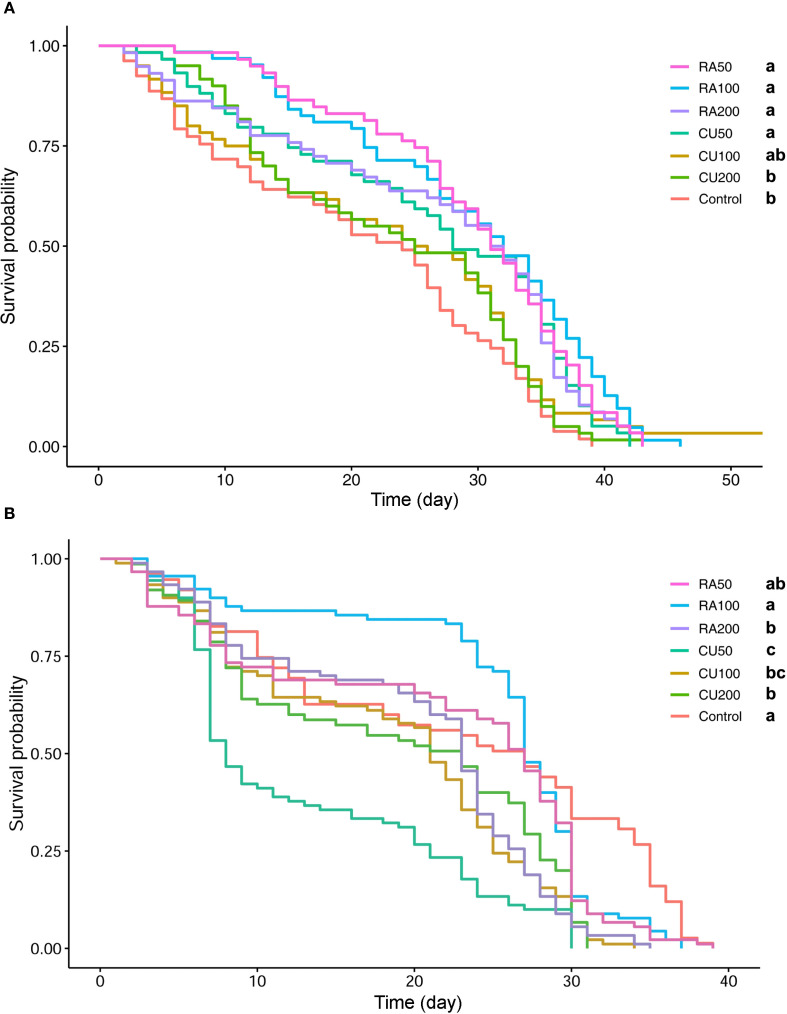 Figure 1
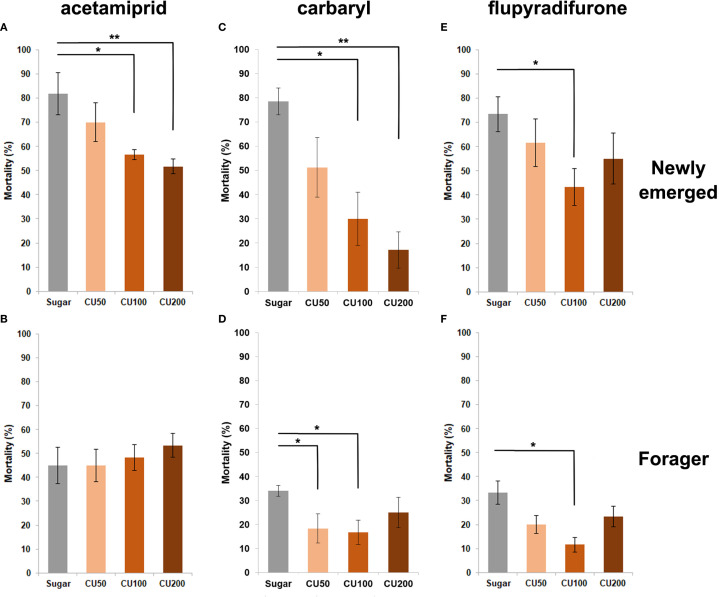 Figure 2
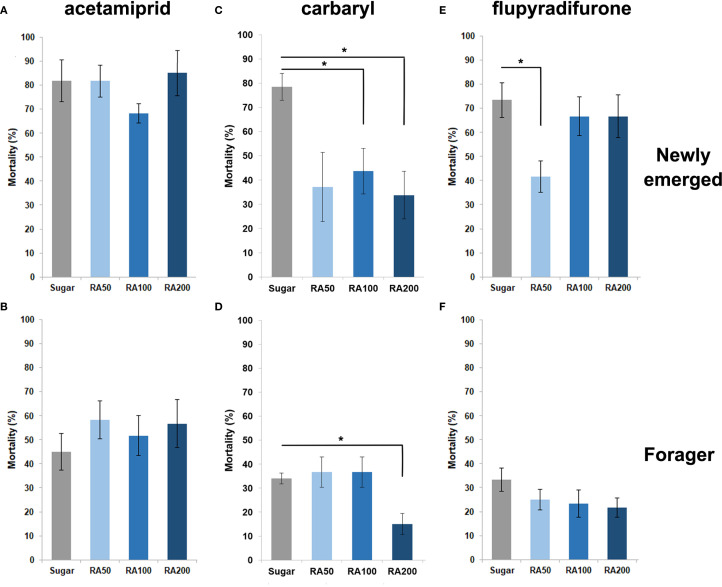 Figure 3
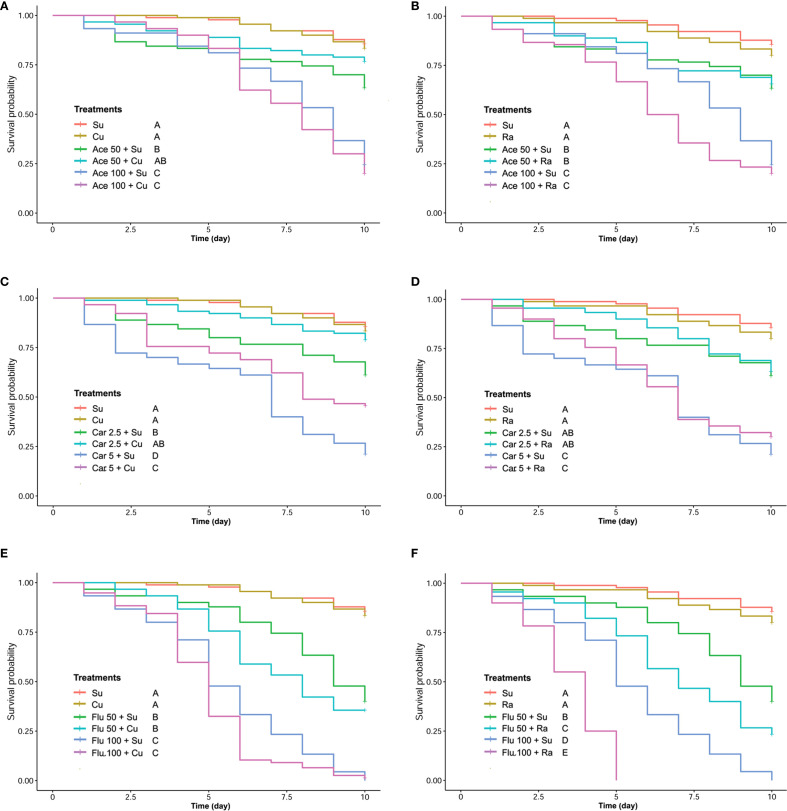 Figure 4
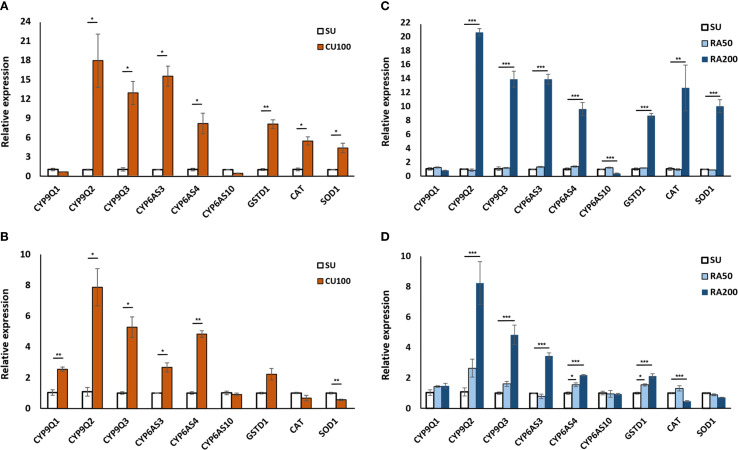 Figure 5
Peer Reviews
No public reviews on file for this paper yet. If you reviewed it on a platform where reviews are public (OpenReview, ICLR, NeurIPS, ICML), you can paste yours below so the community can read it here.
Videos
No videos yet. Explain this paper in a talk, walkthrough, or lecture? Add one.
Taxonomy
TopicsInsect and Pesticide Research · Bee Products Chemical Analysis · Insect Pest Control Strategies