Case Report: Analysis of short-term clinical efficacy of trilaciclib in patients with advanced lung neuroendocrine carcinoma undergoing chemotherapy
Yan Zeng, Nan Lin

TL;DR
This case report examines how trilaciclib, a CDK4/6 inhibitor, reduces chemotherapy-related myelosuppression in patients with advanced lung neuroendocrine carcinoma.
Contribution
The study provides new clinical evidence on trilaciclib's efficacy in reducing myelosuppression without affecting chemotherapy outcomes in a rare cancer type.
Findings
Trilaciclib significantly reduced grade 3 or higher myelosuppression in patients undergoing platinum-based chemotherapy.
Use of trilaciclib did not compromise the anti-tumor effects of chemotherapy or immunotherapy.
The drug may improve treatment tolerance and quality of life for patients with lung neuroendocrine carcinoma.
Abstract
Lung neuroendocrine carcinoma is a rare heterogeneous tumor with the characteristics of high invasiveness, low incidence, and poor survival prognosis. Currently, there is a lack of effective treatment measures, and treatment strategies are mostly extrapolated from small cell lung cancer and non-small cell lung cancer protocols. Studies have shown that more than 55% of patients with extensive-stage small cell lung cancer experience grade 3 or higher myelosuppression after receiving platinum/etoposide-containing chemotherapy, including neutropenia, anemia, and thrombocytopenia. myelosuppression can also increase the risks of infection, bleeding, etc. Severe myelosuppression may delay treatment, reduce dosage, stop medication, and cause other risks that affect tumor prognosis. The results of the study showed that the incidence of grade 3 or higher myelosuppression in patients using…
Genes, proteins, chemicals, diseases, species, mutations and cell lines named across the full text — each resolved to its canonical identifier and authoritative record.
Click any figure to enlarge with its caption.
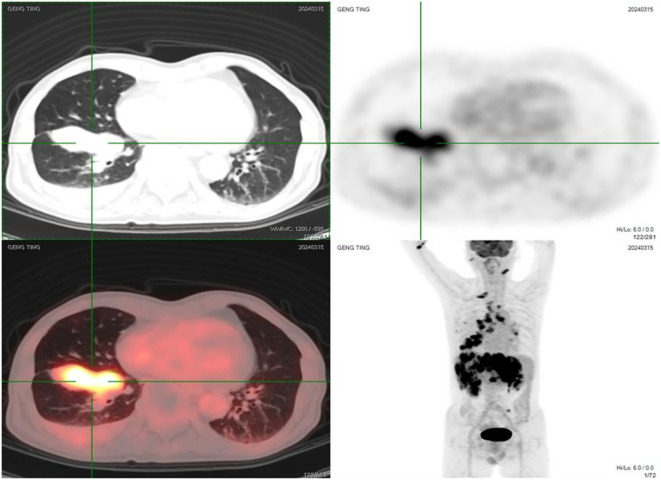 Figure 1
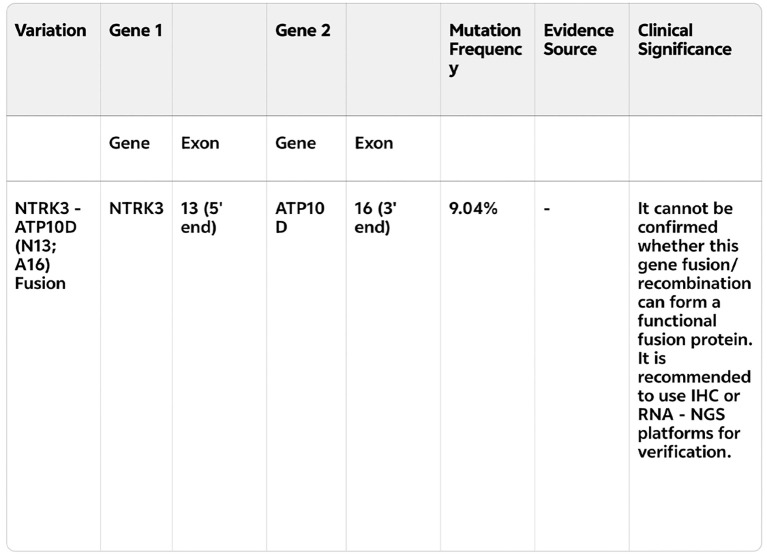 Figure 2
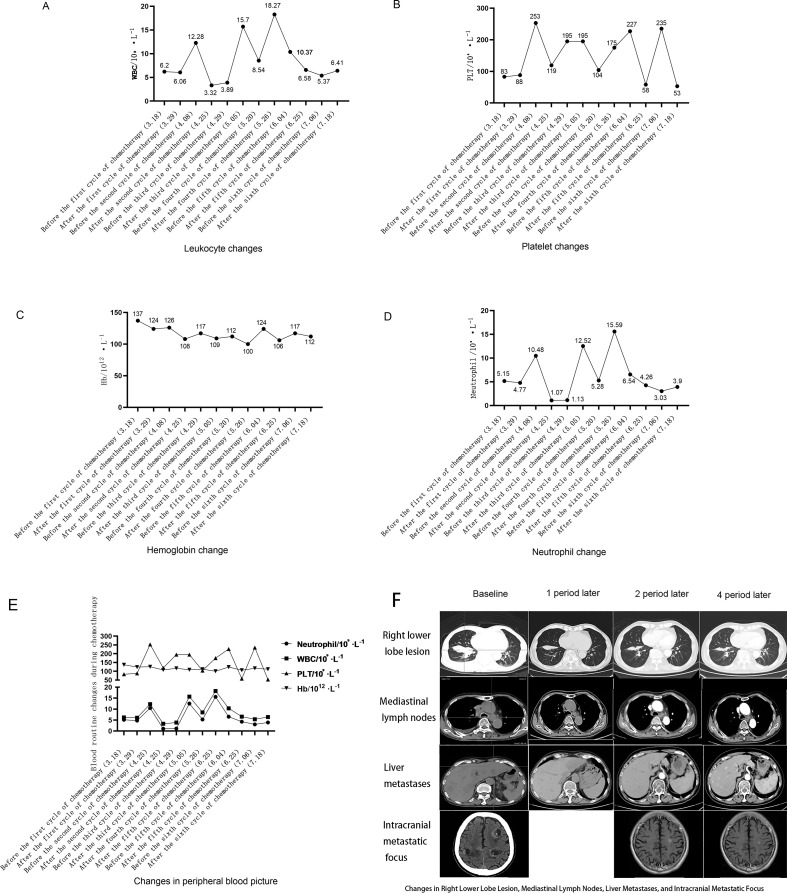 Figure 3
Peer Reviews
No public reviews on file for this paper yet. If you reviewed it on a platform where reviews are public (OpenReview, ICLR, NeurIPS, ICML), you can paste yours below so the community can read it here.
Videos
No videos yet. Explain this paper in a talk, walkthrough, or lecture? Add one.
Taxonomy
TopicsLung Cancer Research Studies · Neuroendocrine Tumor Research Advances · Gestational Trophoblastic Disease Studies