Humoral immune activation within tertiary lymphoid structures is correlated with poor outcomes in oral lichen planus and lichenoid lesions
Xiaojie Yang, Annan Dai, Yirao Lai, Lei Pan, Yiwen Deng, Xuemin Shen, Xiaozhe Han, Lei Sun, Yufeng Wang, Guoyao Tang

TL;DR
The study finds that B cell and plasma cell activity in immune structures in the mouth correlates with worse outcomes in chronic immune disorders like oral lichen planus.
Contribution
The study identifies a humoral immune activation axis in tertiary lymphoid structures linked to poor clinical outcomes in oral lichen planus and lichenoid lesions.
Findings
Two immune subtypes were identified based on gene expression patterns in oral lichen planus lesions.
B cell and plasma cell infiltration in tertiary lymphoid structures correlates with erosive and recurrent disease.
Humoral activation markers are associated with unfavorable clinical outcomes in OLP/OLL.
Abstract
Oral lichen planus (OLP) and oral lichenoid lesions (OLL) are chronic immune-mediated mucosal disorders with heterogeneous clinical presentations. While T cell-mediated mechanisms have been extensively studied, the role of humoral immunity, particularly B cell activation and plasma cell differentiation, remains insufficiently understood. RNA sequencing datasets from healthy oral mucosa and OLP lesions were integrated and analyzed to identify differentially expressed genes. Consensus clustering based on a validated tertiary lymphoid structure (TLS) signature genes (TSGs) was used to define immune subtypes. Associations with clinical severity and recurrence were validated in an independent RNA-seq cohort. Immunohistochemistry analysis of CD20+ B cells and CD38+ plasma cells was conducted in a separate clinical cohort of OLP/OLL patients. Based on TSGs, two immune subtypes were…
Genes, proteins, chemicals, diseases, species, mutations and cell lines named across the full text — each resolved to its canonical identifier and authoritative record.
Click any figure to enlarge with its caption.
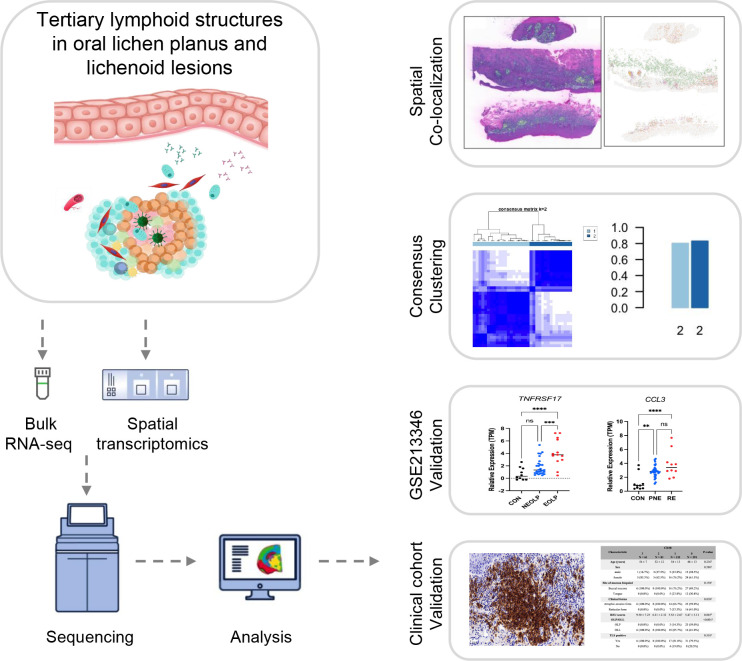 Figure 1
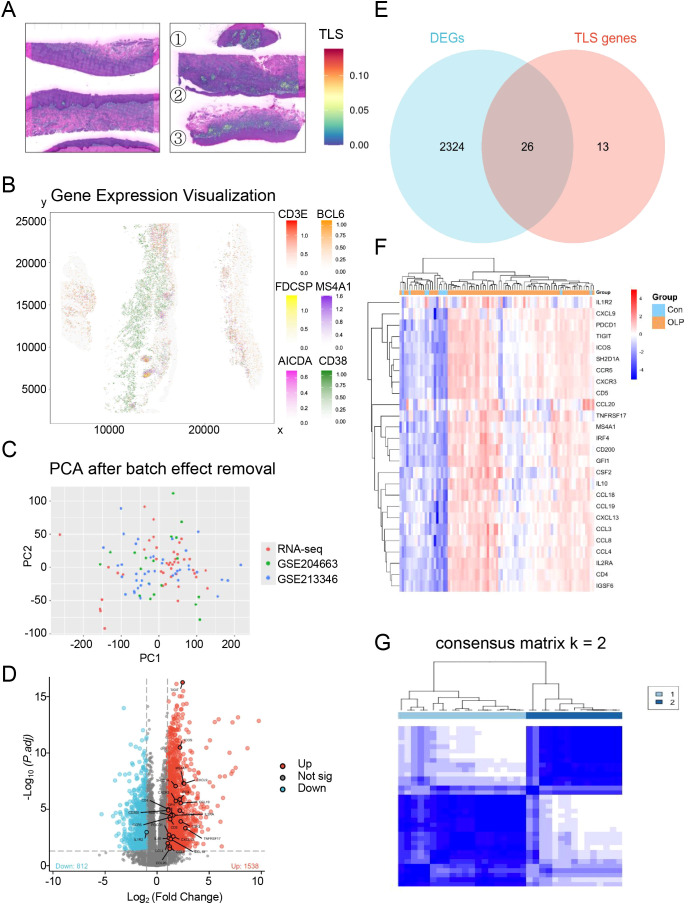 Figure 2
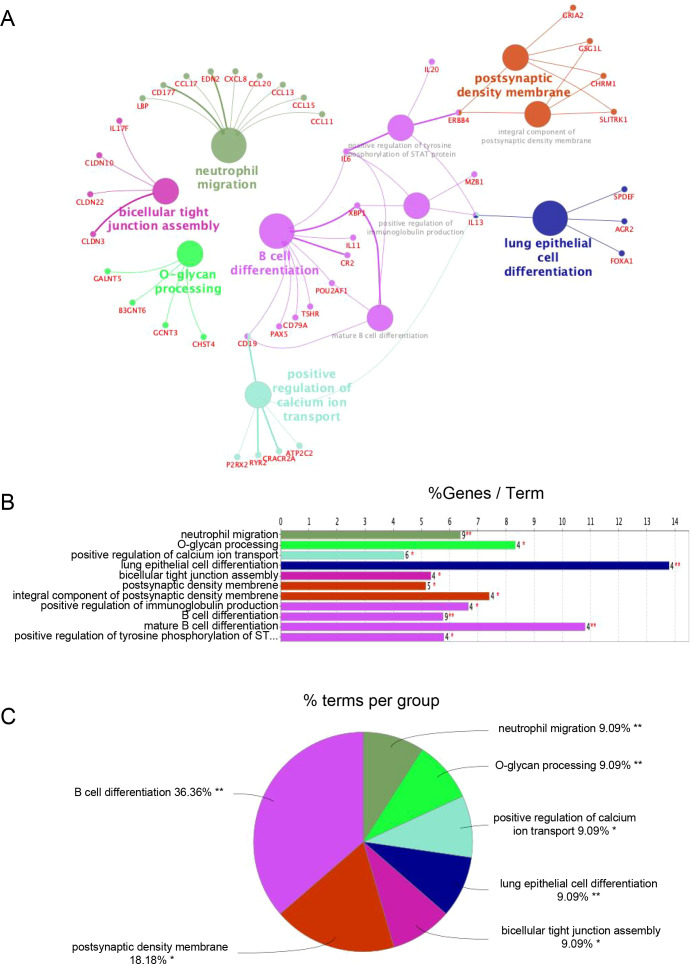 Figure 3
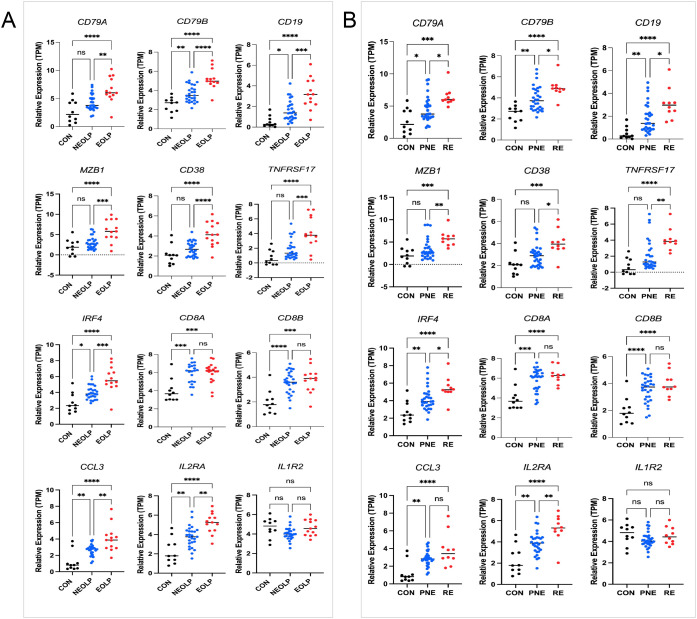 Figure 4
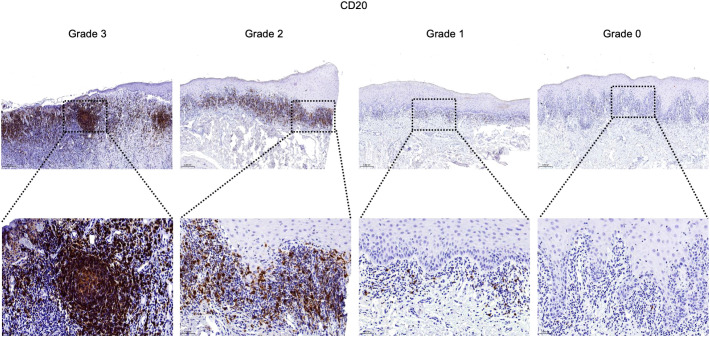 Figure 5
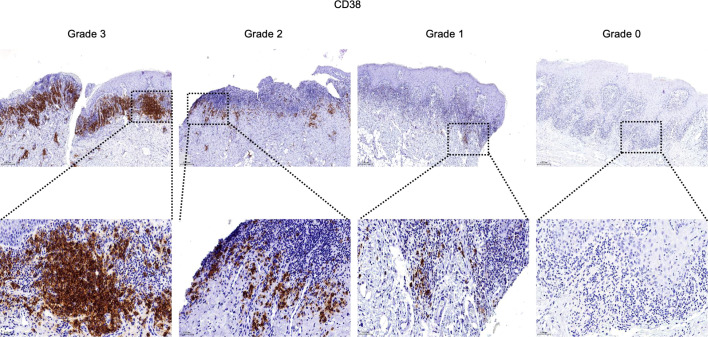 Figure 6
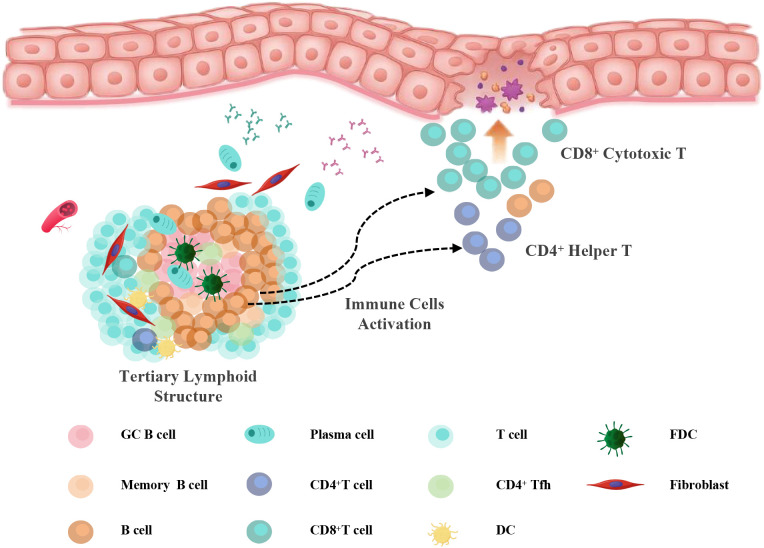 Figure 7
Peer Reviews
No public reviews on file for this paper yet. If you reviewed it on a platform where reviews are public (OpenReview, ICLR, NeurIPS, ICML), you can paste yours below so the community can read it here.
Videos
No videos yet. Explain this paper in a talk, walkthrough, or lecture? Add one.
Taxonomy
TopicsOral Health Pathology and Treatment · Salivary Gland Tumors Diagnosis and Treatment · Cancer and Skin Lesions