Development of a diagnostic model for MASLD and identification of daidzein as the potential drug using bioinformatics analysis and experiments
Tao Wang, Hao Zhang, Kaixia Wang, Chunxue Liu, Nan Kong, Luocheng Zhou, Lihong Qu

TL;DR
This study develops a diagnostic model for MASLD and identifies daidzein as a potential treatment using bioinformatics and experiments.
Contribution
The study introduces a 17-gene model for MASLD prediction and identifies daidzein as a potential therapeutic agent.
Findings
A 17-gene signature was identified as an optimal predictive model for MASLD.
Daidzein was found to reduce lipid accumulation in an in vitro fatty liver model.
ENO3 was highlighted as a key gene associated with MASLD severity.
Abstract
Metabolic dysfunction-associated steatotic liver disease (MASLD) is now the predominant chronic liver disease globally, yet effective therapeutic strategies remain elusive. MASLD-related datasets were download from GEO. Subsequently, genes associated with MASLD were found through the intersection of differentially expressed genes and WGCNA. Then, key candidate genes were further screened using 113 machine learning algorithms and their diagnostic value was evaluated using ROC curve analysis across multiple datasets. Genes are then screened by Shapley Additive exPlanations (SHAP) analysis. Molecular docking (MD) and molecular dynamics simulations (MDS) were employed to validate the interaction between Daidzein and Enolase 3 (ENO3). Finally, an in vitro fatty liver cell model was constructed to validate the “Enrichr” platform to identify poteitial drugs for MASLD. 62 MASLD-DEGs were…
Genes, proteins, chemicals, diseases, species, mutations and cell lines named across the full text — each resolved to its canonical identifier and authoritative record.
Click any figure to enlarge with its caption.
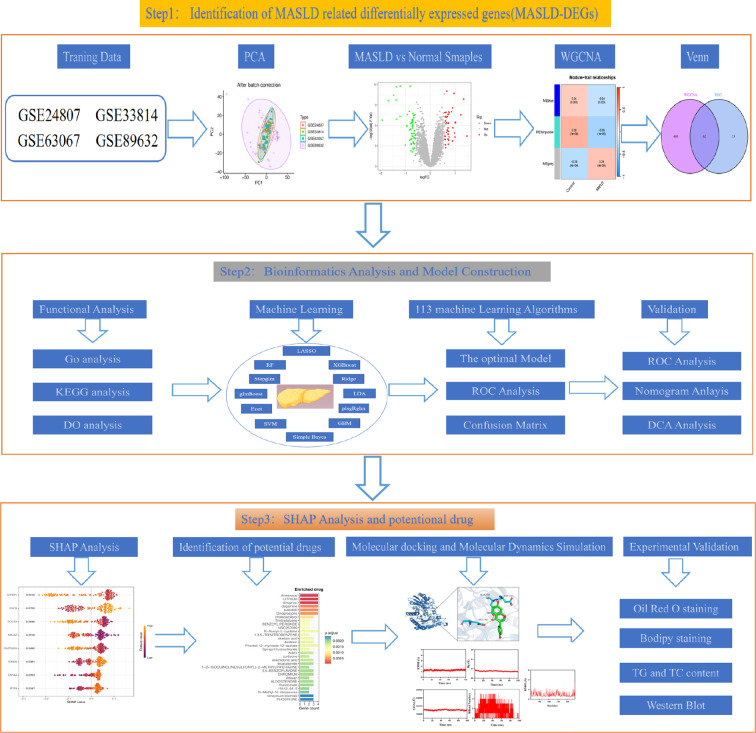 Figure 1
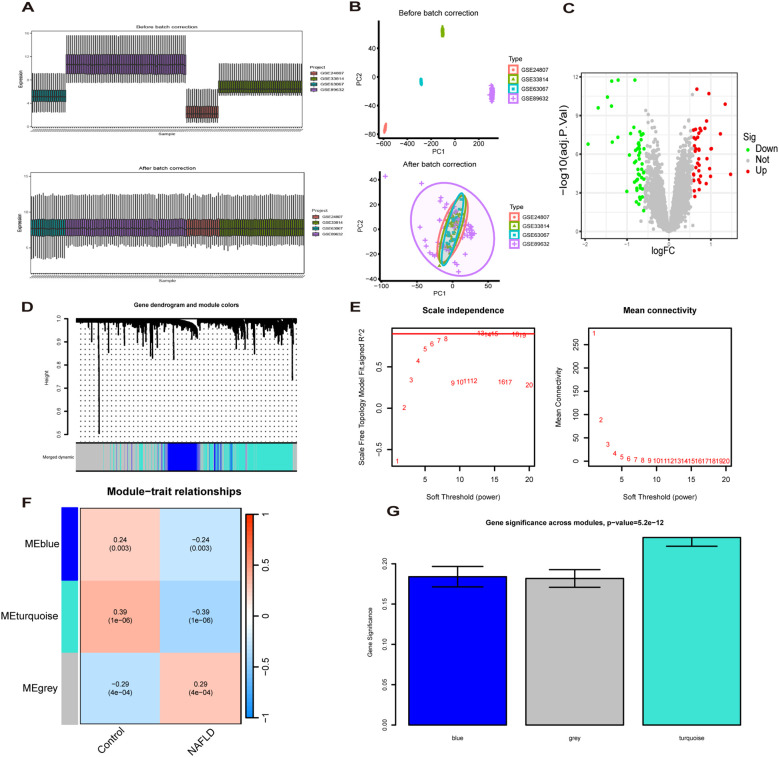 Figure 2
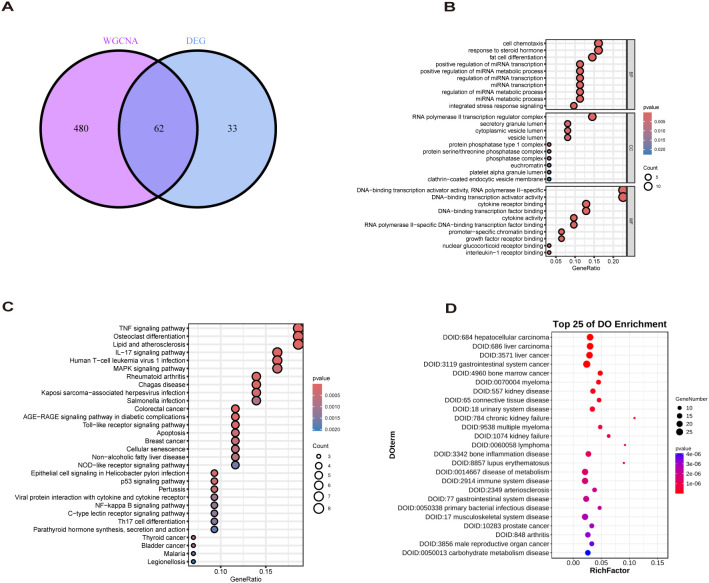 Figure 3
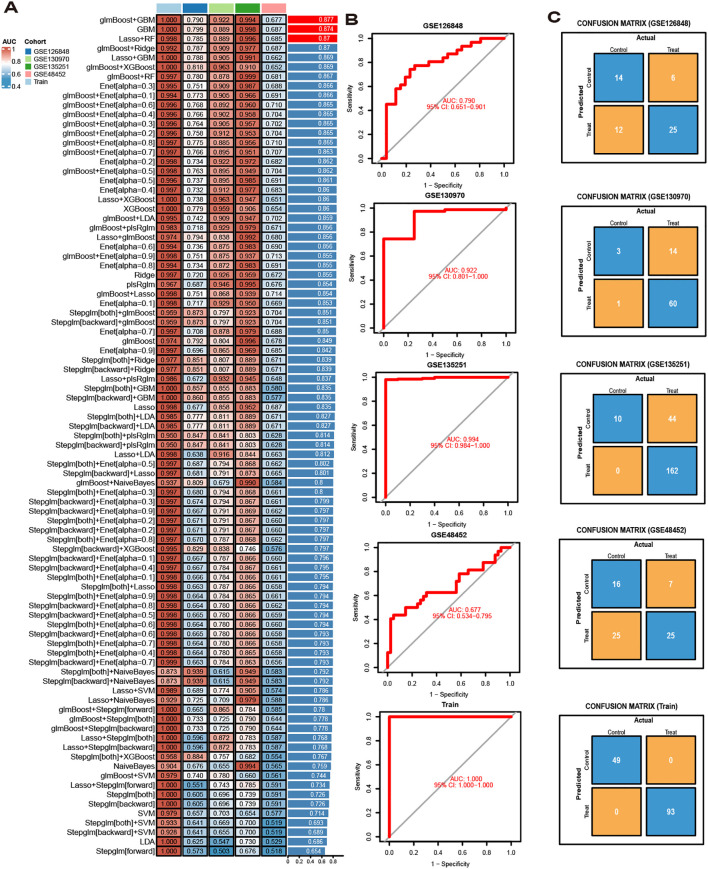 Figure 4
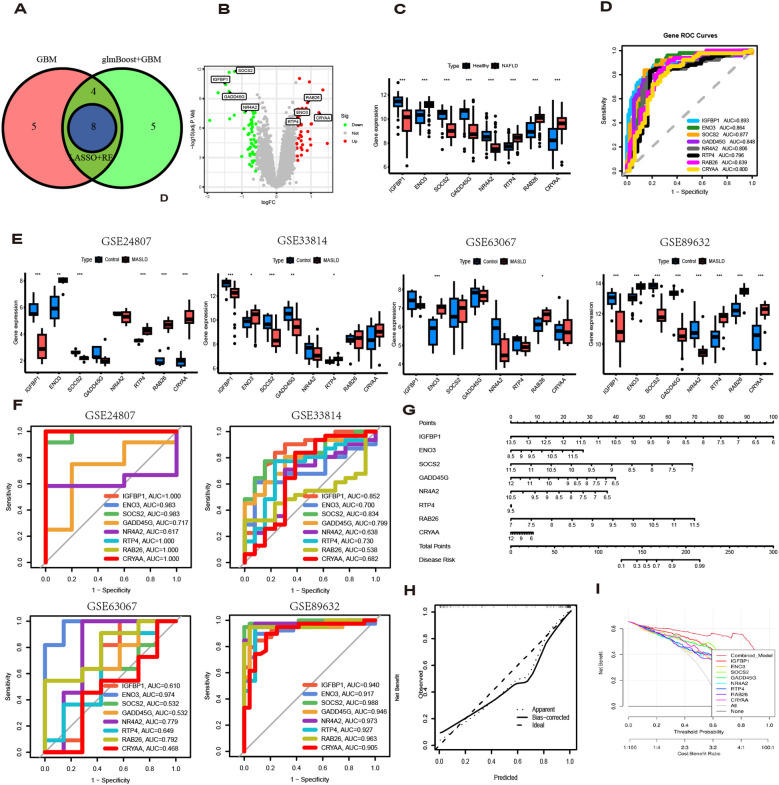 Figure 5
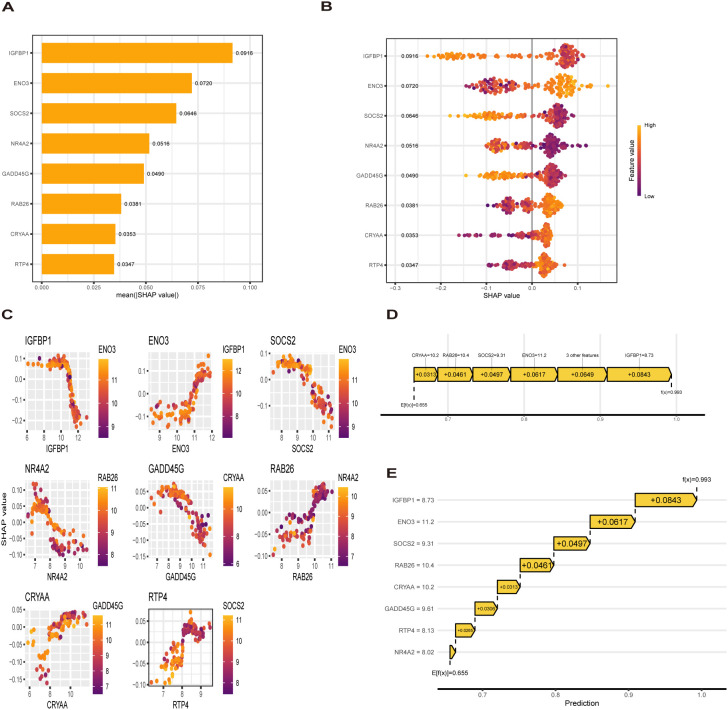 Figure 6
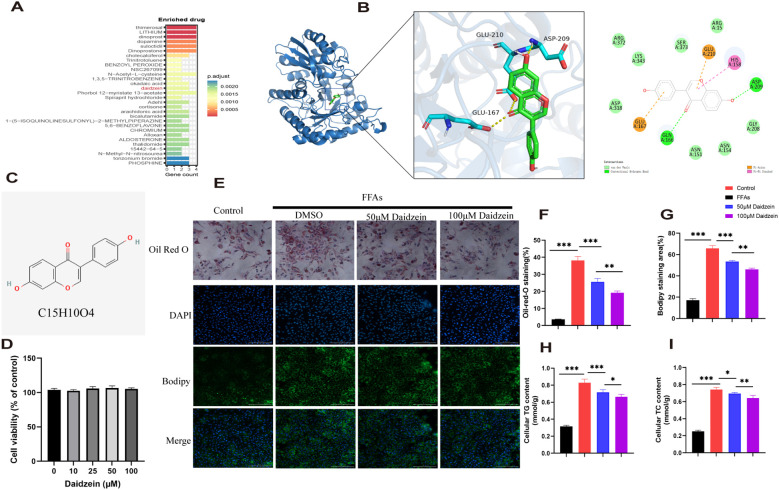 Figure 7
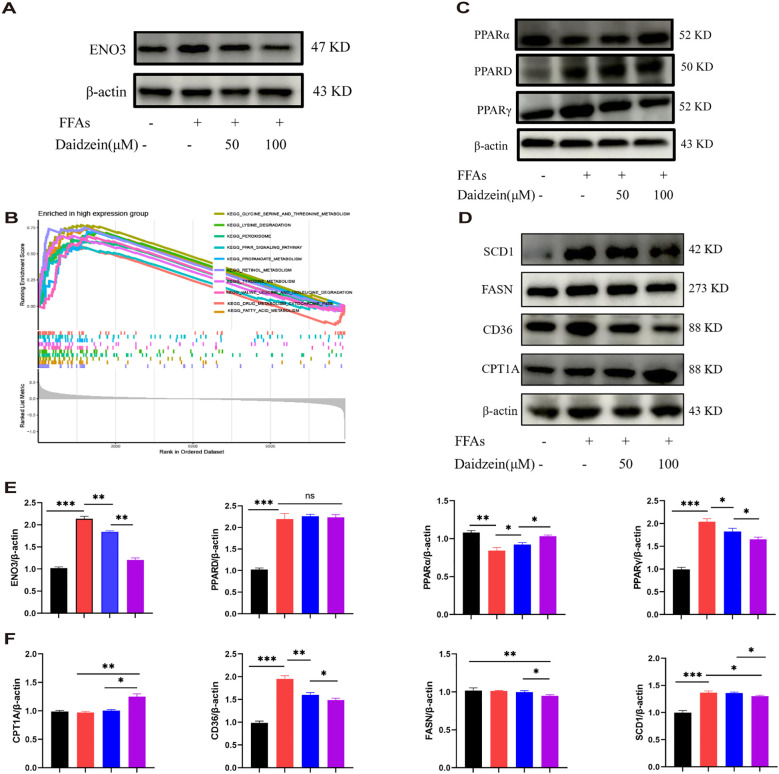 Figure 8
Peer Reviews
No public reviews on file for this paper yet. If you reviewed it on a platform where reviews are public (OpenReview, ICLR, NeurIPS, ICML), you can paste yours below so the community can read it here.
Videos
No videos yet. Explain this paper in a talk, walkthrough, or lecture? Add one.
Taxonomy
TopicsPhytoestrogen effects and research · Liver Disease Diagnosis and Treatment · Diet, Metabolism, and Disease