Incidence and factors associated with postoperative delirium after primary total joint arthroplasty in older adults: a systematic review and meta-analysis
Yandong Ni, Xu Yang, Yuelai Yang, Huachun Zhang, Sheng Peng

TL;DR
This study finds that 13.6% of older adults experience delirium after joint replacement surgery, and identifies risk factors like age and chronic diseases.
Contribution
The study provides a systematic review and meta-analysis of postoperative delirium incidence and risk factors in older adults undergoing total joint arthroplasty.
Findings
The pooled incidence of postoperative delirium after TJA in older adults is 13.6%.
Advanced age, chronic diseases, and certain medical conditions are associated with increased delirium risk.
Higher educational attainment is a protective factor against postoperative delirium.
Abstract
The proportion of older adults undergoing total joint arthroplasty (TJA) is increasing annually. Postoperative delirium (POD) is a common and serious complication among older adults after surgery. However, the incidence and factors associated with POD following primary TJA in this population remain unclear. This study aimed to assess the incidence of delirium after primary TJA in older adults and to identify factors associated with POD through a meta-analytic approach. A systematic literature search was performed in PubMed, Embase, Web of Science, and the Cochrane Library for studies published from inception to June 2025. Observational studies reporting POD incidence following TJA, including total hip arthroplasty and total knee arthroplasty in older adults (aged ≥60 years), were included. Pooled incidence rates and factors associated with POD were estimated using a random-effects…
Genes, proteins, chemicals, diseases, species, mutations and cell lines named across the full text — each resolved to its canonical identifier and authoritative record.
Click any figure to enlarge with its caption.
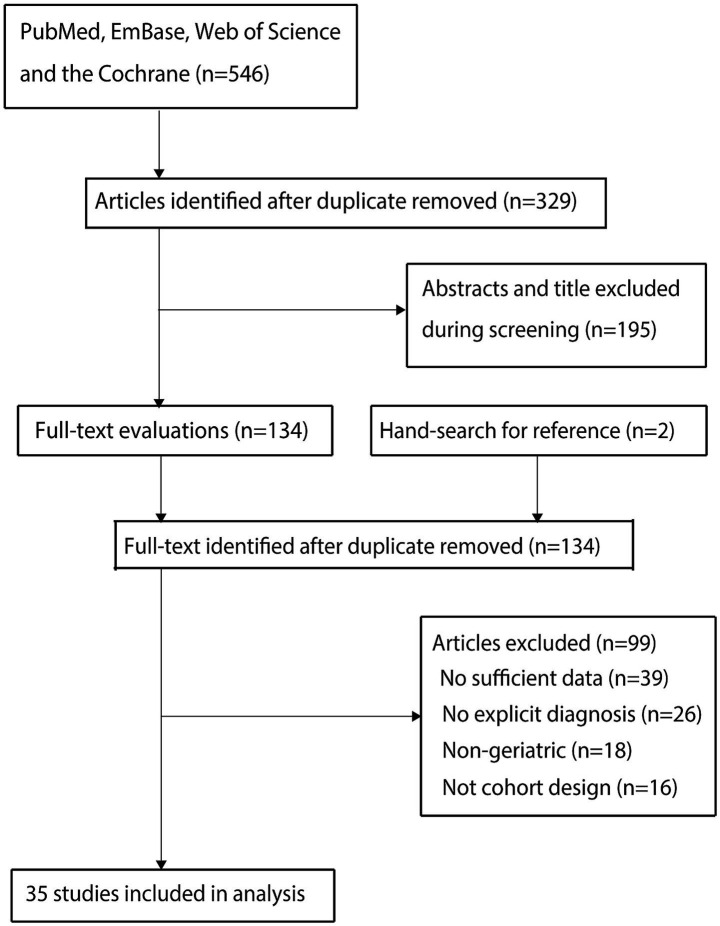 Figure 1
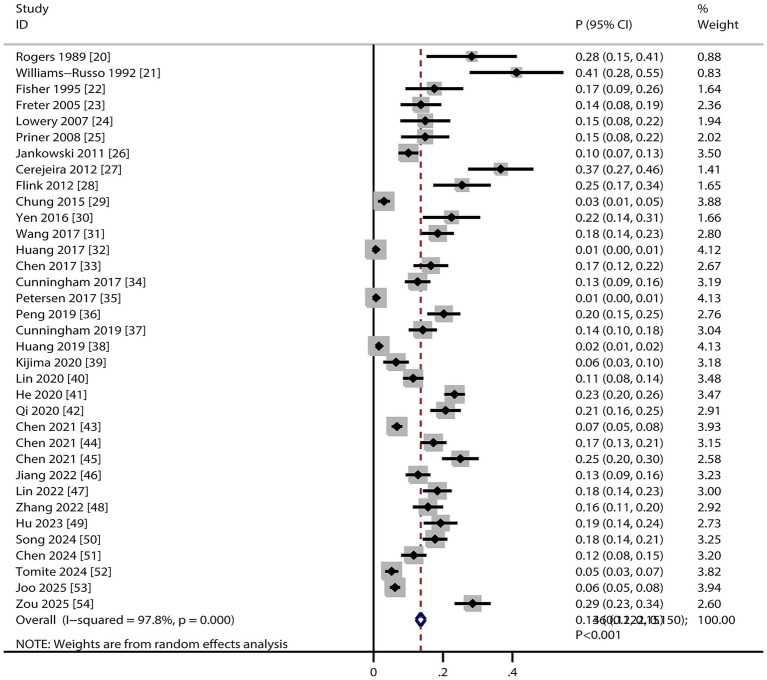 Figure 2
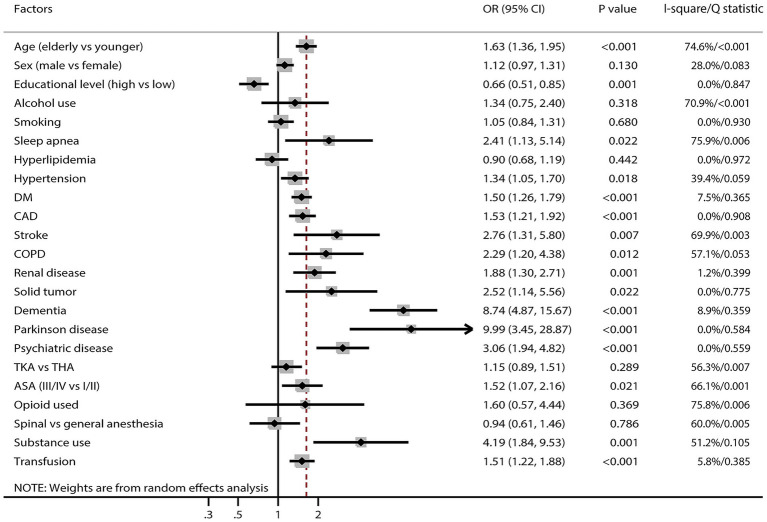 Figure 3
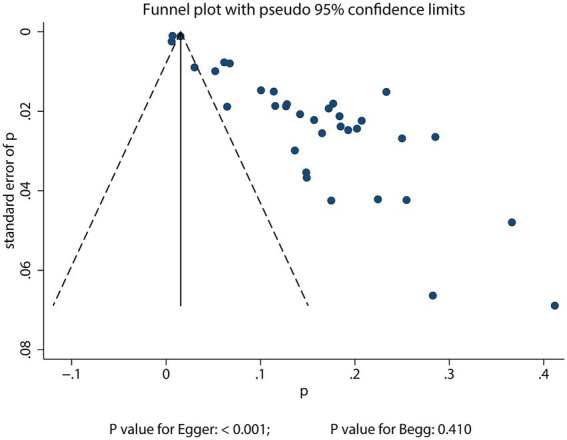 Figure 4
Peer Reviews
No public reviews on file for this paper yet. If you reviewed it on a platform where reviews are public (OpenReview, ICLR, NeurIPS, ICML), you can paste yours below so the community can read it here.
Videos
No videos yet. Explain this paper in a talk, walkthrough, or lecture? Add one.
Taxonomy
TopicsIntensive Care Unit Cognitive Disorders · Anesthesia and Sedative Agents · Anesthesia and Neurotoxicity Research