Equine adipose-derived stem cells modulate in vitro neutrophil extracellular trap release by polymorphonuclear neutrophils
Constanza Salinas-Varas, Gabriel Espinosa, Tamara Muñoz-Caro, Iván Conejeros, Ulrich Gärtner, Kerstin Fey, Stefan Arnhold, Anja Taubert, Carlos Hermosilla

TL;DR
Equine stem cells reduce the release of neutrophil extracellular traps, which are part of the immune system's response to infection.
Contribution
This study is the first to show that equine adipose-derived stem cells can modulate neutrophil extracellular trap formation in vitro.
Findings
Equine adipose-derived stem cells significantly decrease neutrophil extracellular trap release when co-cultured with PMN.
The inhibition of NET formation depends on the ratio of stem cells to neutrophils.
No effect on reactive oxygen species production was observed in PMN co-cultured with stem cells.
Abstract
Neutrophil extracellular trap (NET) are thin and long web-like structures composed of DNA and antimicrobial proteins released by activated polymorphonuclear neutrophils (PMN) as part of the innate immune response. Adipose-derived stem cells (ADSCs) represent an accessible, abundant and minimal invasive source of mesenchymal stem cells (MSCs), with high regenerative potential, immunomodulatory and anti-inflammatory properties. Although recognized immunomodulatory properties of ADSCs, their interaction with PMN and their role on NET formation remains poorly characterized. The present study aimed to evaluate the in vitro effects of equine ADSCs on NET formation by equine PMN. Equine ADSCs were isolated from two different sources of adipose tissue, subcutaneous and retroperitoneal adipose stores. Equine PMN were isolated from peripheral blood with a discontinuous density gradient and…
Genes, proteins, chemicals, diseases, species, mutations and cell lines named across the full text — each resolved to its canonical identifier and authoritative record.
Click any figure to enlarge with its caption.
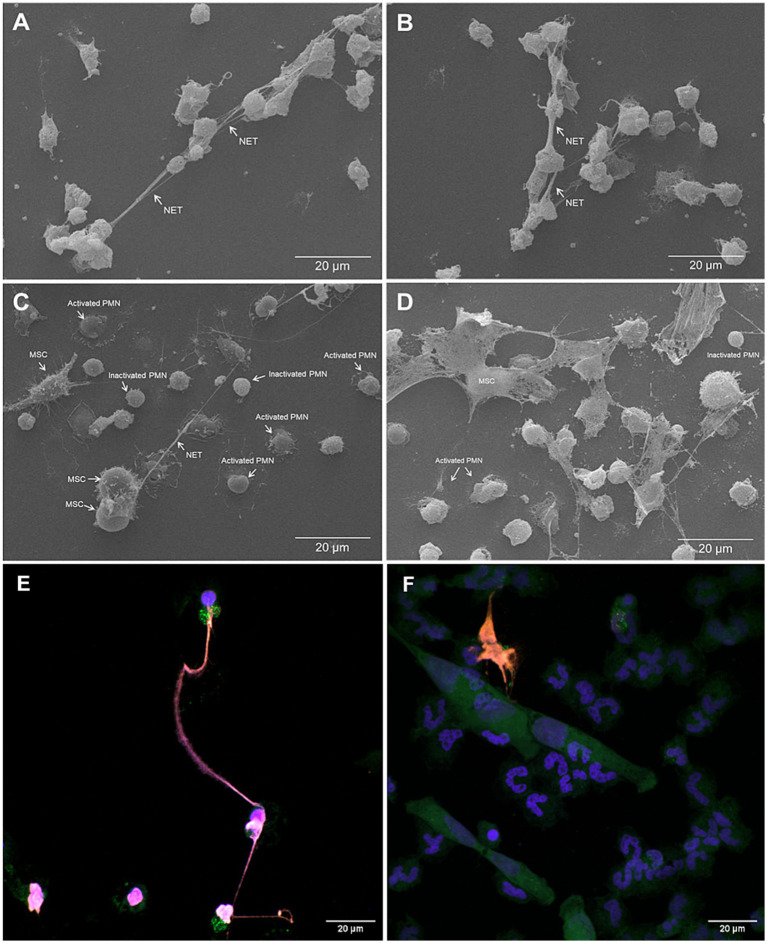 Figure 1
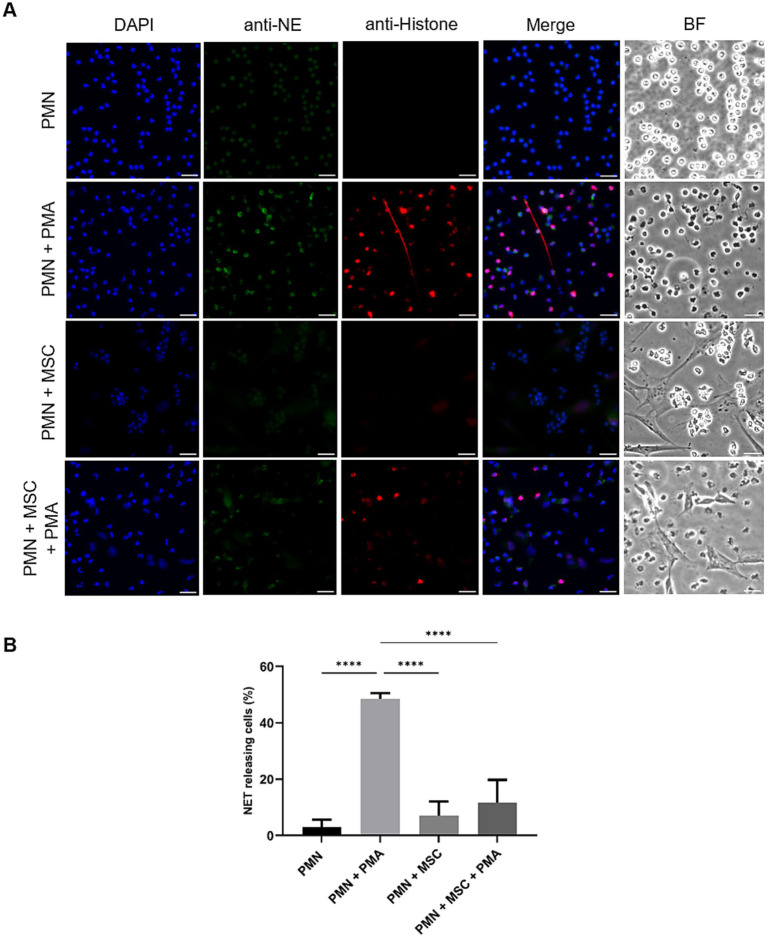 Figure 2
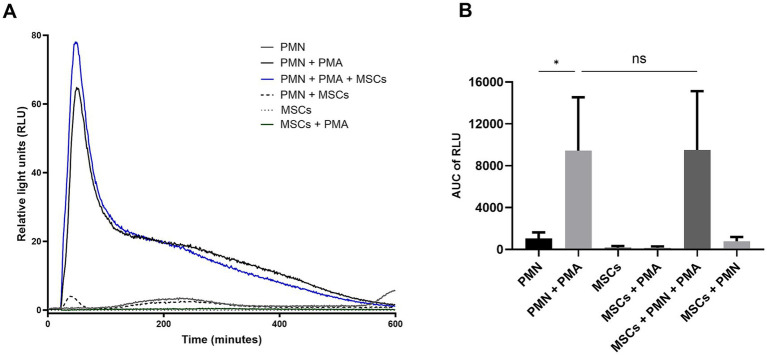 Figure 3
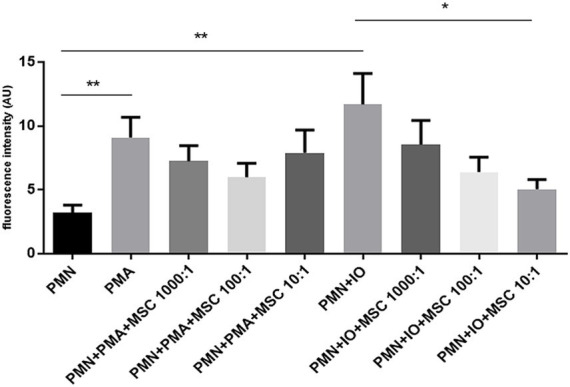 Figure 4
Peer Reviews
No public reviews on file for this paper yet. If you reviewed it on a platform where reviews are public (OpenReview, ICLR, NeurIPS, ICML), you can paste yours below so the community can read it here.
Videos
No videos yet. Explain this paper in a talk, walkthrough, or lecture? Add one.
Taxonomy
TopicsNeutrophil, Myeloperoxidase and Oxidative Mechanisms · Immune cells in cancer · Immune Response and Inflammation