Human endogenous retroviruses in schizophrenia: clinical evidence, molecular mechanisms, and implications
Mengyu Zhang, Xiaoge Wang, Yun Liu, Chenxuan Bao, Qing Gao, Lingxiang Mao

TL;DR
This paper reviews how human endogenous retroviruses (HERVs) may contribute to schizophrenia by causing inflammation and genetic disruptions, suggesting they could be used as biomarkers or therapeutic targets.
Contribution
The paper synthesizes clinical and molecular evidence linking HERV-W and HERV-K to schizophrenia, highlighting their potential as biomarkers and therapeutic targets.
Findings
Elevated HERV-W and HERV-K transcripts are consistently found in schizophrenia patients.
HERV-W env activates TLR4/MyD88, disrupting neurotransmitter signaling and causing neuronal damage.
Environmental factors like infections and stress can trigger HERV activation, linking genes and environment in schizophrenia.
Abstract
Human endogenous retroviruses (HERVs), comprising 8% of the human genome, are implicated in schizophrenia, a complex psychiatric disorder driven by genetic, epigenetic, and environmental factors. This review examines the role of HERVs in schizophrenia pathogenesis. We synthesized clinical evidence, molecular mechanisms, and gene-environment interactions from studies on HERVs expression in schizophrenia, focusing on HERV-W and HERV-K in peripheral blood, cerebrospinal fluid, and brain tissues. Elevated HERV-W and HERV-K env and gag transcripts are consistently observed in individuals with schizophrenia, indicating potential diagnostic biomarkers. HERVs contribute to neuroinflammation, neurotoxicity, and epigenetic dysregulation of risk genes. The HERV-W env activates the Toll-like receptor 4 (TLR4)/MyD88 pathway, disrupting glutamatergic and dopaminergic signaling, leading to synaptic…
Genes, proteins, chemicals, diseases, species, mutations and cell lines named across the full text — each resolved to its canonical identifier and authoritative record.
Click any figure to enlarge with its caption.
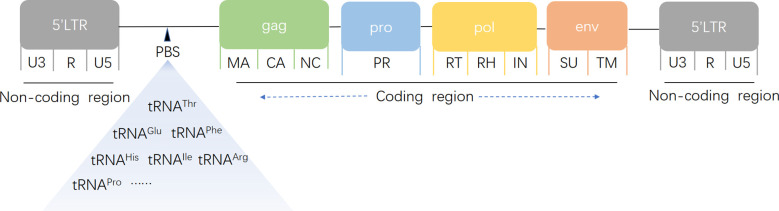 Figure 1
Peer Reviews
No public reviews on file for this paper yet. If you reviewed it on a platform where reviews are public (OpenReview, ICLR, NeurIPS, ICML), you can paste yours below so the community can read it here.
Videos
No videos yet. Explain this paper in a talk, walkthrough, or lecture? Add one.
Taxonomy
TopicsChromosomal and Genetic Variations · Genetics and Neurodevelopmental Disorders · CRISPR and Genetic Engineering