Inferred global dense residue transition graphs from primary structure sequences enable protein interaction prediction via directed graph convolutional neural networks
Islam Akef Ebeid, Haoteng Tang, Pengfei Gu

TL;DR
This paper introduces a new method for predicting protein interactions using directed graphs built from protein sequences, offering a computationally efficient alternative to existing models.
Contribution
A novel two-stage framework, ProtGram-DirectGCN, that uses globally inferred residue transition graphs and a custom directed graph convolutional neural network for PPI prediction.
Findings
ProtGram-DirectGCN performs comparably to established methods on general graph benchmarks.
The framework achieves robust PPI prediction with limited training data.
Directed graph-based representations offer a computationally distinct and effective alternative to PLMs.
Abstract
Accurate prediction of protein-protein interactions (PPIs) is crucial for understanding cellular functions and advancing the development of drugs. While existing in-silico methods leverage direct sequence embeddings from Protein Language Models (PLMs) or apply Graph Neural Networks (GNNs) to 3D protein structures, the main focus of this study is to investigate less computationally intensive alternatives. This work introduces a novel framework for the downstream task of PPI prediction via link prediction. We introduce a two-stage graph representation learning framework, ProtGram-DirectGCN. First, we developed ProtGram, a novel approach that models a protein's primary structure as a hierarchy of globally inferred n-gram graphs. In these graphs, residue transition probabilities, aggregated from a large sequence corpus, define the edge weights of a directed graph of paired residues.…
Genes, proteins, chemicals, diseases, species, mutations and cell lines named across the full text — each resolved to its canonical identifier and authoritative record.
Click any figure to enlarge with its caption.
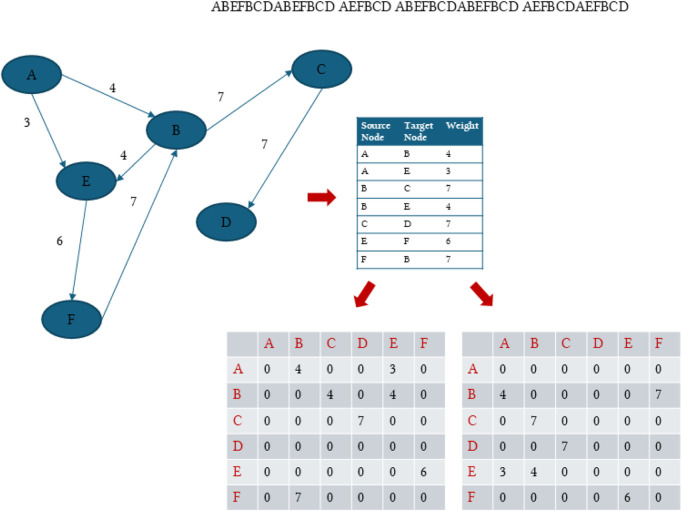 Figure 1
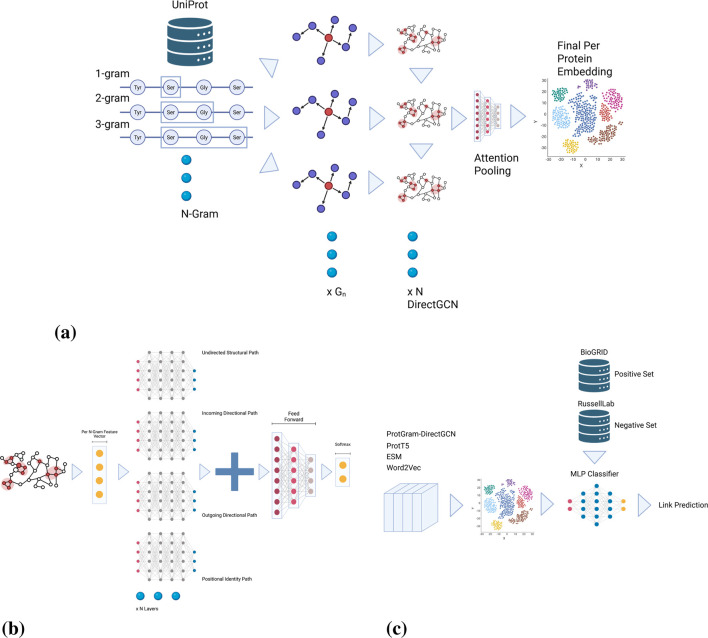 Figure 2
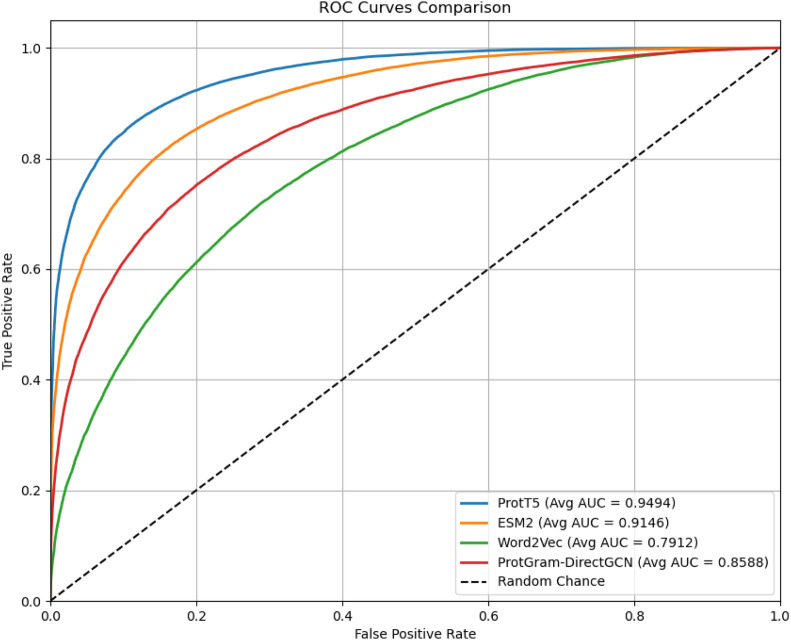 Figure 3
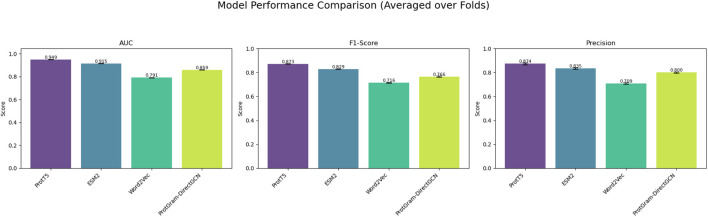 Figure 4
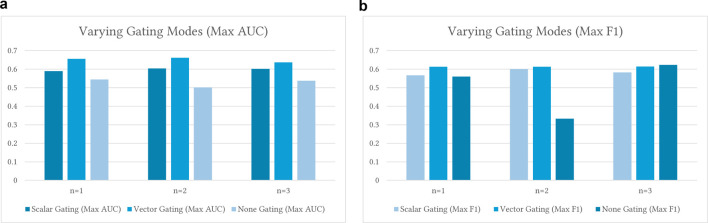 Figure 5
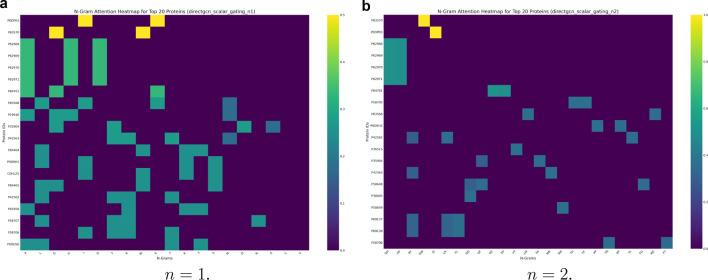 Figure 6
Peer Reviews
No public reviews on file for this paper yet. If you reviewed it on a platform where reviews are public (OpenReview, ICLR, NeurIPS, ICML), you can paste yours below so the community can read it here.
Videos
No videos yet. Explain this paper in a talk, walkthrough, or lecture? Add one.
Taxonomy
TopicsProtein Structure and Dynamics · Bioinformatics and Genomic Networks · Machine Learning in Bioinformatics