Case Report: Molecular and immunological insights into primary extramedullary plasmacytoma: discovery of a novel IGH::NFKB1 fusion and its impact on disease progression and treatment
Ziting Gao, Dongbing Li, Tingting Zhang, Wenfeng Su, Jintao Xu, Yuanjie Zhuang, Rong Cao, Yufei Xie, Xingping Lang, Huafei Chen, Chunlin Fan, Xi Yang, Hongming Huang, Dan Guo

TL;DR
A rare case of primary extramedullary plasmacytoma with a novel IGH::NFKB1 fusion is reported, showing how this genetic change affects disease progression and treatment response.
Contribution
Discovery of a novel IGH::NFKB1 fusion gene in a rare case of primary extramedullary plasmacytoma.
Findings
The IGH::NFKB1 fusion gene led to overexpression of NFKB1, suggesting a role in disease progression.
The patient achieved remission with a combination of chemotherapy, ASCT, and BCMA CAR-T therapy.
The case highlights the potential of targeting the NF-κB pathway in similar rare EMP cases.
Abstract
Extramedullary Plasmacytoma (EMP) is a rare plasma cell neoplasm that originates outside the bone marrow. Primary Extramedullary Plasmacytoma with Diffuse Lymph Node Involvement (PLNEMP) is exceptionally rare. Here, we report a unique case of PLNEMP and significant bone destruction, characterized by a novel IGH::NFKB1 fusion gene. A 60-year-old Chinese male presented with palpable enlarged lymph nodes in the left inguinal region. After completing laboratory tests and examinations, it was suggested that there was monoclonal immunoglobulinemia and multiple bone destruction. Pathological examination of the left inguinal lymph node biopsy showed plasmacytoma with monoclonal gammopathy. Genomic profiling identified a novel IGH::NFKB1 fusion gene. The two 3′ regulatory region (3′RR) enhancers of the IGH locus were fused to a region 379 bp upstream of NFKB1 exon 1, resulting in overexpression…
Genes, proteins, chemicals, diseases, species, mutations and cell lines named across the full text — each resolved to its canonical identifier and authoritative record.
Click any figure to enlarge with its caption.
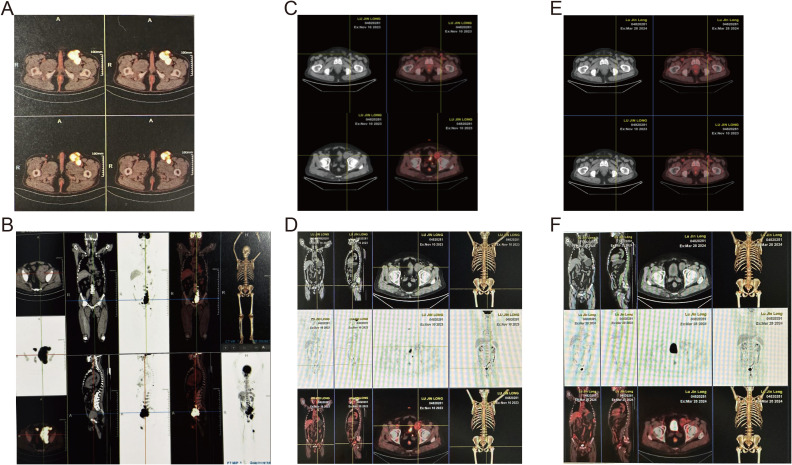 Figure 1
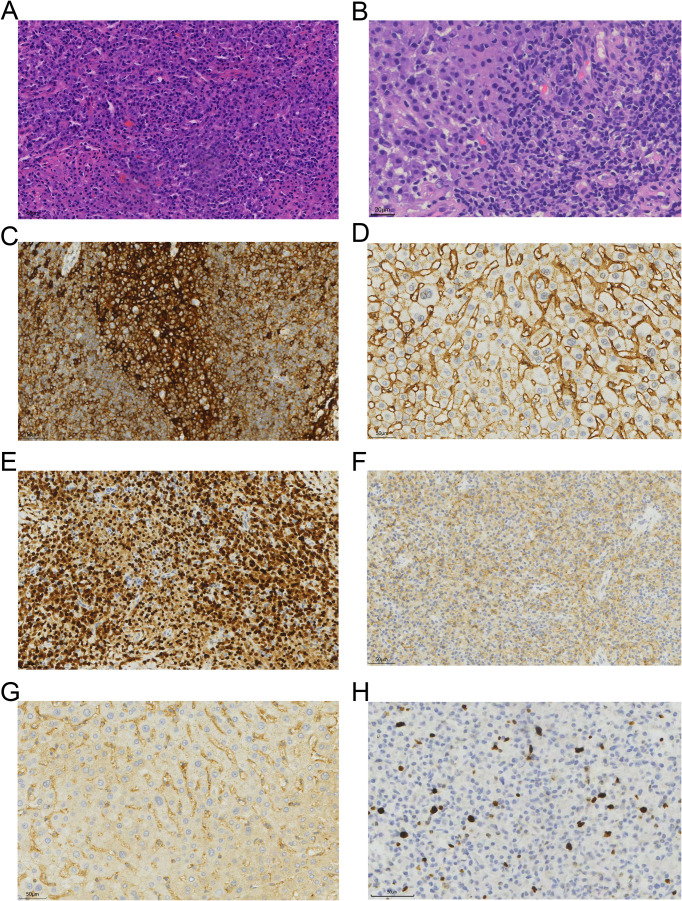 Figure 2
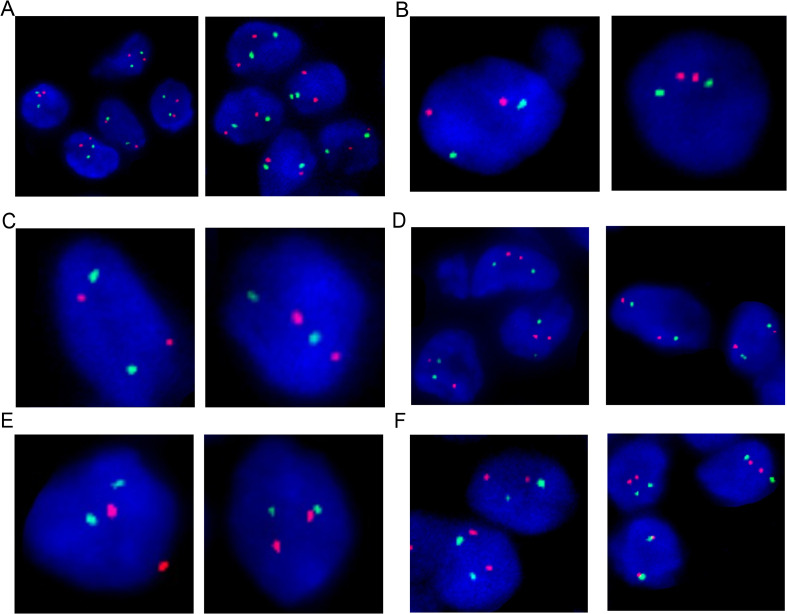 Figure 3
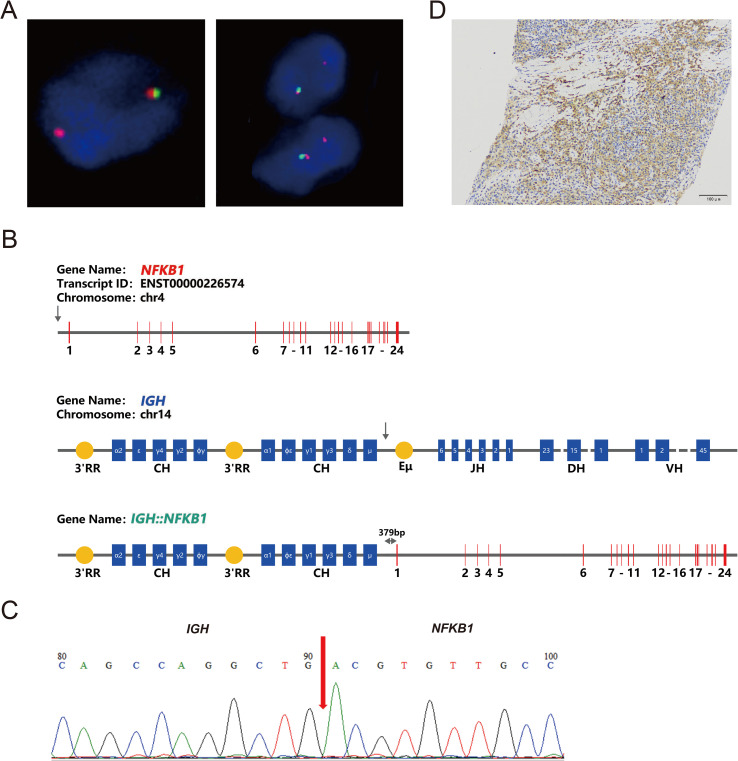 Figure 4
Peer Reviews
No public reviews on file for this paper yet. If you reviewed it on a platform where reviews are public (OpenReview, ICLR, NeurIPS, ICML), you can paste yours below so the community can read it here.
Videos
No videos yet. Explain this paper in a talk, walkthrough, or lecture? Add one.
Taxonomy
TopicsMultiple Myeloma Research and Treatments · Protein Degradation and Inhibitors · Neurofibromatosis and Schwannoma Cases