MODY PDX1P33T: a mouse model reveals phenotypic divergence from human disease
Aliona Harten, Maximilian R. Schmidtke, Florian Giesert, David A. Skerrett-Byrne, Raffaele Teperino, Gerhard K. H. Przemeck, Martin Hrabě de Angelis

TL;DR
A new mouse model for PDX1-MODY shows unexpected differences from human disease, highlighting the need for improved animal models.
Contribution
The first mouse model with the PDX1P33T mutation was created and studied, revealing phenotypic divergence from human PDX1-MODY.
Findings
PDX1P33T mice showed no significant metabolic differences compared to controls.
Male PDX1P33T mice had increased islet size and number on chow diet.
Omics analyses suggested stress resilience reprogramming in PDX1P33T mice.
Abstract
Maturity-onset Diabetes of the Young (MODY) is a rare form of diabetes and arises from mutations in key regulatory genes of the pancreatic beta cell, leading to their functional impairment and early-onset diabetes. Research into PDX1-MODY, a form of MODY caused by mutations in the PDX1 gene, enhances understanding of gene-specific mechanisms underlying glucose dysregulation and provides insights into possible approaches to restore normal metabolic function. However, no currently published mouse model accurately depicts the genetic cause of PDX1-MODY in human patients. Using CRISPR-Cas9 technology, we generated the first mouse model carrying one of the most prevalent pathological PDX1 point mutation found in human patients, P33T, and conducted an 18-week in vivo phenotyping experiment assessing homozygous PDX1P33T and wild-type littermates on both chow and high fat diet (HFD).…
Genes, proteins, chemicals, diseases, species, mutations and cell lines named across the full text — each resolved to its canonical identifier and authoritative record.
Click any figure to enlarge with its caption.
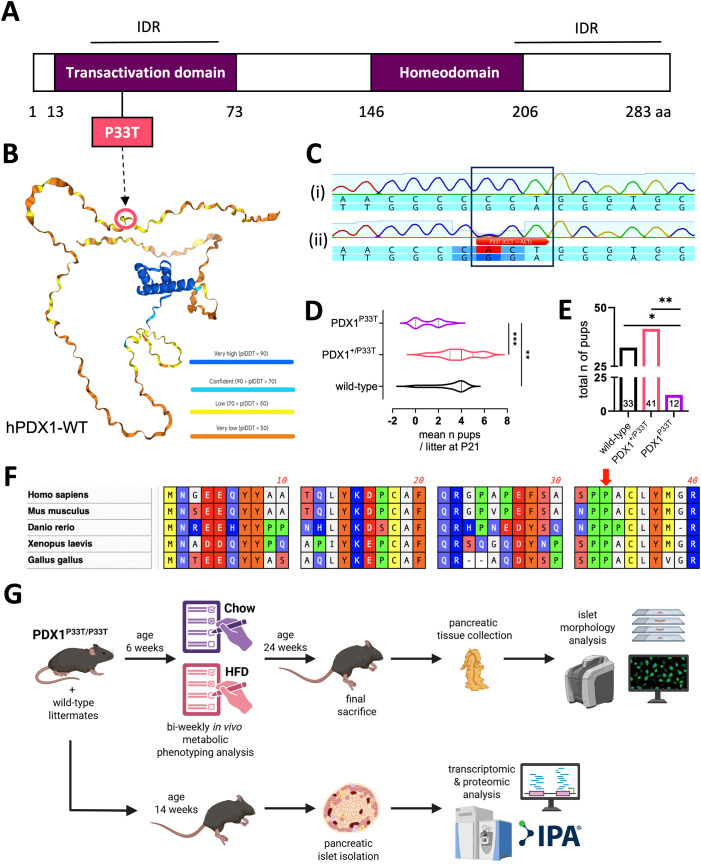 Figure 1
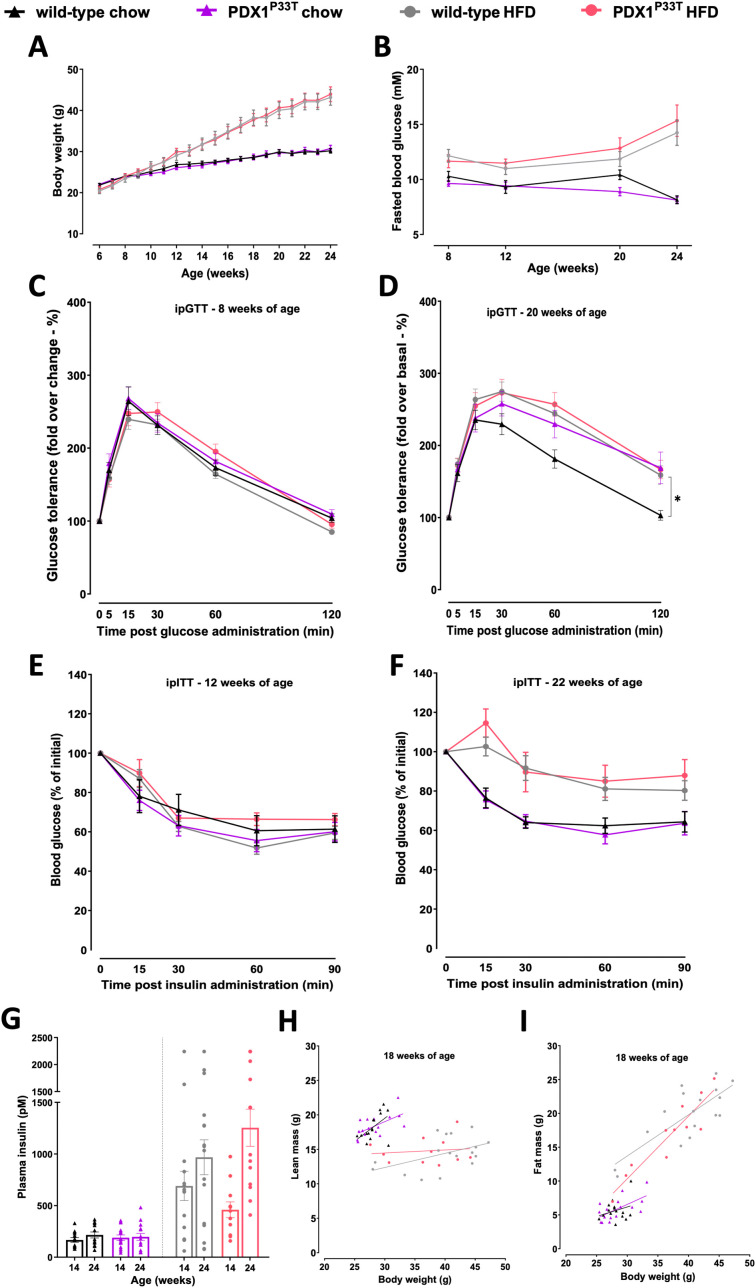 Figure 2
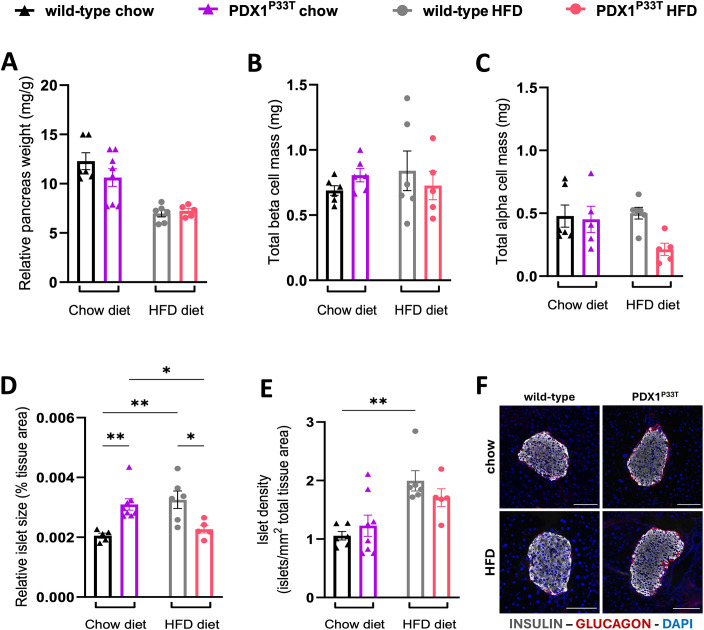 Figure 3
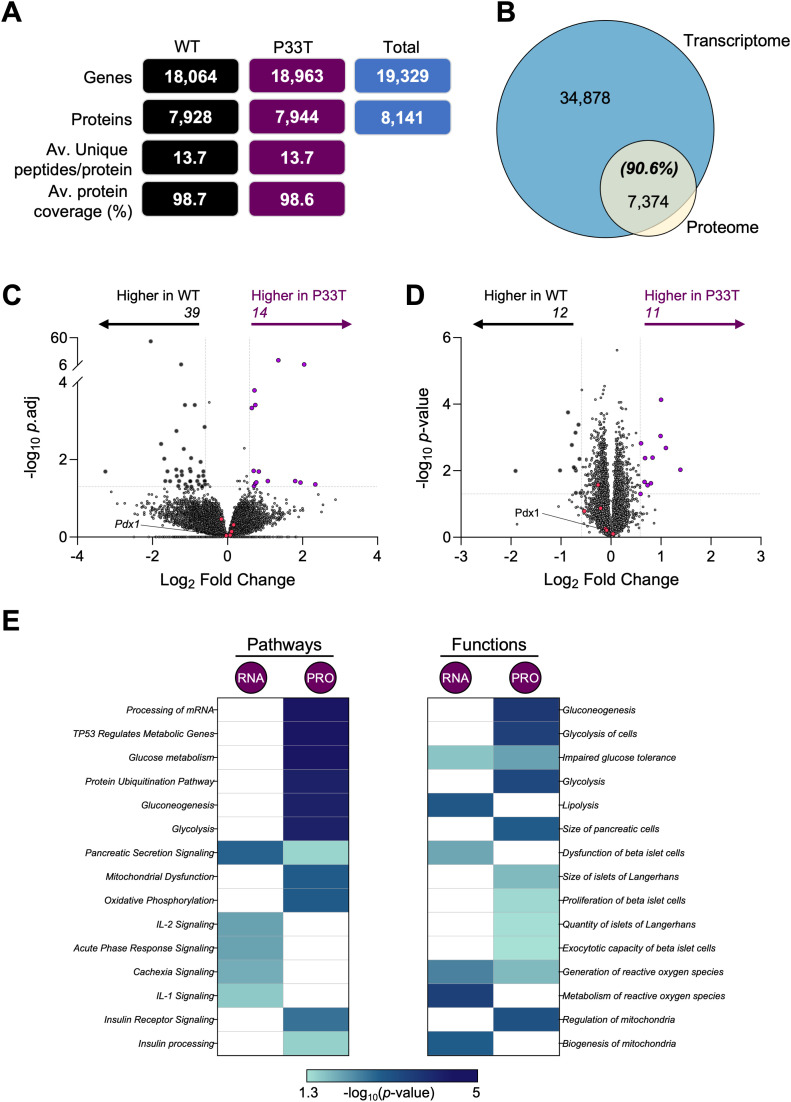 Figure 4
Peer Reviews
No public reviews on file for this paper yet. If you reviewed it on a platform where reviews are public (OpenReview, ICLR, NeurIPS, ICML), you can paste yours below so the community can read it here.
Videos
No videos yet. Explain this paper in a talk, walkthrough, or lecture? Add one.
Taxonomy
TopicsPancreatic function and diabetes · Diabetes and associated disorders · Genetics and Neurodevelopmental Disorders