Severe Idiopathic Secretory Diarrhoea With a Profound Sustained Response to Somatostatin Analogues: A Case Report
Geovanny Gandy, Alexander James Anthony Prudence, Miriam Tania Levy

TL;DR
A woman with severe, unexplained chronic diarrhea showed lasting improvement with somatostatin analogs, even without a confirmed tumor.
Contribution
Demonstrates that somatostatin analogs may effectively treat idiopathic secretory diarrhea without confirmed neuroendocrine tumors.
Findings
The patient's diarrhea resolved rapidly and remained controlled with somatostatin analog therapy.
Diarrhea recurred when therapy was stopped but resolved again upon restarting treatment.
No tumor was found despite extensive diagnostic testing, suggesting a broader role for somatostatin analogs in such cases.
Abstract
Chronic secretory diarrhoea is a diagnostic challenge with a broad differential and significant impact on patient's quality of life. While common causes include microscopic colitis, bile acid diarrhoea, and laxative use, rarer aetiologies such as vasoactive intestinal peptide (VIP)–secreting neuroendocrine tumours (VIPomas) must be considered when standard investigations fail. We present a 35-year-old woman with a two-year history of progressively worsening, fasting-persistent, high-volume watery diarrhoea leading to severe electrolyte abnormalities and weight loss requiring resuscitation in intensive care. Extensive biochemical, endoscopic, and radiological investigations—including faecal analysis, colonoscopy, neuroendocrine markers, multiphase CT, endoscopic ultrasound, and Ga-68 Dotatate PET imaging—failed to identify an underlying cause. Serum VIP levels remained within the normal…
Genes, proteins, chemicals, diseases, species, mutations and cell lines named across the full text — each resolved to its canonical identifier and authoritative record.
Click any figure to enlarge with its caption.
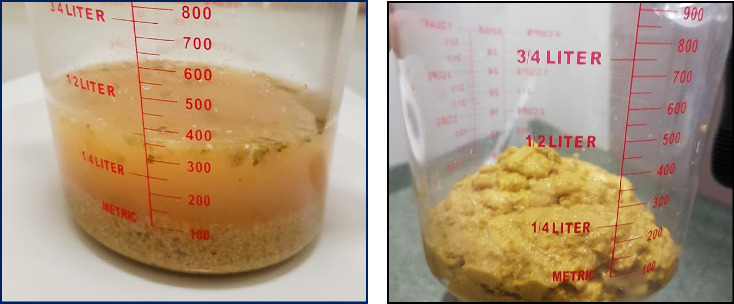 Figure 1
Peer Reviews
No public reviews on file for this paper yet. If you reviewed it on a platform where reviews are public (OpenReview, ICLR, NeurIPS, ICML), you can paste yours below so the community can read it here.
Videos
No videos yet. Explain this paper in a talk, walkthrough, or lecture? Add one.
Taxonomy
TopicsMicroscopic Colitis · Neuroendocrine Tumor Research Advances · Pituitary Gland Disorders and Treatments