Population-level allelic dispersion modeling by maelstRom yields genome-wide maps of allele-specific dysregulation during early carcinogenesis
Cedric Stroobandt, Louis Coussement, Tine Goovaerts, Femke De Graeve, Jeroen Galle, Wim Van Criekinge, Tim De Meyer

TL;DR
This paper introduces a new method called maelstRom to detect early gene dysregulation in cancer by analyzing allele-specific expression differences.
Contribution
The paper introduces differential allelic dispersion (AD) as a novel measure for detecting early allele-specific dysregulation in cancer.
Findings
maelstRom successfully benchmarks using known copy number alterations in renal cancer data.
Increased AD is observed in loci with random monoallelic expression, such as the X chromosome.
Early dysregulated genes like FBP1 and pathways like the pentose phosphate pathway are identified in renal cancer.
Abstract
Since its inception, RNA sequencing has been pivotal in studying differential gene expression. Despite its extensive results in large-scale oncological studies, differential expression predominantly reflects a response to cancer. Therefore, we introduce differential allelic dispersion (AD) as a more effective measure. AD highlights consistent differences in expression between the 2 alleles of a gene that is, unlike cis-expression quantitative trait loci, independent of normal genetic variation. Such differences can, for example, arise from prevalent copy number alterations or epimutations occurring in the original cancer cell, which are mitotically expanded during cancer growth, making increased AD a marker for allele-specific dysregulation in early carcinogenesis. We present the maelstRom R/C++ software package that enables (differential) AD analysis solely requiring large-scale RNA…
Genes, proteins, chemicals, diseases, species, mutations and cell lines named across the full text — each resolved to its canonical identifier and authoritative record.
Click any figure to enlarge with its caption.
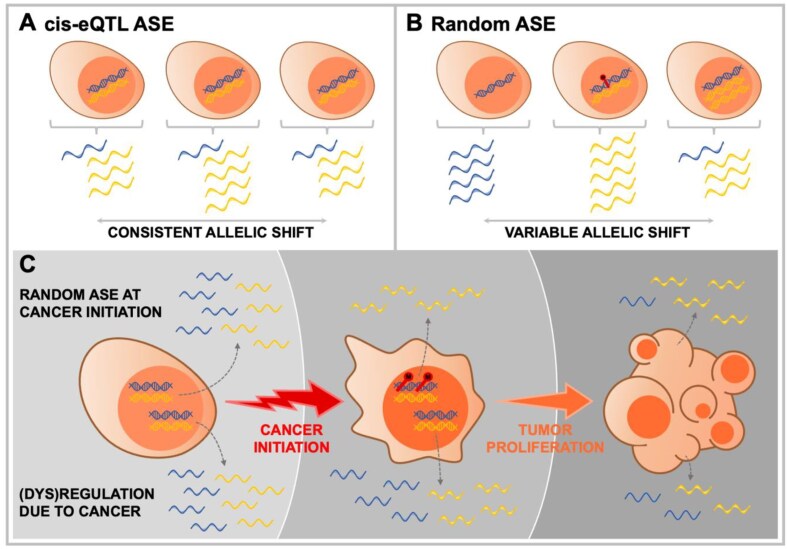 Figure 1
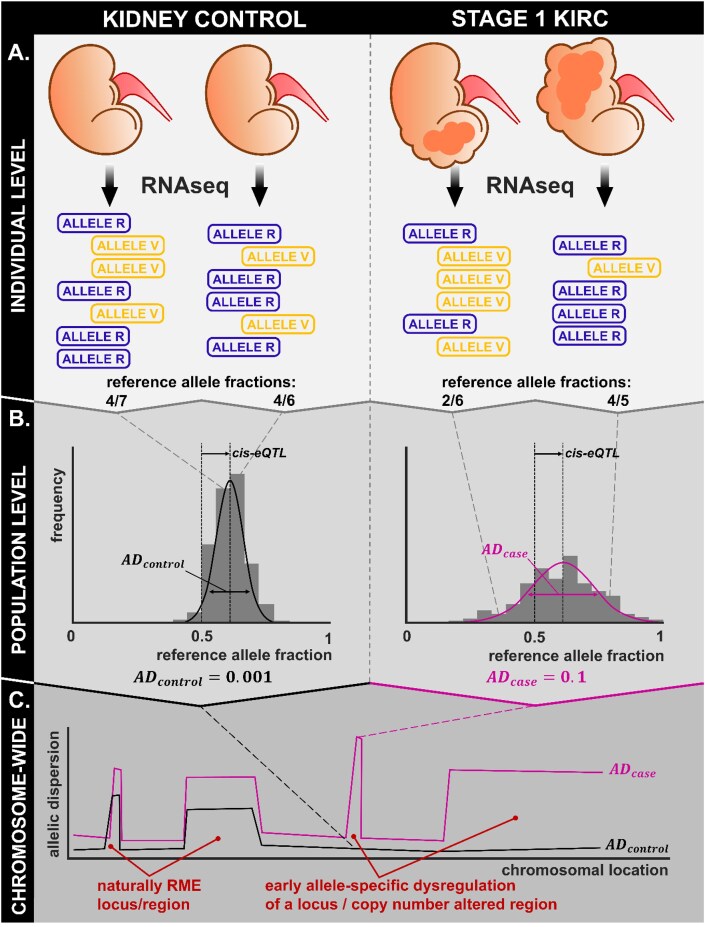 Figure 2
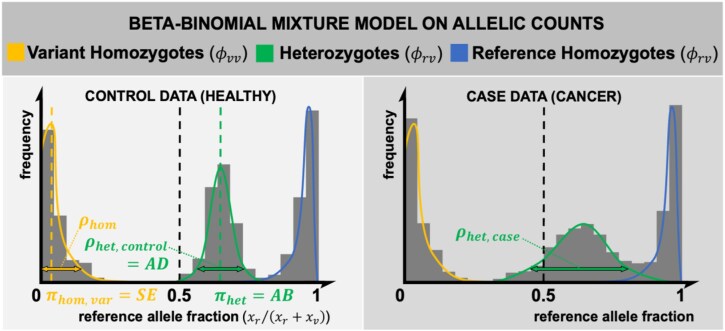 Figure 3
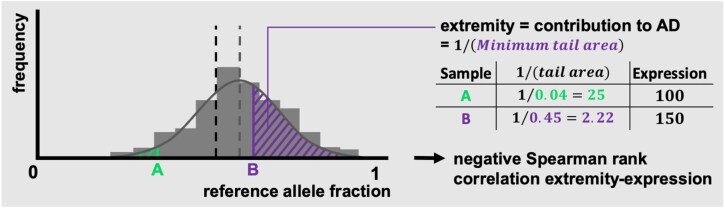 Figure 4
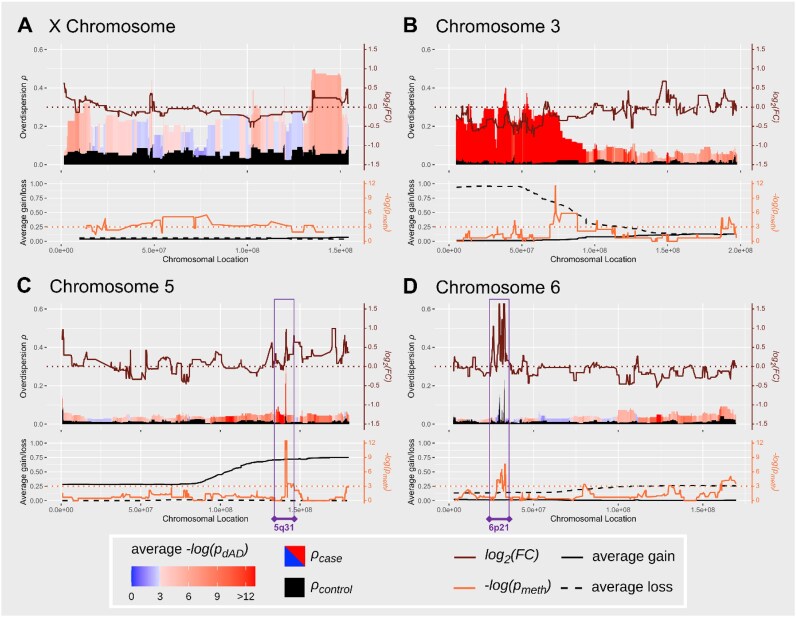 Figure 5
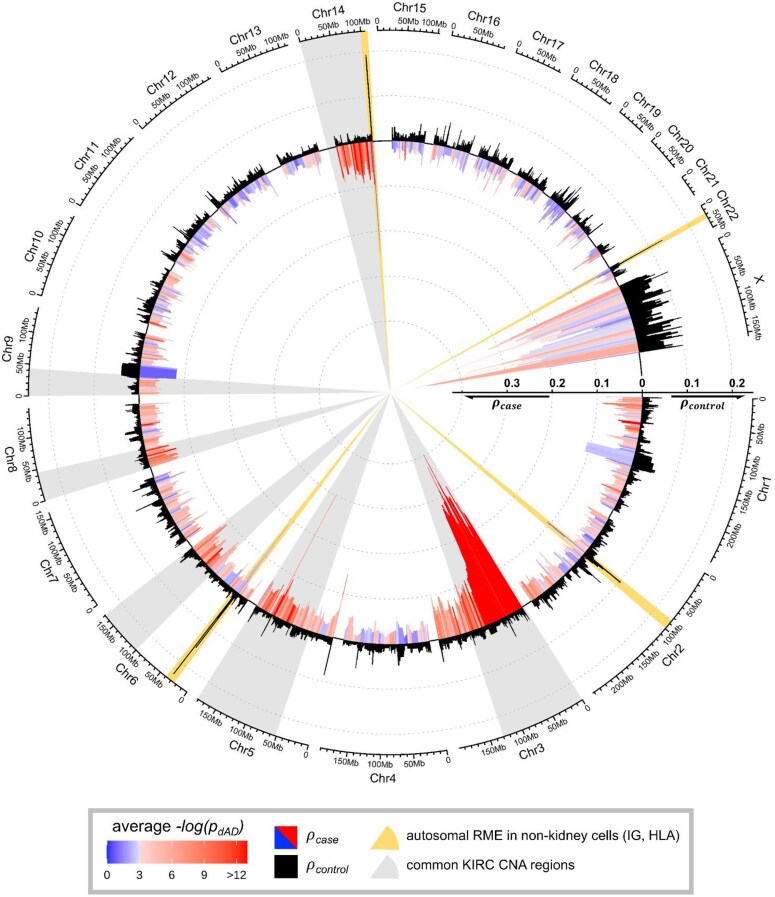 Figure 6
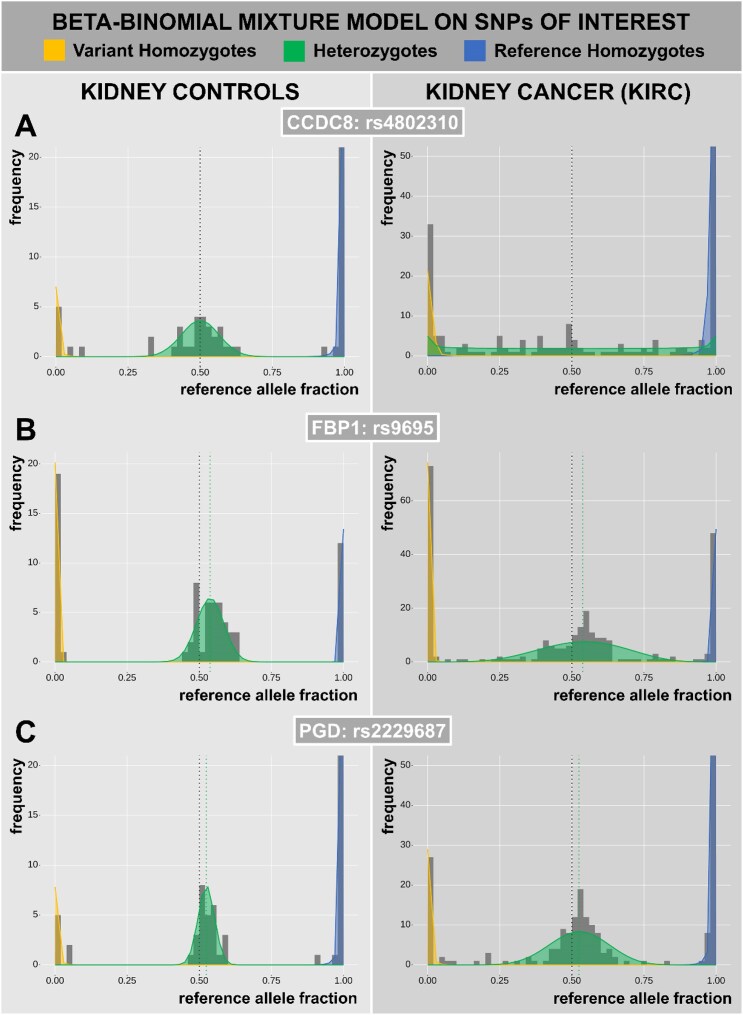 Figure 7
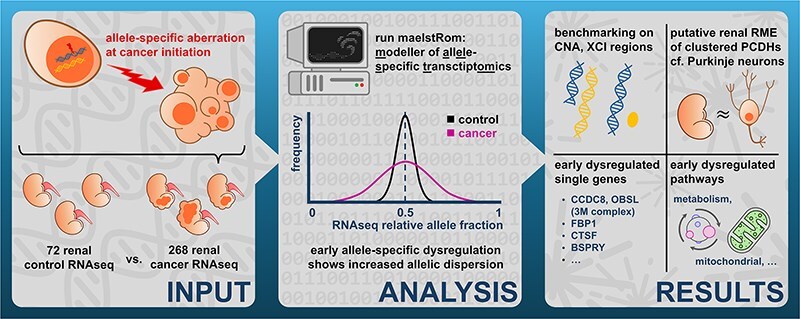 Figure 8
Peer Reviews
No public reviews on file for this paper yet. If you reviewed it on a platform where reviews are public (OpenReview, ICLR, NeurIPS, ICML), you can paste yours below so the community can read it here.
Videos
No videos yet. Explain this paper in a talk, walkthrough, or lecture? Add one.
Taxonomy
TopicsFerroptosis and cancer prognosis · Renal cell carcinoma treatment · Genetic Associations and Epidemiology