PRMT5 regulates alternative splicing of TCF3 under hypoxia to promote EMT and invasion in breast cancer
Srinivas Abhishek Mutnuru, Pooja Yadav, Parik Kakani, Shruti Ganesh Dhamdhere, Poorva Kumari, Shruti Agrawal, Atul Samaiya, Sanjeev Shukla, Richard Hodge, Richard Hodge, Richard Hodge, Richard Hodge

TL;DR
PRMT5 promotes breast cancer cell invasion under low oxygen by regulating TCF3 splicing through histone methylation.
Contribution
PRMT5's role in hypoxia-induced alternative splicing of TCF3 via histone methylation is newly established.
Findings
PRMT5 is upregulated under hypoxia via CTCF in breast cancer cells.
PRMT5 regulates TCF3 splicing through histone methylation and DNA methylation mechanisms.
The TCF3-18B isoform promotes epithelial-mesenchymal transition and cancer cell invasion.
Abstract
Tumor hypoxia induced alterations in the epigenetic landscape and alternative splicing influence cellular adaptations. PRMT5 is a type II protein arginine methyltransferase that regulates several tumorigenic events in many cancer types. However, the regulation of PRMT5 and its direct implication on aberrant alternative splicing under hypoxia remains unexplored. In this study, we observed hypoxia-induced upregulation of PRMT5 via the CTCF in human breast cancer cells. Further, PRMT5-mediated symmetric arginine dimethylation H4R3me2s and H3R8me2s directly regulated the alternative splicing of TCF3. Under hypoxia, PRMT5-mediated histone dimethylation at the intronic conserved region (ICR) present between TCF3 exon 18a and exon 18b recruits DNMT3A, resulting in DNA methylation. DNA methylation at the TCF3-ICR is recognized and bound by MeCP2 resulting in RNA-Pol II pausing, promoting the…
Genes, proteins, chemicals, diseases, species, mutations and cell lines named across the full text — each resolved to its canonical identifier and authoritative record.
Click any figure to enlarge with its caption.
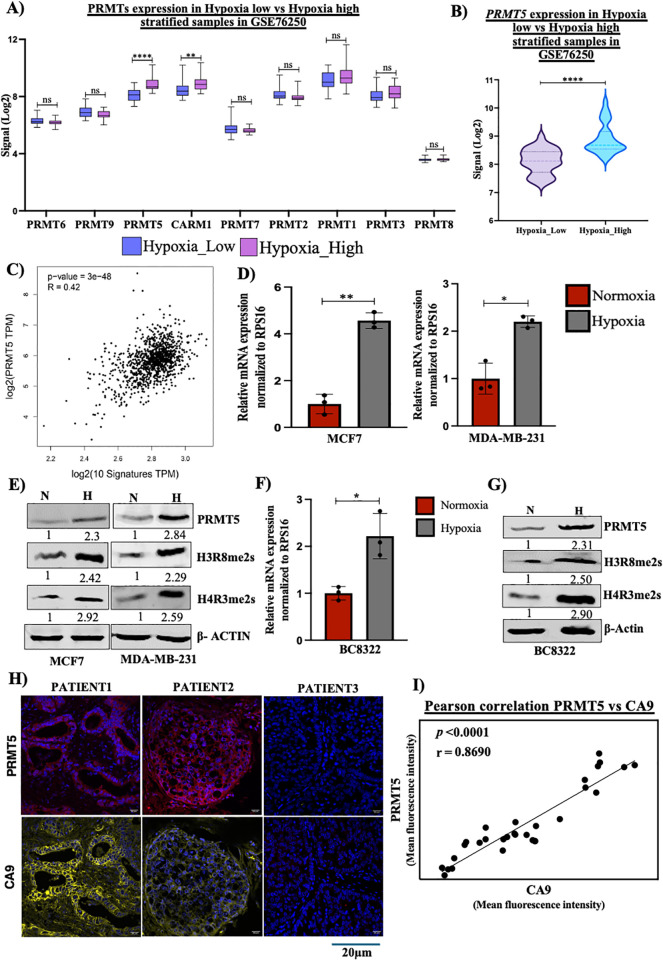 Figure 1
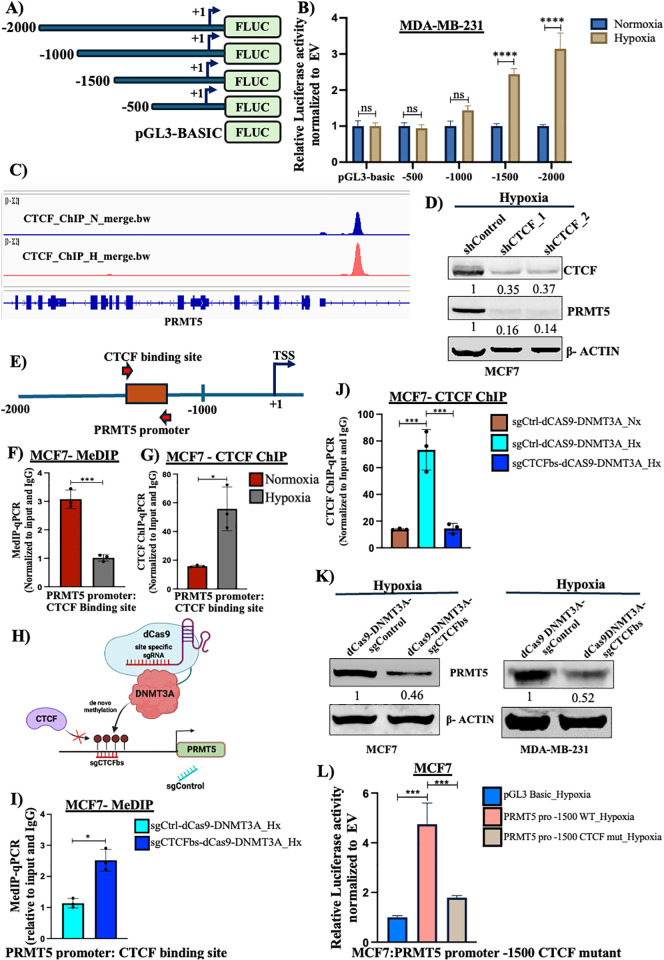 Figure 2
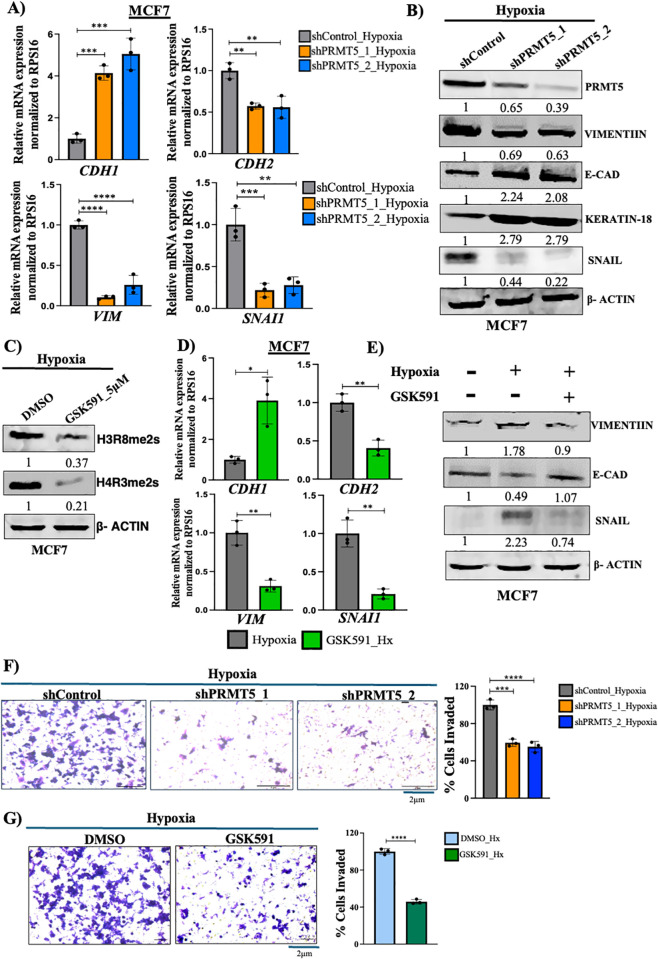 Figure 3
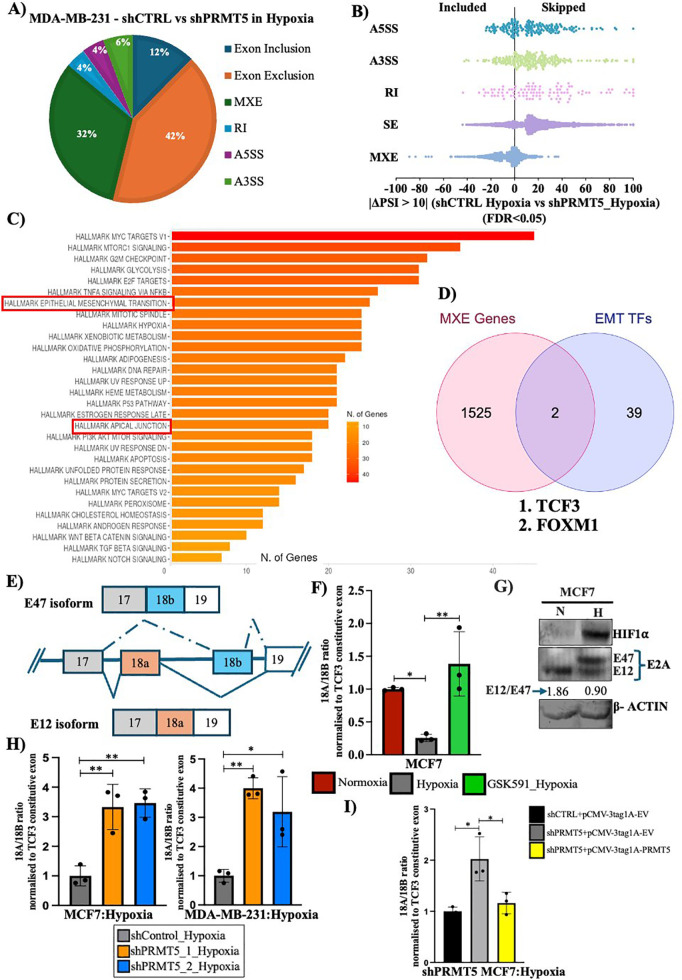 Figure 4
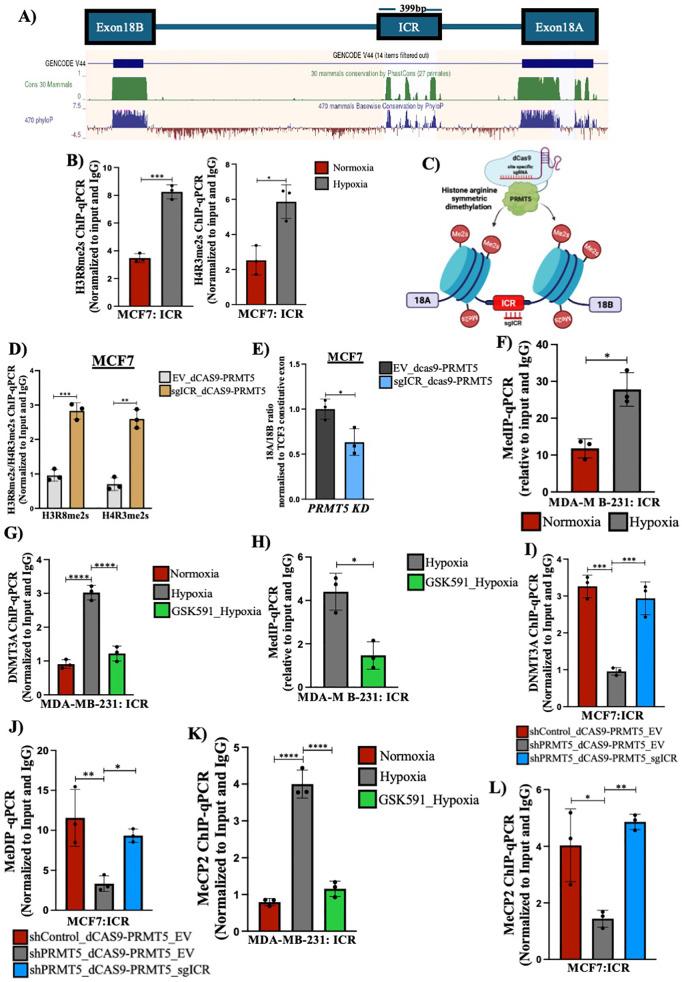 Figure 5
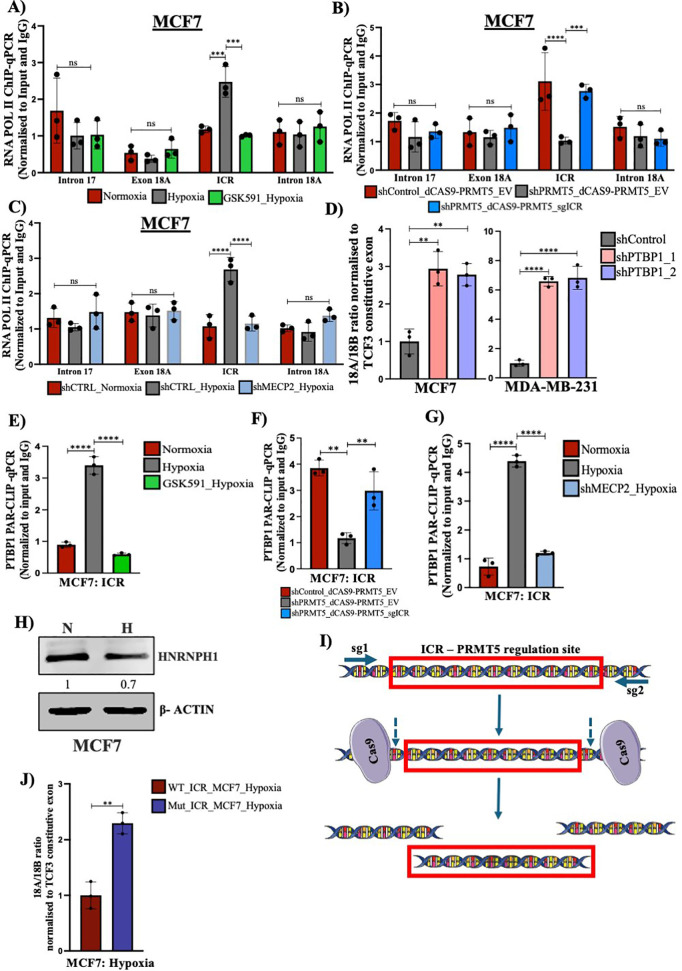 Figure 6
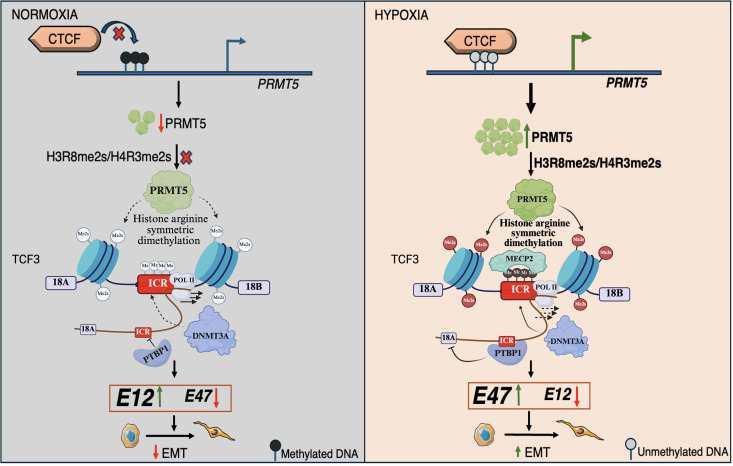 Figure 7
Peer Reviews
No public reviews on file for this paper yet. If you reviewed it on a platform where reviews are public (OpenReview, ICLR, NeurIPS, ICML), you can paste yours below so the community can read it here.
Videos
No videos yet. Explain this paper in a talk, walkthrough, or lecture? Add one.
Taxonomy
TopicsCancer-related gene regulation · Epigenetics and DNA Methylation · RNA Research and Splicing