Harnessing genetic diversity: The genomic and transcriptomic insights of Eugenia uniflora for environmental resilience
Isabel Cristina Cadavid Sánchez, Edgar L. Waschburger, Rita M.C. de Almeida, Alexandre Nascimento de Vargas, Guilherme Loss de Morais, Jimena Giraldo Flores, Dámaris Esquén Bayona, Rogerio Margis, Andreia Carina Turchetto-Zolet, Frank Lino Guzman Escudero

TL;DR
This paper explores the genetic makeup of pitanga plants to understand how they adapt to different environments, which could help in developing resilient crops.
Contribution
The study provides a draft genome and transcriptomic insights into E. uniflora, revealing genetic diversity and adaptation mechanisms.
Findings
A draft genome of E. uniflora was assembled with 30,663 predicted protein-coding genes.
Microsatellite markers showed genetic diversity differences between Restinga and Riparian forest populations.
Restinga pitangas exhibited gene expression patterns linked to stress response and adaptation.
Abstract
Pitanga (Eugenia uniflora L.), a member of the Myrtaceae family, is native to the Brazilian Atlantic Forest and distributed across various ecological environments, including regions with contrasting edaphoclimatic conditions. Known for its production of secondary metabolites with significant biological activity, pitanga holds considerable pharmacological potential. Genomic and transcriptomic resources for this species are therefore valuable for understanding the genetic mechanisms that enable its adaptation to diverse ecosystems and for identifying candidate genes relevant for crop improvement and bioprospection. To explore whether genetic diversity is associated with population adaptation to environmental conditions, we first generated a draft genome of E. uniflora, totaling 385.1 Mbp with an N50 value of 26,199 bp, assembled de novo from Illumina-sequence reads. Likewise, gene…
Genes, proteins, chemicals, diseases, species, mutations and cell lines named across the full text — each resolved to its canonical identifier and authoritative record.
Click any figure to enlarge with its caption.
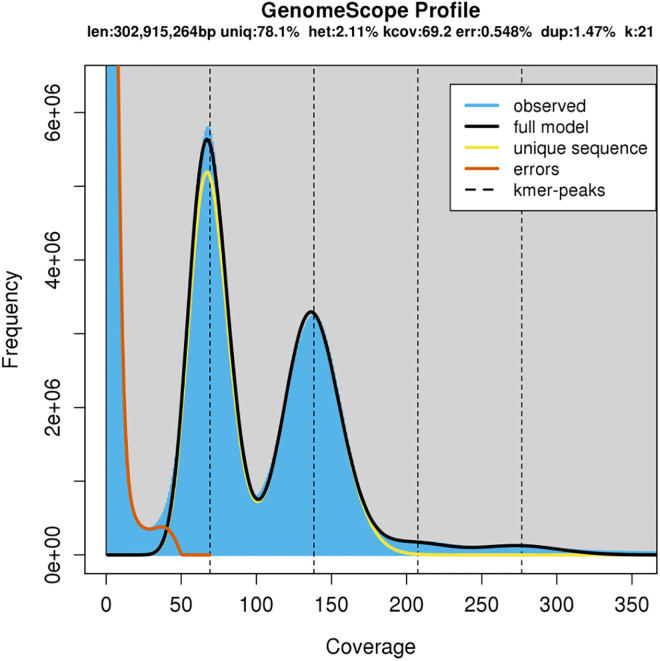 Figure 1
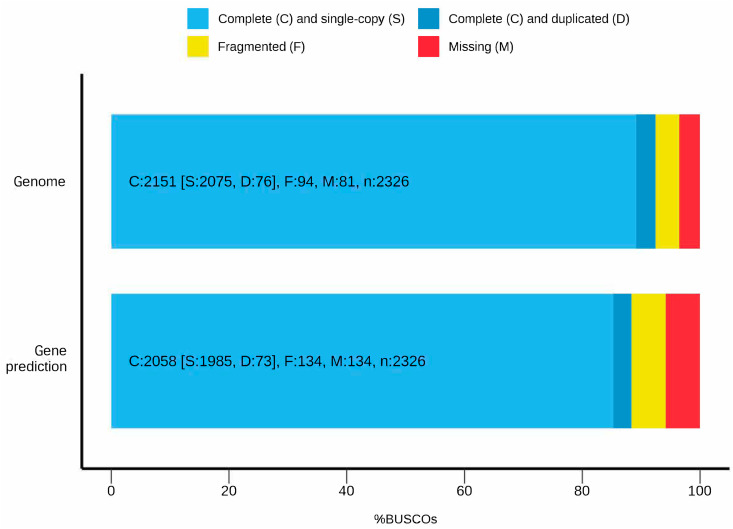 Figure 2
 Figure 3
 Figure 4
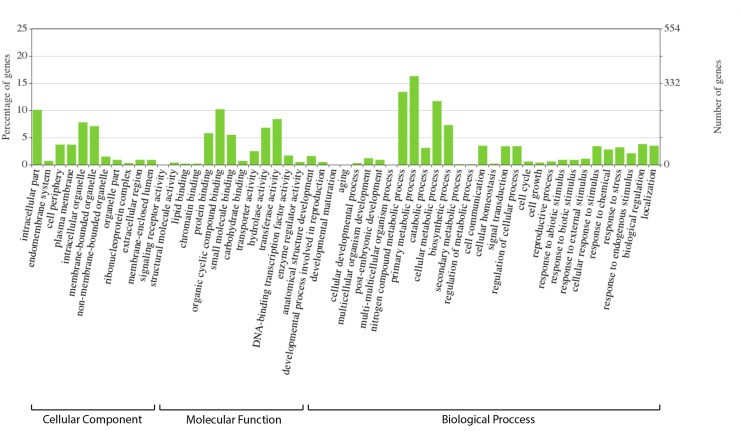 Figure 5
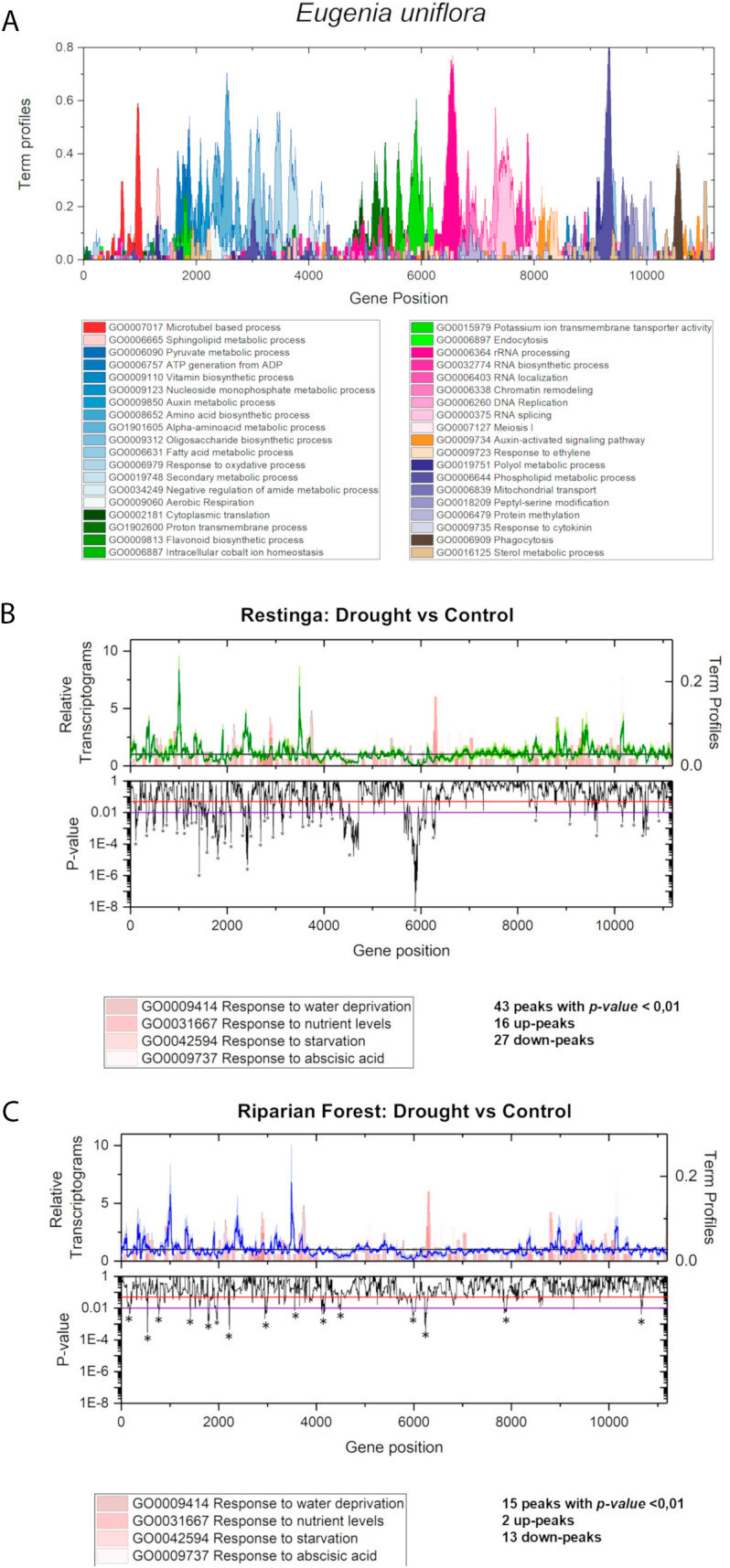 Figure 6
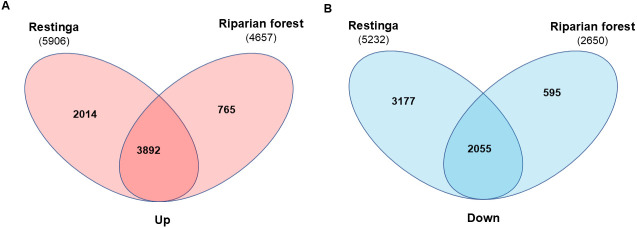 Figure 7
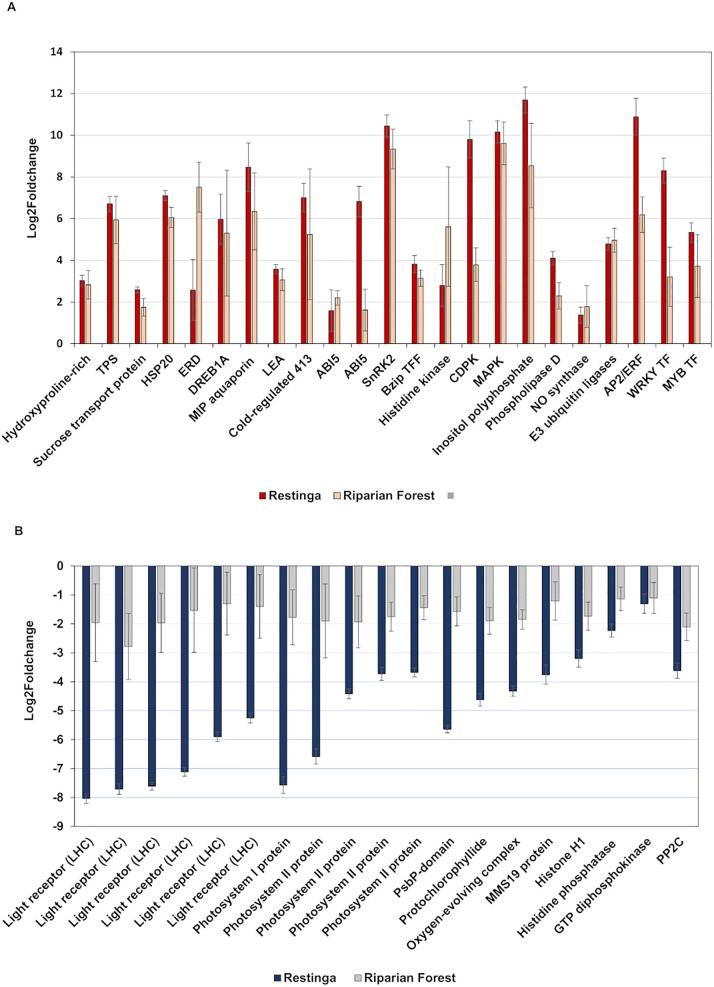 Figure 8
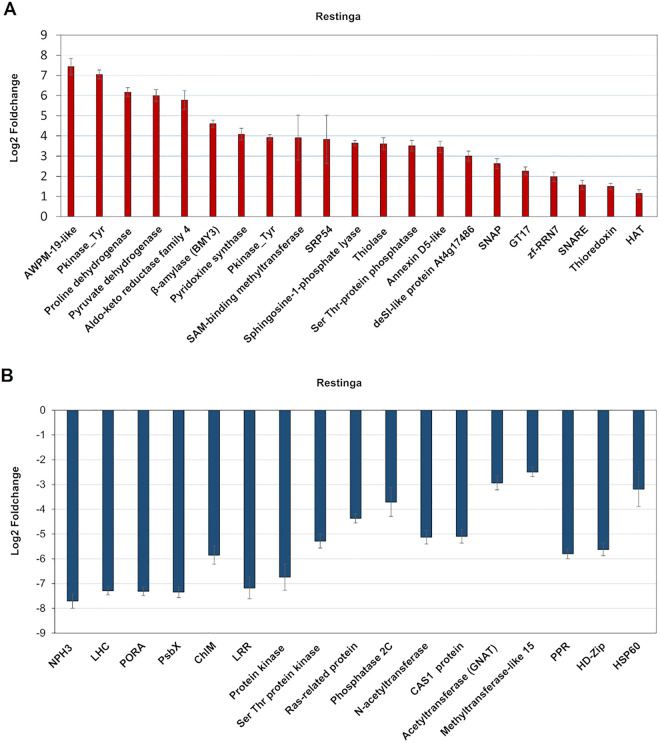 Figure 9
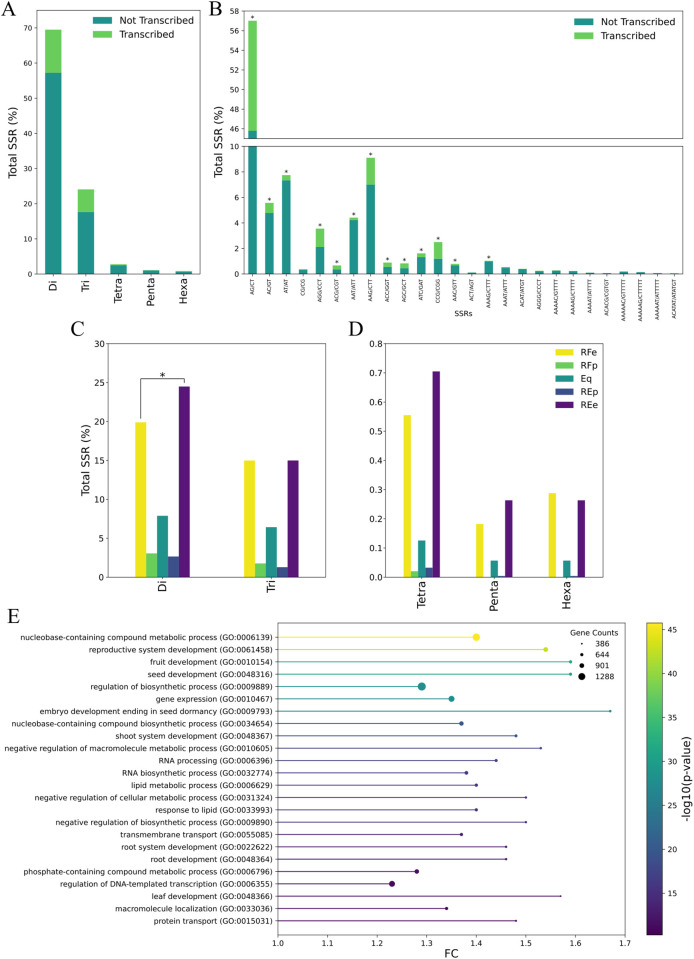 Figure 10
 Figure 11
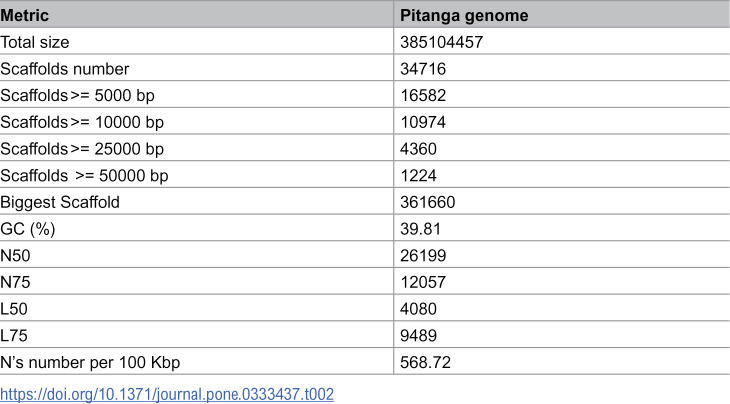 Figure 12
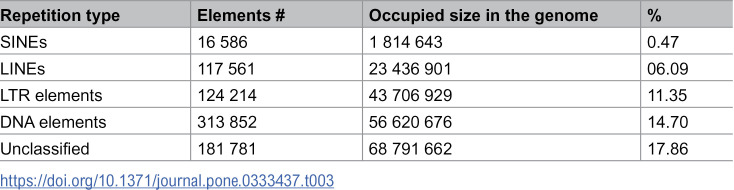 Figure 13
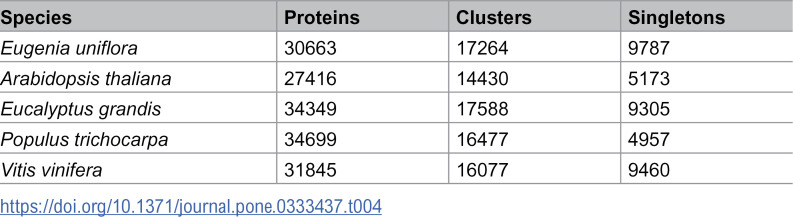 Figure 14
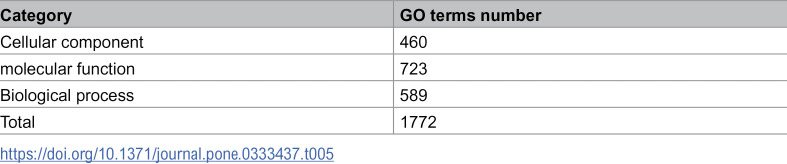 Figure 15
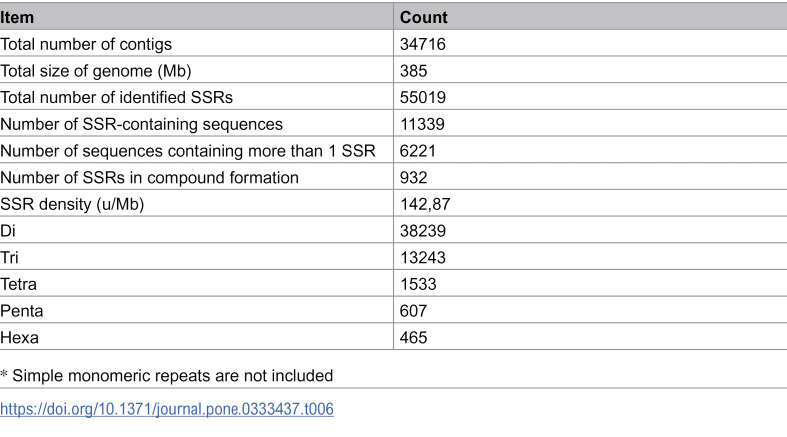 Figure 16
Peer Reviews
No public reviews on file for this paper yet. If you reviewed it on a platform where reviews are public (OpenReview, ICLR, NeurIPS, ICML), you can paste yours below so the community can read it here.
Videos
No videos yet. Explain this paper in a talk, walkthrough, or lecture? Add one.
Taxonomy
TopicsGenetic diversity and population structure · Traditional and Medicinal Uses of Annonaceae · Plant Diversity and Evolution