Time to phlebitis onsite and its predictors among admitted patients with peripheral intravenous cannulas at Debre Markos Comprehensive Specialized Hospital, Northwest Ethiopia, 2024/ 2025: A prospective follow-up study
Zinaw Beyene, Haymanot Zeleke Mitiku, Tesfahun Ayenew, Mengistu Abebe, Mihret Kefie, Afework Edmealem, Hailie Amha, Federica Canzan, Federica Canzan, Federica Canzan

TL;DR
This study found that nearly 40% of hospitalized patients with IV cannulas developed phlebitis, with key risk factors including female sex, larger cannulas, blood transfusions, and certain medications.
Contribution
The study identifies specific predictors and timing of phlebitis onset in an Ethiopian hospital setting, where such data was previously scarce.
Findings
The cumulative incidence of phlebitis was 39.25% with a median onset time of 5 days.
Female sex, 18-gauge cannula use, blood transfusions, and administration of potassium chloride and vancomycin were significant predictors.
The findings highlight a high incidence and short onset time of phlebitis in hospitalized patients.
Abstract
Phlebitis due to peripheral intravenous cannulation is a common issue in hospitalized patients which leading to serious complications such as deep vein and pulmonary thromboembolism, and septicemia. Understanding the time to phlebitis onset and its predictors is of clinical importance. However, data on its incidence, contributing factors, and time of onset remain limited in Ethiopia. Given the scarcity of compressive studies conducted in Ethiopia and the critical knowledge gap on the incidence, predictors, and timing of phlebitis onset, this study is significant in advancing clinical practice by identifying the time to onset of phlebitis and its predictors among hospitalized patients with peripheral intravenous cannulation. A prospective follow-up study design was conducted on a sample size of 372 participants using structured interviews and observational checklists. Time to phlebitis…
Genes, proteins, chemicals, diseases, species, mutations and cell lines named across the full text — each resolved to its canonical identifier and authoritative record.
Click any figure to enlarge with its caption.
 Figure 1
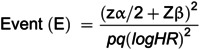 Figure 2
 Figure 3
 Figure 4
 Figure 5
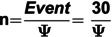 Figure 6
 Figure 7
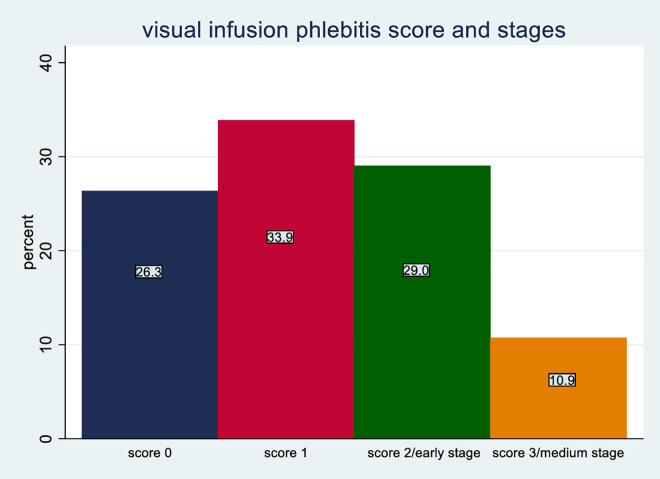 Figure 8
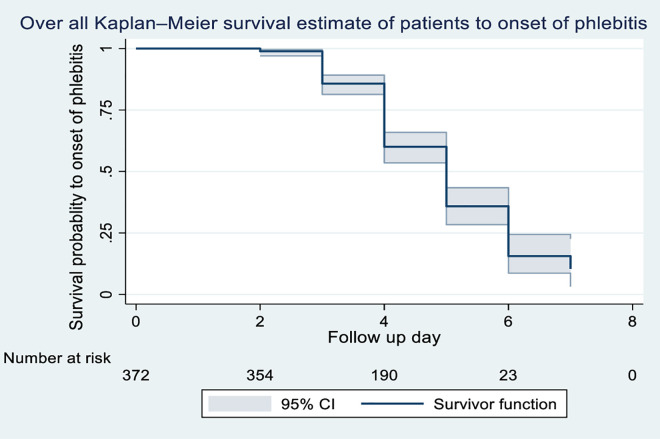 Figure 9
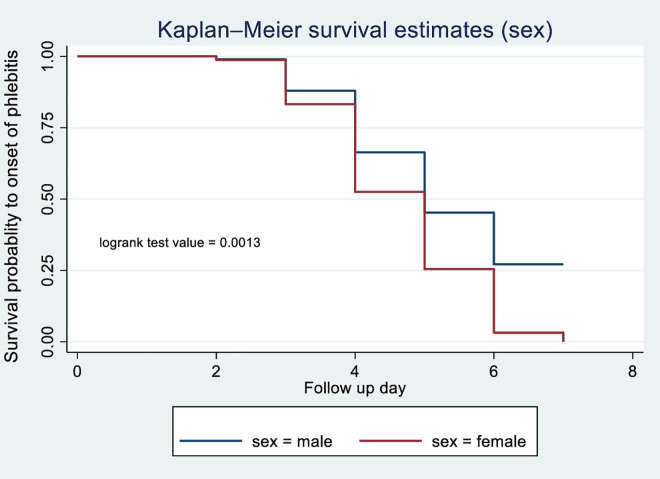 Figure 10
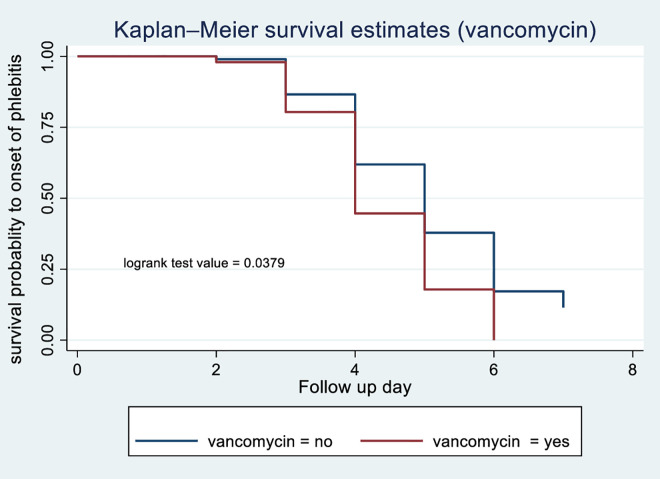 Figure 11
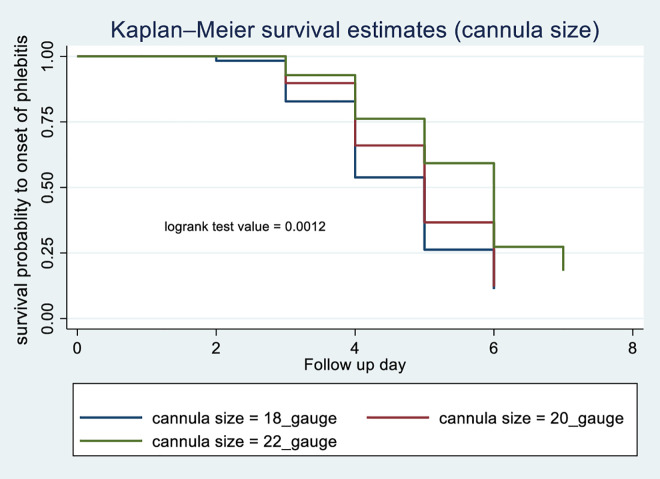 Figure 12
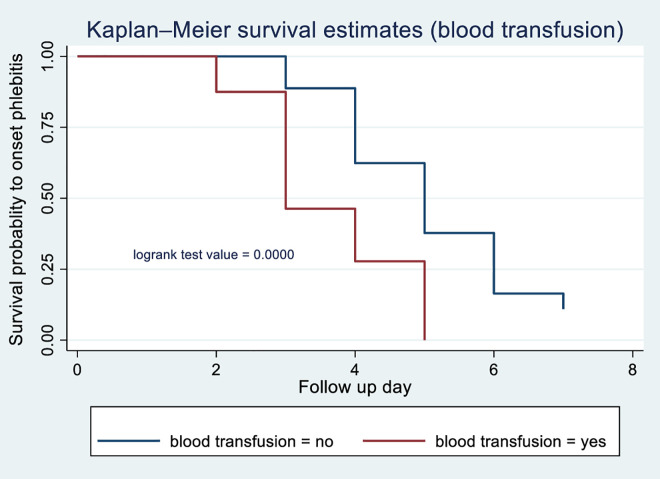 Figure 13
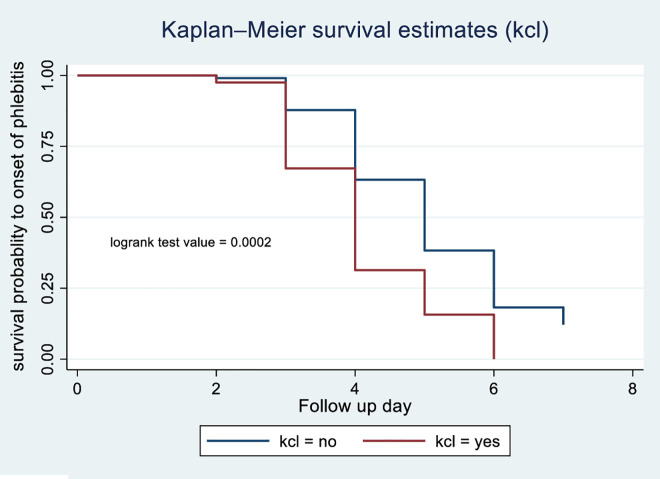 Figure 14
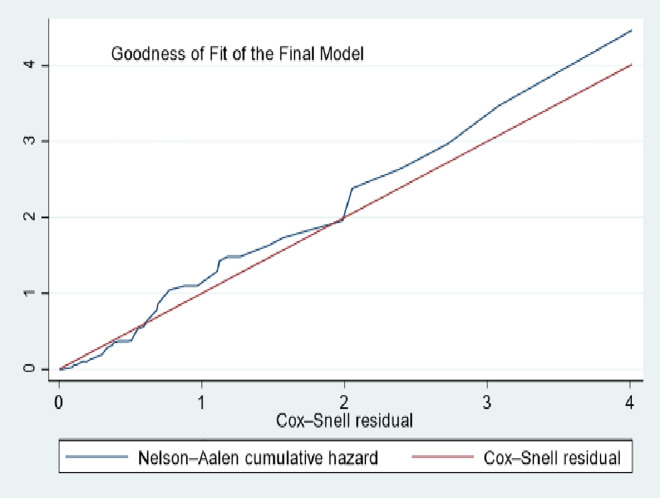 Figure 15
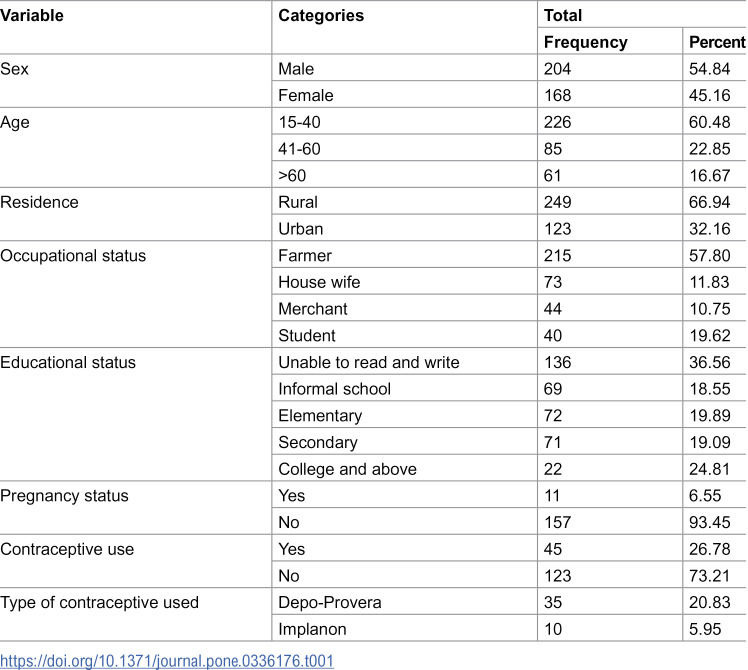 Figure 16
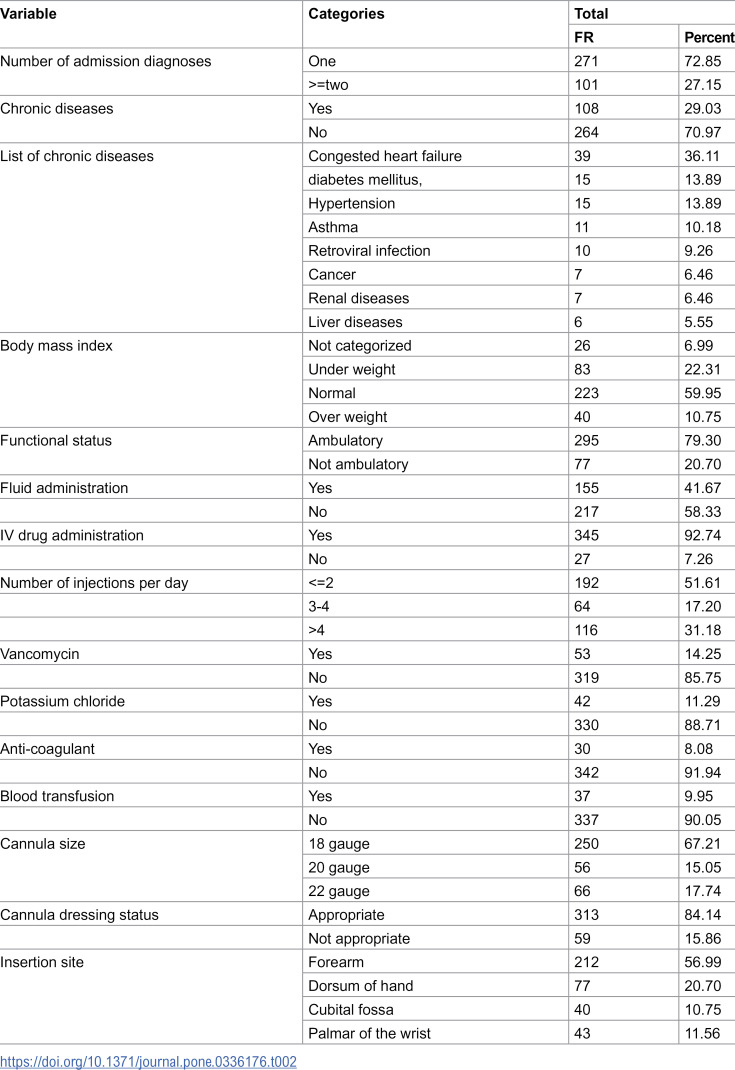 Figure 17
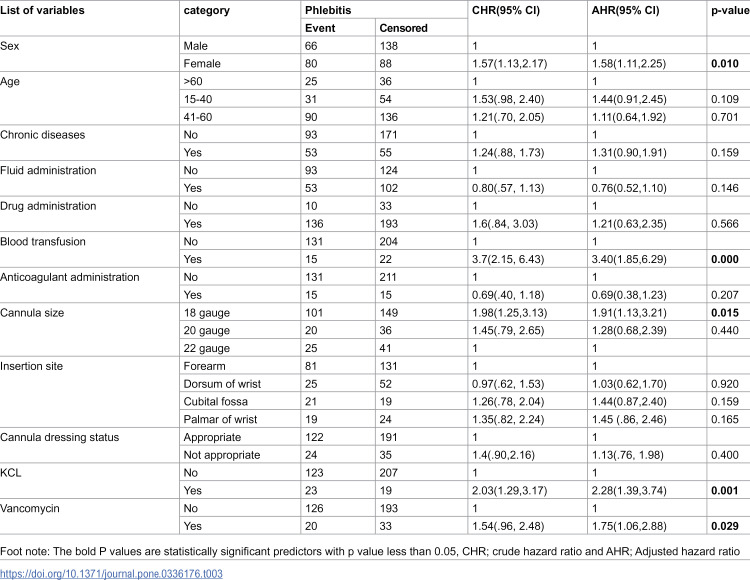 Figure 18
Peer Reviews
No public reviews on file for this paper yet. If you reviewed it on a platform where reviews are public (OpenReview, ICLR, NeurIPS, ICML), you can paste yours below so the community can read it here.
Videos
No videos yet. Explain this paper in a talk, walkthrough, or lecture? Add one.
Taxonomy
TopicsCentral Venous Catheters and Hemodialysis · Diagnosis and Treatment of Venous Diseases · Streptococcal Infections and Treatments