Trajectory classification through Freeman’s curve encoding and entropic analysis
Roxana Peña-Mendieta, Ania Mesa-Rodríguez, Daniel Estevez-Moya, José Rafael de la Horra, Ernesto Estevez-Rams, Holger Kantz

TL;DR
This paper uses entropy analysis of coded trajectory data to classify movement patterns in two dimensions.
Contribution
A novel method for trajectory classification using Freeman’s encoding and entropic measures is introduced.
Findings
Freeman’s 8-symbol encoding effectively represents trajectories for entropic analysis.
Entropy measures like Kolmogorov-Sinai and informational distance help classify trajectory complexity.
The method is validated using the Hénon-Heiles model and human posture data.
Abstract
The classification of trajectories in two dimensions was done through an entropic analysis of their coded representation. The steps include discretising the trajectory into an 8-symbol code using the Freeman procedure. The resulting sequence is amenable to entropic analysis. Kolmogorov-Sinai entropy, effective complexity measure and informational distance are used. Different classification schemes can be used based on the value of the entropy variables. Two examples are discussed to illustrate the approach: the Hénon-Heiles model, often used as a test bench for complexity analysis and a real experimental case of human posture analysis.
Genes, proteins, chemicals, diseases, species, mutations and cell lines named across the full text — each resolved to its canonical identifier and authoritative record.
Click any figure to enlarge with its caption.
 Figure 1
 Figure 2
 Figure 3
 Figure 4
 Figure 5
 Figure 6
 Figure 7
 Figure 8
 Figure 9
 Figure 10
 Figure 11
 Figure 12
 Figure 13
 Figure 14
 Figure 15
 Figure 16
 Figure 17
 Figure 18
 Figure 19
 Figure 20
 Figure 21
 Figure 22
 Figure 23
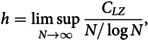 Figure 24
 Figure 25
 Figure 26
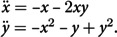 Figure 27
 Figure 28
 Figure 29
 Figure 30
 Figure 31
 Figure 32
 Figure 33
 Figure 34
 Figure 35
 Figure 36
 Figure 37
 Figure 38
 Figure 39
 Figure 40
 Figure 41
 Figure 42
 Figure 43
 Figure 44
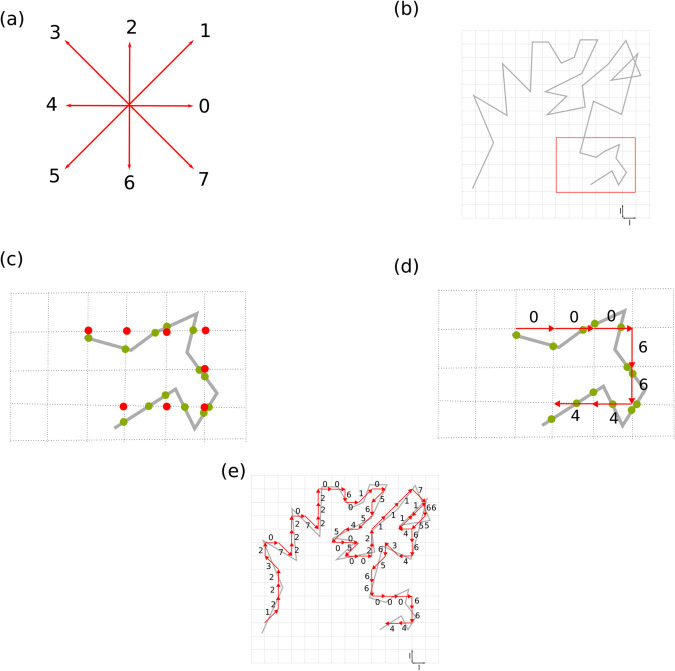 Figure 45
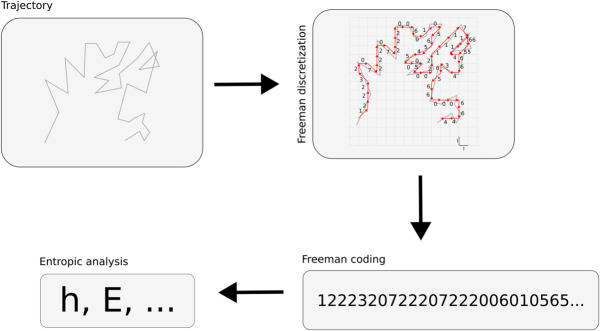 Figure 46
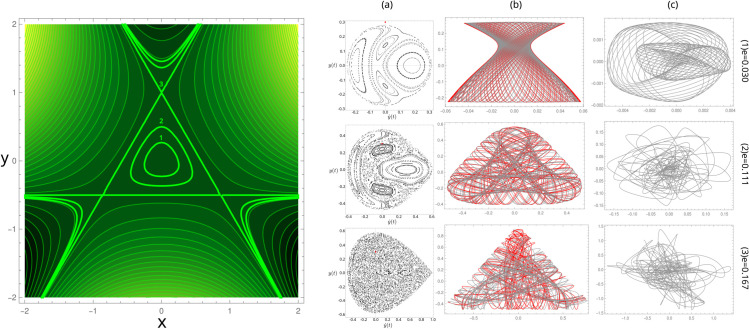 Figure 47
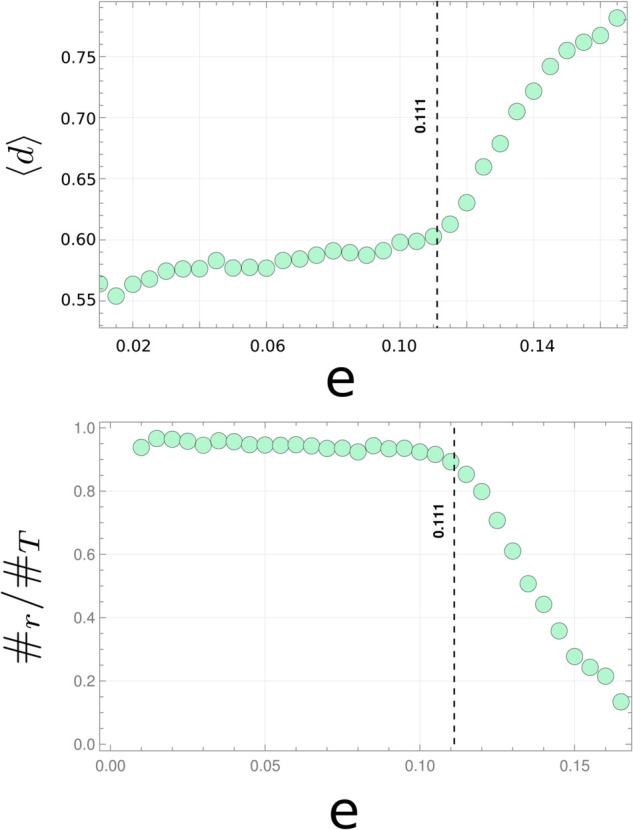 Figure 48
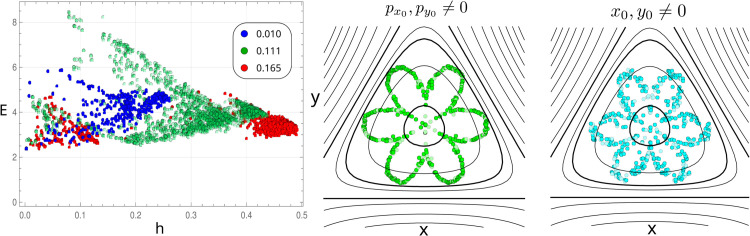 Figure 49
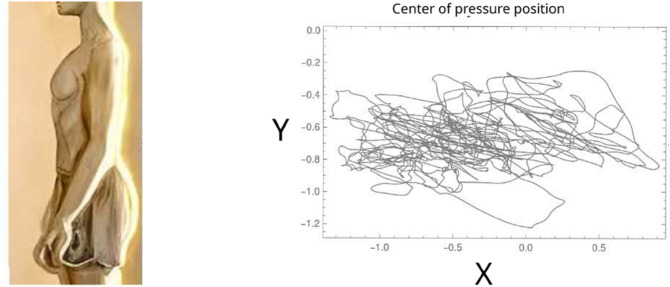 Figure 50
Peer Reviews
No public reviews on file for this paper yet. If you reviewed it on a platform where reviews are public (OpenReview, ICLR, NeurIPS, ICML), you can paste yours below so the community can read it here.
Videos
No videos yet. Explain this paper in a talk, walkthrough, or lecture? Add one.
Taxonomy
TopicsMorphological variations and asymmetry · Motor Control and Adaptation · Fractal and DNA sequence analysis