Adolescent morphine exposure does not alter low-dose lipopolysaccharide (LPS)-induced sickness behavior in adult C57/BL6 mice
Natalie V. Davidson, Cynthia Masese, Caitlin Han, Lili Massac, Yuu Ishikawa, Grace Reynolds, Codey Smithson, Jackson Cook, Melissa T. Manners, Shivon A. Robinson

TL;DR
Adolescent morphine exposure in mice does not increase sickness behavior from low-dose LPS in adulthood, suggesting limited long-term immune effects.
Contribution
This study provides new empirical evidence on the long-term neuroimmune effects of adolescent opioid exposure in mice.
Findings
Adolescent morphine exposure did not enhance LPS-induced sickness behavior in adult mice.
No significant differences in body weight, temperature, or locomotor activity were observed between groups.
Depressive-like behavior in the forced swim test was unaffected by adolescent morphine exposure.
Abstract
Adolescent opioid use in the United States commands attention: millions of twelve- to nineteen-year-olds are exposed to opioids each year by prescription and misuse. Recent findings show that opioids bind not only to canonical opioid receptors but also interact with receptors on immune cells within both the central and peripheral nervous systems. The potential for early life opioid exposure to give rise to long-term changes in the neuroimmune system is not fully understood, particularly given the adolescent brain’s high susceptibility to neuroplastic changes. The goal of this study was to investigate the hypothesis that adolescent opioid use potentiates physiological and behavioral responses to lipopolysaccharide (LPS)-induced sickness later in life. To achieve this, we treated adolescent (postnatal day 35–42) male and female C57/BL6 mice with saline or bi-daily escalating doses of…
Genes, proteins, chemicals, diseases, species, mutations and cell lines named across the full text — each resolved to its canonical identifier and authoritative record.
Click any figure to enlarge with its caption.
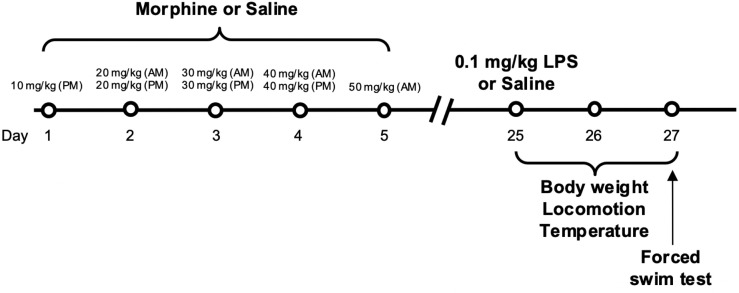 Figure 1
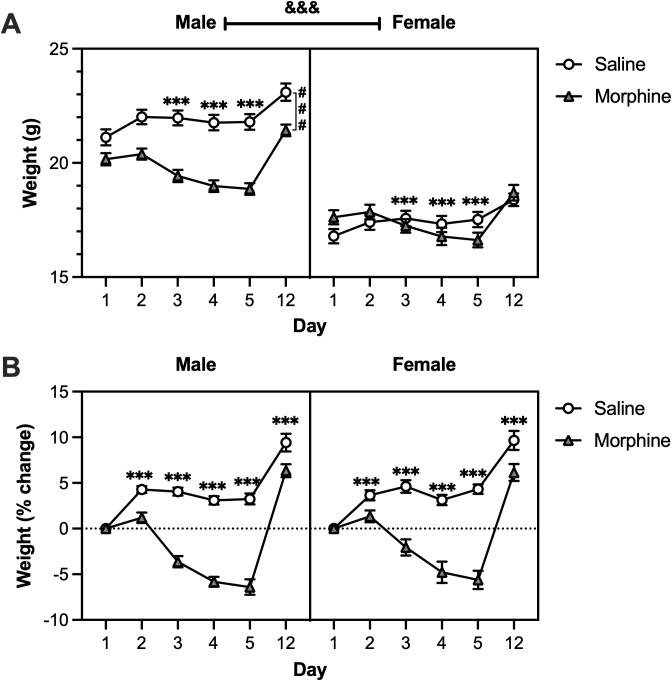 Figure 2
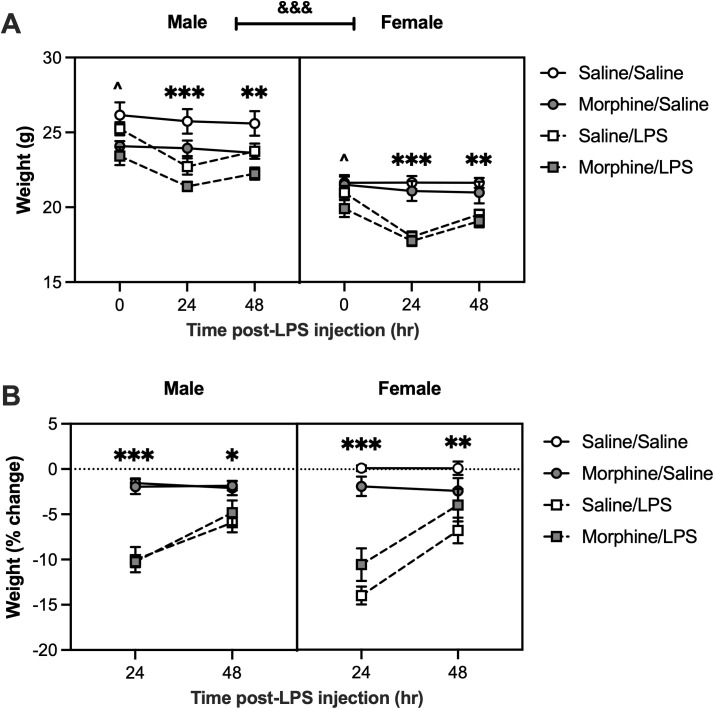 Figure 3
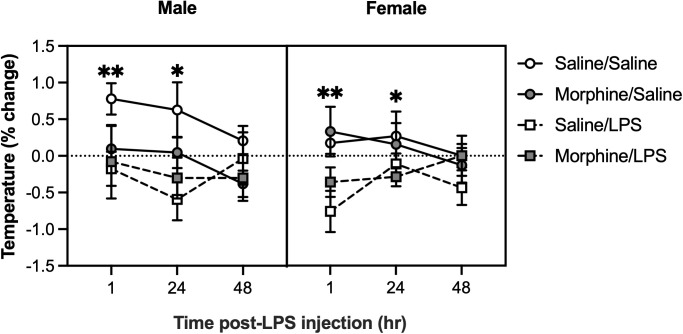 Figure 4
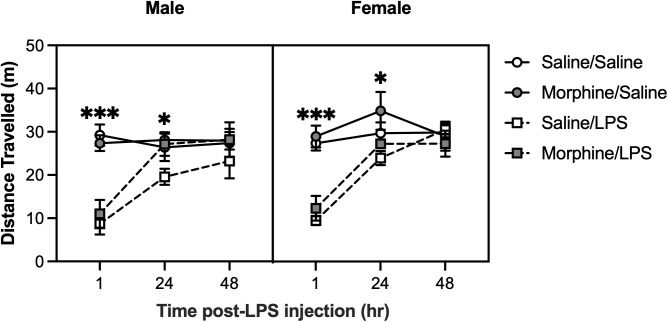 Figure 5
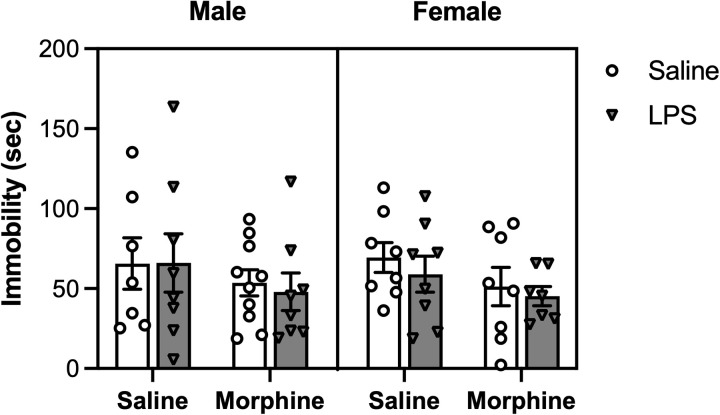 Figure 6
Peer Reviews
No public reviews on file for this paper yet. If you reviewed it on a platform where reviews are public (OpenReview, ICLR, NeurIPS, ICML), you can paste yours below so the community can read it here.
Videos
No videos yet. Explain this paper in a talk, walkthrough, or lecture? Add one.
Taxonomy
TopicsNeuropeptides and Animal Physiology · Tryptophan and brain disorders · Neuroinflammation and Neurodegeneration Mechanisms