Antibacterial and antiviral potential of harmalacidine hydrochloride, a β-carboline alkaloid, against respiratory tract pathogens: Staphylococcus aureus and H1N1 influenza virus
Manal A. Alossaimi, Fatma M. Abdel Bar, Engy Elekhnawy, Mai H. ElNaggar

TL;DR
This study shows that harmalacidine hydrochloride has antibacterial and antiviral effects against Staphylococcus aureus and H1N1 influenza virus, making it a potential treatment for respiratory infections.
Contribution
The study identifies harmalacidine hydrochloride as a promising compound with dual antibacterial and antiviral activity against key respiratory pathogens.
Findings
Harmalacidine hydrochloride showed antiviral activity against H1N1 with an IC50 of 68.2 ± 0.8 µg/mL.
The compound exhibited antibacterial activity with MICs ranging from 16 to 128 µg/mL.
Molecular docking suggests harmalacidine hydrochloride binds to S. aureus AgrA and H1N1 viral proteins.
Abstract
Respiratory infections remain a leading cause of morbidity and mortality, necessitating new therapeutic strategies. This study evaluated the antiviral and antibacterial activities of harmine, harmaline, and harmalacidine hydrochloride against H1N1 influenza virus and Staphylococcus aureus, key respiratory pathogens. The in vitro antiviral activity of the tested compounds against the H1N1 virus was evaluated using a plaque assay. Harmalacidine hydrochloride demonstrated notable activity, with an IC50 of 68.2 ± 0.8 µg/mL, while harmine and harmaline showed no significant effects at non-cytotoxic concentrations. The potential antibacterial action of the tested compounds was initially investigated by agar well diffusion method, which revealed clear zones of inhibition around the wells. Subsequently, their minimum inhibitory concentrations (MICs) were recorded using the broth microdilution…
Genes, proteins, chemicals, diseases, species, mutations and cell lines named across the full text — each resolved to its canonical identifier and authoritative record.
Click any figure to enlarge with its caption.
 Figure 1
 Figure 2
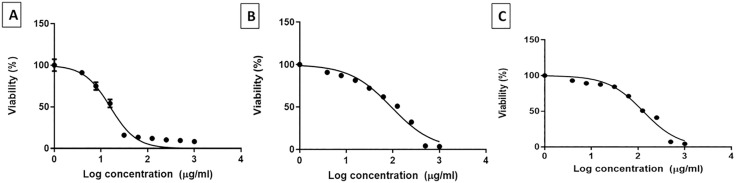 Figure 3
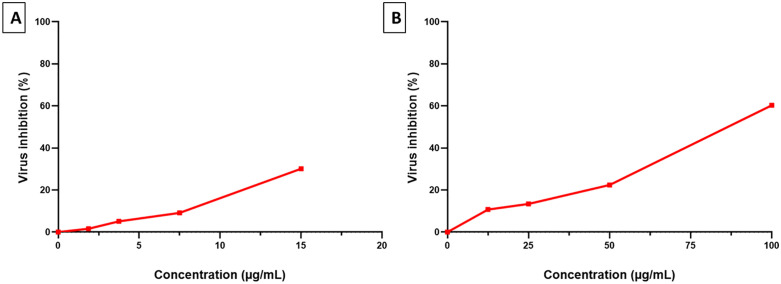 Figure 4
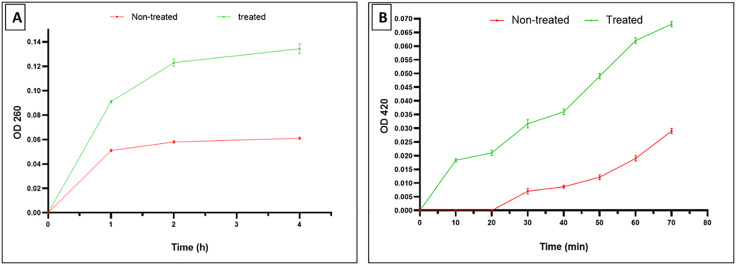 Figure 5
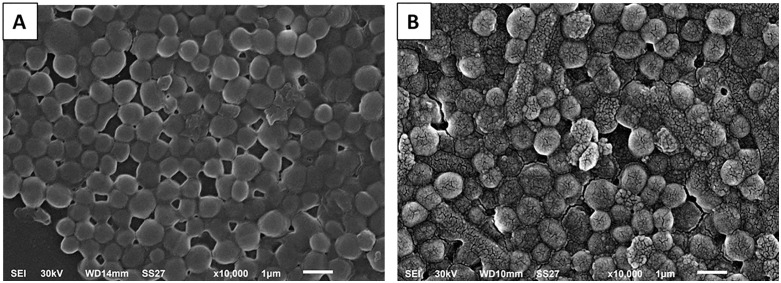 Figure 6
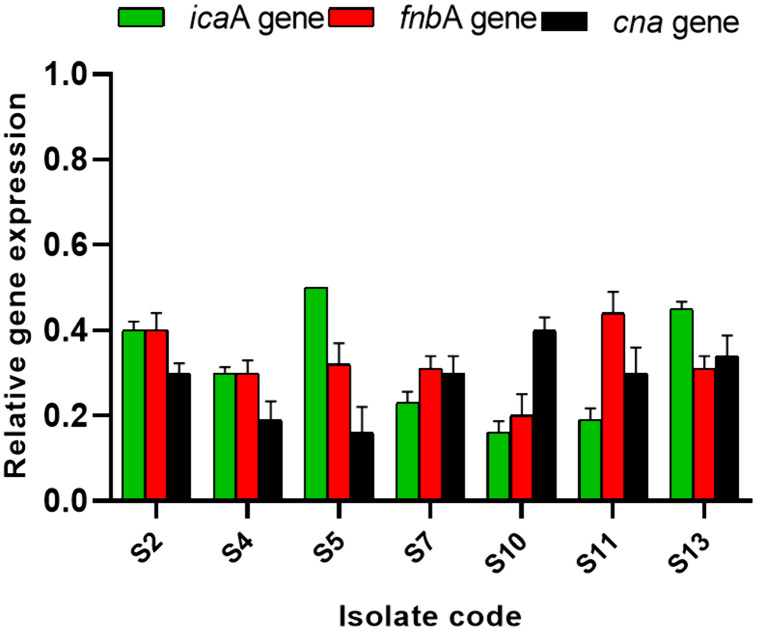 Figure 7
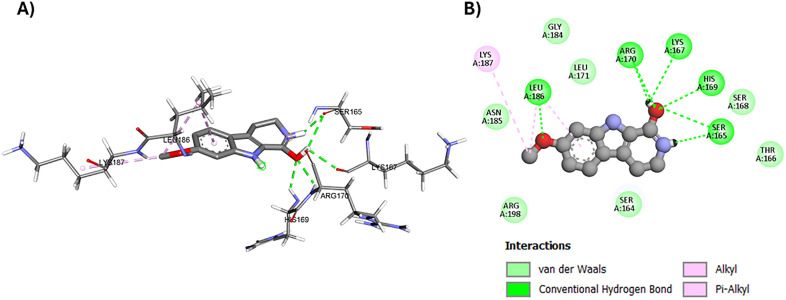 Figure 8
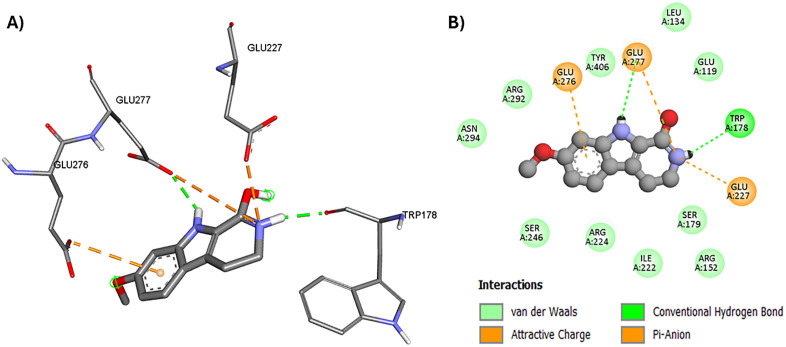 Figure 9
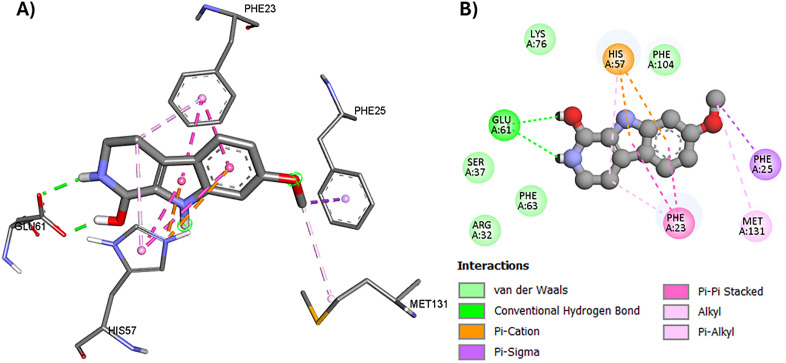 Figure 10
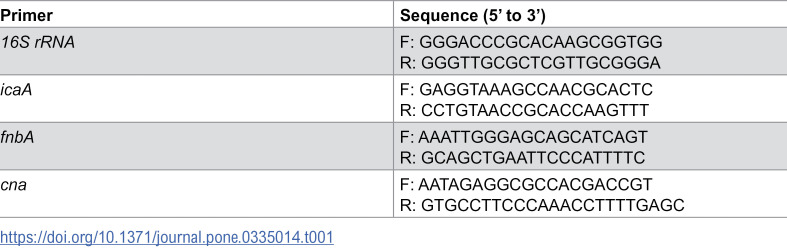 Figure 11
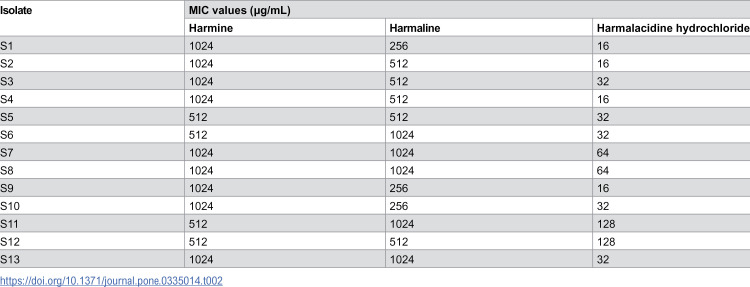 Figure 12
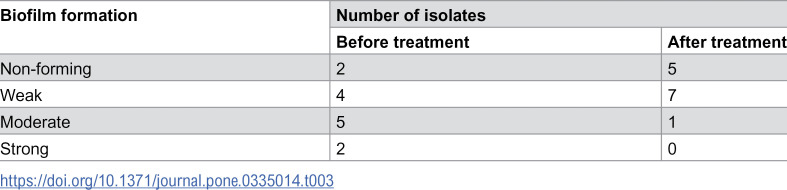 Figure 13
 Figure 14
Peer Reviews
No public reviews on file for this paper yet. If you reviewed it on a platform where reviews are public (OpenReview, ICLR, NeurIPS, ICML), you can paste yours below so the community can read it here.
Videos
No videos yet. Explain this paper in a talk, walkthrough, or lecture? Add one.
Taxonomy
TopicsSynthesis and bioactivity of alkaloids · Quinazolinone synthesis and applications · Chemical synthesis and alkaloids