Study on crude oil displacement efficiency by fracturing fluid in tight sandstone reservoir
Jinfeng Li, Xingjun Gao, Lianru Yang, Jiashun Gong, Tezheng Duan, Fan Song, Jinsheng Zhao, Lisong Zhang, Lisong Zhang, Lisong Zhang

TL;DR
This study examines how fracturing fluids displace crude oil in tight sandstone reservoirs, finding that displacement efficiency depends on pore size and fluid properties.
Contribution
The paper introduces insights into how different fracturing fluids affect oil displacement in tight sandstone based on pore throat characteristics.
Findings
Oil displacement efficiency is highest when capillary force and percolation resistance are balanced in certain pore sizes.
Crude oil displacement in tight sandstone ranges from 13.11% to 33.31%, with early displacement from middle and small pores.
Micro-pores with radius less than 0.01 μm are difficult to displace, and lower interfacial tension and viscosity improve efficiency.
Abstract
Tight sandstone reservoirs usually experience a long flowback period after hydraulic fracturing, which significantly affects oil production. After fracturing, the well-soaking is commonly employed to control fracturing fluid flowback and enhance oil recovery, so that the oil in the reservoir matrix is replaced by fracturing fluid, which can improve the crude oil recovery and reduce the flowback of the fracturing fluid. In this paper, the gel breaking fluid of slick water fracturing fluid, guanidine gum fracturing fluid and cross-linked guanidine gum fracturing fluid are used as displacement working fluids to study the effect of gel breaking fluid on oil displacement in tight sandstone reservoirs. The results show that it is not the smaller the pore radius that the higher the displacement efficiency, but the oil displacement efficiency is higher for the equilibrium of capillary force and…
Genes, proteins, chemicals, diseases, species, mutations and cell lines named across the full text — each resolved to its canonical identifier and authoritative record.
Click any figure to enlarge with its caption.
 Figure 1
 Figure 2
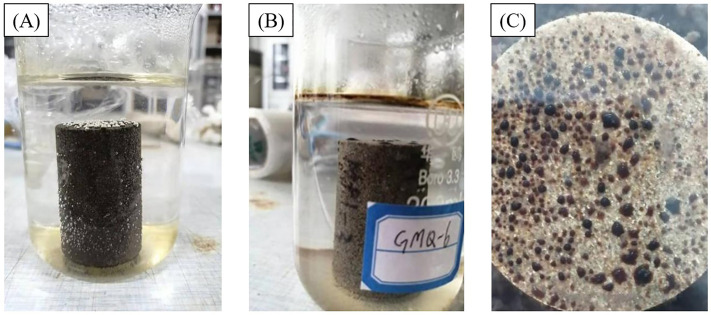 Figure 3
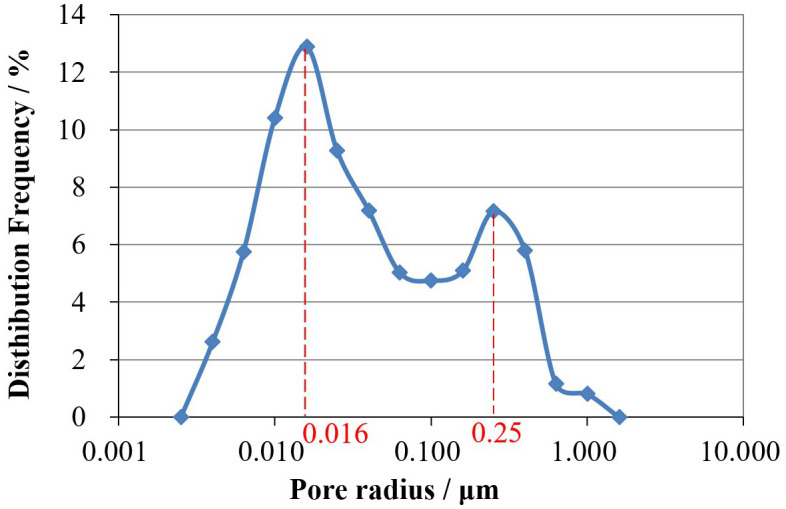 Figure 4
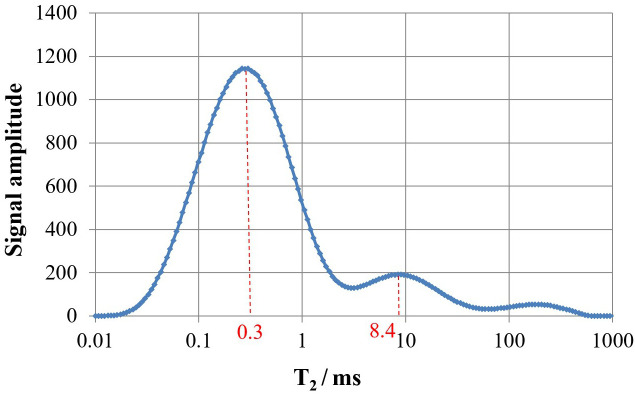 Figure 5
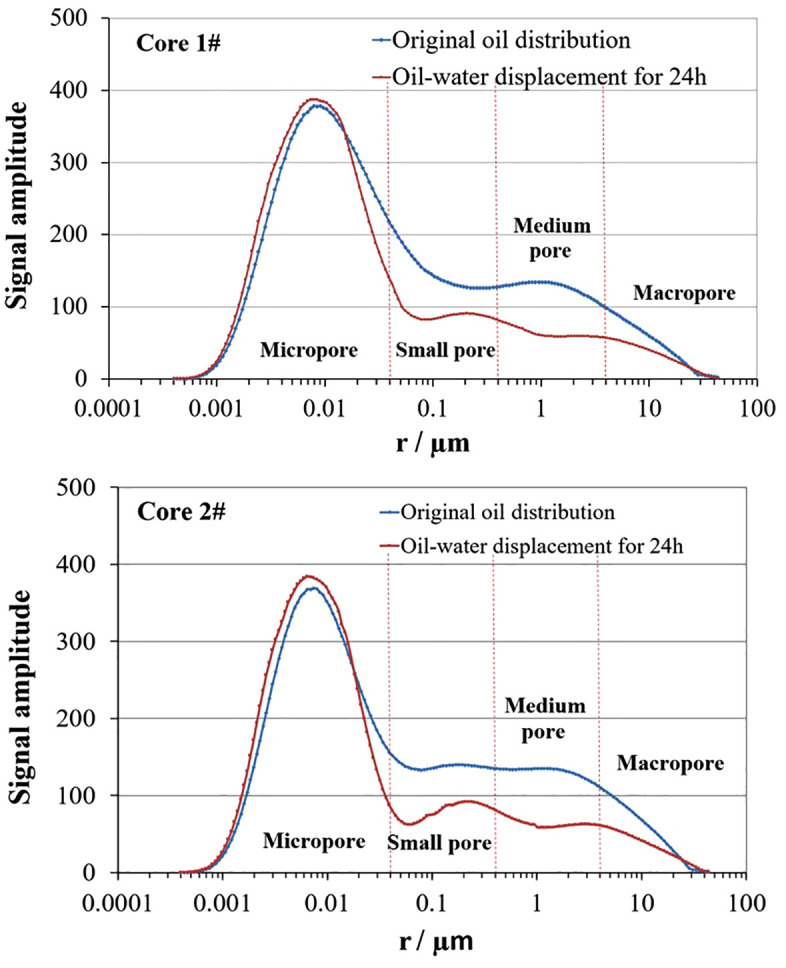 Figure 6
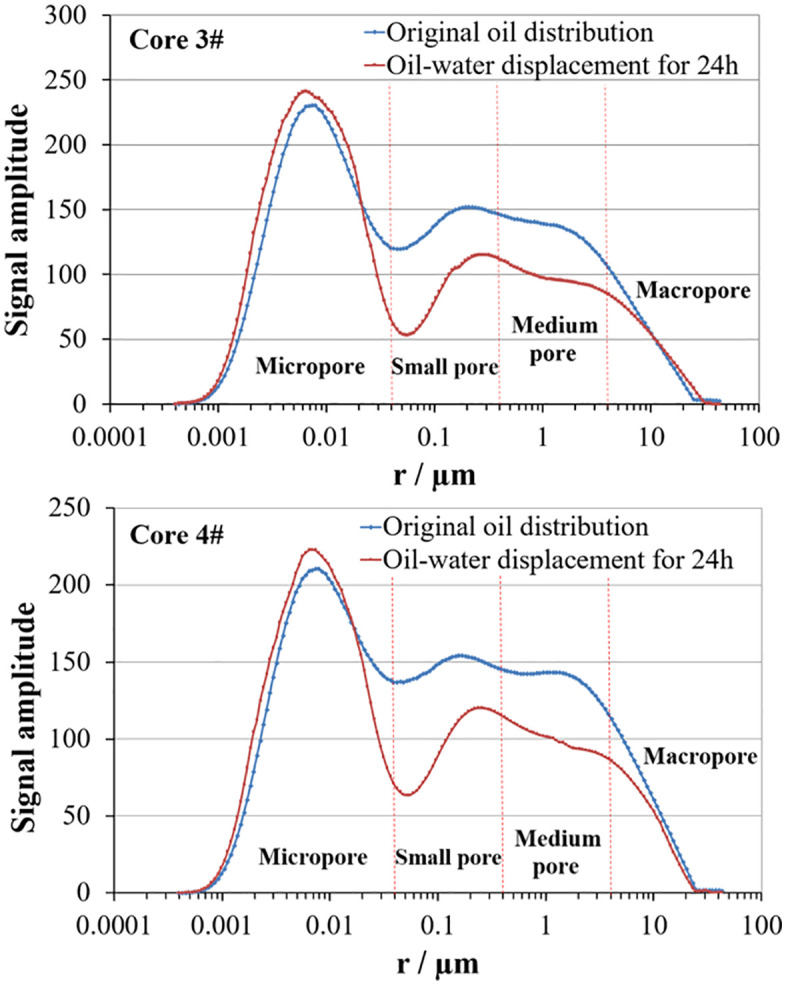 Figure 7
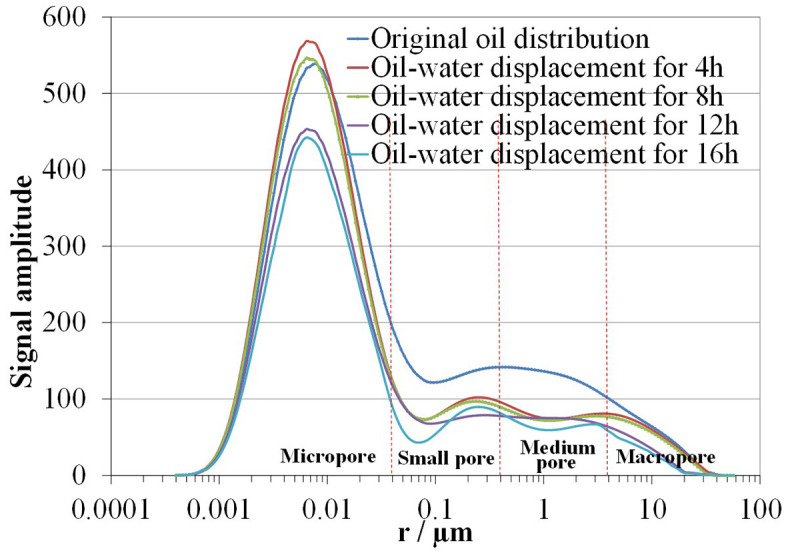 Figure 8
 Figure 9
 Figure 10
 Figure 11
 Figure 12
Peer Reviews
No public reviews on file for this paper yet. If you reviewed it on a platform where reviews are public (OpenReview, ICLR, NeurIPS, ICML), you can paste yours below so the community can read it here.
Videos
No videos yet. Explain this paper in a talk, walkthrough, or lecture? Add one.
Taxonomy
TopicsEnhanced Oil Recovery Techniques · Hydraulic Fracturing and Reservoir Analysis · Drilling and Well Engineering