Design and synthesis of bioactive Ru(ii) complexes: antibacterial activity, biocompatibility and biomolecular binding
Debasis Bhunya, Riya Datta, Ribhu Maity, Alipe Saha, Sujata Sen, Paula Brandao, Satyajit Pattanayak, Tithi Maity, Keka Sarkar, Bidhan Chandra Samanta

TL;DR
This paper explores new ruthenium-based compounds that show strong antibacterial properties and biocompatibility, offering potential solutions to antibiotic resistance.
Contribution
The study introduces novel Ru(ii)–thiazolidine complexes with proven antibacterial and antioxidant activity against drug-resistant bacteria.
Findings
Two Ru(ii)–thiazolidine complexes showed significant antibacterial effects against MRSA and Klebsiella pneumonia.
The complexes exhibited favorable biocompatibility as confirmed by hemolysis assays.
They interact with DNA and proteins via partial groove binding and static quenching mechanisms.
Abstract
Ruthenium(ii) complexes with N- and S-donor ligands have emerged as promising alternatives to conventional antibiotics due to their stability, biocompatibility, and ability to interact with biological macromolecules. In this work, a series of four Ru(ii)–thiazolidine complexes, [Ru(ii)(L1–L4)(p-cymene)Cl]PF6, were synthesized and structurally characterized using spectroscopic techniques and X-ray crystallography. Their interactions with DNA and proteins showed partial groove binding with calf thymus DNA and a static quenching mechanism with bovine serum albumin (BSA). Biological investigations revealed that two of the complexes exhibited strong antioxidant activity and significant antibacterial effects against methicillin-resistant Staphylococcus aureus (MRSA) and Klebsiella pneumonia (KP). Moreover, hemolysis assays confirmed their favourable biocompatibility. These results highlight…
Genes, proteins, chemicals, diseases, species, mutations and cell lines named across the full text — each resolved to its canonical identifier and authoritative record.
Click any figure to enlarge with its caption.
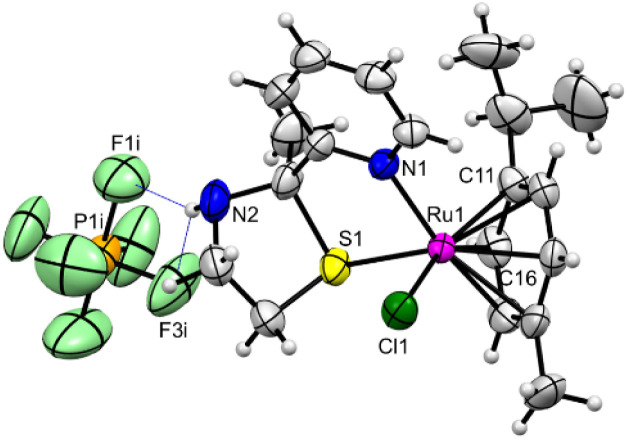 Figure 1
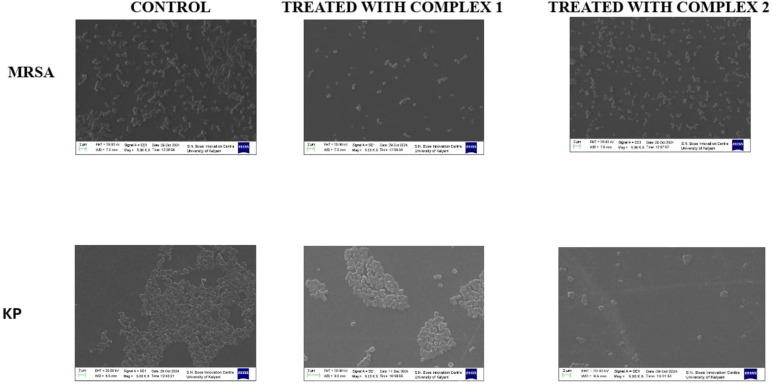 Figure 2
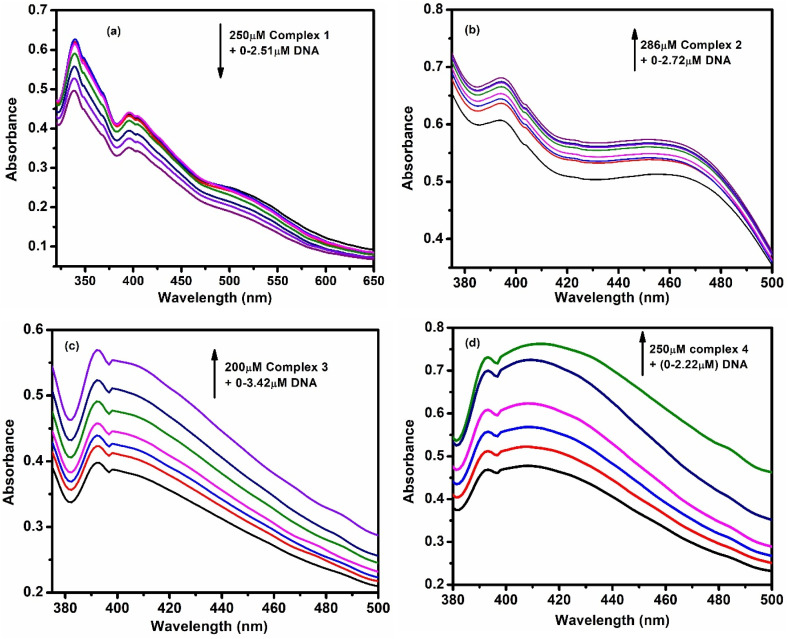 Figure 3
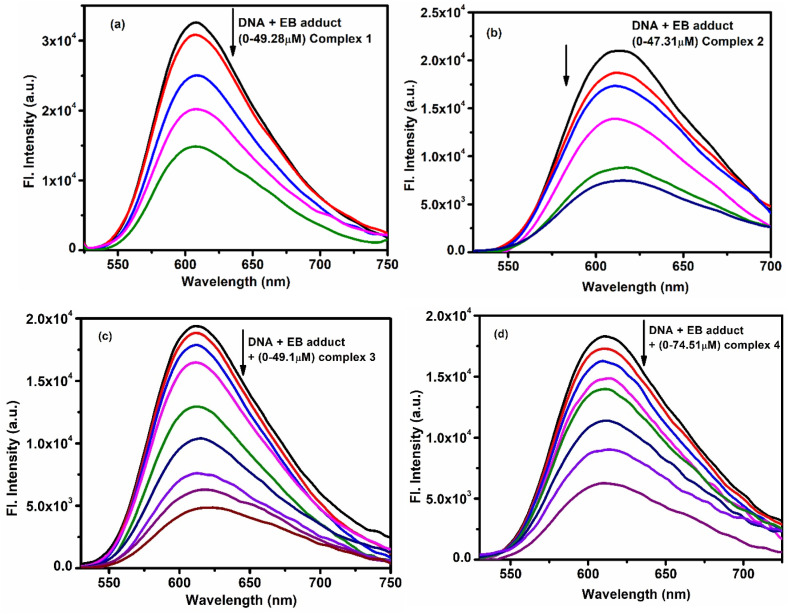 Figure 4
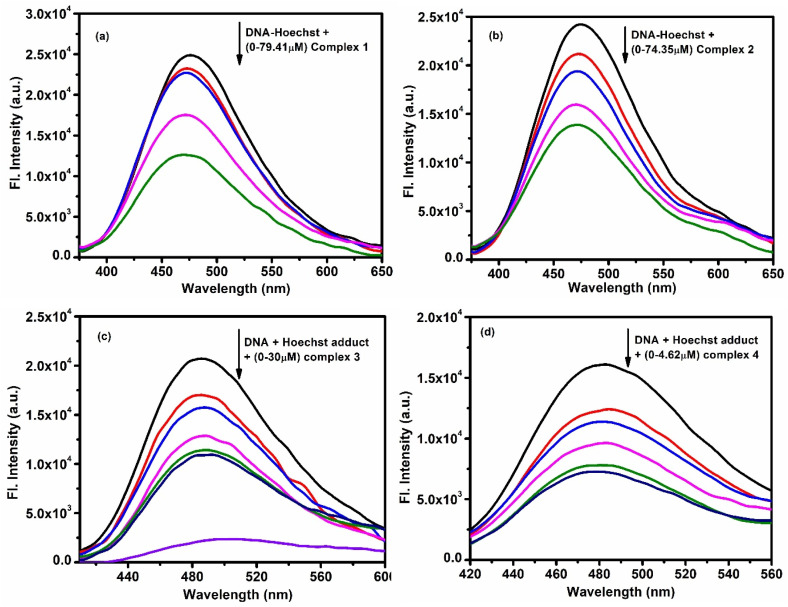 Figure 5
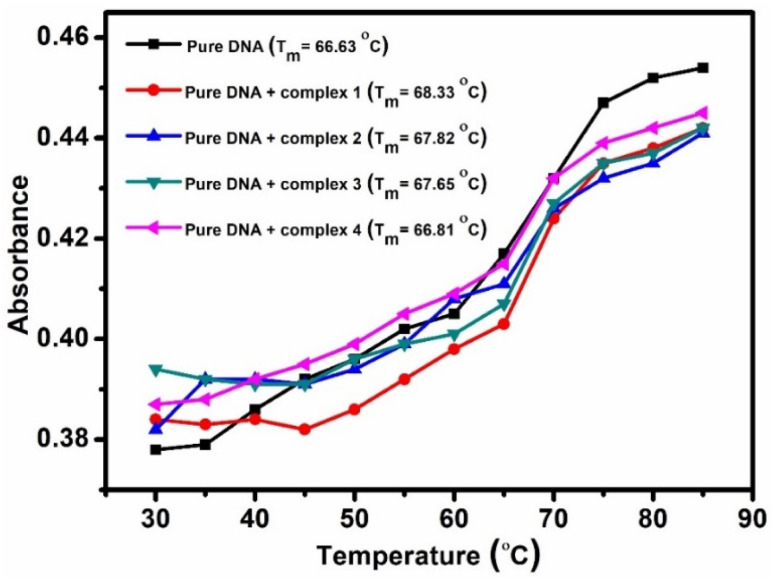 Figure 6
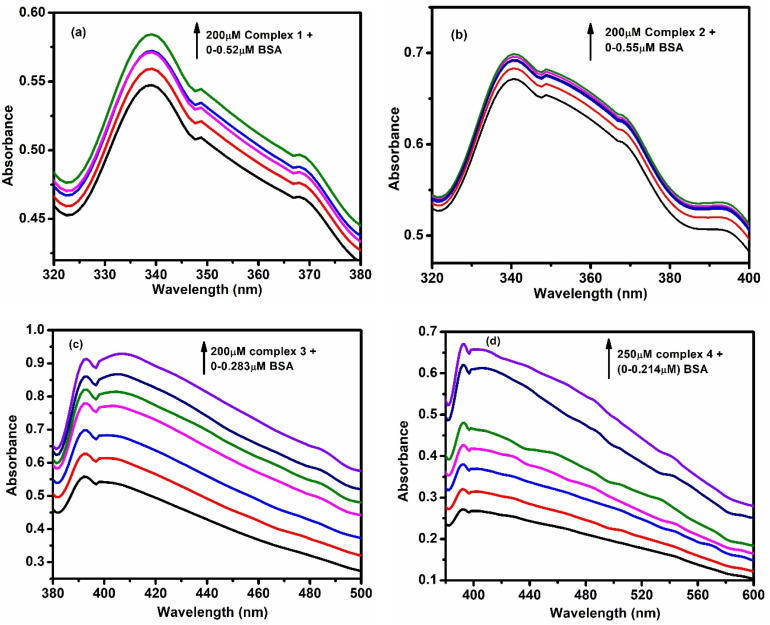 Figure 7
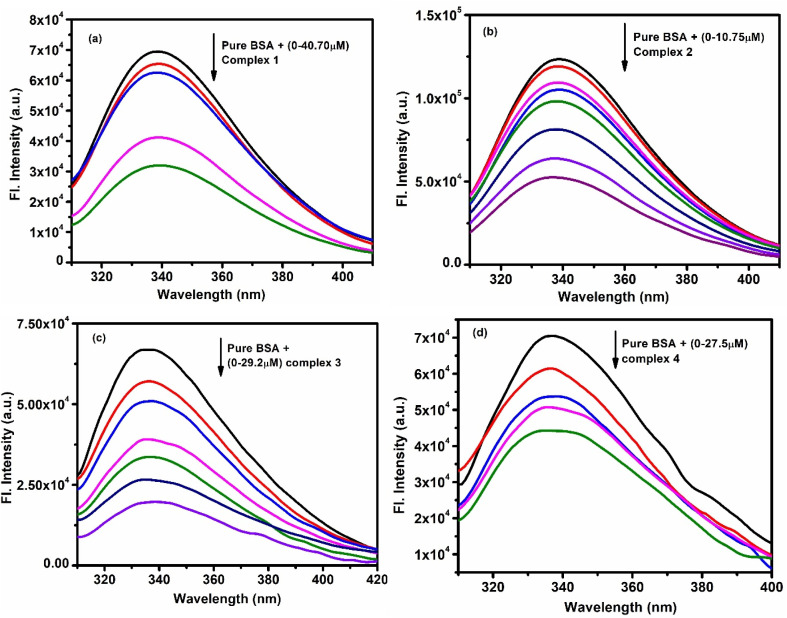 Figure 8
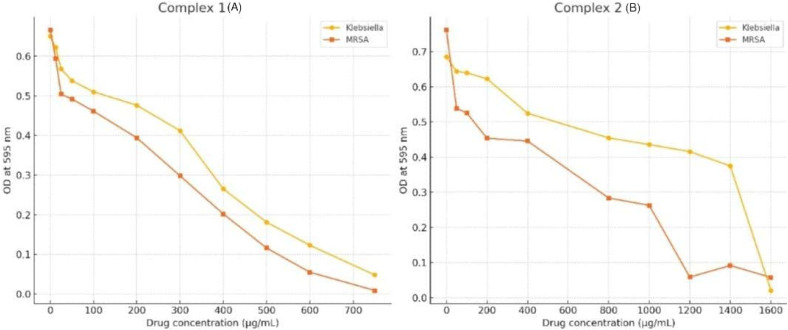 Figure 9
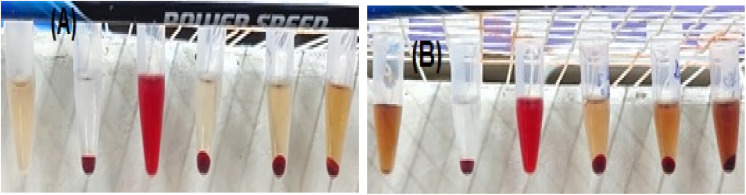 Figure 10
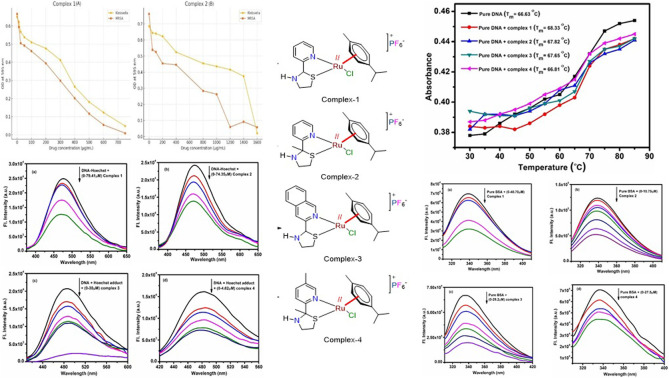 Figure 11
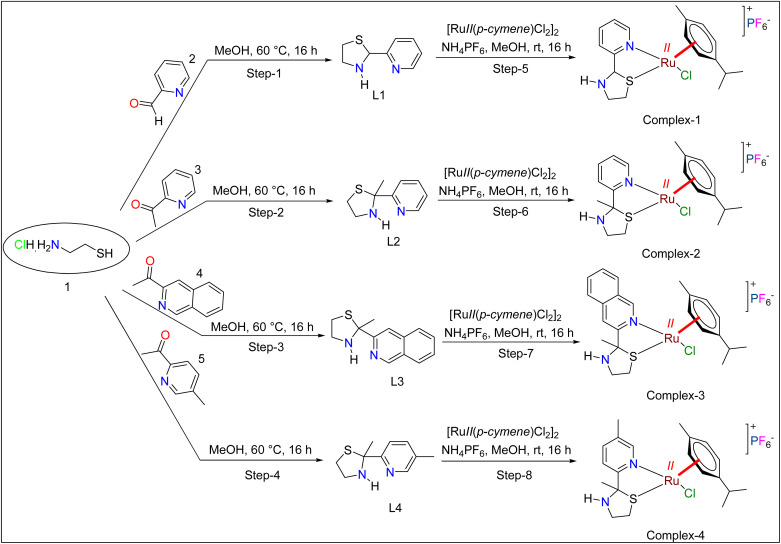 Figure 12
Peer Reviews
No public reviews on file for this paper yet. If you reviewed it on a platform where reviews are public (OpenReview, ICLR, NeurIPS, ICML), you can paste yours below so the community can read it here.
Videos
No videos yet. Explain this paper in a talk, walkthrough, or lecture? Add one.
Taxonomy
TopicsMetal complexes synthesis and properties · Protein Interaction Studies and Fluorescence Analysis · Ferrocene Chemistry and Applications