Implication of GPRASP2 in the Proliferation and Hair Cell‐Forming of Cochlear Supporting Cells
Jing Cai, Kun Huang, Wenrui Li, Tianming Wang, Shen Yue, Zhibin Chen, Guangqian Xing, Qinjun Wei, Jun Yao, Xin Cao

TL;DR
This study explores how GPRASP2, a gene linked to hearing loss, influences the growth and transformation of cochlear cells, suggesting its potential for gene therapy in hearing regeneration.
Contribution
The study reveals novel roles of GPRASP2 in promoting cochlear cell proliferation and hair cell formation through specific signaling pathways.
Findings
GPRASP2 overexpression promotes supporting cell proliferation via the Hedgehog signaling pathway.
GPRASP2 deficiency increases lysosomal degradation of SMO, reducing β-catenin and GLI1 expression.
GPRASP2-mediated signaling supports hair cell formation and fate specification.
Abstract
G protein‐coupled receptor‐associated sorting protein 2 (GPRASP2) has been identified as the causative gene for X‐linked recessive syndromic hearing loss (SHL) in our previous study. However, the role of GPRASP2 in auditory function remains unclear. The present study demonstrated that Gprasp2 overexpression in mouse organoids promoted the proliferation of supporting cells (SCs), which was mainly mediated by the Hedgehog signalling pathway. Meanwhile, GPRASP2 promoted hair cell (HC) formation from SCs via β‐catenin signalling. In addition, GPRASP2 deficiency resulted in increased lysosomal degradation of SMO protein, leading to decreased expression of β‐catenin and the Hedgehog pathway transcription factor GLI1. In neomycin‐treated mouse cochlear explant, the smoothened agonist (SAG) recured the HC loss and further facilitated AAV‐ie‐Gprasp2 to promote the proliferation of SCs and…
Genes, proteins, chemicals, diseases, species, mutations and cell lines named across the full text — each resolved to its canonical identifier and authoritative record.
Click any figure to enlarge with its caption.
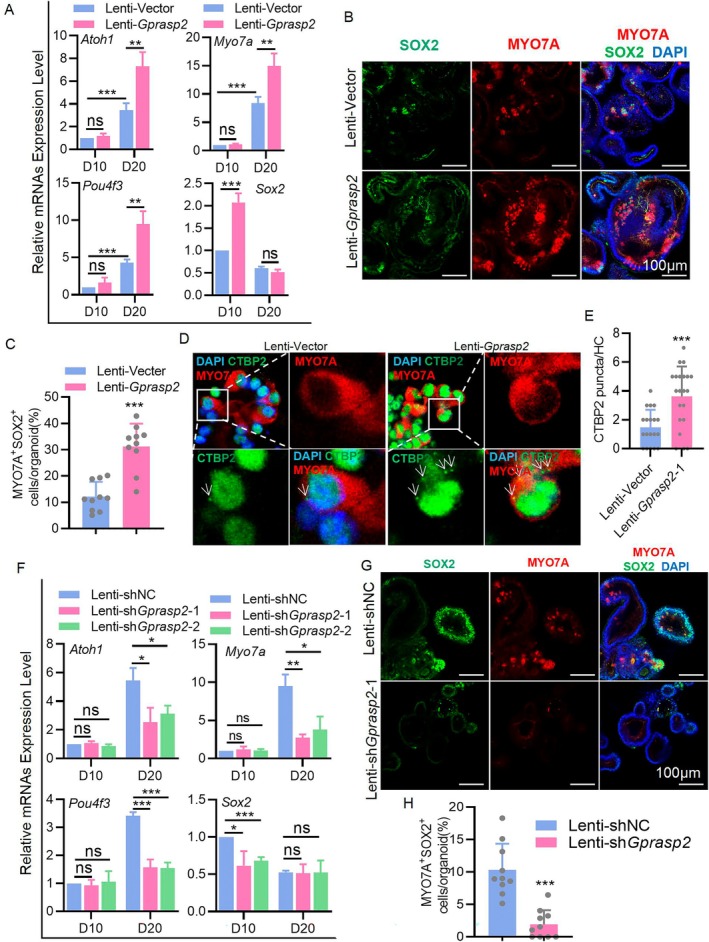 Figure 1
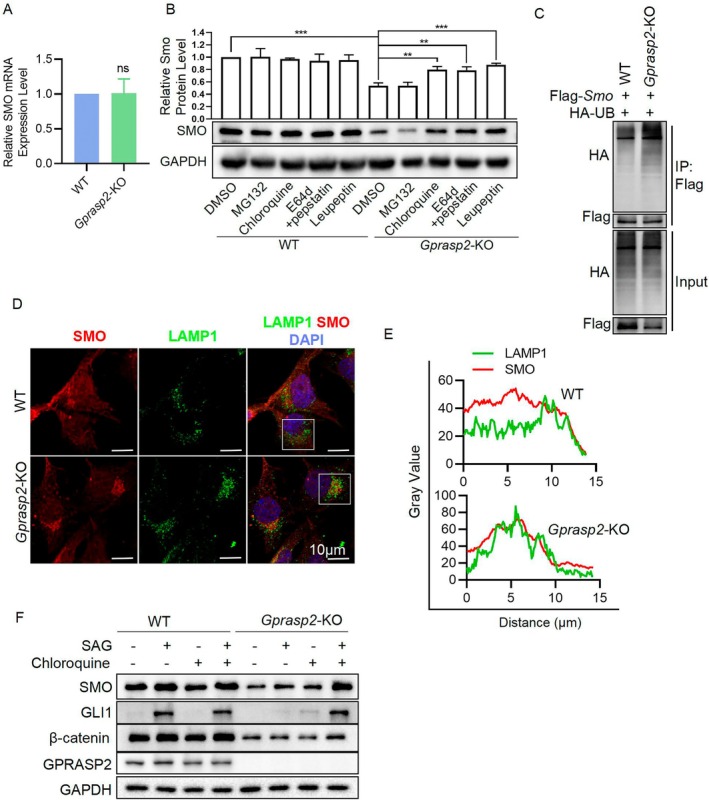 Figure 2
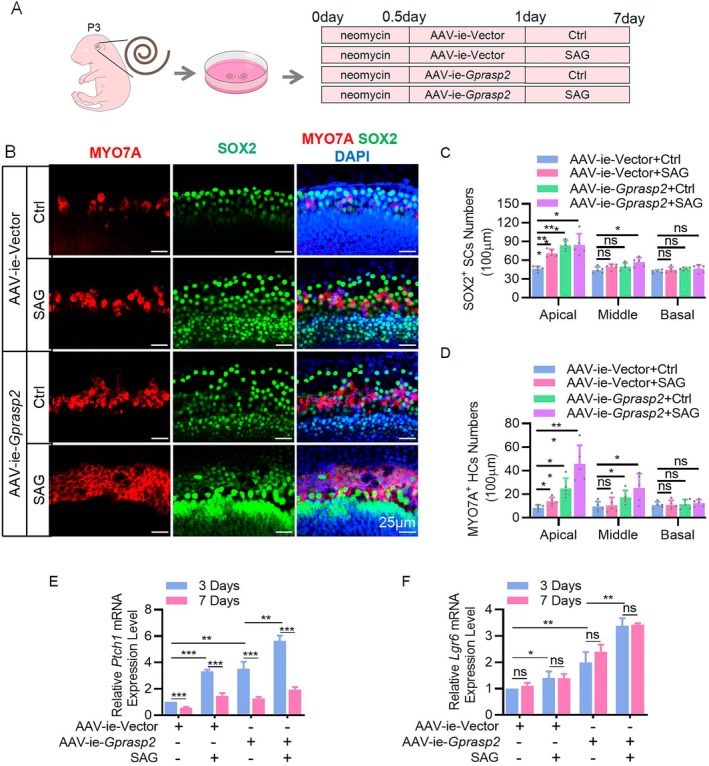 Figure 3
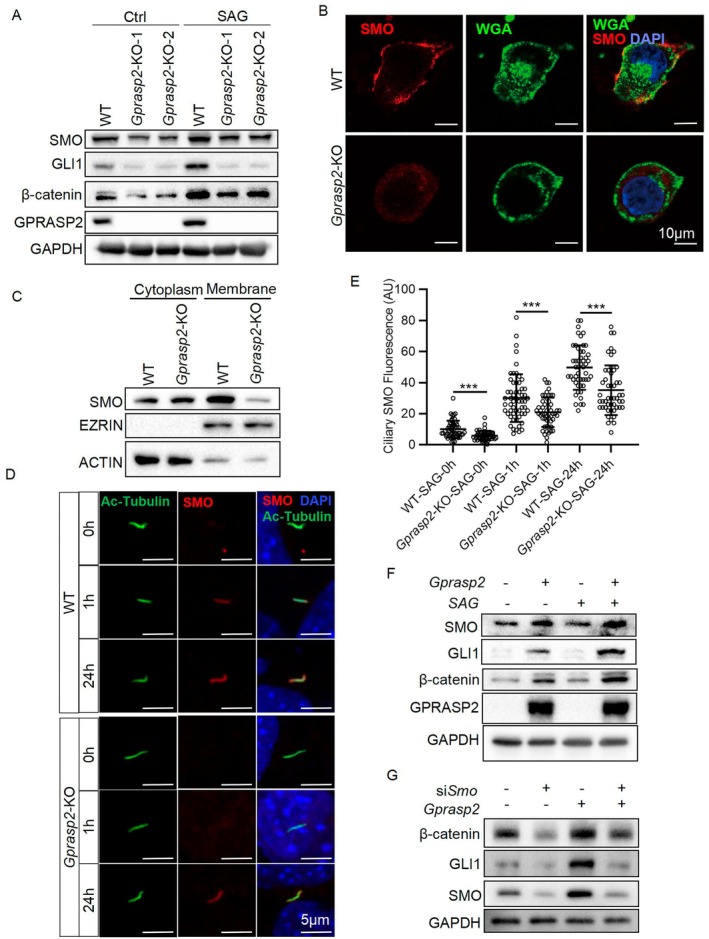 Figure 4
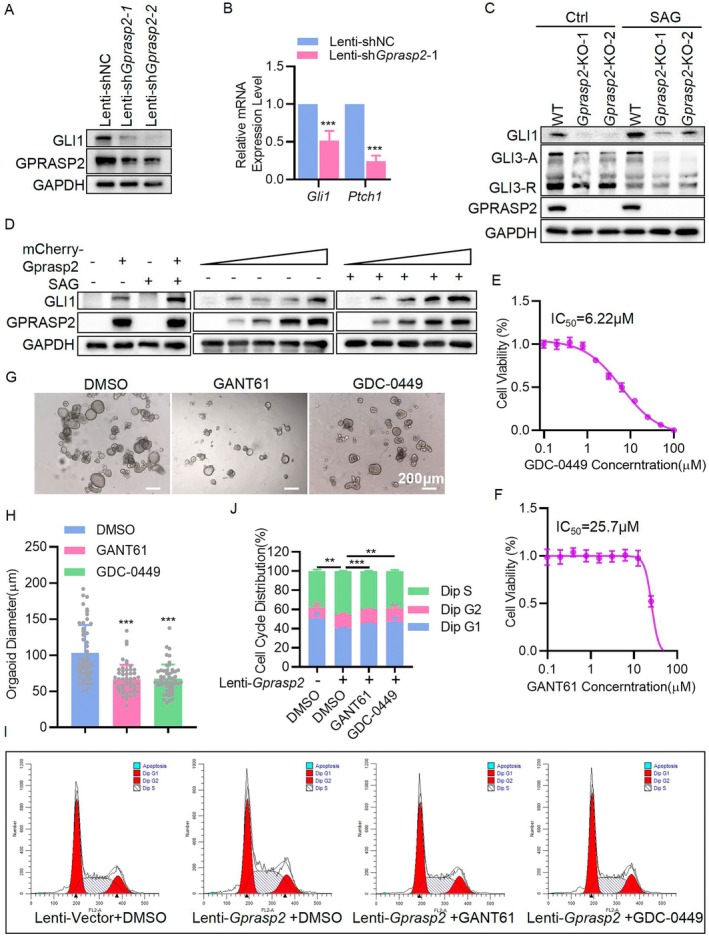 Figure 5
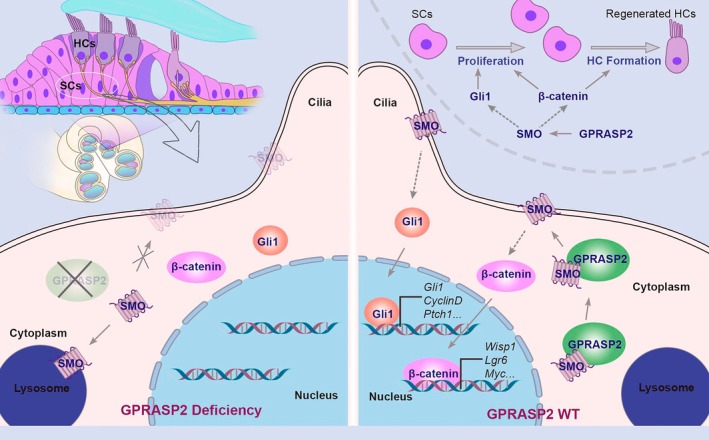 Figure 6
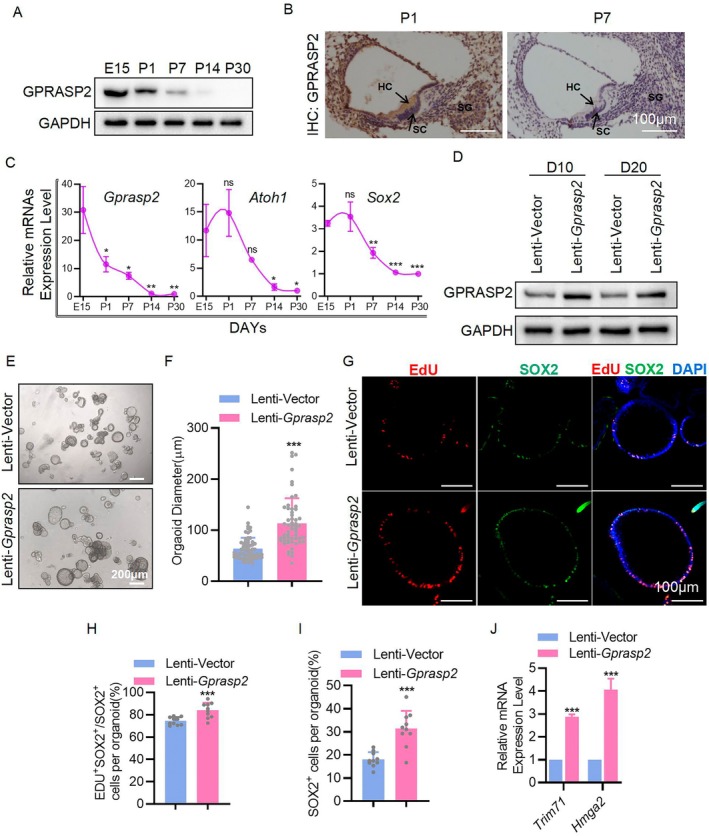 Figure 7
 Figure 8
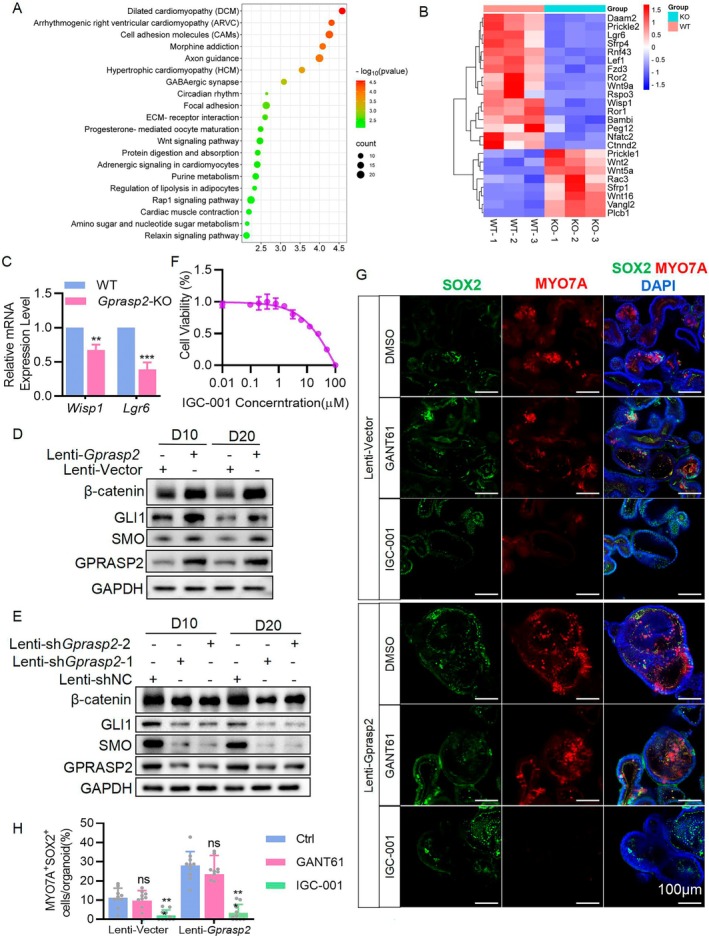 Figure 9
Peer Reviews
No public reviews on file for this paper yet. If you reviewed it on a platform where reviews are public (OpenReview, ICLR, NeurIPS, ICML), you can paste yours below so the community can read it here.
Videos
No videos yet. Explain this paper in a talk, walkthrough, or lecture? Add one.
Taxonomy
TopicsHearing, Cochlea, Tinnitus, Genetics · Hearing Loss and Rehabilitation · Vestibular and auditory disorders