From data to action: addressing geographic inequalities in rabies burden through targeted policies
Lu He, En-Li Tan

TL;DR
Rabies remains a deadly disease in low-income regions, and this study highlights the need for targeted policies to reduce geographic and socioeconomic disparities in rabies burden.
Contribution
The study quantifies geographic and socioeconomic disparities in rabies burden using GBD data and proposes targeted policy interventions.
Findings
Rabies burden remains highest in low-SDI countries, with South Asia and Eastern Sub-Saharan Africa most affected.
Despite global declines in rabies rates, relative inequalities between high- and low-SDI regions persist.
Frontier analysis shows significant potential for improvement in both low-resource and high-income settings.
Abstract
Rabies remains a preventable yet fatal zoonotic disease, disproportionately affecting low- and middle-income settings. Despite global progress in prevention and control, the extent of geographic, socioeconomic, and age-related disparities in rabies burden has not been fully quantified. Using data from the Global Burden of Disease (GBD) Study 2021, we evaluated global, regional, national, and sociodemographic index (SDI)-specific patterns in rabies burden, focusing on age-standardized rate (ASR), including age-standardized incidence (ASIR), prevalence (ASPR), mortality (ASMR), and disability-adjusted life-year rates (ASDR). Temporal trends were quantified using the average annual percentage change (AAPC). Health inequalities were examined using the slope index of inequality (SII) and concentration index (CCI), while frontier analysis was conducted to estimate potential gains relative to…
Genes, proteins, chemicals, diseases, species, mutations and cell lines named across the full text — each resolved to its canonical identifier and authoritative record.
Click any figure to enlarge with its caption.
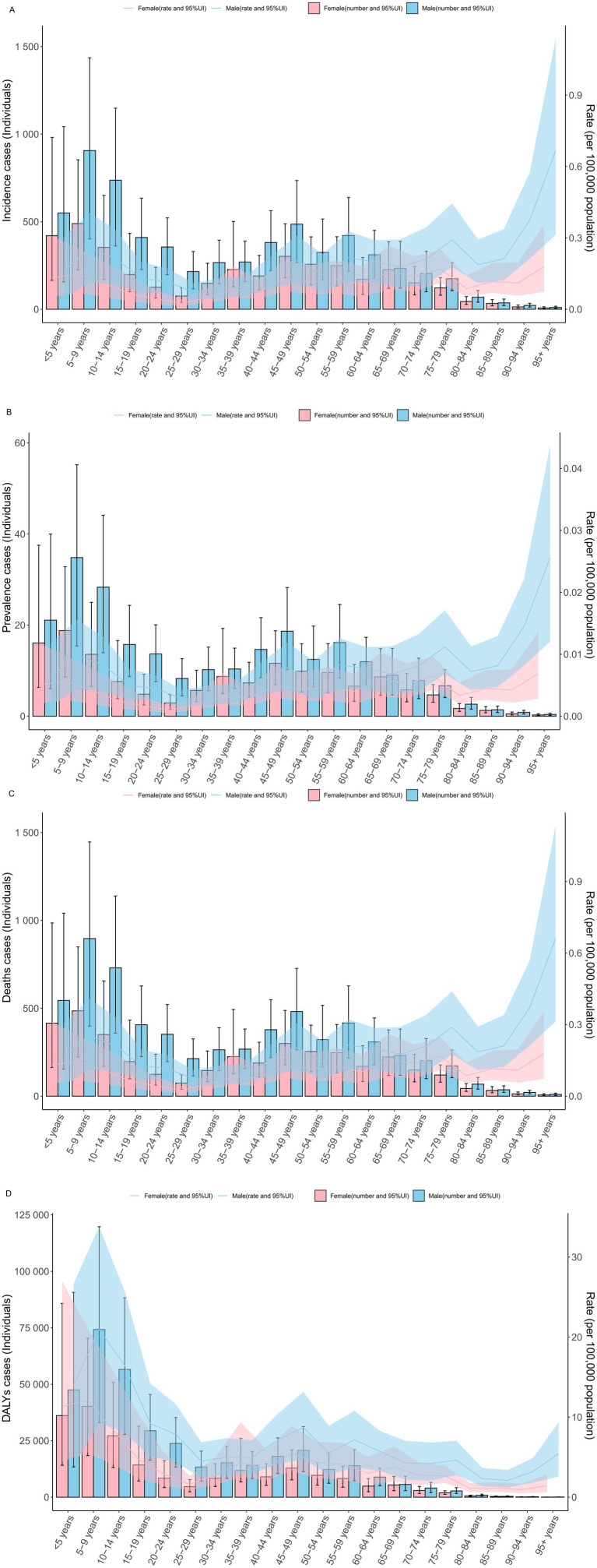 Figure 1
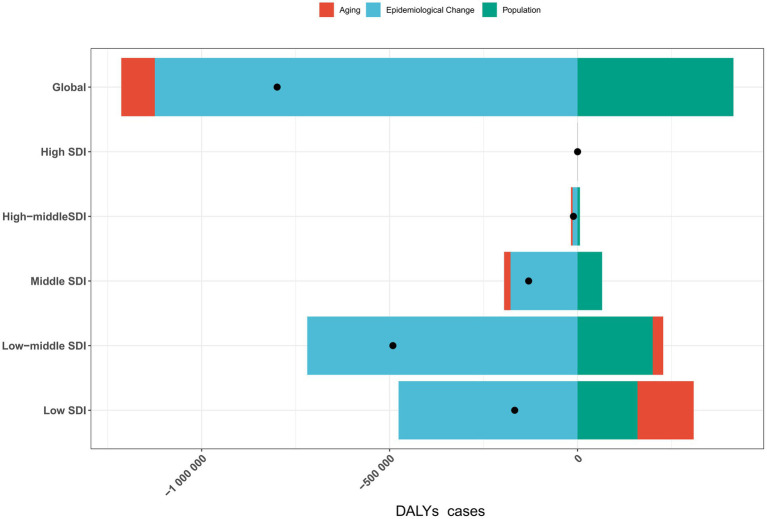 Figure 2
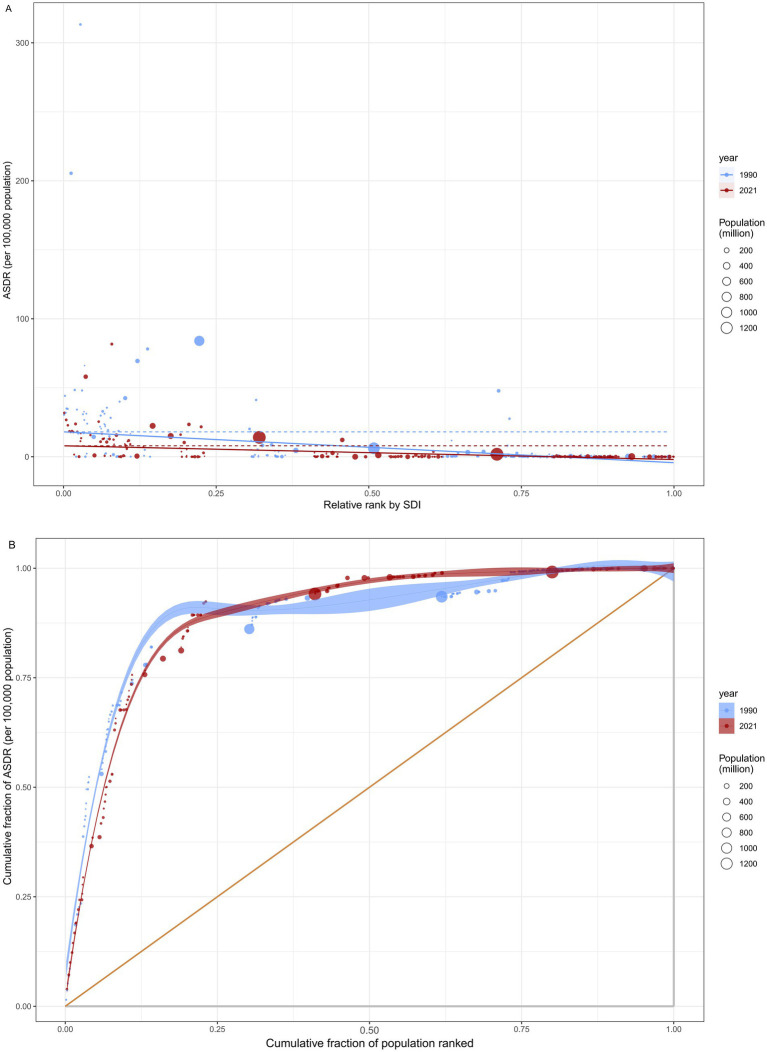 Figure 3
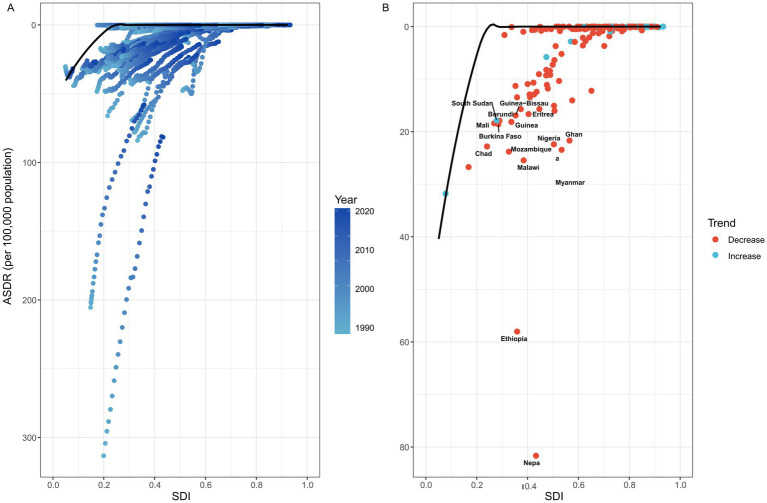 Figure 4
Peer Reviews
No public reviews on file for this paper yet. If you reviewed it on a platform where reviews are public (OpenReview, ICLR, NeurIPS, ICML), you can paste yours below so the community can read it here.
Videos
No videos yet. Explain this paper in a talk, walkthrough, or lecture? Add one.
Taxonomy
TopicsRabies epidemiology and control · Yersinia bacterium, plague, ectoparasites research · Zoonotic diseases and public health