Characterization of cervical microbiota in cervical intraepithelial neoplasia and cervical cancer using low-coverage whole genome sequencing
Tingting Zhang, Fang Gu, Weihua Li, Ruxue Han, Xinyu Liu, Chan Dai, Di Zhang, Hua Li

TL;DR
This study uses low-coverage whole genome sequencing to track changes in cervical microbiota from benign conditions to cervical cancer, identifying microbial biomarkers linked to disease progression.
Contribution
The study pioneers the use of LC-WGS/UCAD to profile cervical microbiota across cervical cancer stages and identifies severity-associated microbial biomarkers.
Findings
Lactobacillus depletion and enrichment of pathobionts like Gardnerella and Bacteroides correlate with increasing cervical lesion severity.
CC is marked by high microbial diversity, HPV16 dominance, and significant Bacteroidetes enrichment.
Random Forest modeling identifies Mobiluncus curtisii and HPV16 as key discriminators of cervical cancer.
Abstract
This study characterized compositional shifts in cervical microbiota across disease stages from benign conditions through cervical intraepithelial neoplasia (CIN) to cervical cancer (CC) and investigated interactions with high-risk HPV (hr-HPV) infection using species-resolution profiling to identify severity-associated biomarkers. Cervical exfoliated epithelial cells from 50 patients (eight normal/CIN1, 15 CIN2, 19 CIN3, 5 CC) were analyzed using Low-Coverage Whole Genome Sequencing combined with the Ultrasensitive Chromosomal Aneuploidy Detector (UCAD), a technology featuring a two-step normalization framework that systematically converts raw microbial reads into statistically validated abundance deviations. This enables quantitative identification of pathologically relevant microbiota through cohort-wide Z-score benchmarking. Microbial diversity, differential biomarkers, and…
Genes, proteins, chemicals, diseases, species, mutations and cell lines named across the full text — each resolved to its canonical identifier and authoritative record.
Click any figure to enlarge with its caption.
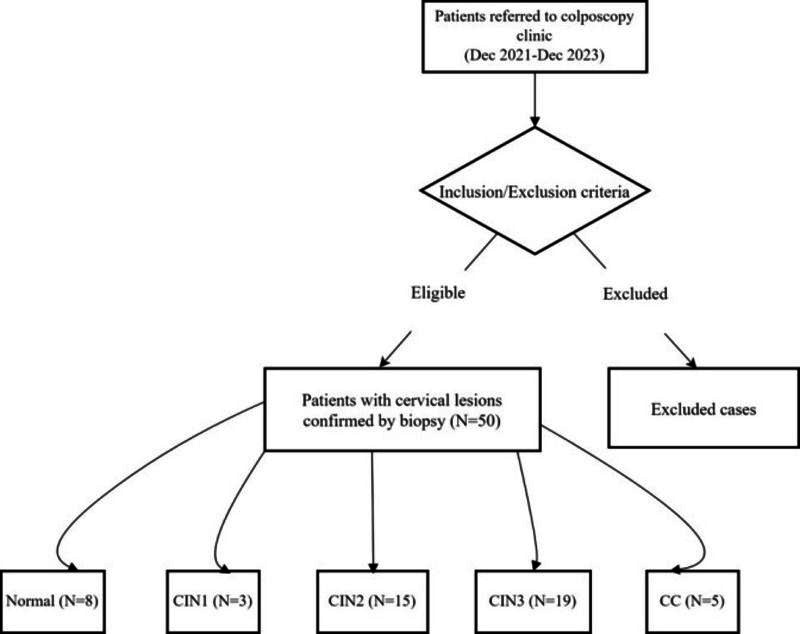 Figure 1
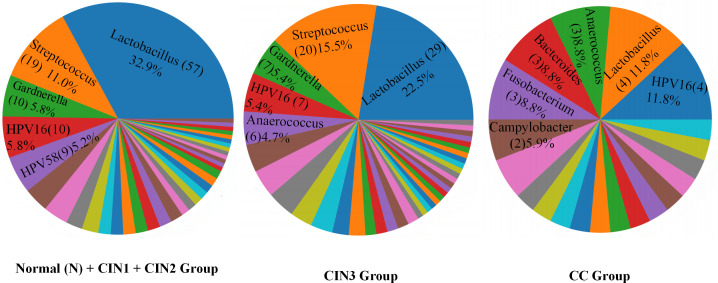 Figure 2
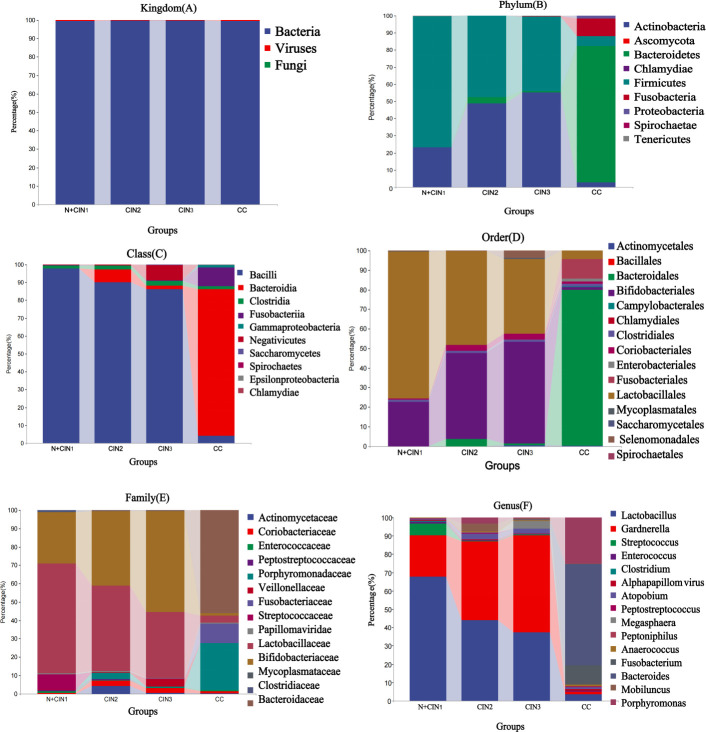 Figure 3
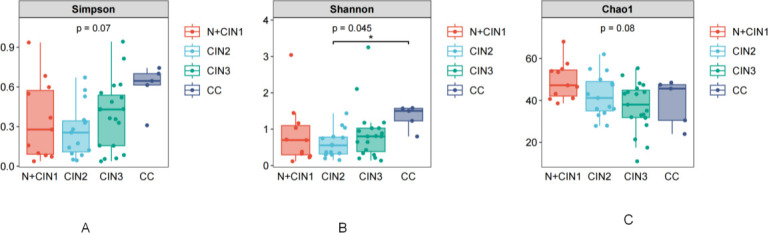 Figure 4
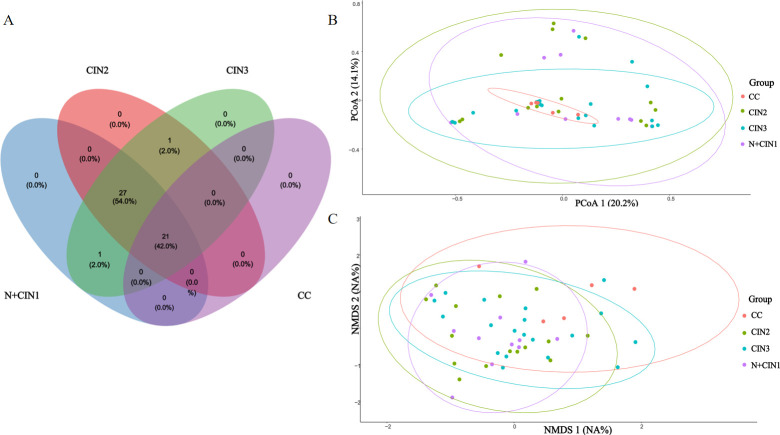 Figure 5
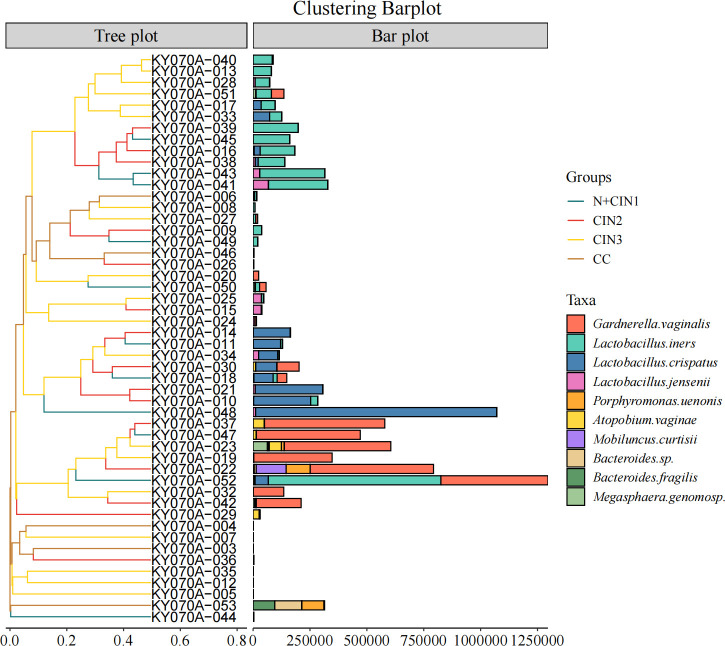 Figure 6
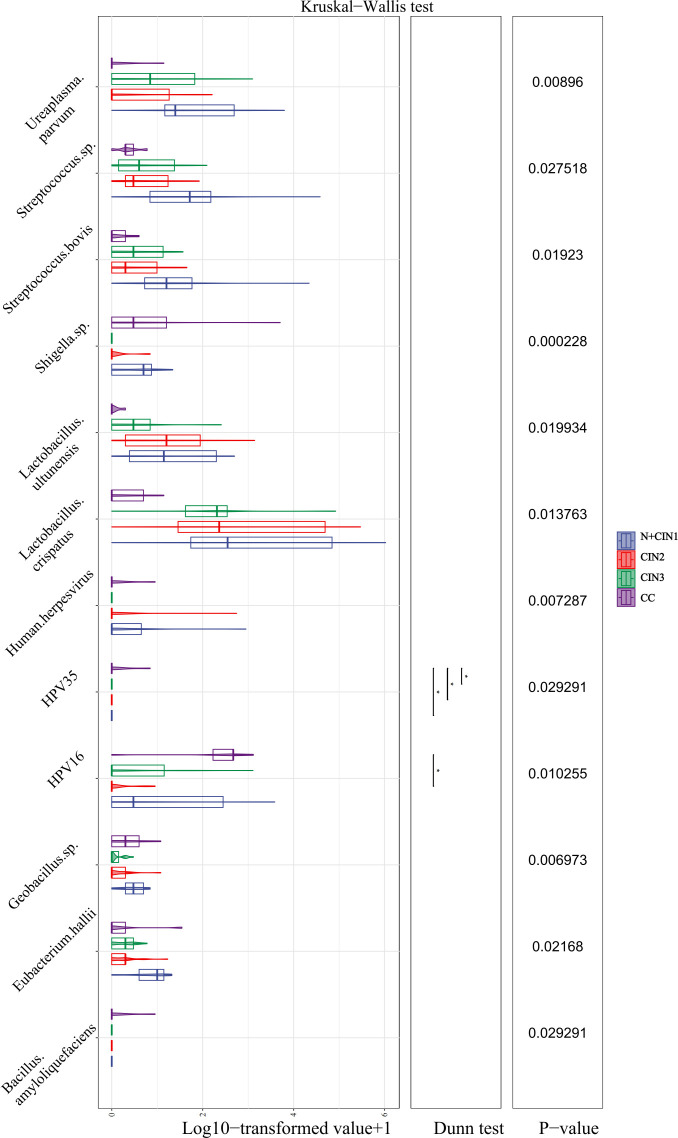 Figure 7
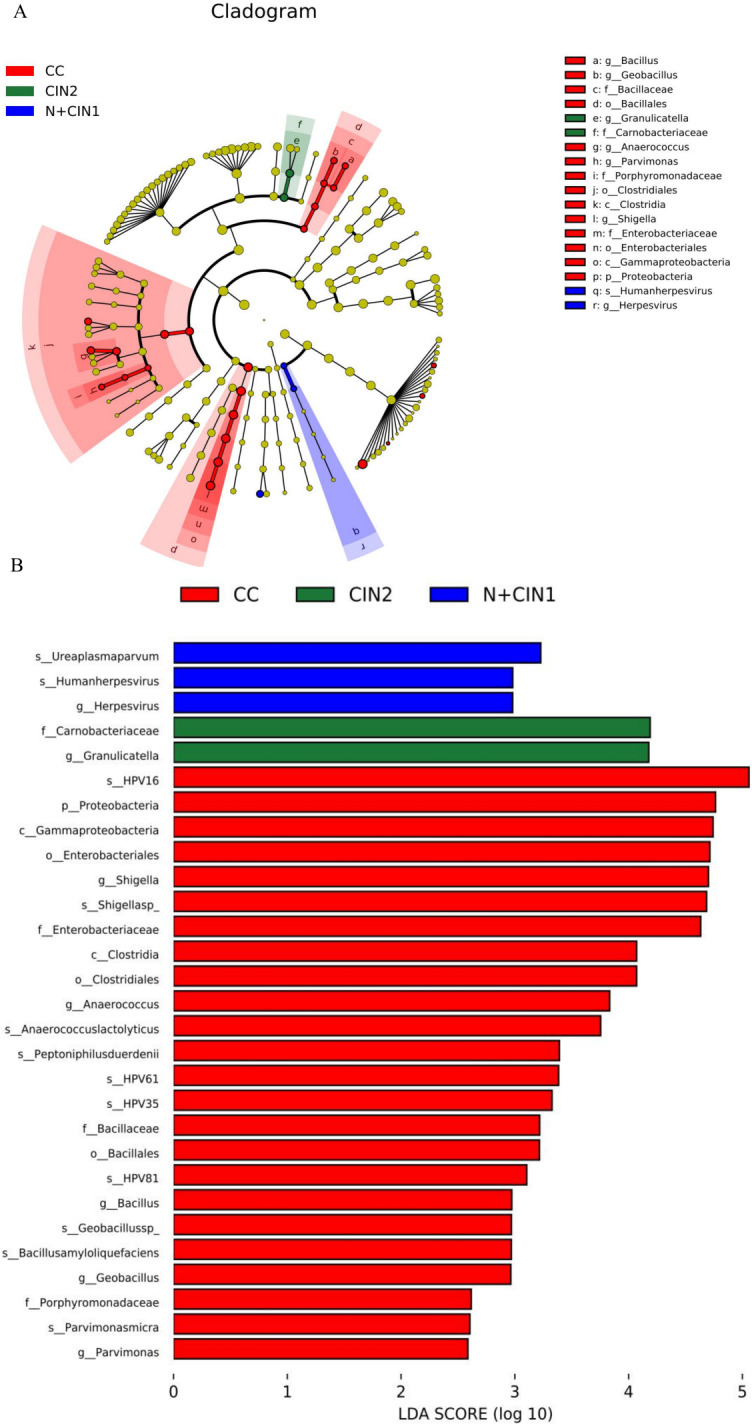 Figure 8
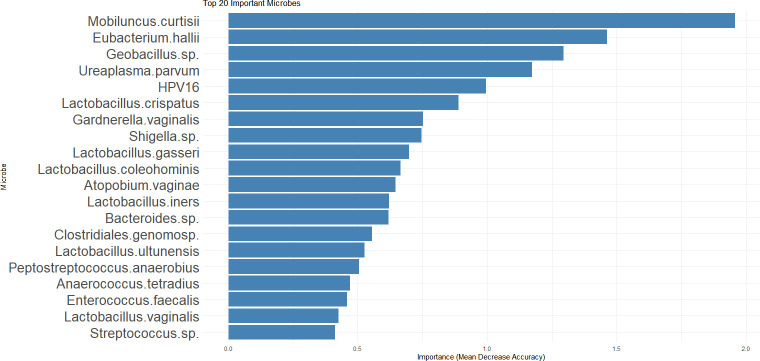 Figure 9
 Figure 10
 Figure 11
 Figure 12
Peer Reviews
No public reviews on file for this paper yet. If you reviewed it on a platform where reviews are public (OpenReview, ICLR, NeurIPS, ICML), you can paste yours below so the community can read it here.
Videos
No videos yet. Explain this paper in a talk, walkthrough, or lecture? Add one.
Taxonomy
TopicsCervical Cancer and HPV Research · Reproductive tract infections research · Gut microbiota and health