An AI methodology to reduce training intensity, error rates, and size of neural networks
Thaddeus J. A. Kobylarz

TL;DR
This paper introduces a new AI method that reduces training time, errors, and network size for disease diagnosis.
Contribution
A novel neuron model and direct creation algorithm that enable single-iteration convergence and eliminate errors.
Findings
The proposed neuron model can perform both linearly and nonlinearly separable switching functions.
Disease diagnosis examples converge in a single training iteration using the new algorithm.
The method eliminates hallucinations and reduces the need for extensive training.
Abstract
Massive computing systems are required to train neural networks. The prodigious amount of consumed energy makes the creation of AI applications significant polluters. Despite the enormous training effort, neural network error rates limit its use for medical applications, because errors can lead to intolerable morbidity and mortality. Two reasons contribute to the excessive training requirements and high error rates; an iterative reinforcement process (tuning) that does not guarantee convergence and the deployment of neuron models only capable of realizing linearly separable switching functions. tuning procedures require tens of thousands of training iterations. In addition, linearly separable neuron models have severely limited capability; which leads to large neural nets. For seven inputs, the ratio of total possible switching functions to linearly separable switching functions is 41…
Genes, proteins, chemicals, diseases, species, mutations and cell lines named across the full text — each resolved to its canonical identifier and authoritative record.
Click any figure to enlarge with its caption.
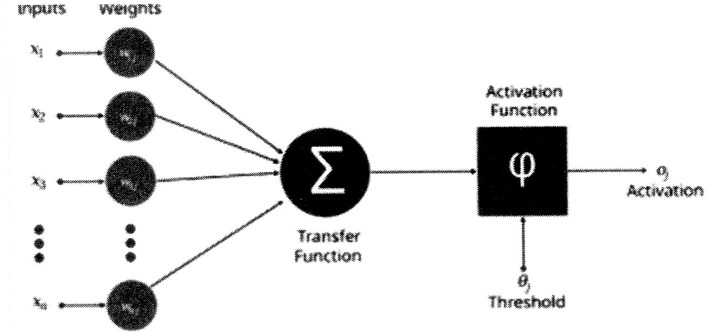 Figure 1
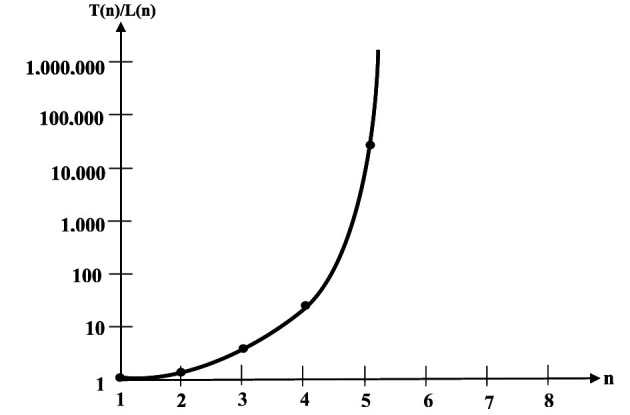 Figure 2
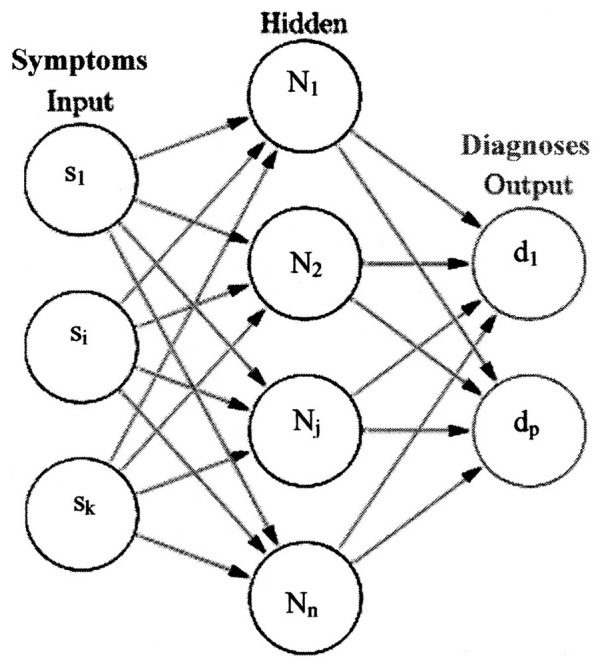 Figure 3
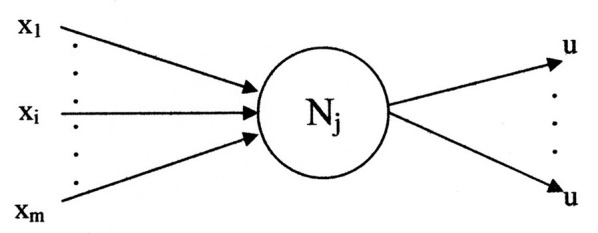 Figure 4
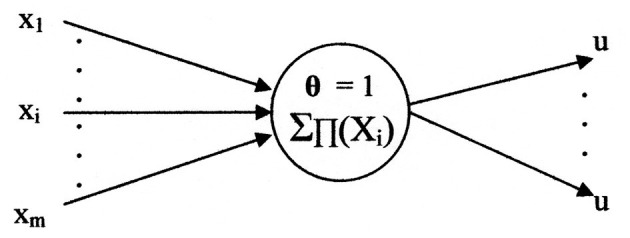 Figure 5
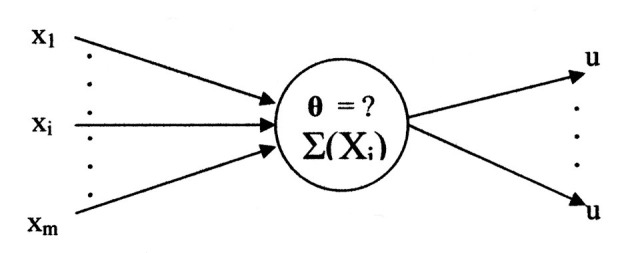 Figure 6
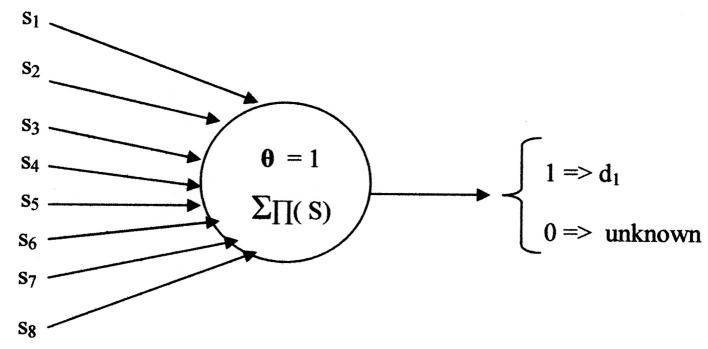 Figure 7
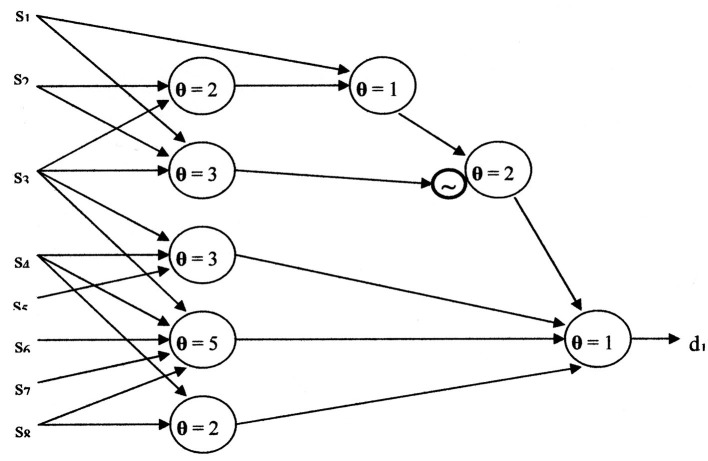 Figure 8
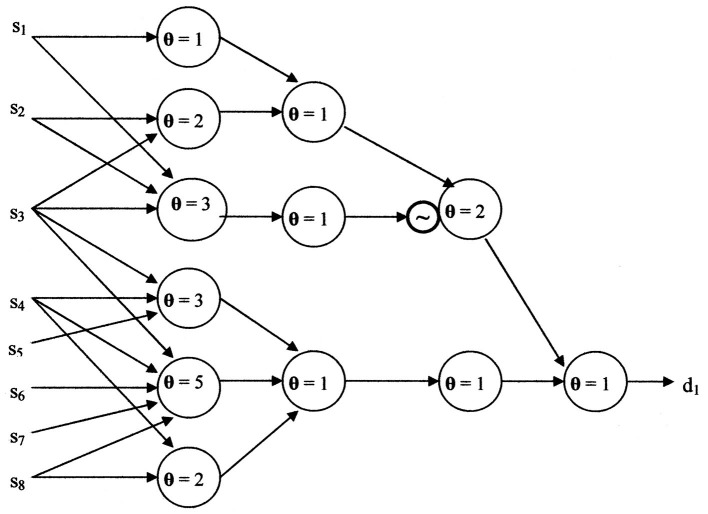 Figure 9
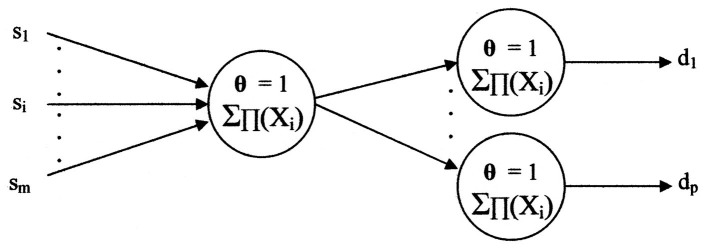 Figure 10
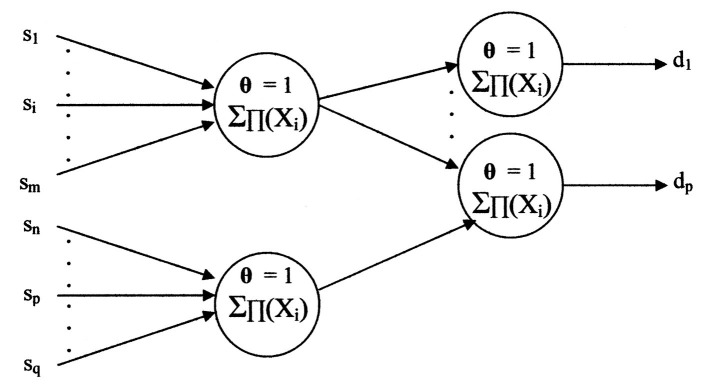 Figure 11
Peer Reviews
No public reviews on file for this paper yet. If you reviewed it on a platform where reviews are public (OpenReview, ICLR, NeurIPS, ICML), you can paste yours below so the community can read it here.
Videos
No videos yet. Explain this paper in a talk, walkthrough, or lecture? Add one.
Taxonomy
TopicsNeural Networks and Applications · Fault Detection and Control Systems · Fuzzy Logic and Control Systems