In vitro cell model to dilucidate the underlying molecular mechanism associated with ophthalmic manifestation of congenital disorders of glycosylation: studying an ALG2-CDG patient
Marisa Angelica Cubilla, Ana Clara Sclausero, Mariano Bisbal, Carla Gabriela Asteggiano

TL;DR
This study uses a mouse retinal cell line to investigate how a mutation in the ALG2 gene affects eye-related symptoms in a rare genetic disorder called CDG.
Contribution
The study introduces an in vitro model using the 661W cell line to explore the molecular effects of an ALG2 mutation in CDG.
Findings
The 661W cell line shows potential as a model for studying ALG2-related CDG mutations and their molecular consequences.
The study supports a possible link between the ALG2 mutation and clinical disease progression in CDG.
Findings may aid in developing targeted therapies for CDG through personalized medicine.
Abstract
Congenital Disorders of Glycosylation (CDG) are severe disruptions in the synthesis of glycoconjugates, resulting in inherited metabolic conditions. These multisystem diseases, typically inherited in an autosomal recessive manner, have an occurrence rate of approximately 1 in 20,000 to 1 in 50,000 live births. The clinical presentation of CDG is highly varied and complex, with neurological symptoms being predominant, affecting multiple organ systems. The process of glycosylation, a critical post-translational modification, is tightly controlled by proteins encoded by over 250 genes, and mutations in any of these genes are known to cause CDG. The discovery of new associated genes over recent years has accelerated; comprehensively characterizing these, especially rare ones, will aid in identifying novel therapeutic targets, improving prognostic evaluations, and developing effective…
Genes, proteins, chemicals, diseases, species, mutations and cell lines named across the full text — each resolved to its canonical identifier and authoritative record.
Click any figure to enlarge with its caption.
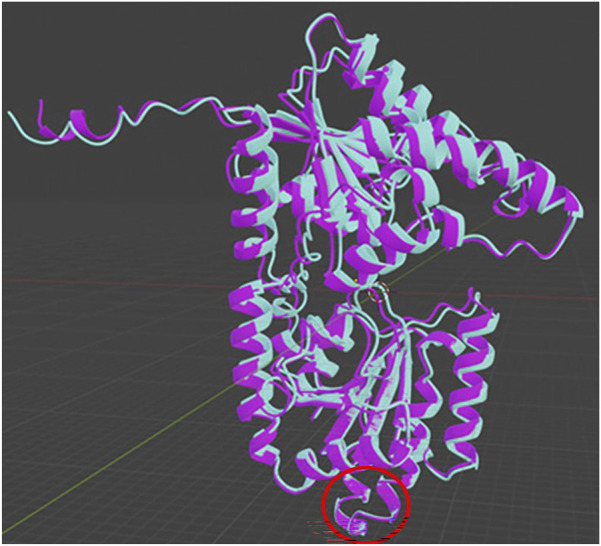 Figure 1
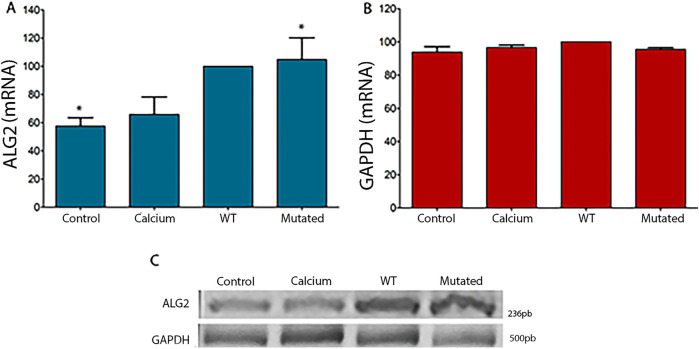 Figure 2
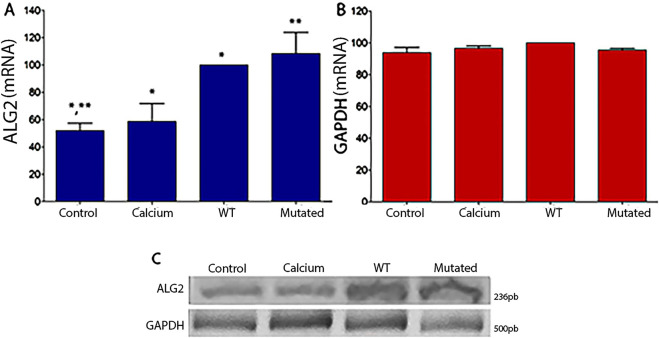 Figure 3
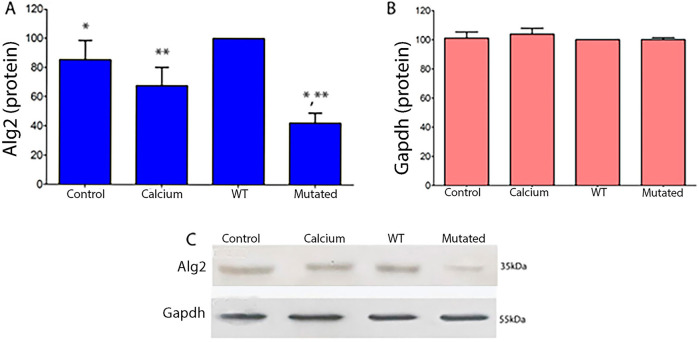 Figure 4
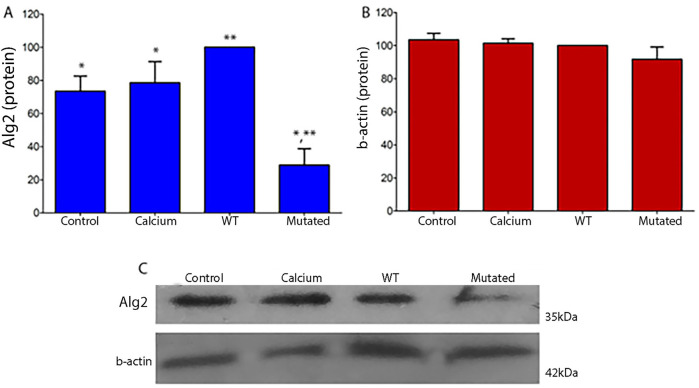 Figure 5
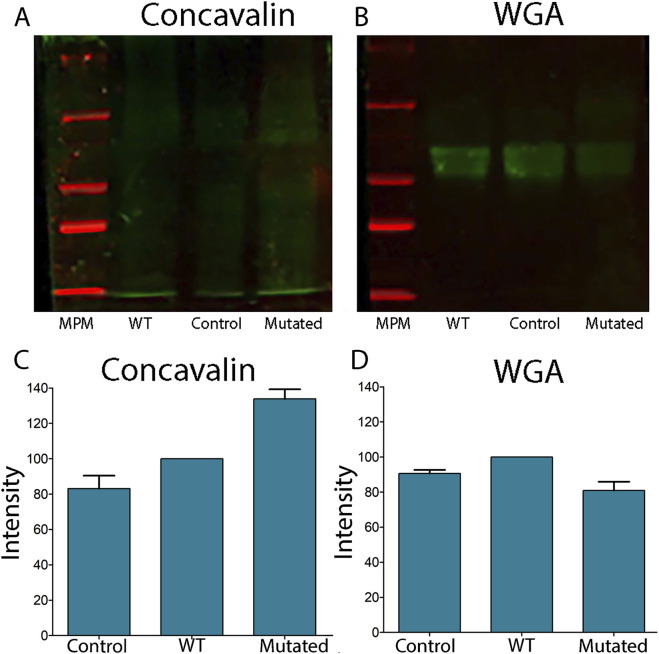 Figure 6
Peer Reviews
No public reviews on file for this paper yet. If you reviewed it on a platform where reviews are public (OpenReview, ICLR, NeurIPS, ICML), you can paste yours below so the community can read it here.
Videos
No videos yet. Explain this paper in a talk, walkthrough, or lecture? Add one.
Taxonomy
TopicsGlycosylation and Glycoproteins Research · Ubiquitin and proteasome pathways · Galectins and Cancer Biology