Recognition of HSPB8 as a potential therapeutic target for prostate cancer
Xun Fu, Yutao Wang, Hongjun Li

TL;DR
This study identifies HSPB8 as a potential therapeutic target and tumor suppressor in prostate cancer, based on its expression patterns and biological functions.
Contribution
The novel contribution is the identification of HSPB8 as a tumor suppressor and potential therapeutic target in prostate cancer.
Findings
HSPB8 is underexpressed in prostate cancer tissues compared to normal tissues.
Low HSPB8 expression correlates with poor survival outcomes in prostate cancer patients.
HSPB8 silencing promotes cancer cell proliferation and migration via PI3K−AKT signaling inactivation.
Abstract
Prostate cancer poses a serious burden on men’s quality of life. Identifying novel biomarkers for therapeutic development and prognostic prediction has long been a focal point in prostate cancer research. HSP family is a group of molecular chaperones that exhibit close relationship with many cancer types. In this study we screened out HSPB8 as a potential biomarker using WGCNA. Then we analyzed its expression patterns, investigated its biological functions, and assessed its prognostic values with a combination of bioinformatic analyses and experimental validation. Our data demonstrated that HSPB8 exhibited lower expression levels in prostate cancer tissues than in normal prostatic tissues. As a tumor suppressor gene, lack of HSPB8 was associated with unfavorable survival outcomes among patients with prostate cancer. In terms of biological function, HSPB8 were predominantly enriched in…
Genes, proteins, chemicals, diseases, species, mutations and cell lines named across the full text — each resolved to its canonical identifier and authoritative record.
Click any figure to enlarge with its caption.
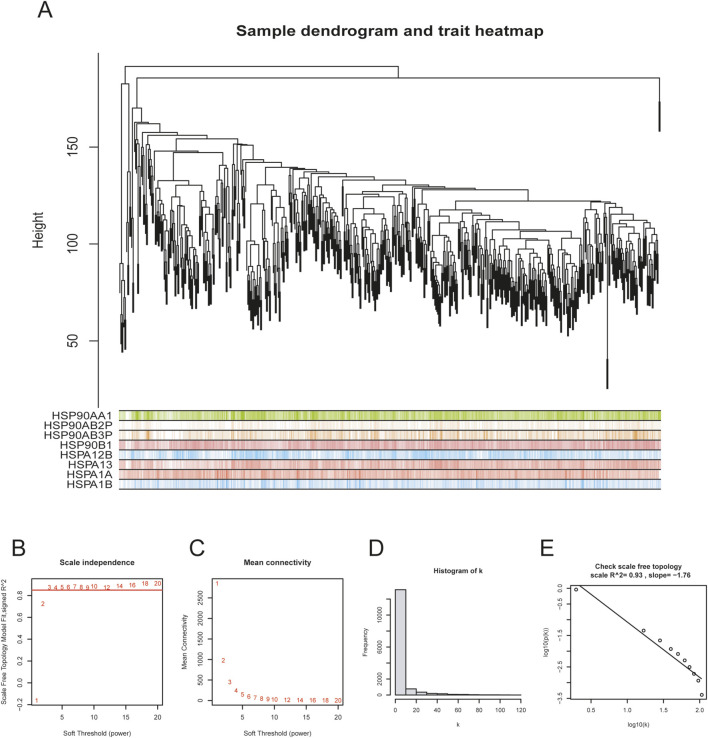 Figure 1
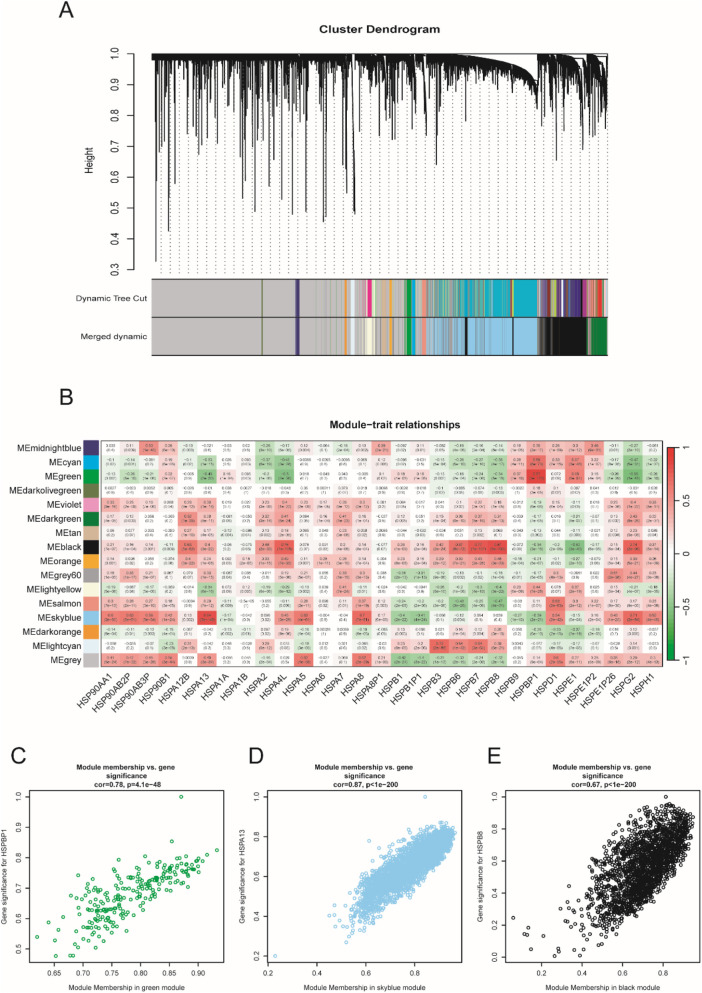 Figure 2
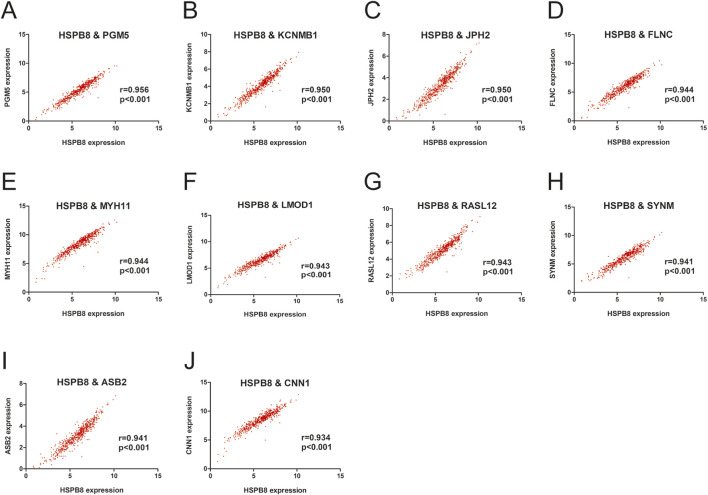 Figure 3
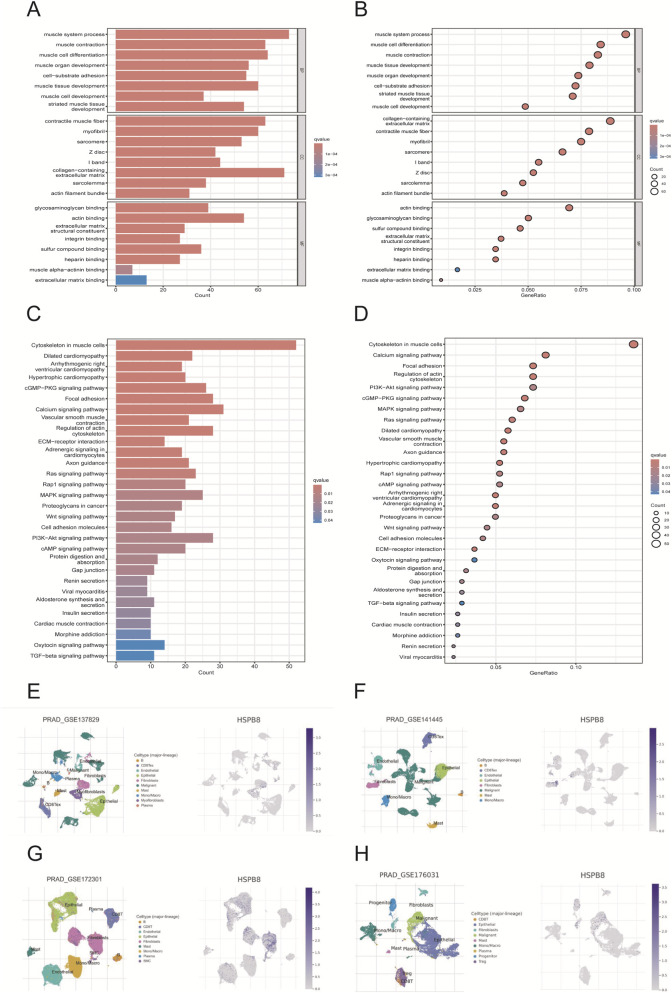 Figure 4
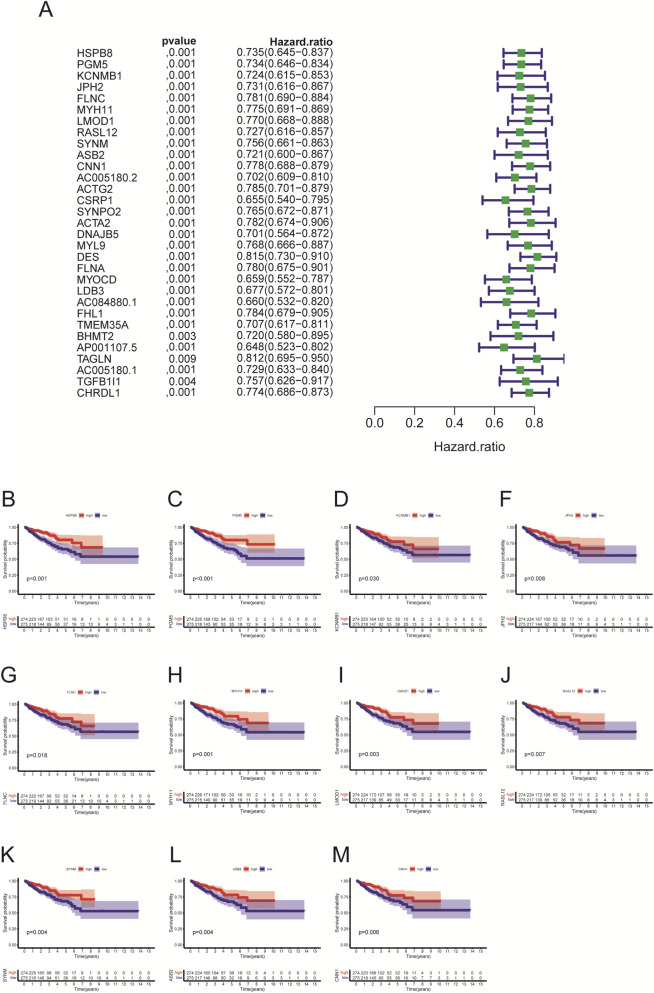 Figure 5
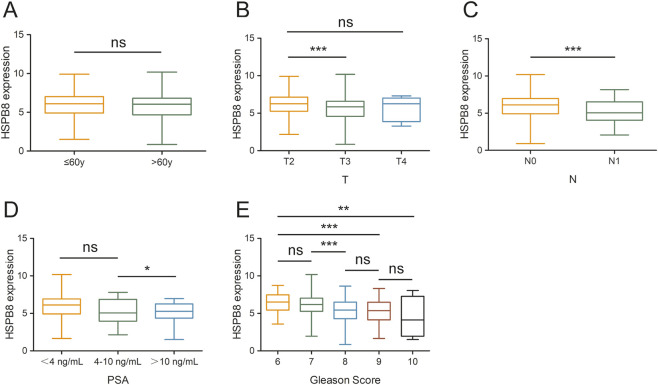 Figure 6
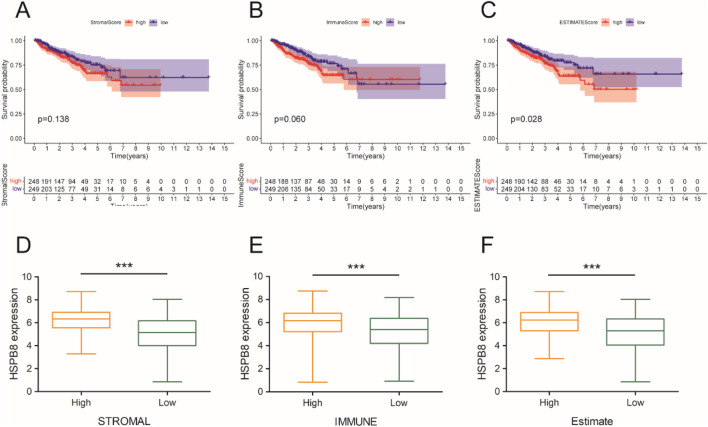 Figure 7
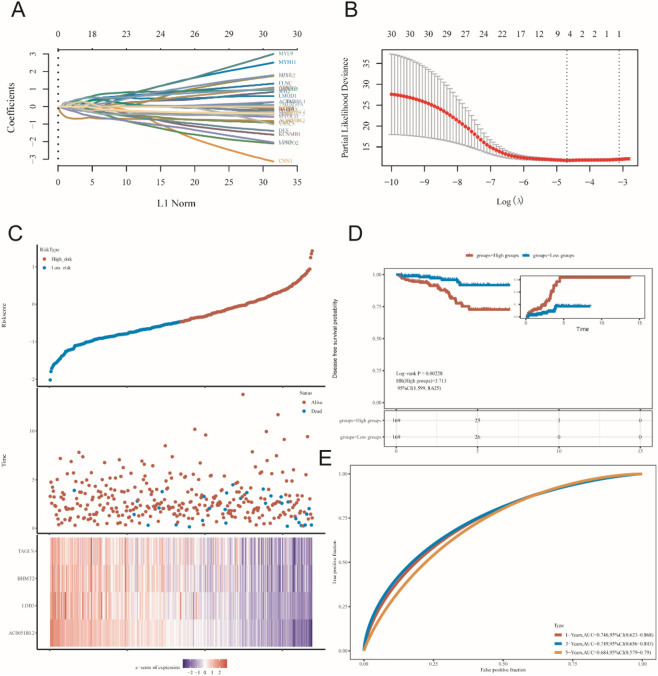 Figure 8
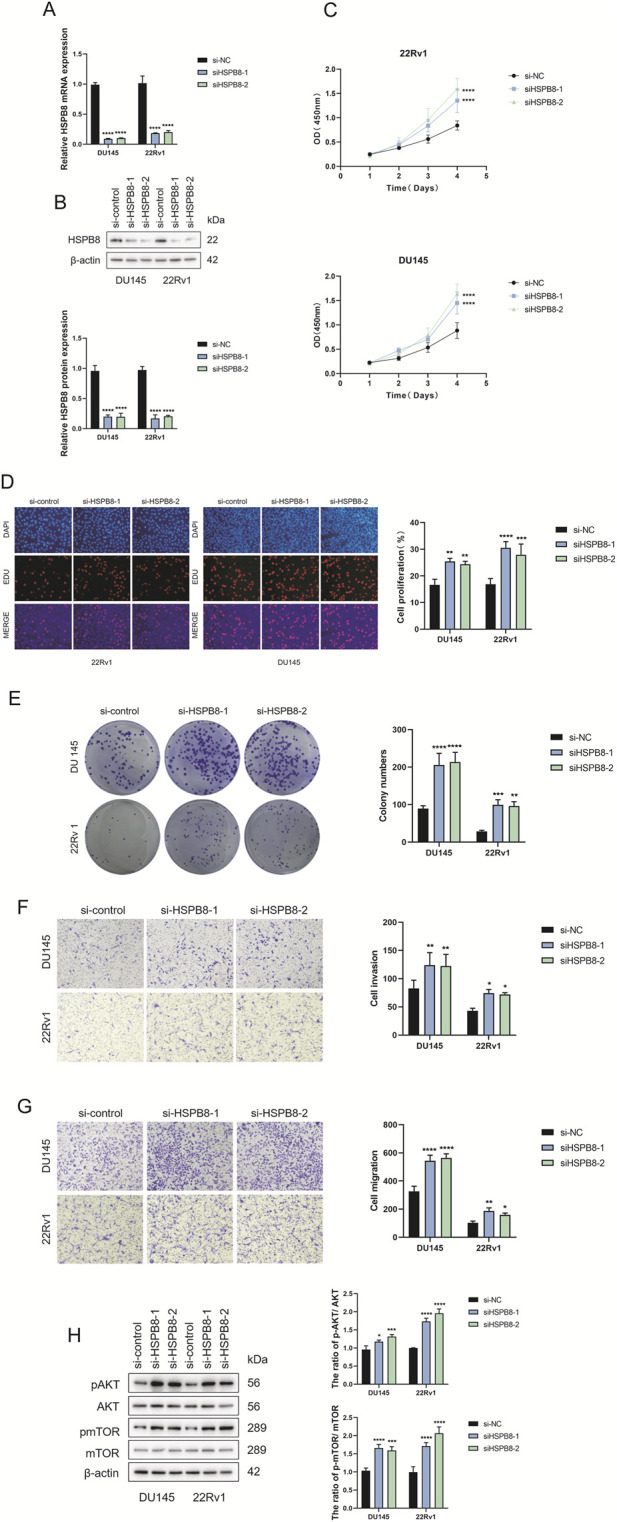 Figure 9
Peer Reviews
No public reviews on file for this paper yet. If you reviewed it on a platform where reviews are public (OpenReview, ICLR, NeurIPS, ICML), you can paste yours below so the community can read it here.
Videos
No videos yet. Explain this paper in a talk, walkthrough, or lecture? Add one.
Taxonomy
TopicsHeat shock proteins research · Endoplasmic Reticulum Stress and Disease · Toxin Mechanisms and Immunotoxins