Predicting Postoperative Stress Urinary Incontinence After Prolapse Surgery via Machine Learning and Regression Models: Development and Validation Study
Minna Su, Shuyu Wang, Xiaochun Liu

TL;DR
This study develops and validates machine learning models to predict stress urinary incontinence after prolapse surgery, aiming to guide clinical decisions on additional procedures.
Contribution
The novel contribution is the development of five machine learning models, with SVM showing the best performance, to predict postoperative SUI in prolapse surgery patients.
Findings
Six risk factors for postoperative SUI were identified, including preoperative SUI and urodynamic occult SUI.
The SVM model demonstrated the best performance with an AUC of 0.846 in validation.
A Shiny-based application was developed for model deployment to support clinical decision-making.
Abstract
Pelvic organ prolapse (POP) and stress urinary incontinence (SUI) often concurrently exist. The incontinence in some patients with POP resolves after POP surgery, but it persists in others. Some patients without SUI before surgery may develop de novo SUI. It is unclear whether a concomitant anti-incontinence procedure should be performed at the time of POP surgery to prevent postoperative incontinence. A prediction model is needed to guide clinical decision-making. This study aimed to analyze the risk factors and develop prediction models for SUI after POP surgery based on machine learning to provide new tools for evaluating and predicting postoperative SUI. Sample size calculation was performed using the Riley 4-step method. Data of patients undergoing prolapse surgery in Shanxi Bethune Hospital were prospectively collected from August 2022 to February 2025 and were retrospectively…
Genes, proteins, chemicals, diseases, species, mutations and cell lines named across the full text — each resolved to its canonical identifier and authoritative record.
Click any figure to enlarge with its caption.
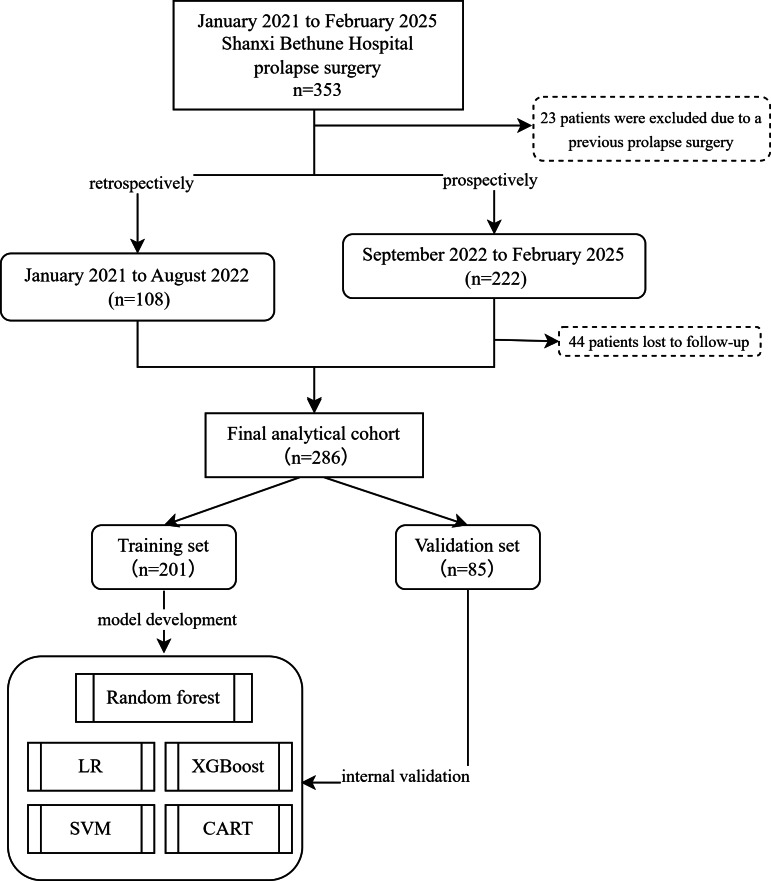 Figure 1
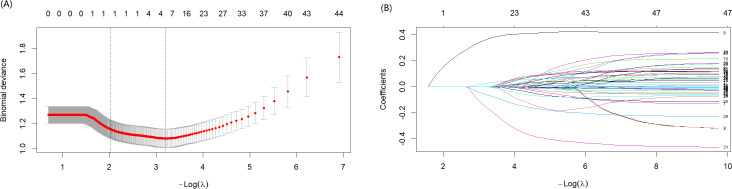 Figure 2
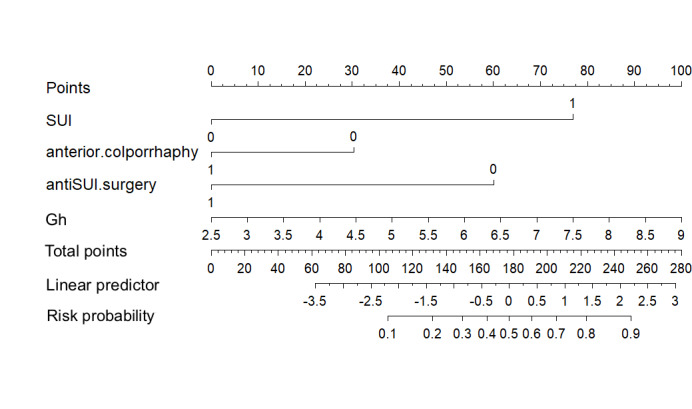 Figure 3
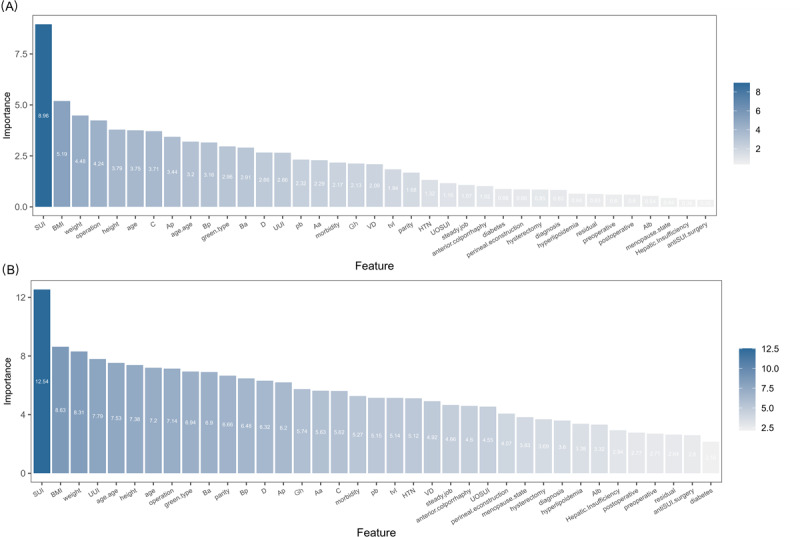 Figure 4
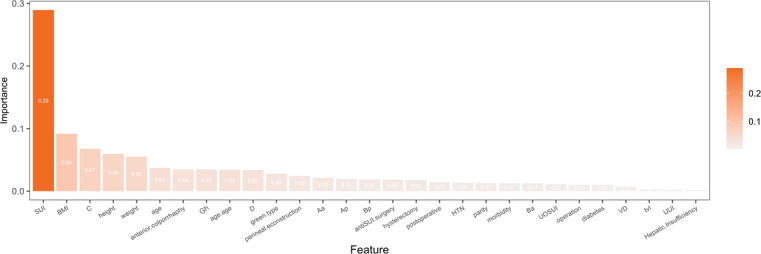 Figure 5
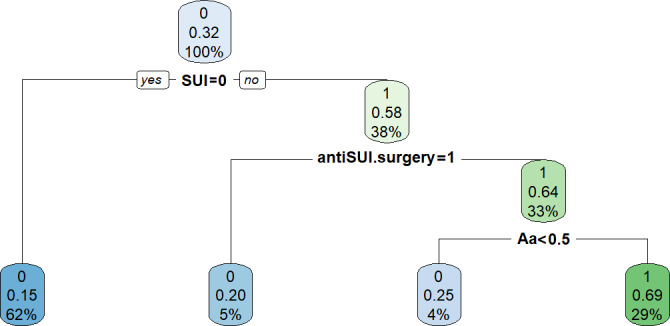 Figure 6
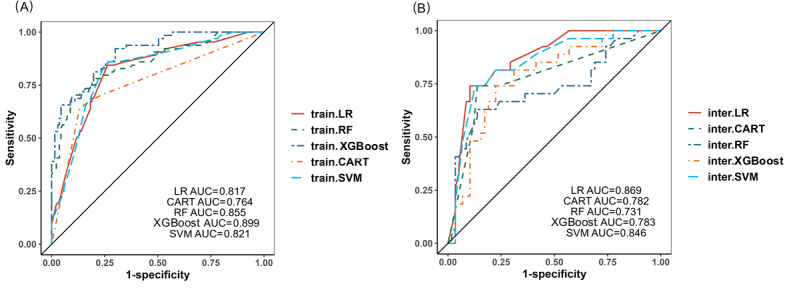 Figure 7
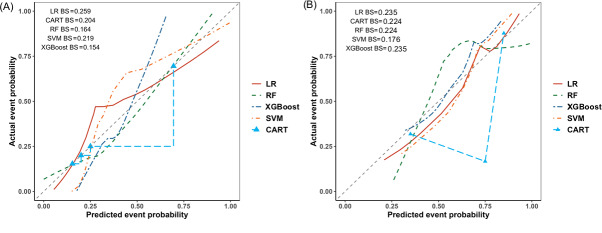 Figure 8
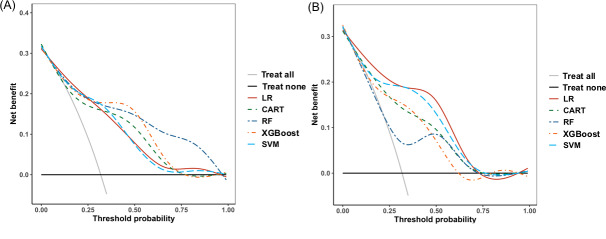 Figure 9
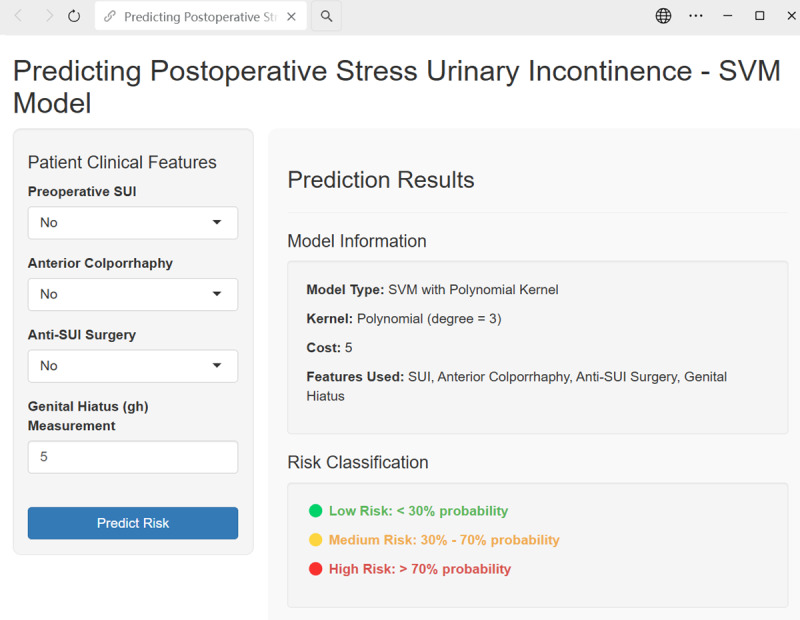 Figure 10
Peer Reviews
No public reviews on file for this paper yet. If you reviewed it on a platform where reviews are public (OpenReview, ICLR, NeurIPS, ICML), you can paste yours below so the community can read it here.
Videos
No videos yet. Explain this paper in a talk, walkthrough, or lecture? Add one.
Taxonomy
TopicsPelvic floor disorders treatments · Machine Learning in Healthcare · Artificial Intelligence in Healthcare and Education