Estimating psychophysiological loads by repeated temperature steps on humans using a state–space model
Miho Iwasaki, Yusuke Morito, Kyosuke Watanabe, Kiyoshi Kuroi, Shota Hori, Yoko Sakata, Kei Mizuno, Kazunobu Okazaki, Yasuyoshi Watanabe, Neelu Jain Gupta, Neelu Jain Gupta, Neelu Jain Gupta

TL;DR
This study explores how repeated temperature changes affect human psychophysiological loads and finds that larger temperature steps cause less stress on the autonomic nervous system.
Contribution
A novel Bayesian state–space model is used to estimate accumulated effects of temperature steps on human health.
Findings
Larger temperature steps (15 °C) caused less autonomic nervous system stress than smaller steps (10 °C).
Psychophysiological loads were continuously enhanced during temperature step trials.
The model distinguished accumulated effects from direct environmental change effects.
Abstract
Humans are exposed to daily temperature differences indoors and outdoors worldwide; however, the associated risks to health and fatigue remain unclear. This study aimed to clarify the psychophysiological loads by repeated short-term temperature differences on Japanese individuals. Herein, 28 healthy individuals were repeatedly moved between two temperature environments, and their psychological/physiological responses to temperature differences in the environment were recorded [T26-26 (control), T26-31 (5 °C step), T26-36 (10 °C step), and T21-36 (15 °C step)]. We precisely estimated the accumulated effects (load) of repeated temperature steps using a Bayesian state–space model, and distinguished them from the direct effects of environmental changes. The Load to the autonomic nervous system was continuously enhanced (decreased high-frequency of RRI and increased…
Genes, proteins, chemicals, diseases, species, mutations and cell lines named across the full text — each resolved to its canonical identifier and authoritative record.
Click any figure to enlarge with its caption.
 Figure 1
 Figure 2
 Figure 3
 Figure 4
 Figure 5
 Figure 6
 Figure 7
 Figure 8
 Figure 9
 Figure 10
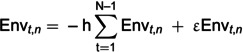 Figure 11
 Figure 12
 Figure 13
 Figure 14
 Figure 15
 Figure 16
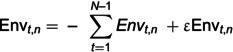 Figure 17
 Figure 18
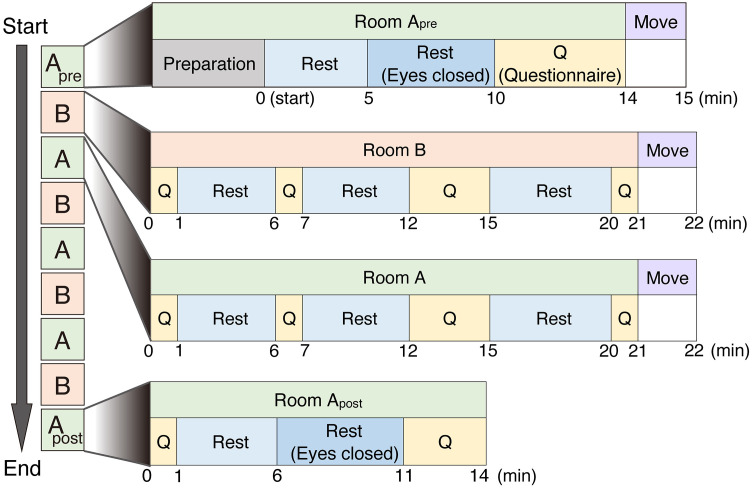 Figure 19
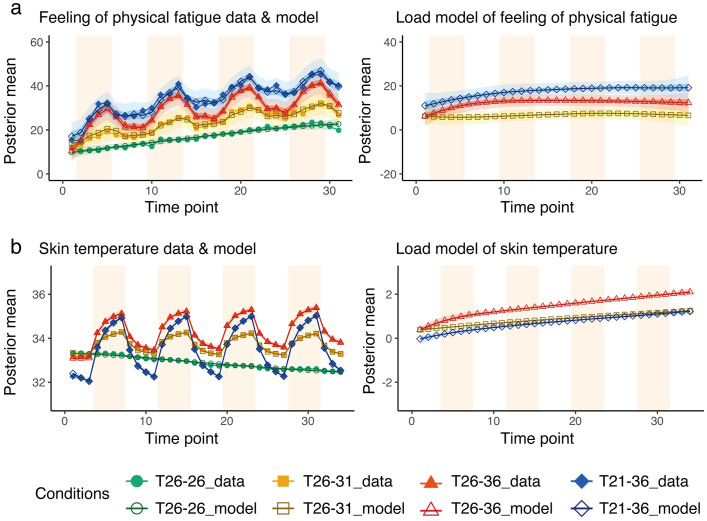 Figure 20
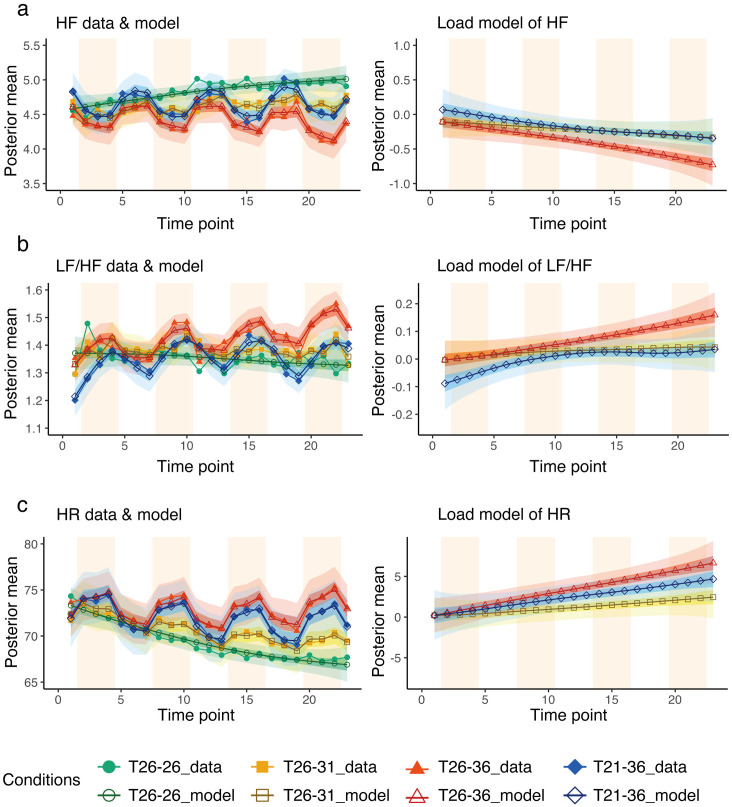 Figure 21
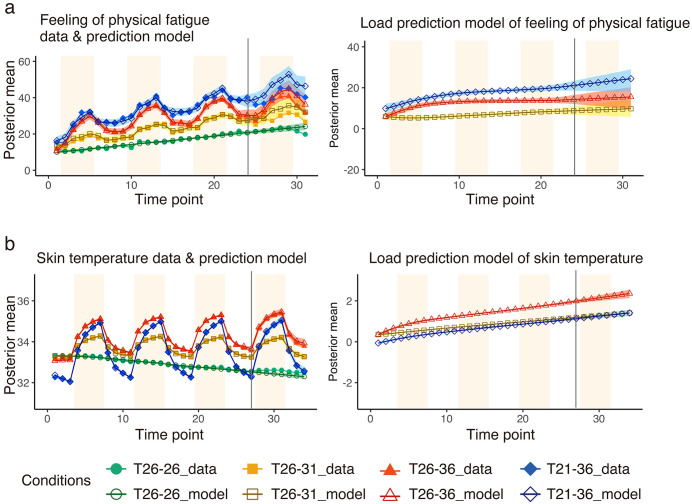 Figure 22
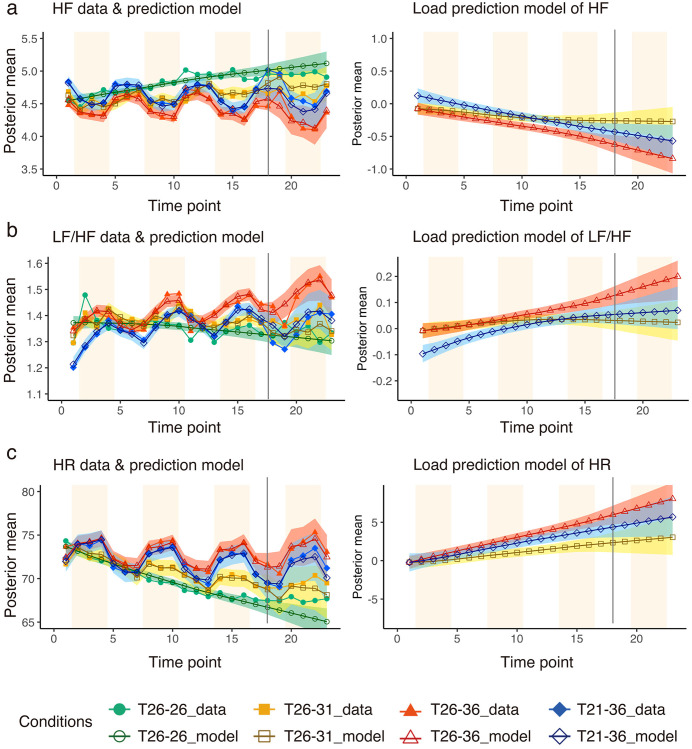 Figure 23
 Figure 24
Peer Reviews
No public reviews on file for this paper yet. If you reviewed it on a platform where reviews are public (OpenReview, ICLR, NeurIPS, ICML), you can paste yours below so the community can read it here.
Videos
No videos yet. Explain this paper in a talk, walkthrough, or lecture? Add one.
Taxonomy
TopicsThermoregulation and physiological responses · Climate Change and Health Impacts · Heart Rate Variability and Autonomic Control