Sequestration and suppressed synthesis of oncogenic HMGA1 using engineered adenoviruses decreases human pancreatic and breast cancer cell characteristics
Md. Sharif Hasan, Shuisong Ni, Fatema B. Kamal, Megan F. Blossey, Eian Vargas, Margaret B. Bogomolny, Trang Dinh, Michael A. Kennedy, Shuai Ren, Mohammed S. Razzaque, Antonio Palumbo jr, Antonio Palumbo jr, Antonio Palumbo jr

TL;DR
Engineered adenoviruses that sequester or suppress HMGA1, a cancer-related protein, significantly reduce cancer cell viability and migration in pancreatic and breast cancer cells.
Contribution
A novel approach using engineered adenoviruses to target HMGA1, an intrinsically disordered protein, in cancer therapy.
Findings
Engineered adenoviruses reduced cancer cell viability and migration by 50–75%.
HMGA1 protein levels decreased by up to 70% with HBS virus treatment.
Anchorage-independent migration capacity dropped by 60–70% across all virus treatments.
Abstract
HMGA1, an architectural transcription factor that plays a crucial role in tumorigenesis, chemotherapy resistance and cancer stem cell transformation in many human cancers, is intrinsically disordered and cannot be targeted by conventional small molecule drug therapy. While HMGA1 is required and essential for normal growth and development, HMGA1 expression occurs at very low levels in normal healthy adult cells. In contrast, HMGA1 is expressed at very high levels in many different types of human cancer cells. Since HMGA1 cannot be targeted using conventional small molecule drug therapy, alternative approaches are needed to target HMGA1 in new cancer therapies. Here, we explored the use of serotype 5 adenoviruses (Ad5) engineered 1) to sequester overexpressed HMGA1 in cancer cells using an HMGA1 hyper binding site (HBS) inserted into the Ad5 genome and 2) to suppress HMGA1 synthesis in…
Genes, proteins, chemicals, diseases, species, mutations and cell lines named across the full text — each resolved to its canonical identifier and authoritative record.
Click any figure to enlarge with its caption.
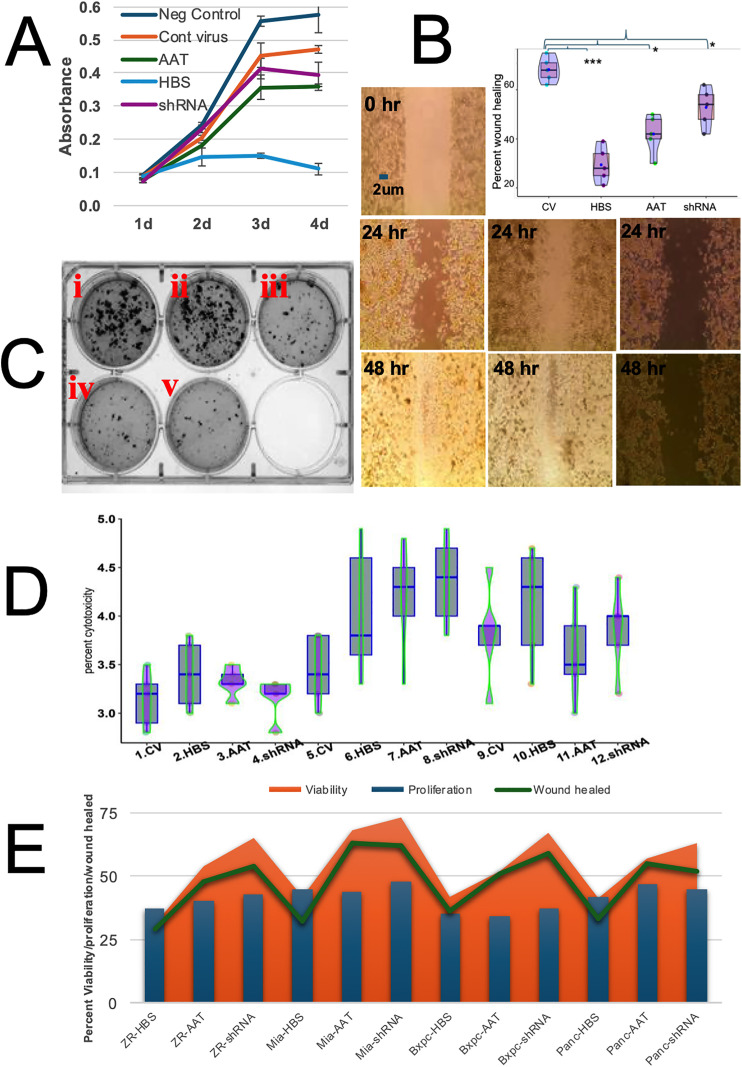 Figure 1
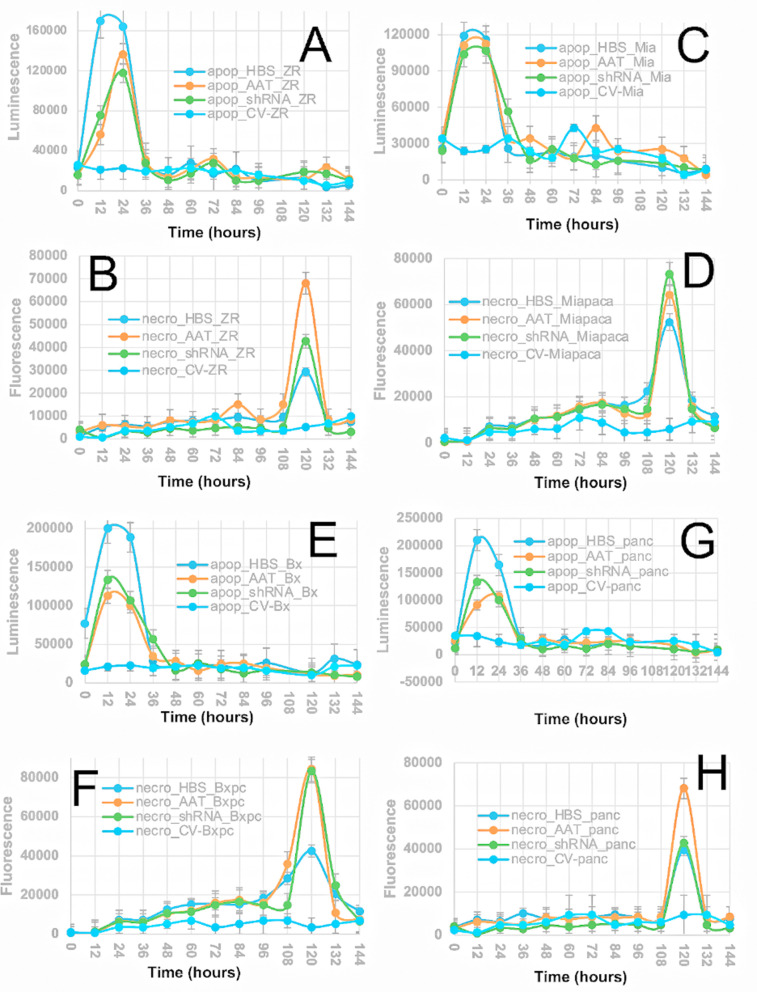 Figure 2
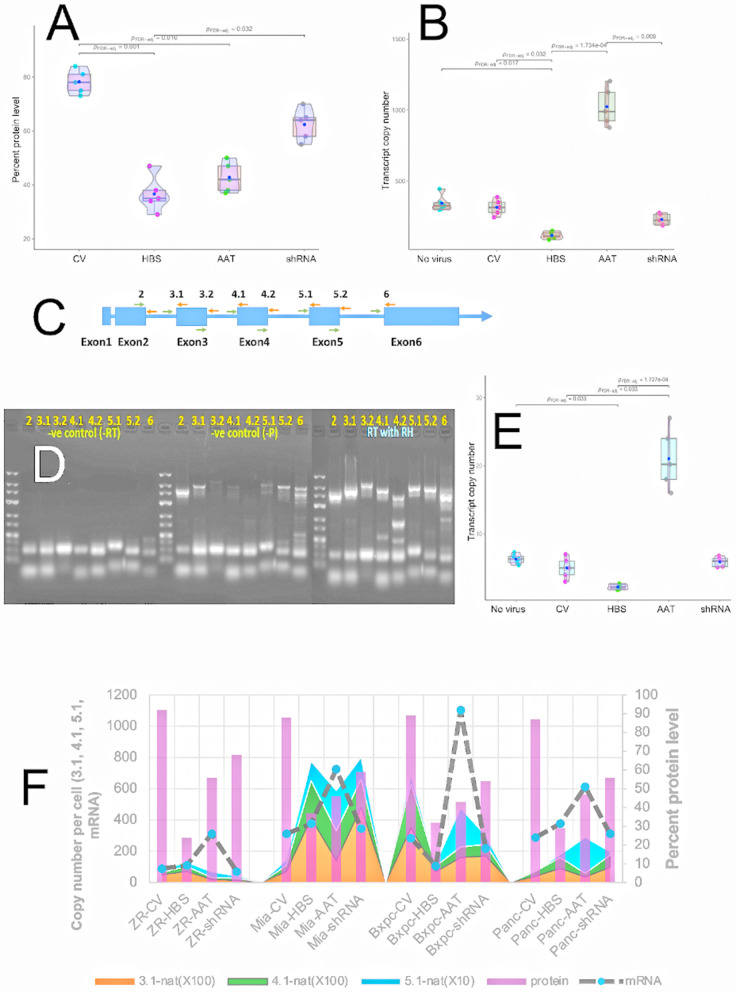 Figure 3
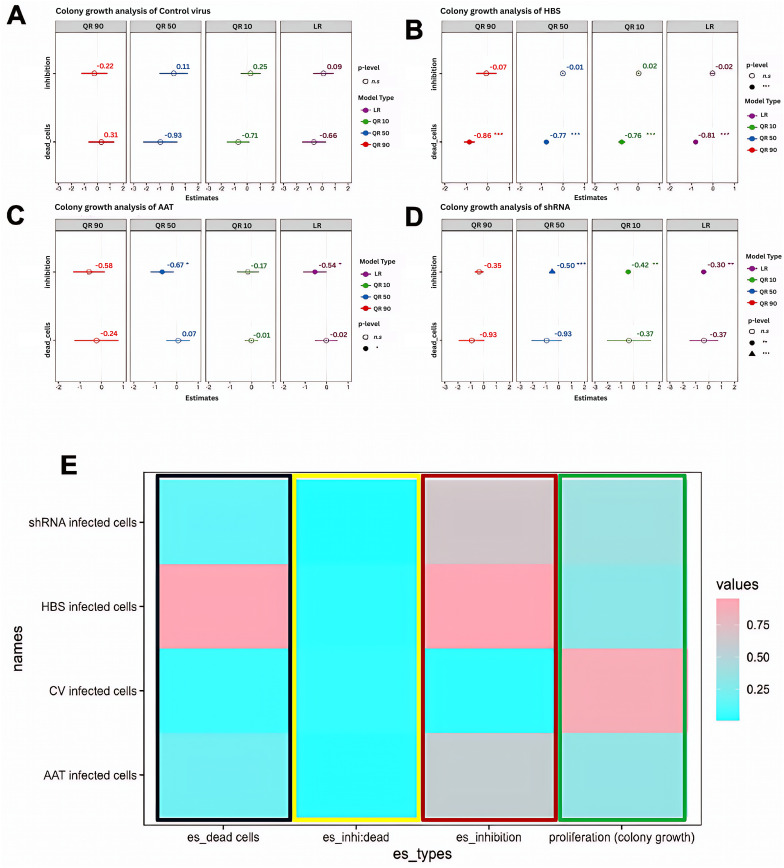 Figure 4
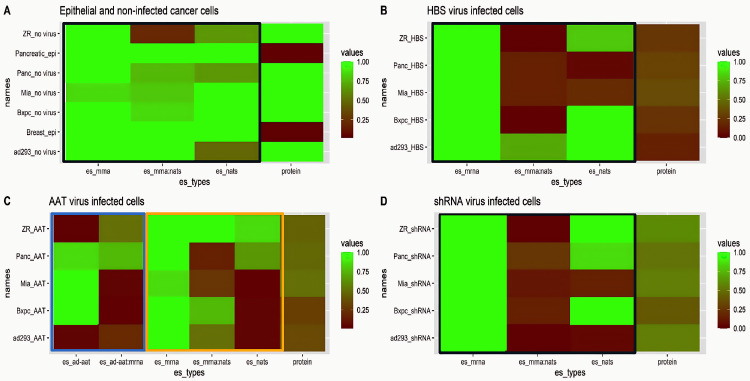 Figure 5
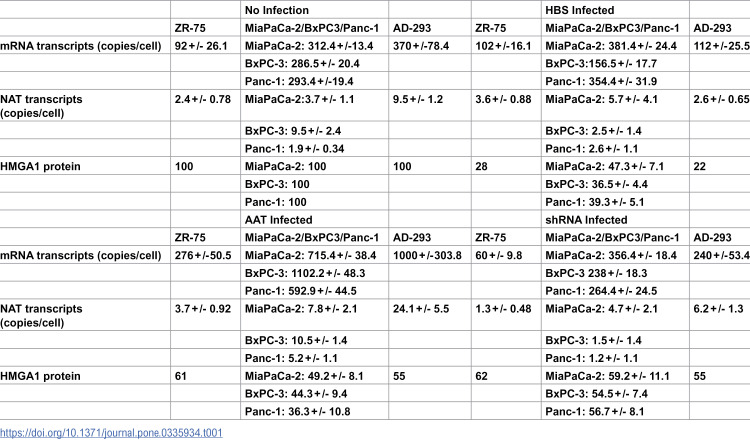 Figure 6
Peer Reviews
No public reviews on file for this paper yet. If you reviewed it on a platform where reviews are public (OpenReview, ICLR, NeurIPS, ICML), you can paste yours below so the community can read it here.
Videos
No videos yet. Explain this paper in a talk, walkthrough, or lecture? Add one.
Taxonomy
TopicsGenomics and Chromatin Dynamics · interferon and immune responses · Cancer-related molecular mechanisms research