Aging influences nucleolar responses to traumatic brain injury in Drosophila
Stacey A. Rimkus, Rebeccah J. Katzenberger, Barry Ganetzky, David A. Wassarman

TL;DR
This study shows that traumatic brain injury in fruit flies causes nucleolar enlargement, a process linked to aging, and suggests that inhibiting TOR could be a new treatment approach.
Contribution
The study reveals that TBI accelerates aging-related nucleolar changes and identifies TOR inhibition as a potential therapeutic strategy.
Findings
TBI in young flies causes rapid nucleolar enlargement, which stabilizes over time.
Older flies show little nucleolar enlargement after injury, suggesting a limit to this process.
TOR inhibition reduces mortality after TBI, implicating nucleolar changes in injury damage.
Abstract
Traumatic brain injury (TBI) affects millions of people globally each year, yet effective treatments remain limited. A major challenge is the complexity of cellular and molecular responses to brain injury, many of which overlap with those seen in aging. A key hallmark of aging is nucleolar enlargement in brain and other tissues, reflecting increased ribosome biogenesis. Nucleolar size is regulated by the target of rapamycin (TOR) signaling pathway, which during aging is aberrantly activated. Inhibiting TOR reduces nucleolar size and extends lifespan in several model organisms. Using a Drosophila melanogaster model of closed-head TBI, we investigated whether injury influences nucleolar dynamics. Immunofluorescence microscopy of fibrillarin, a major nucleolar protein, revealed that brains of young, injured flies had substantially larger nucleoli than uninjured controls within one day of…
Genes, proteins, chemicals, diseases, species, mutations and cell lines named across the full text — each resolved to its canonical identifier and authoritative record.
Click any figure to enlarge with its caption.
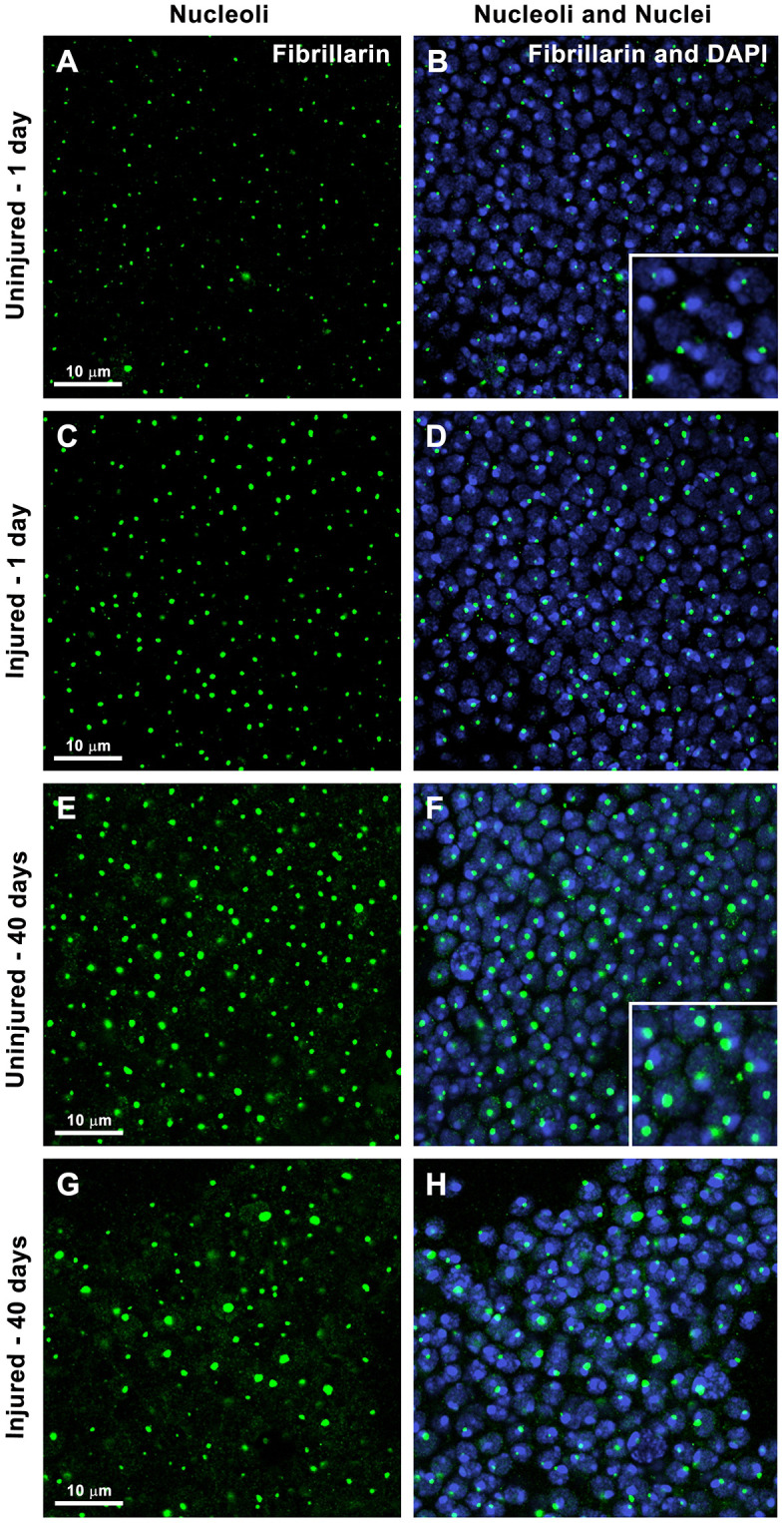 Figure 1
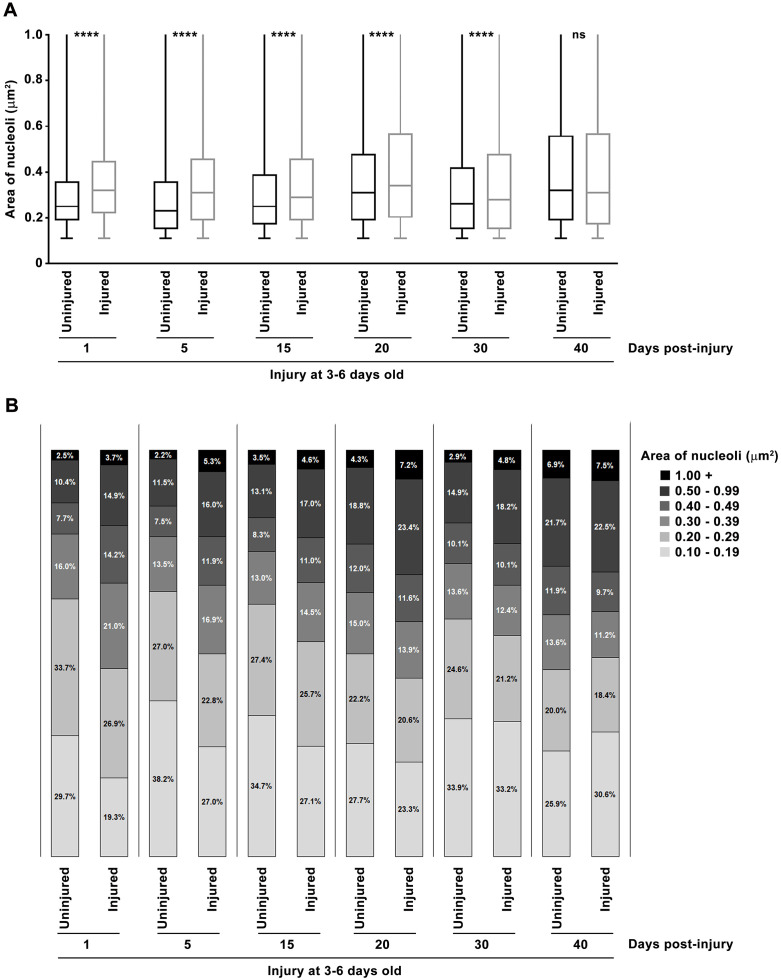 Figure 2
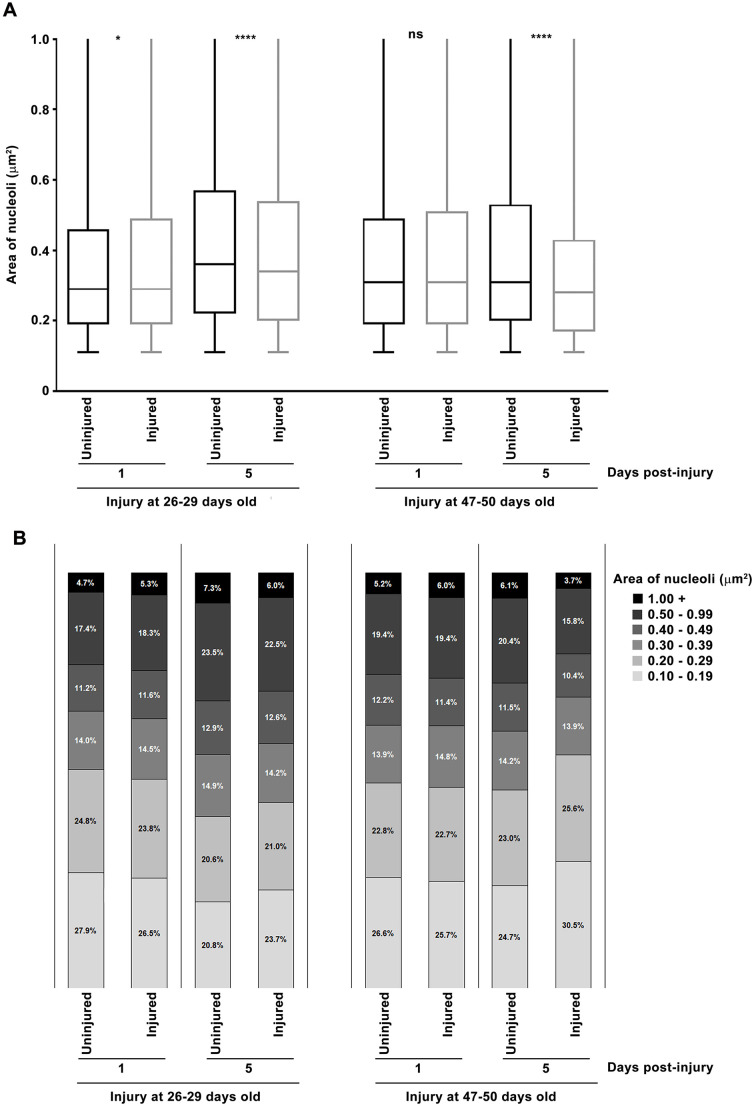 Figure 3
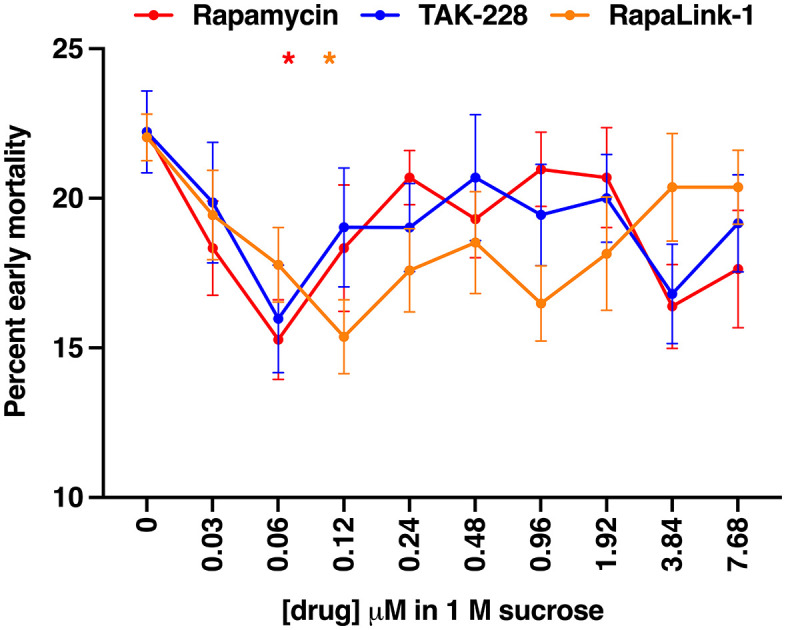 Figure 4
Peer Reviews
No public reviews on file for this paper yet. If you reviewed it on a platform where reviews are public (OpenReview, ICLR, NeurIPS, ICML), you can paste yours below so the community can read it here.
Videos
No videos yet. Explain this paper in a talk, walkthrough, or lecture? Add one.
Taxonomy
TopicsRNA modifications and cancer · Epigenetics and DNA Methylation · Cancer-related gene regulation