Social experience and social cohabitation with mating promote spinogenesis in the nucleus accumbens of adult female prairie voles (Microtus ochrogaster)
Analía E. Castro, Marco A. López-Quiroz, Daniela Ávila-González, Francisco J. Camacho, Raúl G. Paredes, Néstor F. Díaz, Wendy Portillo

TL;DR
This study shows that social and mating experiences in female prairie voles increase spine growth in brain regions linked to pair-bonding.
Contribution
The study reveals that sensory cues and mating induce spinogenesis in the nucleus accumbens, contributing to pair-bonding mechanisms.
Findings
Spine density in medium spiny neurons increased in both social exposure and mating groups compared to controls.
Social exposure alone increased dendritic length and arborization in the nucleus accumbens core and shell.
Spine subtype density varied between the core and shell regions of the nucleus accumbens.
Abstract
Prairie voles (Microtus ochrogaster) are monogamous rodents that establish life-long pair-bonds and display characteristic social and biparental care behaviors. Since social and sexual experiences modulate brain plasticity, the present study aimed to elucidate in female voles if social exposure to a male or social cohabitation with mating, which leads to pair-bonding, modulates spinogenesis processes in the medium spiny neurons (MSNs) in the nucleus accumbens (NAc). Females were randomly assigned to one of the following groups: 1) control (C), voles that cohabited with a familiar female in a clean cage; 2) social exposure (SE), voles housed in a cage divided into two equal compartments by an acrylic screen with small holes. The experimental female was placed in one of the compartments, and a male in the opposite one. Therefore, females were exposed to sensory cues from an adult male.…
Genes, proteins, chemicals, diseases, species, mutations and cell lines named across the full text — each resolved to its canonical identifier and authoritative record.
Click any figure to enlarge with its caption.
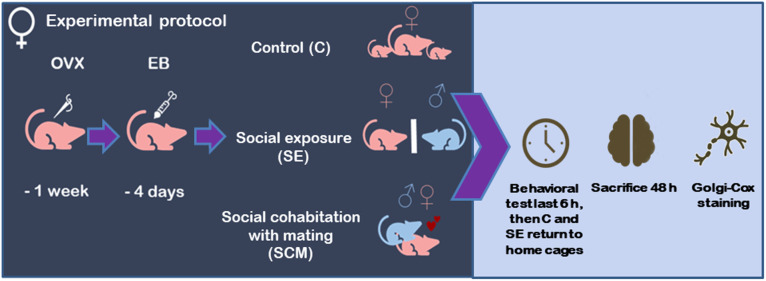 Figure 1
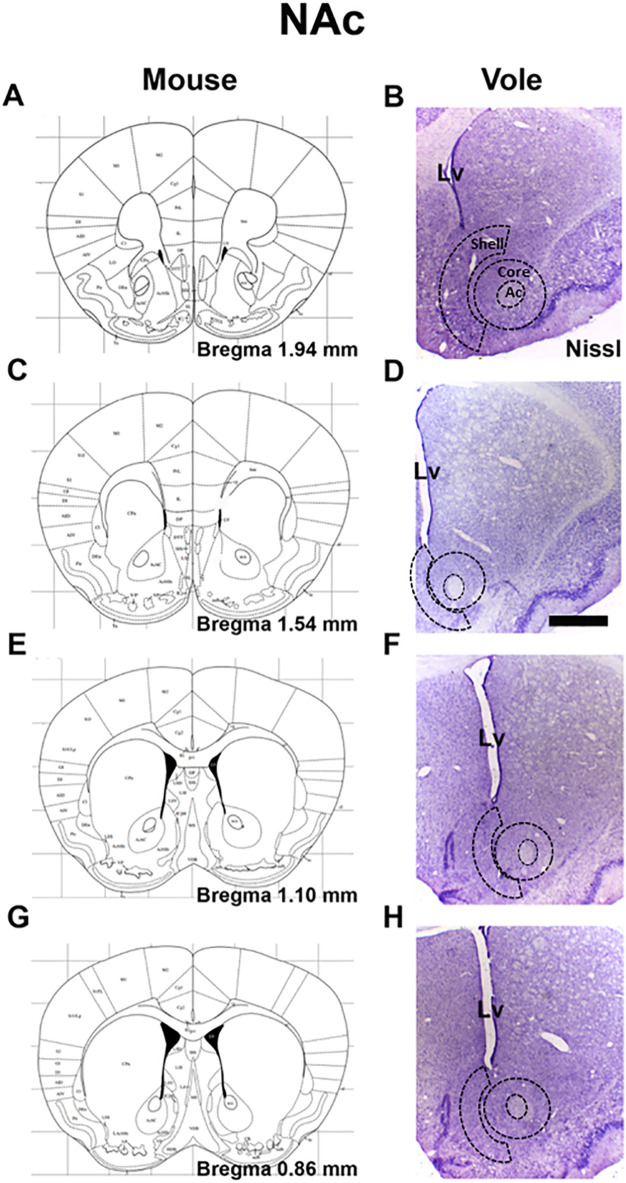 Figure 2
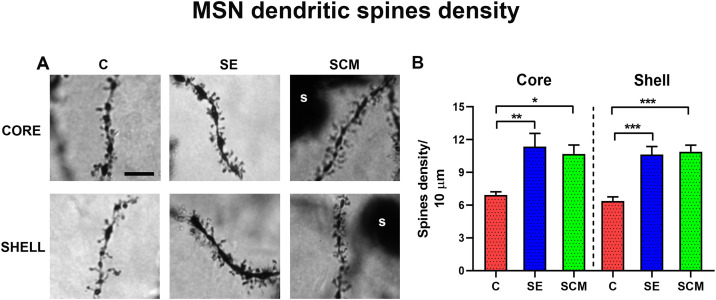 Figure 3
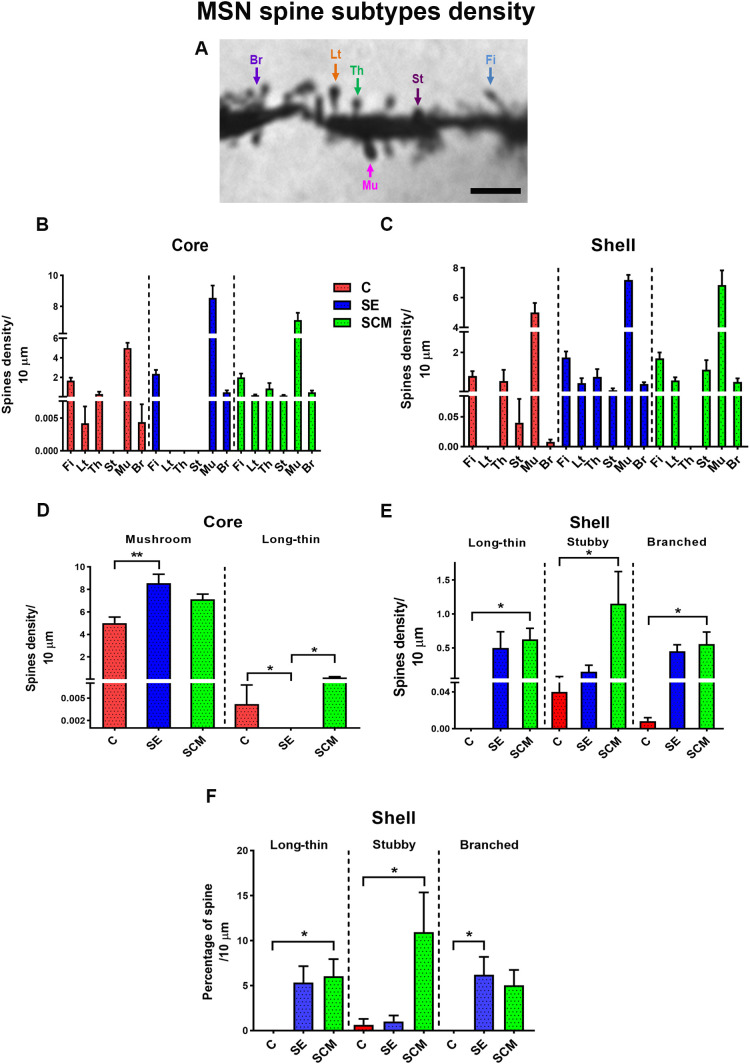 Figure 4
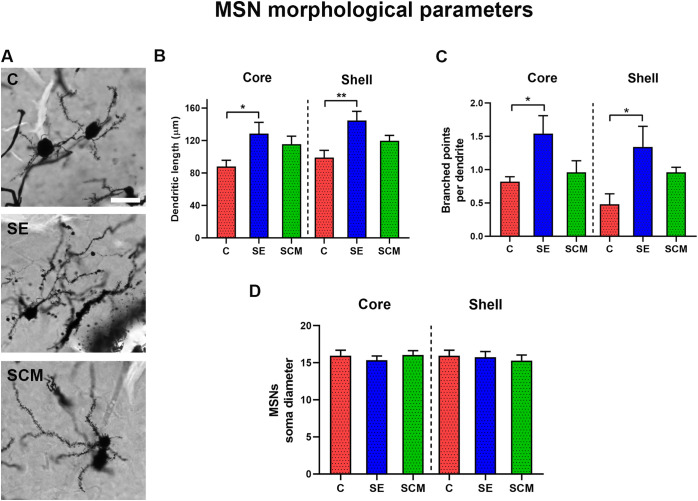 Figure 5
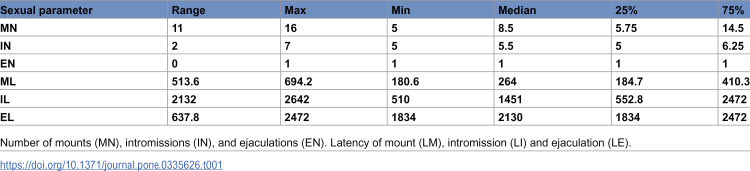 Figure 6
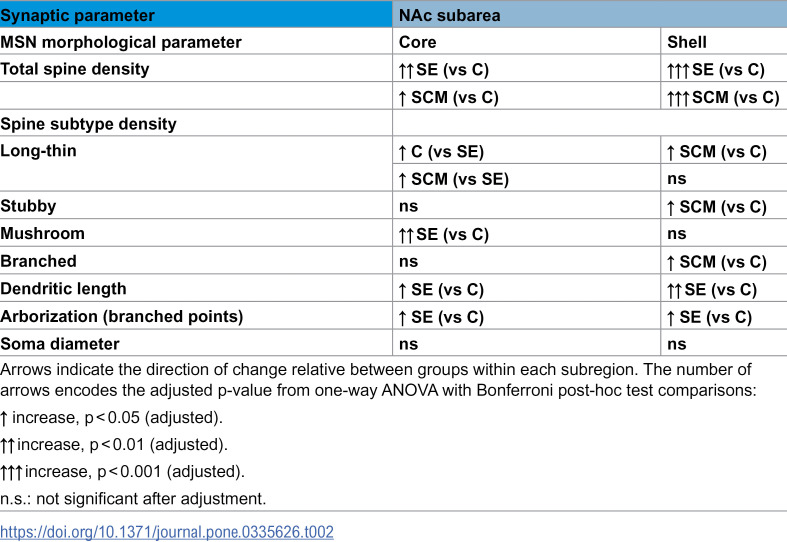 Figure 7
Peer Reviews
No public reviews on file for this paper yet. If you reviewed it on a platform where reviews are public (OpenReview, ICLR, NeurIPS, ICML), you can paste yours below so the community can read it here.
Videos
No videos yet. Explain this paper in a talk, walkthrough, or lecture? Add one.
Taxonomy
TopicsNeuroendocrine regulation and behavior · Hypothalamic control of reproductive hormones · Stress Responses and Cortisol