Finger-Equipped Electrode Electrical Stimulation for Severe Upper-Limb Paresis in the Acute Phase of Stroke: A Retrospective Case Series
Takashi Nakamori, Shota Kitayama, Kei Hamamachi

TL;DR
This study shows that finger-equipped electrical stimulation can safely improve arm function in stroke patients with severe paralysis during the early recovery phase.
Contribution
The study provides preliminary evidence for the feasibility and therapeutic potential of FEE-ES in acute stroke rehabilitation.
Findings
FMA-UE scores improved significantly after one month of FEE-ES with a median gain of 11 points.
Three patients exceeded the minimal clinically important difference of 10 points in motor function.
No spasticity or skin complications were observed, and some patients showed continued improvement beyond the acute phase.
Abstract
Aim and objective Severe upper-limb paresis during the acute phase of stroke significantly limits functional recovery. Finger-equipped electrode electrical stimulation (FEE-ES) enables therapists to synchronize electrical stimulation (ES) with the patient’s motor intent, even in the absence of voluntary movement. However, evidence regarding its feasibility and preliminary therapeutic effects in the acute phase of stroke remains limited. Therefore, this study aimed to evaluate the feasibility, safety, and potential therapeutic effects of FEE-ES in patients in the acute phase of stroke who present with severe upper-limb paresis. Materials and methods We retrospectively examined six patients (mean age: 56.0 ± 15.0 years) with a first-ever stroke and severe upper-limb paresis (baseline Fugl-Meyer Assessment for Upper Extremity (FMA-UE) ≤19), without severe cognitive or attentional…
Genes, proteins, chemicals, diseases, species, mutations and cell lines named across the full text — each resolved to its canonical identifier and authoritative record.
Click any figure to enlarge with its caption.
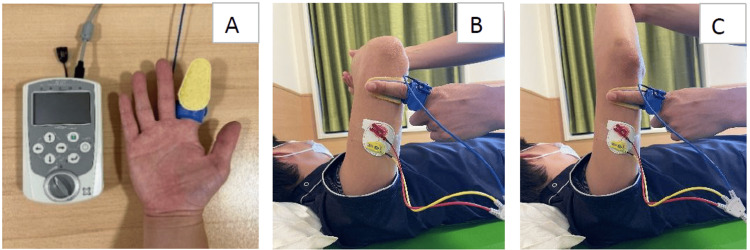 Figure 1
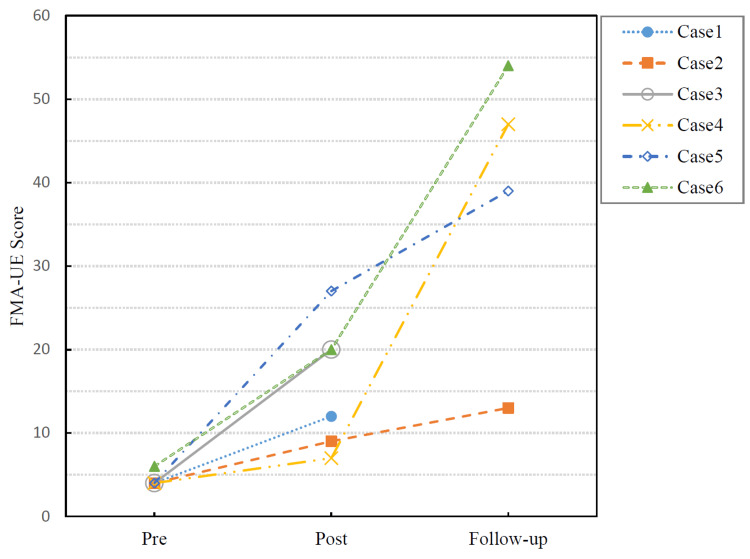 Figure 2
Peer Reviews
No public reviews on file for this paper yet. If you reviewed it on a platform where reviews are public (OpenReview, ICLR, NeurIPS, ICML), you can paste yours below so the community can read it here.
Videos
No videos yet. Explain this paper in a talk, walkthrough, or lecture? Add one.
Taxonomy
TopicsStroke Rehabilitation and Recovery · Transcranial Magnetic Stimulation Studies · Botulinum Toxin and Related Neurological Disorders